
Key Facts
- Shade-loving perennial native to East Asia.
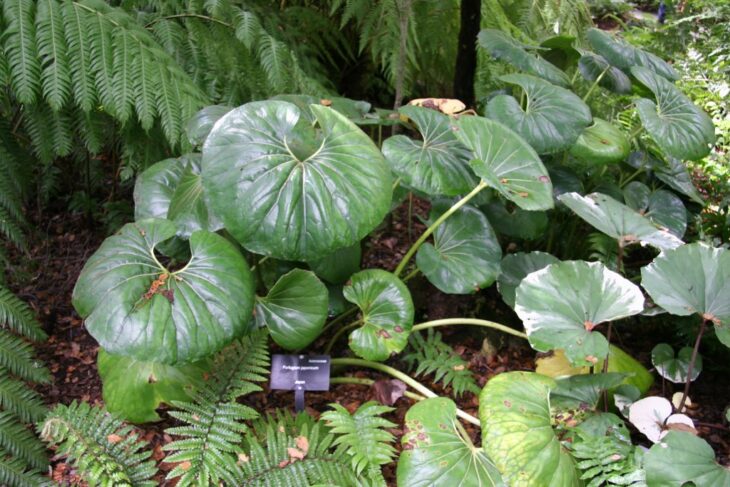
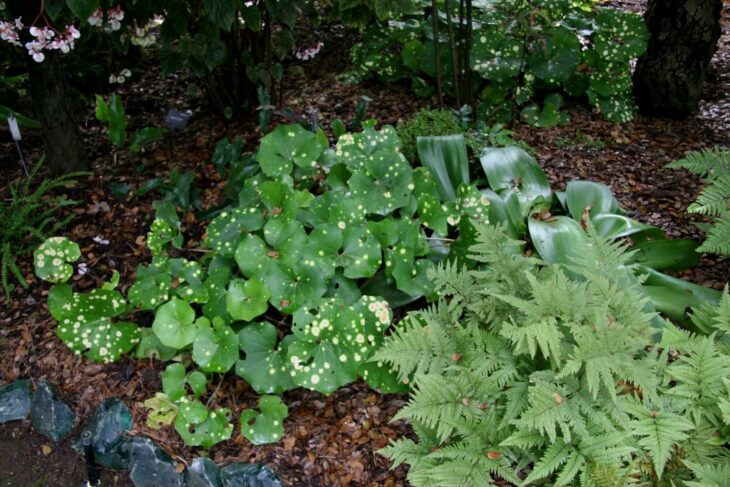
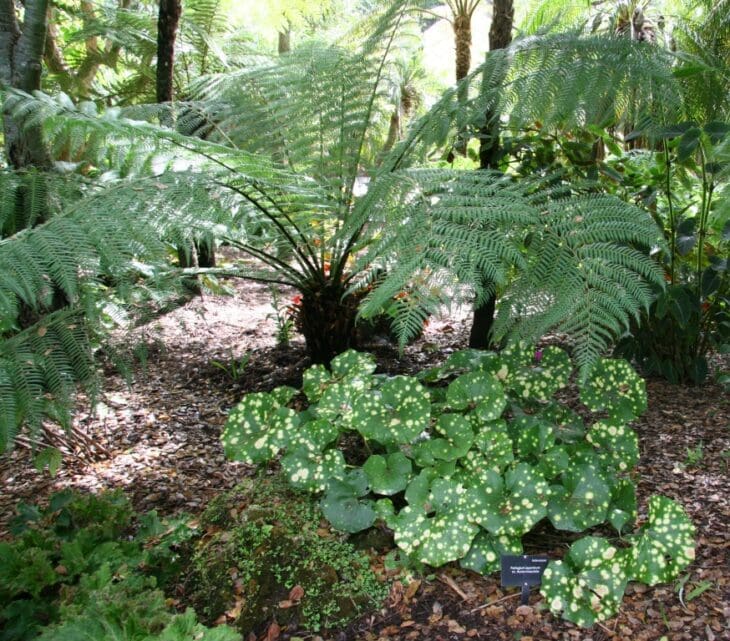
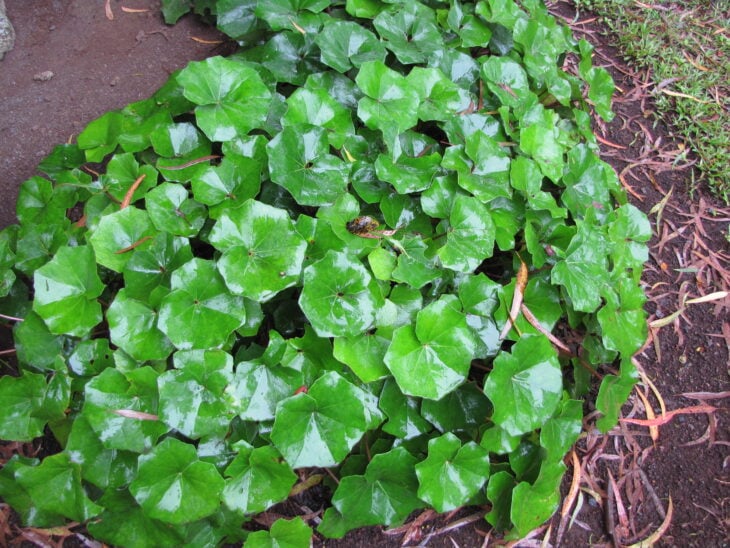
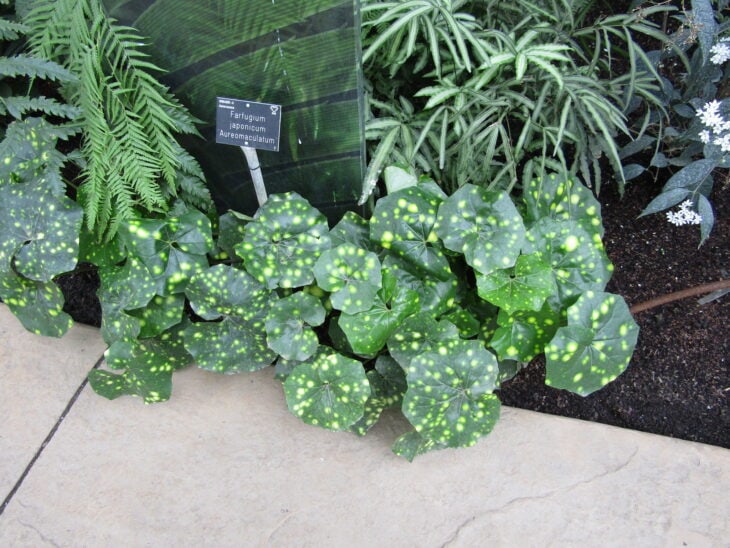
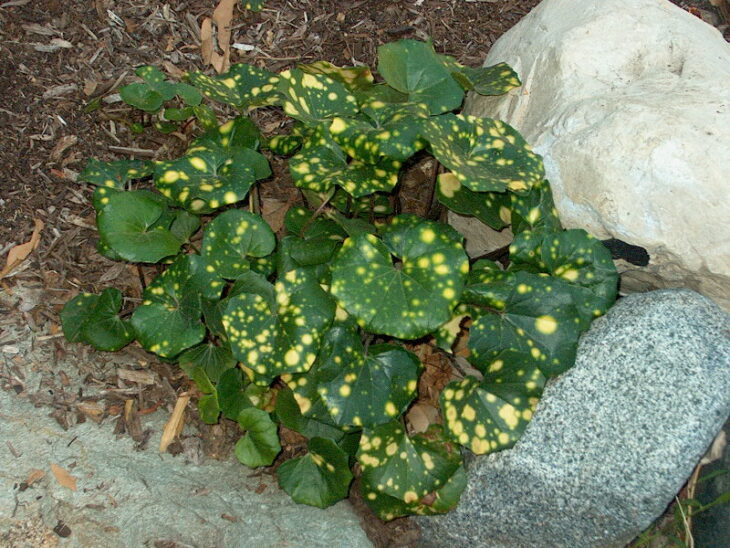
- Large glossy rounded leaves often variegated in garden cultivars.
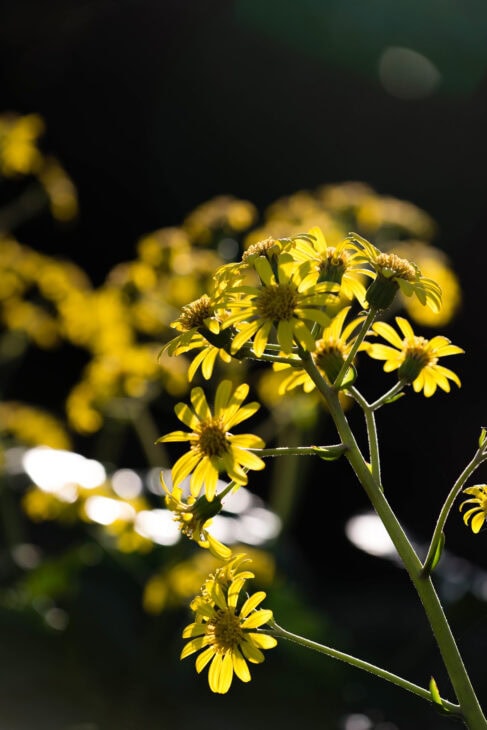
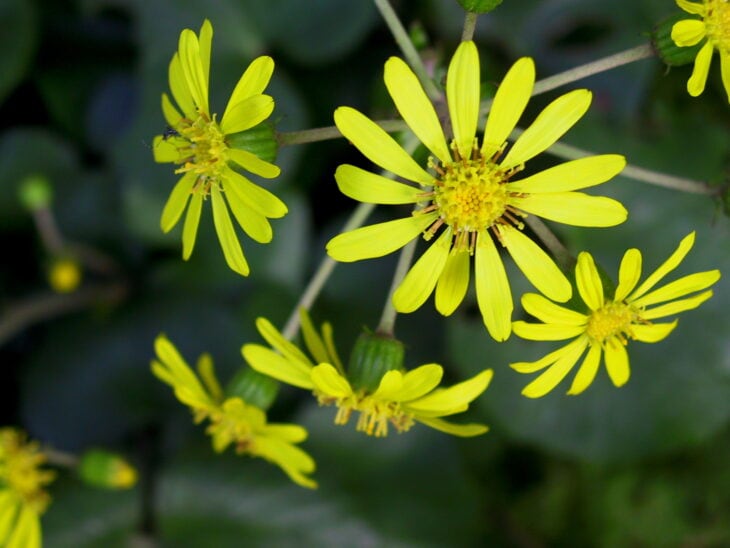
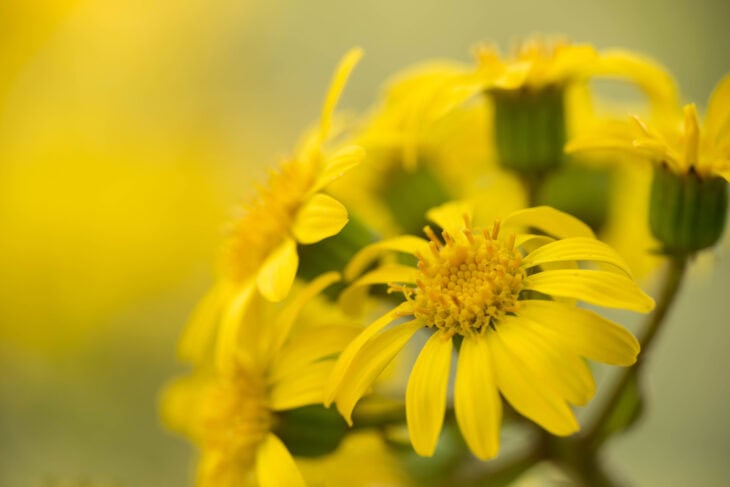
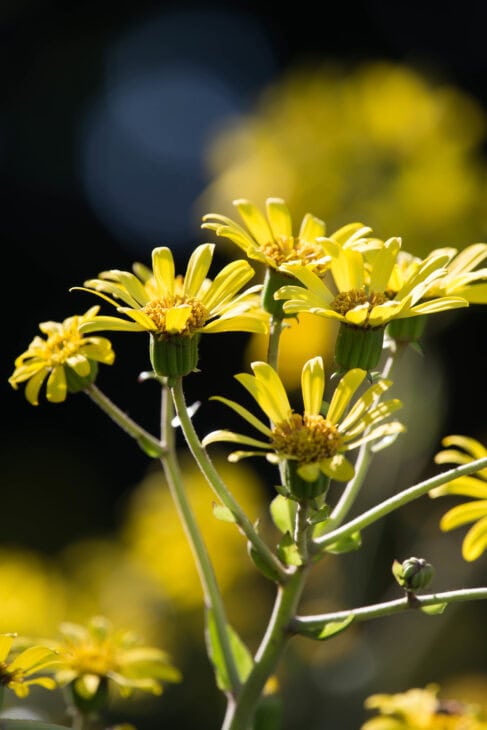
- Yellow daisy-like flower heads appear in late summer to autumn.
- Forms spreading clumps from rhizomes.
- Well suited to shady borders, containers, and woodland gardens.
- Prefers consistently moist, humus-rich, well-drained soil.
- Commonly propagated by division and by seed or cuttings.
- Evergreen in mild climates and semi-evergreen or deciduous in colder areas.
Leopard Plant (Farfugium japonicum) is a shade-loving perennial prized for large glossy rounded leaves and late summer to autumn yellow flower heads. It grows as spreading clumps from rhizomes and performs well in part to full shade where moist, humus-rich soil is available.
Identification
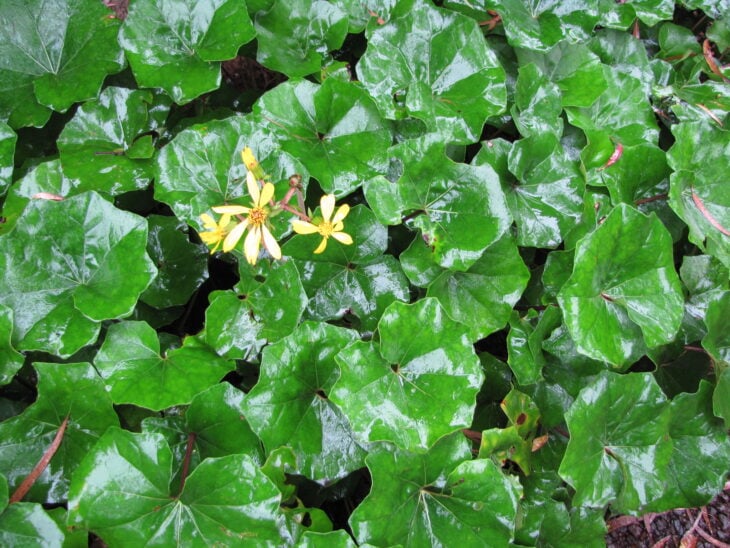
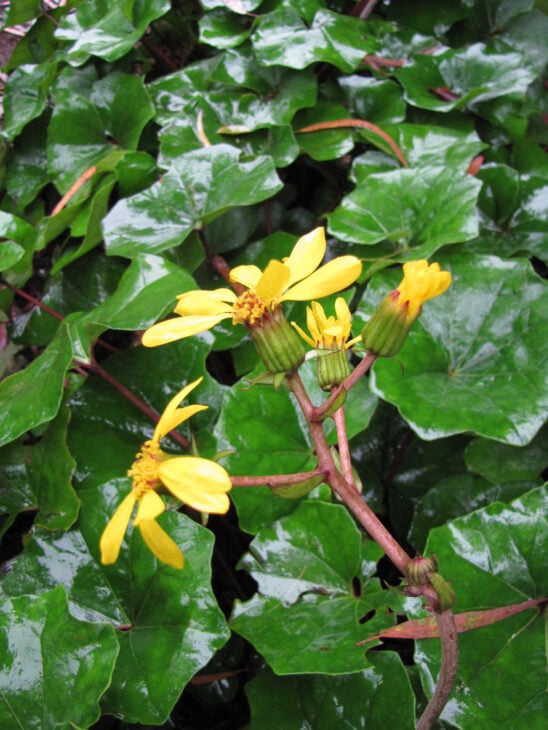
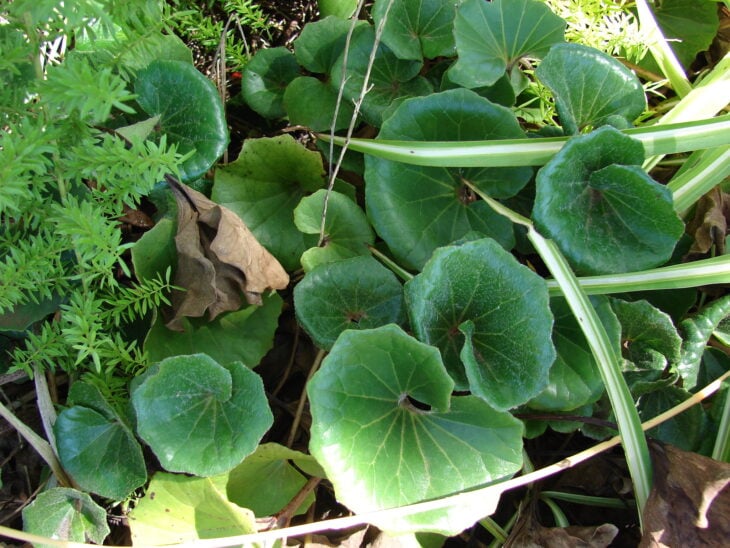
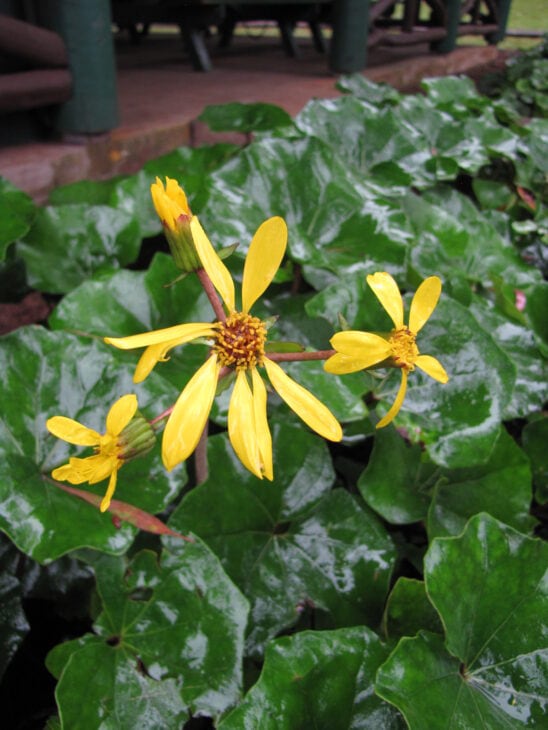
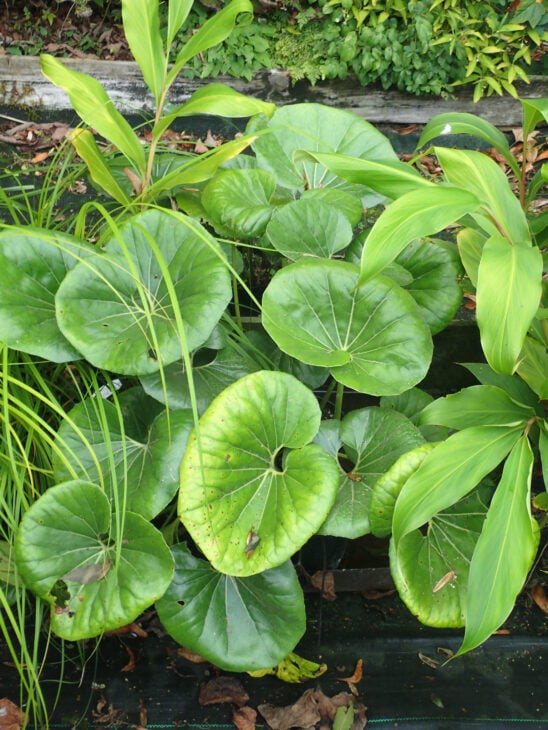
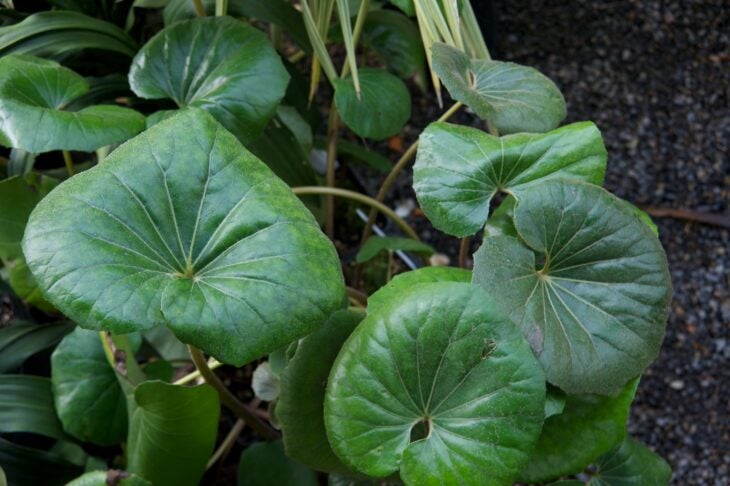
Plants form low mounds of glossy rounded leaves, often variegated in garden cultivars, with foliage reaching about 12 to 24 inches tall. Flower scapes rise above the leaves in late summer into autumn producing yellow daisy-like composite blooms that contrast well with dark green or variegated foliage.
Best uses and limitations
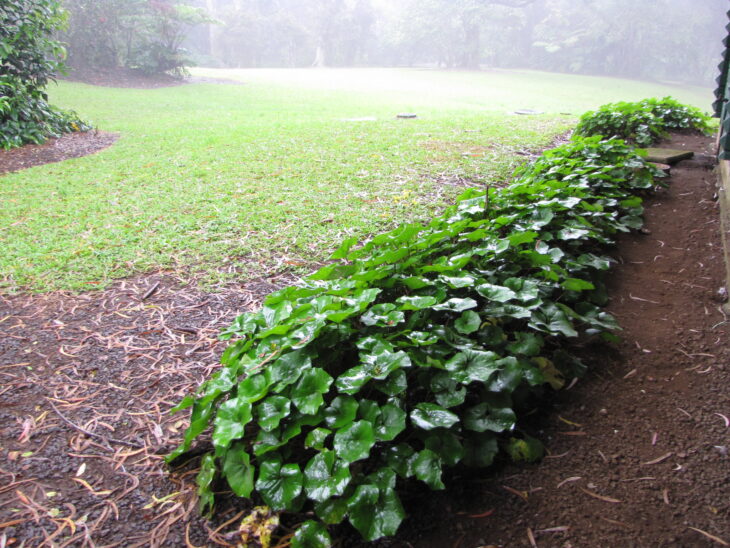
Use Leopard Plant in shady borders, woodland gardens and containers where foliage impact matters more than showy flowers. It makes an effective groundcover under trees or along shaded paths but dislikes hot afternoon sun which causes leaf scorch, and it needs reliably moist soil to keep leaves healthy.
Planting time and spacing
Divide and plant new clumps in spring or after flowering for the most reliable establishment. Space plants to match their mature spread, generally about 12 to 36 inches apart depending on cultivar and desired density, allowing room for clumps to fill in over a few seasons.
Soil and watering
Leopard Plant prefers rich, humus-rich soil that stays consistently moist yet drains well and tends toward neutral to slightly acidic conditions. If the soil dries out leaves will wilt and develop browned edges; conversely poor drainage and standing water can lead to root problems.
After-flowering care and controlling spread
After bloom, remove spent flower stalks and refresh the clump by dividing older plants to control size and vigor. Division refreshes flowering and helps manage spread because mature clumps and vigorous cultivars can widen beyond their initial planting space.
Containers and winter notes
Leopard Plant adapts well to containers when given rich, moisture-retentive mix and regular watering. In cooler climates provide winter protection or move containers to a sheltered spot since plants are more evergreen in milder areas and can die back in colder conditions.
Frequently asked questions
- How fast does Leopard Plant grow?
- It grows at a moderate rate, forming clumps that expand over several seasons rather than quickly taking over in a single year.
- What light does Leopard Plant need?
- Part shade to full shade. Dappled morning sun is tolerated but hot afternoon sun often scorches leaves, especially on variegated cultivars.
- Which USDA zones suit Leopard Plant?
- Generally grown in USDA zones about 7 to 10, with plants staying more evergreen in warmer zones and dying back more in colder locations.
- How is Leopard Plant propagated?
- Division of clumps in spring or after flowering is most reliable. Seed and basal cuttings are also used for propagation but division is fastest for established plants.
- When does Leopard Plant bloom?
- Bloom occurs in late summer into autumn, roughly August to October in the northern hemisphere, with timing varying by local climate and cultivar.
Gallery
Related Plants
