
Key Facts
- Small to medium ornamental tree prized for showy bracts in late spring.
- Native to East Asia including Korea, Japan, and China.
- Leaves turn attractive shades of red and purple in fall.
- Edible raspberry like fruits form in late summer on many plants.
- Prefers well drained soil and sun to part shade.
- Used as a landscape specimen and understory tree.
- Relatively resistant to dogwood anthracnose compared with flowering dogwood.
- Propagated by seed grafting cuttings and layering.
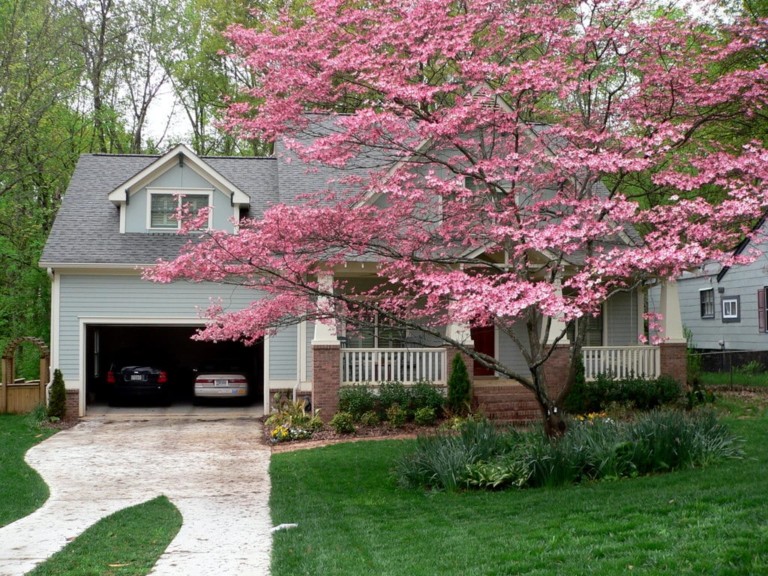
Kousa Dogwood Trees are small to medium ornamental trees prized for their late spring showy bracts and attractive red to purple fall color. They work well as a specimen or understory tree but need well drained soil and space to develop a broad canopy.
Identification
Look for white to pinkish showy bracts that appear in late spring to early summer and raspberry like fruits that form on many plants in late summer. Leaves turn shades of red and purple in fall. Mature plants commonly reach about 15 to 30 feet tall with a similar but sometimes narrower spread depending on cultivar and site.
Where to grow and landscape uses
Hardy in USDA zones 5 to 8, Kousa dogwood performs in full sun to part shade. Best flowering occurs with more sun while afternoon shade helps in hot inland climates. Use as a specimen tree, in small lawns, near patios, or as an understory under taller trees where soil drains well.
Soil light and drainage
Prefer moist, well drained fertile soil with a slightly acidic to neutral pH. They tolerate heavier soils if drainage is good. Persistent wet soil and poor drainage increase the risk of root decline and dieback.
Planting and spacing
Space trees to match their mature spread, typically 15 to 25 feet apart for single specimen planting or a small grove. Set the root flare at or just above soil level and backfill with native soil. Mulch conservatively to conserve moisture but keep mulch away from the trunk.
Watering and establishment
Keep young trees evenly moist while roots establish. Avoid waterlogged conditions because standing wet soil contributes to root decline. Once established plants handle moderate dry periods better but will flower best with consistent moisture.
After flowering care and pruning
Prune dead or crossing branches after flowering to preserve next season’s blooms. Many cultivars remain smaller naturally and light formative pruning controls size. Avoid heavy pruning late in the season which can reduce bloom the following year.
Pests and diseases
Kousa dogwood is relatively resistant to dogwood anthracnose compared with flowering dogwood but watch for general stress symptoms if drainage or site conditions are poor. Good siting and proper watering reduce most decline problems.
Fruit and safety
Raspberry like fruits on many trees are described as edible but palatability varies by cultivar and source. Fruits eaten in quantity can cause stomach upset for some people. Cornus species are generally listed as non toxic to dogs and cats but confirm for your pets before permitting ingestion.
Propagation
Propagate by seed, grafting, softwood or semi hardwood cuttings, and layering. Named cultivars are usually grafted to preserve specific traits because seed does not grow true to cultivar.
Frequently asked questions
- How fast does Kousa Dogwood Trees grow?
- Growth is moderate and varies with cultivar and site. Many plants reach the typical mature range of 15 to 30 feet over several years with rate influenced by soil, water and pruning.
- When do Kousa dogwoods bloom?
- They bloom in late spring to early summer, roughly May to June in the Northern Hemisphere, but timing shifts with local climate.
- Are the fruits edible?
- Fruits are described as edible and raspberry like, but taste varies and eating large amounts can cause stomach upset for some people.
- What soil do Kousa dogwoods prefer?
- Moist fertile, well drained soil with slightly acidic to neutral pH. They tolerate clay if drainage is adequate.
- When should I prune Kousa dogwood?
- Perform light pruning after flowering to remove dead wood and to shape the tree while preserving next season’s blooms.
Related Plants


Mentioned In (5)

Plants
11 Plants That Look Like Raspberries (and How to Tell Them Apart)
The plants most often mistaken for raspberries are close relatives: blackberries, wineberries, thimbleberries, salmonberries, cloudberries and loganberries are all in…
Trees
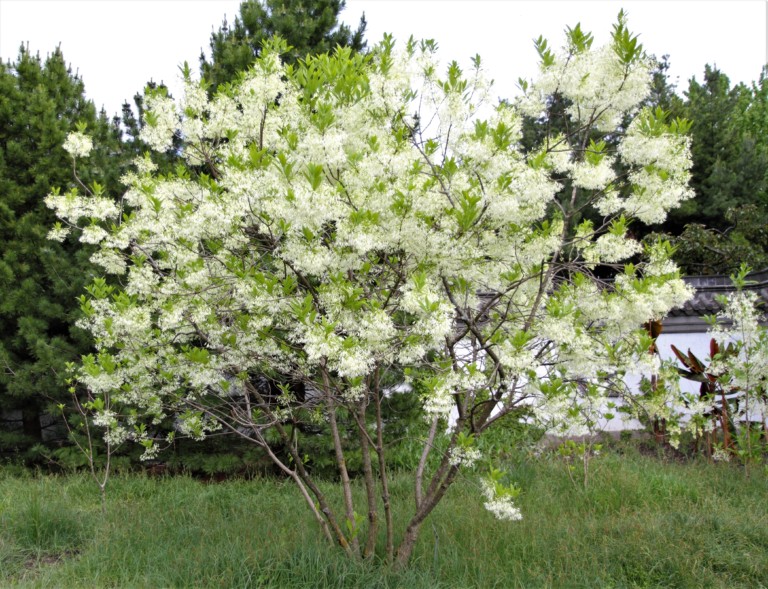
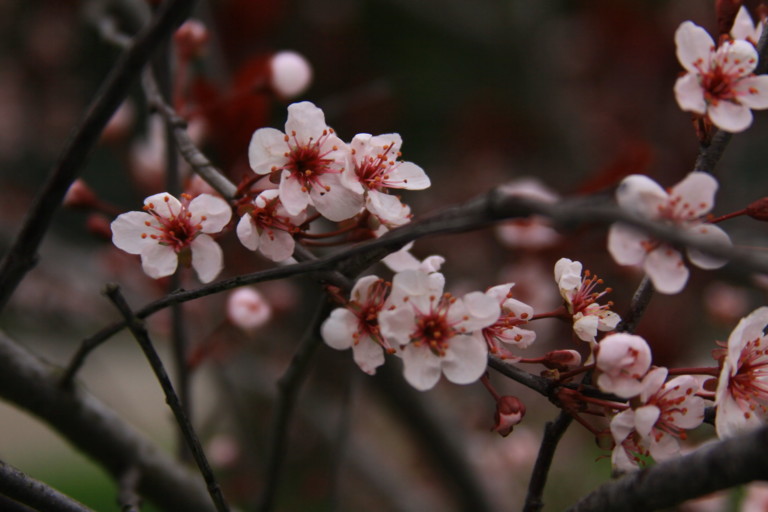
Spring Flowering Trees by Color: Pink, White, Purple & Yellow
Spring-flowering trees give a yard its biggest show of the year. This guide sorts the best of them by flower…
Trees
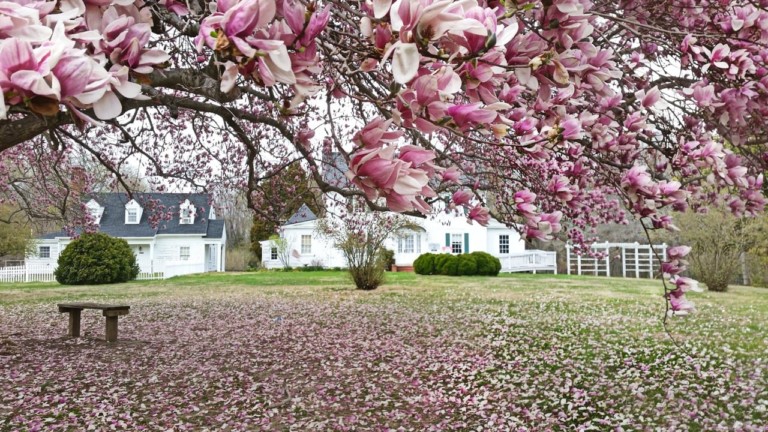
33 Flowering Trees for Virginia Gardens
Virginia's best flowering trees are mostly its own natives: flowering dogwood, which is both the state tree and the state…
Trees
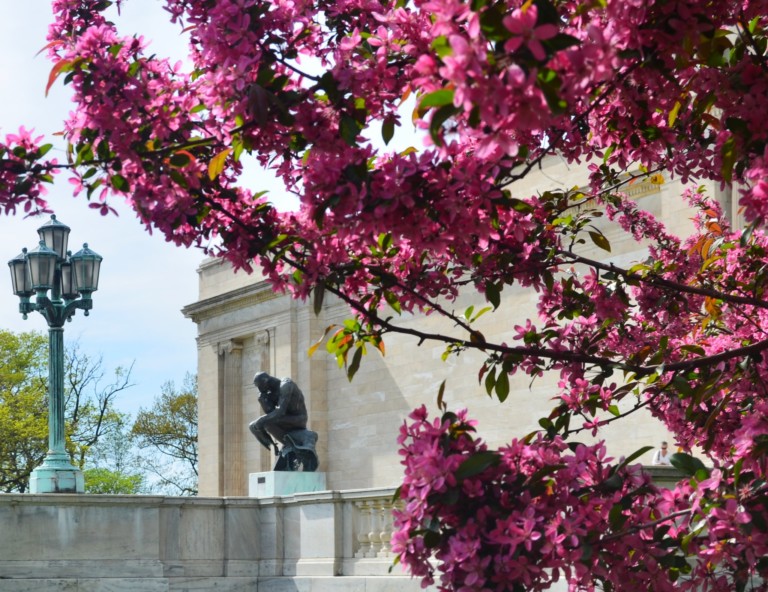
20 Flowering Trees for Ohio, by Color
Some of the best flowering trees for Ohio are native: eastern redbud, flowering dogwood, serviceberry, pagoda dogwood and fringe tree.…
Trees
Pros And Cons Of Dogwood Trees
Dogwoods (Cornus spp.) are super popular ornamental trees that are native to the US. Horticulturalists have selectively bred them for…