
Key Facts
- Genus of aromatic shrubs and subshrubs native to the Mediterranean region.
- Flowers are borne on spikes and are widely used dried and for essential oil.
- Prefers full sun and very well drained soil.
- Drought tolerant once established but susceptible to root rot in poor drainage.
- Many species and hybrids exist with variable hardiness and growth habit.
- Attracts bees and other pollinators when in bloom.
- Propagated easily by softwood cuttings and by seed for many types.
- Prized for fragrance and landscape use as borders and in containers.
Lavender (Lavandula spp.) is a genus of aromatic shrubs and subshrubs valued for fragrant flower spikes and essential oil. Most garden types prefer full sun and very well drained soil and are drought tolerant once established, though they decline quickly in heavy wet soils.
Identification
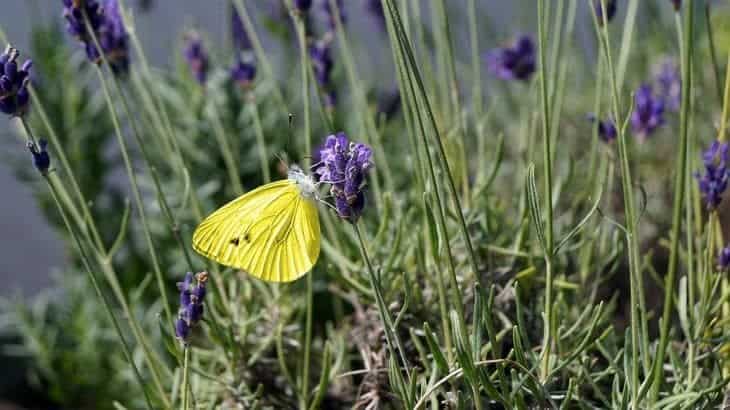
Lavenders are low to medium mounded shrubs with narrow aromatic leaves and flowers borne on upright spikes. Typical garden varieties range about 12 to 36 inches tall and commonly form clumps roughly the same width. Plants attract bees and other pollinators when in bloom and are widely used for dried flowers.
Best uses and where to grow
Use lavender as a low border, informal hedging, in gravel or Mediterranean-style gardens, and in containers where drainage is excellent. It is prized for fragrance and landscape texture but performs poorly in poorly drained sites. Choose species and cultivars to match climate and desired height or mound form.
Soil and light
Lavender needs full sun, about six or more hours daily, and very well drained sandy to loamy soil with neutral to mildly alkaline pH around 6.5 to 8.0. Poor drainage leads to root rot and winter losses. Amend heavy soils for better drainage or plant in raised beds or pots with fast-draining mix.
Planting and spacing
Plant when soil is workable and local conditions favor establishment, avoiding waterlogged conditions. Space plants according to mature habit, commonly about 12 to 36 inches apart depending on species and cultivar. Proper spacing improves air circulation and flowering and reduces the risk of decline from damp conditions.
Watering and drought management
Lavender is drought tolerant once established and prefers relatively dry conditions between waterings. During establishment water regularly but allow the soil to dry out between irrigations. Frequent watering or poorly drained soils cause root rot and plant decline, especially over winter when soil remains cold and wet.
After-flowering care and pruning
Remove spent flower spikes and prune lightly after the main bloom to maintain shape and encourage compact growth. Regular light pruning keeps plants from becoming woody and helps maintain mound form. Avoid cutting back severely into old, leafless wood on older plants as recovery can be slow or limited for some cultivars.
Propagation
Propagate lavender readily from softwood or semi-hardwood cuttings to preserve named cultivars. Seed, layering, and division work for some types but seed-grown plants may not breed true to cultivar. Cuttings give true-to-type plants suitable for repeatable landscape or container use.
Containers and winter care
Lavender grows well in containers when given a free-draining potting mix and full sun. Containers help in heavy soils or climates with poor drainage but may need winter protection where species are less cold tolerant. Hardiness varies by species and cultivar; many garden lavenders are broadly listed for USDA zones 5 to 9.
Spread and maintenance
Lavenders commonly form clumps that can occupy about 12 to 36 inches across; spacing and pruning control spread and maintain tidy beds. They are not typically aggressive spreaders but will naturalize in suitable dry, sunny sites. Divide or replace crowded clumps to renew vigor where needed.
Frequently asked questions
- How fast does Lavender grow?
- Growth rate varies by species, cultivar and growing conditions. Many garden lavenders reach about 12 to 36 inches tall and a similar spread at maturity, with establishment and full size developing over multiple seasons.
- Is Lavender winter hardy?
- Hardiness varies by species and cultivar. Many common garden types are generally listed for USDA zones 5 to 9, but some hybrids and species need winter protection in cooler areas.
- How often should I water Lavender?
- Water regularly during establishment then sparingly. Allow soil to dry between waterings. Persistent wet soil or overwatering leads to root rot and decline.
- Are Lavender plants toxic to pets?
- Authoritative sources differ. The ASPCA lists Lavandula species as non toxic to dogs and cats, while pet poison centers warn concentrated essential oils can cause clinical signs. Use caution with oils and large ingestions and contact poison control for exposures.
- How is Lavender propagated?
- Common methods include softwood or semi-hardwood cuttings, seed, layering and division for some forms. Use cuttings to preserve named cultivars; seed may not be true to type.
- Can Lavender be grown in containers?
- Yes. Use a very well-draining potting mix and provide full sun. Containers are useful where garden soil drains poorly or when plants need winter shelter in colder climates.
Gallery


Related Plants


Mentioned In (6)

Gardens
25 Cottage Herb Garden Ideas
A cottage herb garden should feel useful before it feels decorative. You want rosemary for potatoes, mint for tea, basil…
Gardens
25 Cottage-Style Gravel Garden Ideas
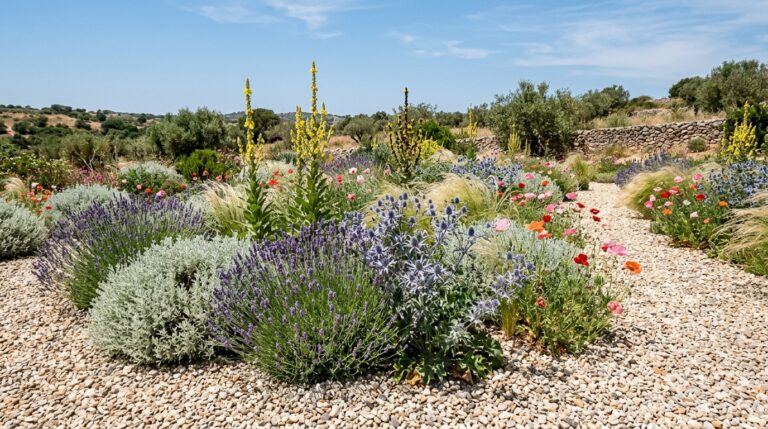
Gravel and cottage gardens might seem like opposites, yet they belong together. A gravel mulch keeps roots cool, suppresses weeds,…

Plants
9 Plants That Look Like Thyme
Thyme has been used as a flavor for food and burned as incense in temples. It has been and still…

Plants
8 Plants That Look Like Lamb’s ear
Lamb’s ear (Stachys byzantine) is a unique plant with velvety leaves that hang downwards to form "lamb’s ears". Lamb’s ear…

Plants
Top 12 Insect Repelling Plants
Want to enjoy your patio without the constant buzz and bite of mosquitoes? While no plant alone will eliminate these…

Plants
Top 10 Plants to Attract Butterflies
Creating a butterfly-friendly garden starts with choosing the right plants. Butterflies need two kinds of plants: nectar sources for adult…