
Key Facts
- Herbaceous perennial often evergreen to semi evergreen.
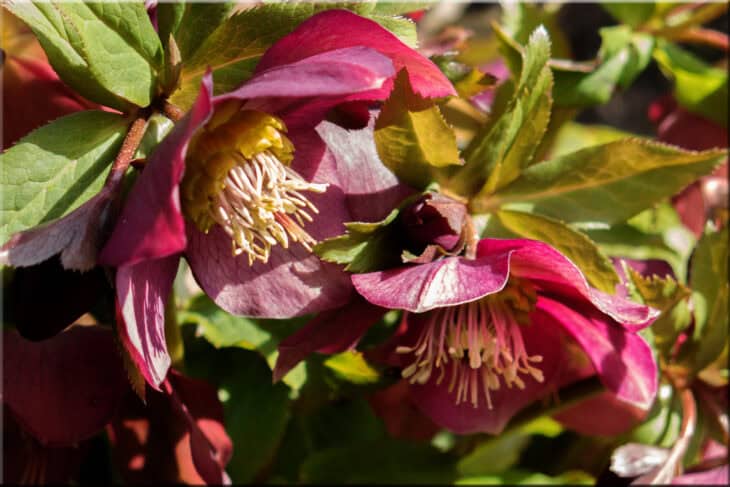
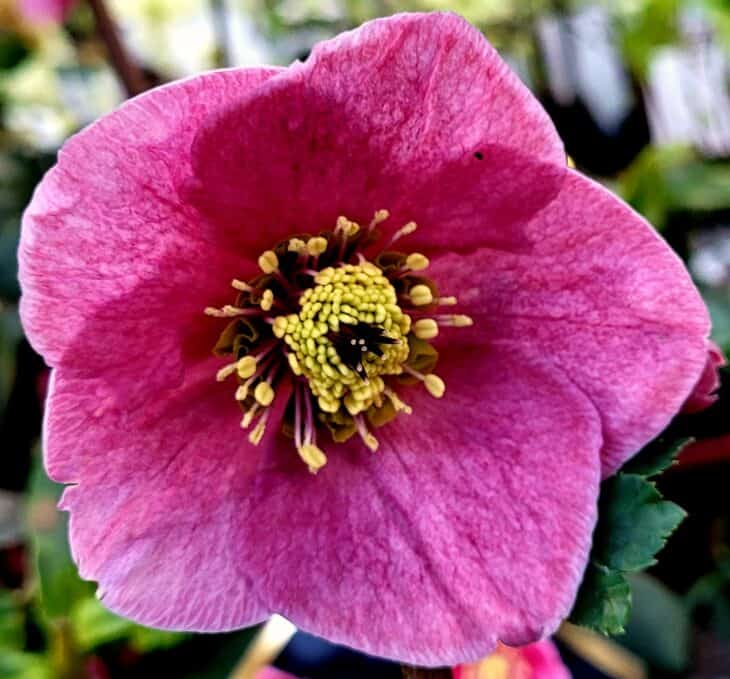
- Blooms in late winter to early spring.
- Prefers humus rich, well drained soil.
- Performs best in part shade to morning sun.
- All plant parts are considered poisonous.
- Commonly propagated by division or by seed.
- Valued for winter interest and early season flowers.
- Tolerates a range of soils but suffers in waterlogged ground.
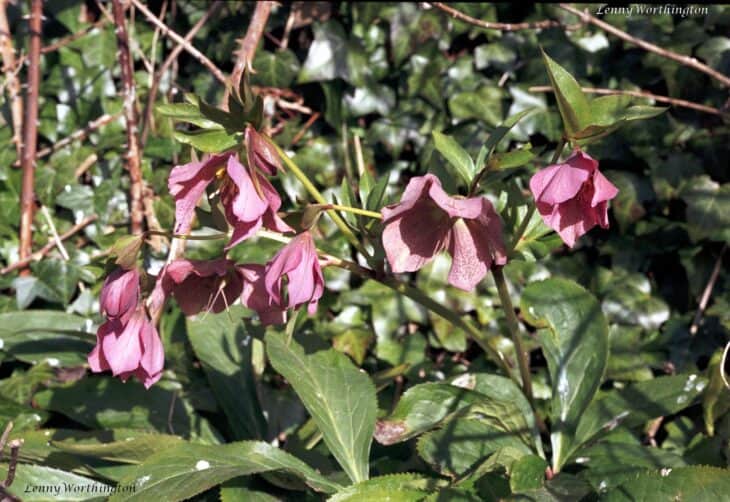
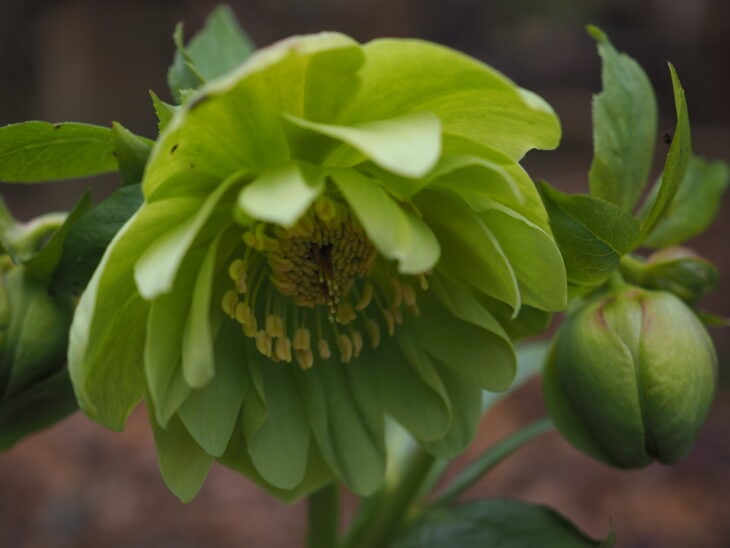
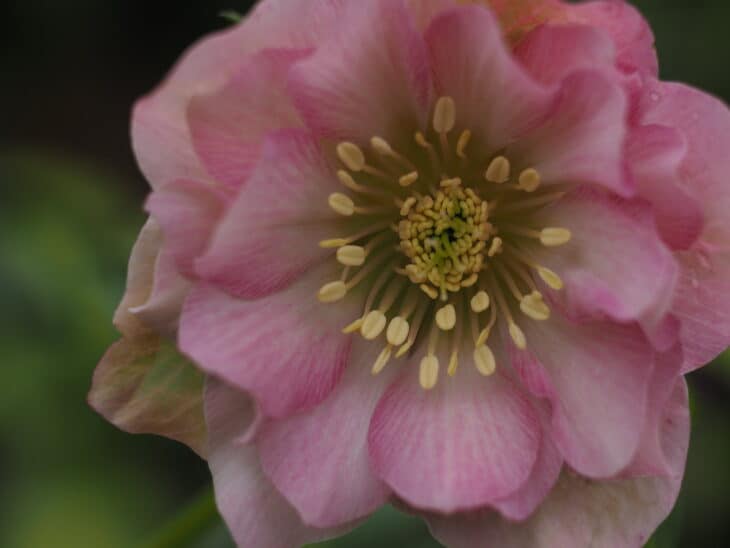
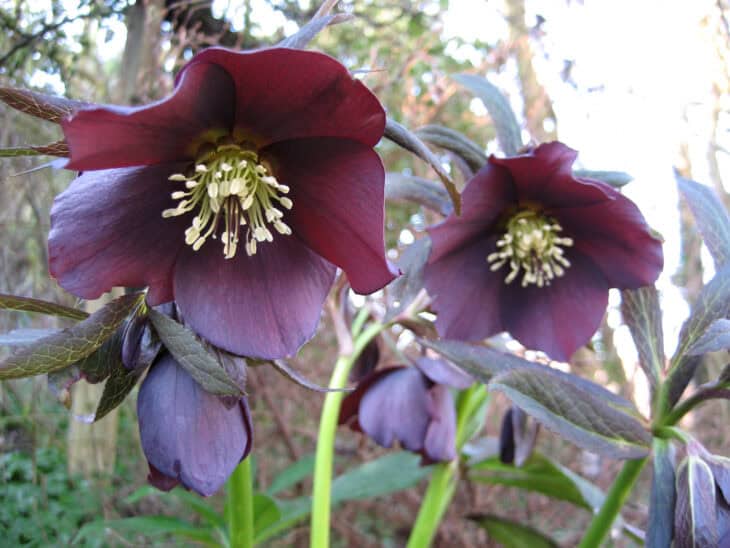
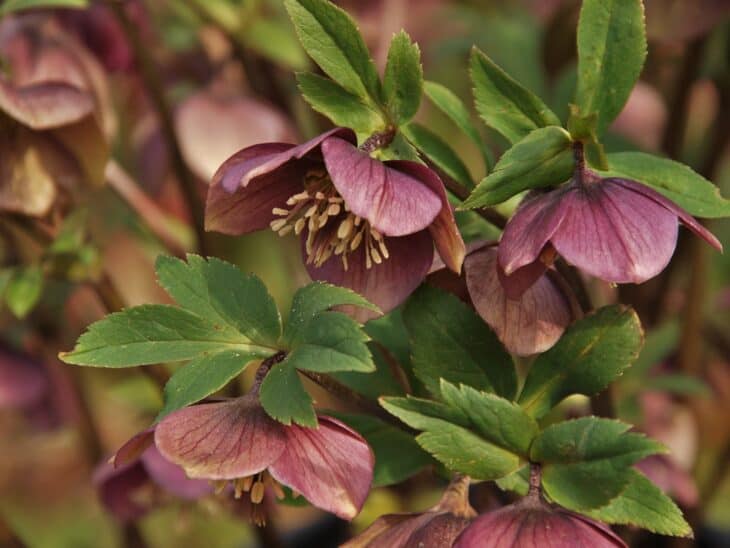
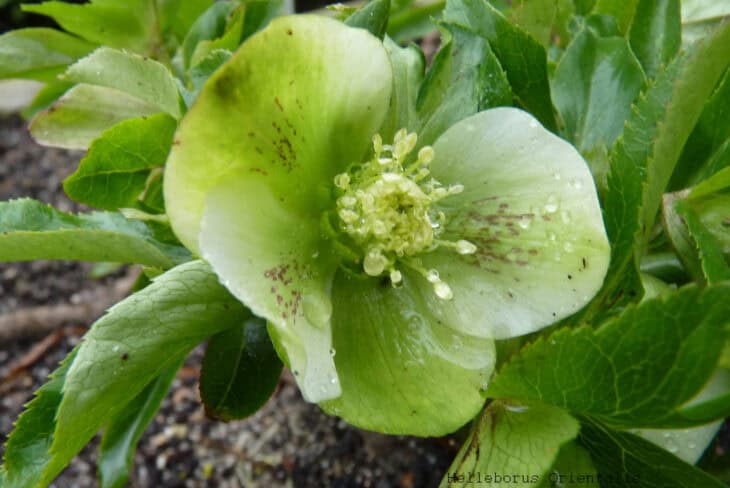
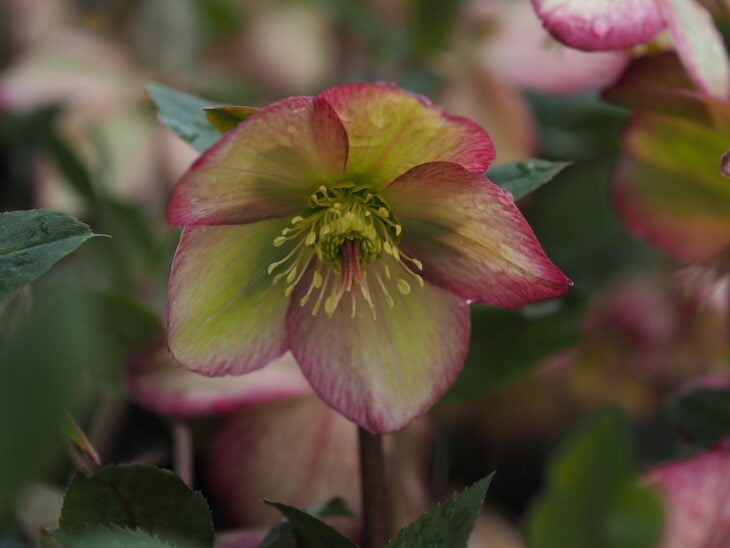
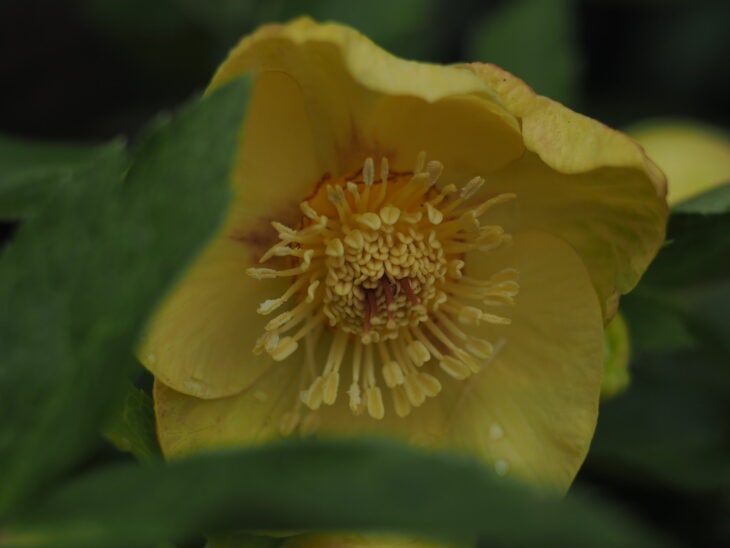
Lenten Rose is valued by gardeners for its late winter and early spring flowers and evergreen to semi evergreen foliage. Home gardeners choose it for shaded borders and winter interest while balancing concerns about its toxicity and slow clump expansion.
Identification
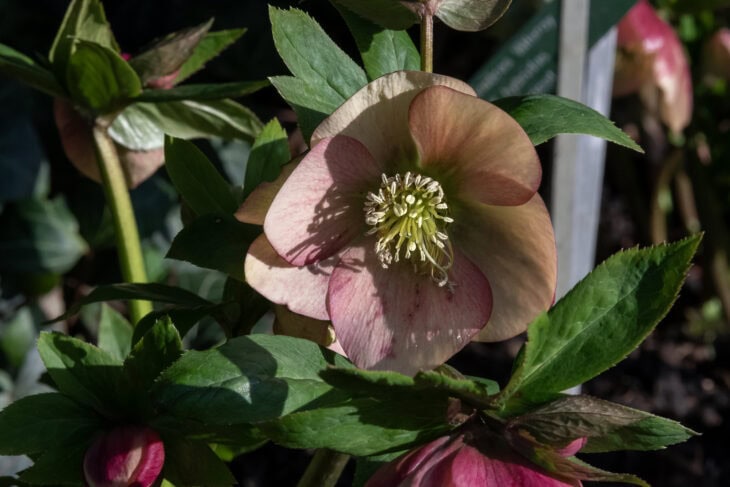
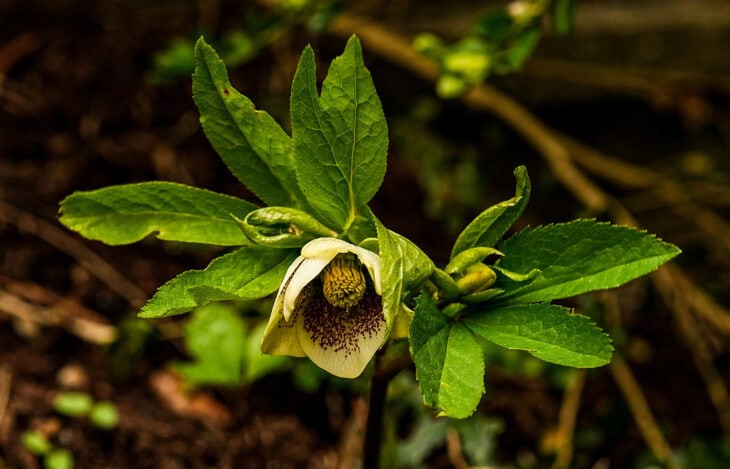
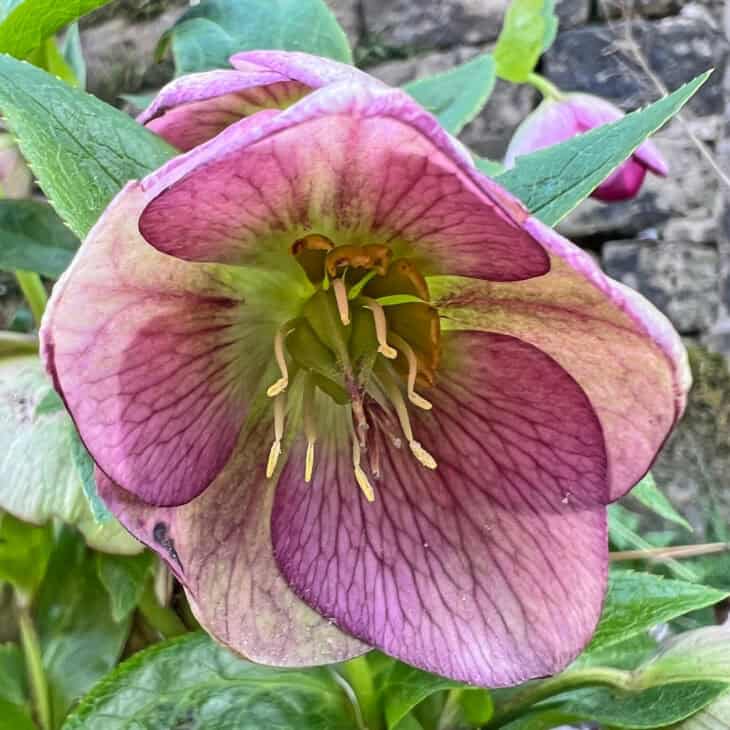
Helleborus orientalis is a herbaceous perennial often evergreen to semi evergreen. Typical height is about 12 to 18 inches 30 to 45 cm and clumps commonly spread about 18 to 24 inches 45 to 60 cm across. Flowers appear in late winter to early spring and timing varies by local climate.
Where to grow and best uses
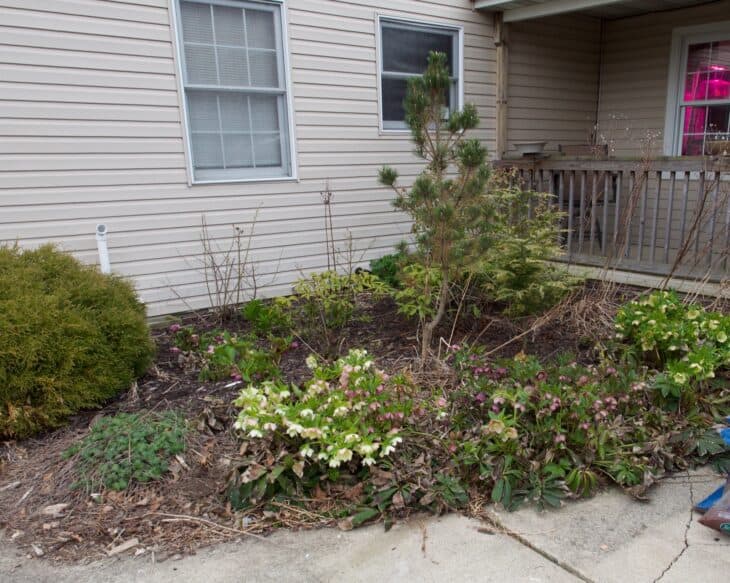
Hardy in USDA zones 4 to 9 with best performance in cooler parts of that range. It performs best in part shade or morning sun and tolerates more sun in cooler climates. Use it in shaded garden borders woodland beds or as a low clumping accent where early season blooms are desired.
Planting time and spacing
Plant or divide in spring or autumn depending on local conditions. Space new plants about the mature spread apart which is generally 18 to 24 inches 45 to 60 cm. Exact planting dates depend on your climate and soil temperature.
Soil light and watering
Choose humus rich well drained soil. Neutral to slightly alkaline soils are acceptable and slightly acidic soils are tolerated. Avoid waterlogged ground because prolonged wet conditions increase the risk of crown and root rot.
After flowering and maintenance
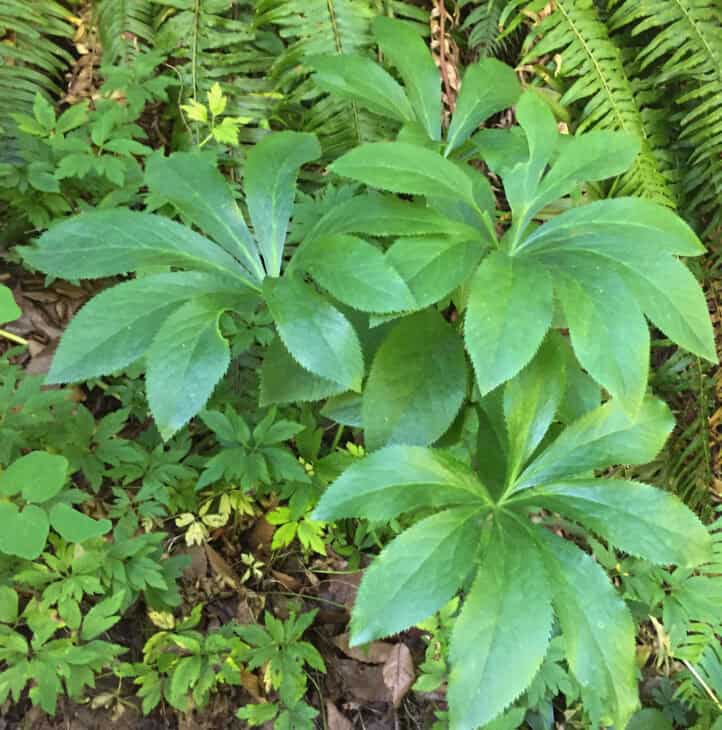
Flowers and evergreen foliage provide winter and early spring interest. Clumps expand slowly and can be rejuvenated by dividing every few years. Removing old or damaged leaves improves appearance and division helps renew flowering.
Propagation and controlling spread
Common methods are division of mature clumps in spring or autumn and sowing fresh seed. Divisions should be large enough to flower the following season. Clumps expand slowly so regular division is the main control if you want to limit spread.
Toxicity and safety
All plant parts are considered poisonous to people and pets. Sap may cause skin irritation. Ingestion can cause gastrointestinal and cardiac symptoms. Wear gloves when handling and keep plants away from children and pets. For medical concerns consult poison control or a veterinarian.
Frequently asked questions
- How fast does Lenten Rose grow?
- Clumps expand slowly over several years. Final size varies by cultivar and growing conditions.
- When does Lenten Rose bloom?
- It blooms in late winter to early spring and in many temperate northern locations this is around February to April. Exact timing depends on local climate and winter severity.
- Is Lenten Rose better indoors or outdoors?
- It is primarily an outdoor perennial that prefers part shade or morning sun. It is not commonly grown as a long term houseplant.
- Are Lenten Roses poisonous to pets?
- Yes all parts are considered toxic to dogs cats and horses. Contact a veterinarian or poison control for suspected ingestion.
- How do I propagate Lenten Rose?
- Propagate by dividing mature clumps in spring or autumn or by sowing fresh seed. Seedlings may not come true to named garden cultivars.
Notes
Hardiness and bloom timing vary by cultivar and climate so verify local performance with regional extension services or your botanic garden.
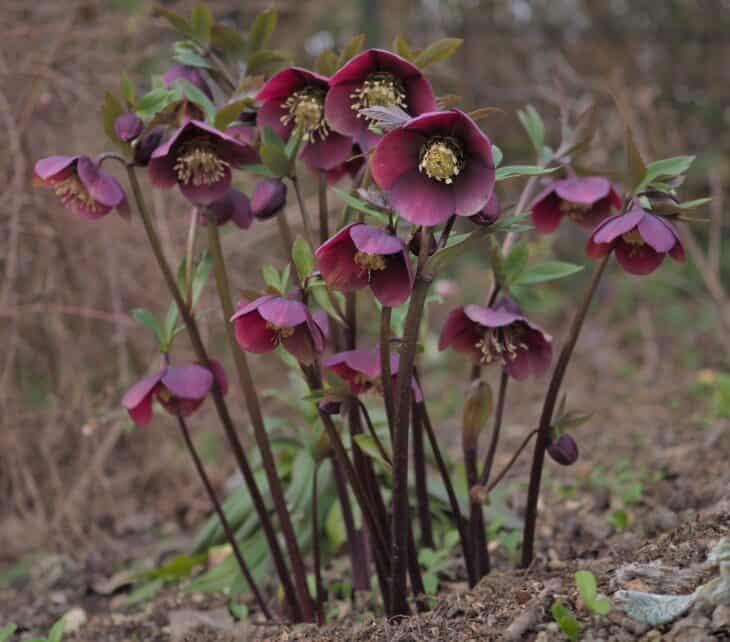
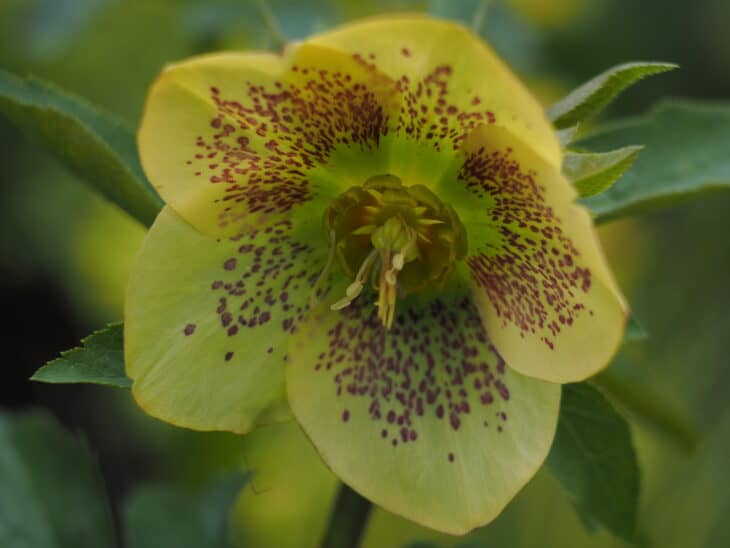
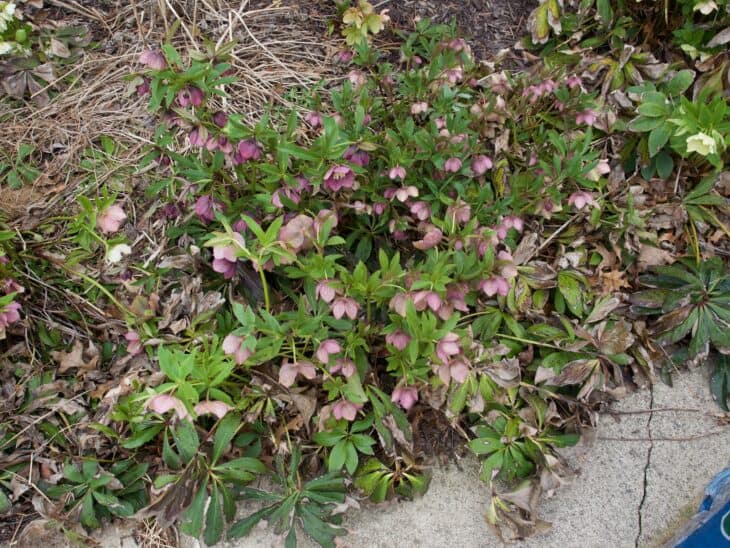
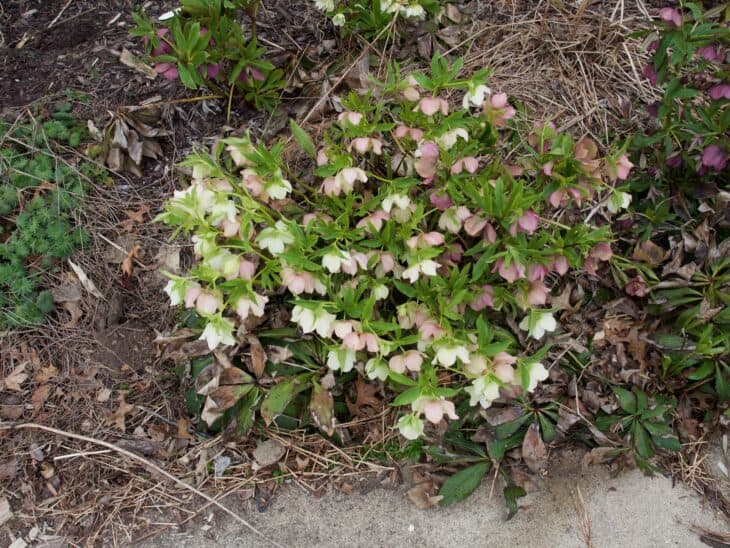
Gallery
Related Plants


