
Key Facts
- Native to the Caribbean region and the Florida Keys.
- Valued as a tropical hardwood for furniture and cabinetry.
- Evergreen to semi deciduous in drier seasons depending on climate.
- Used as an ornamental shade and street tree in warm climates.
- Prefers deep well drained soils and tolerates sandy coastal sites.
- Propagated mainly by seed with grafting used for selected varieties.
- Frost sensitive and not suitable for cold temperate climates.
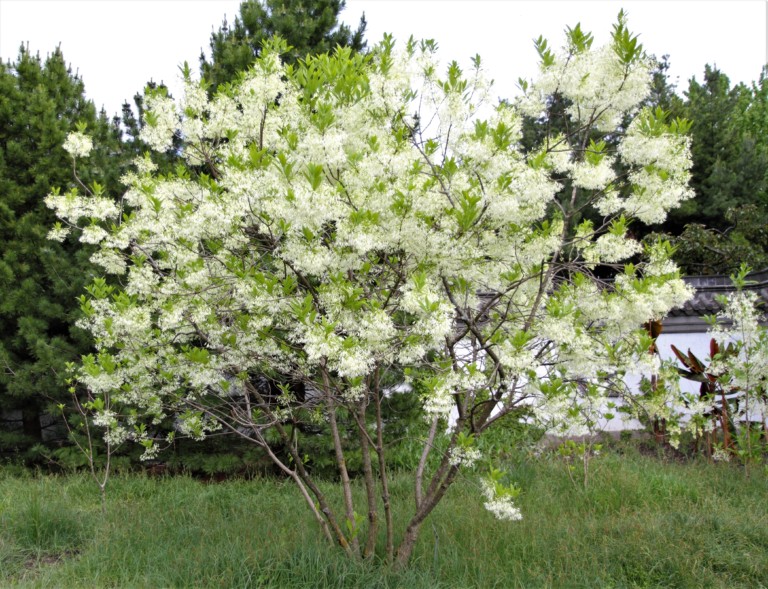
- Small cream to white flowers appear before or with new leaves.
Mahogany is a tropical hardwood tree grown for fine timber and as a large shade tree in warm coastal and subtropical landscapes. It performs best where frost is absent and deep well drained soils are available. Expect a broadly spreading canopy and small cream flowers that appear with new leaves.
Identification
Mahogany Swietenia mahagoni is an evergreen to semi deciduous tree native to the Caribbean and the Florida Keys. Leaves are pinnate and the tree produces small cream to white flowers before or with new leaf flush. Mature height commonly ranges from 30 to 60 feet with a canopy spread typically between 20 and 40 feet in favorable sites.
Best uses and where to grow Mahogany
Use mahogany as a specimen shade tree or a street tree in frost free coastal and tropical areas where its timber value is desirable. The species is suited to USDA zones 10 to 12 and prefers sunny sites. Frost sensitivity limits planting in colder temperate regions where leaf drop and dieback occur.
Planting and spacing
Choose a permanent planting spot that allows 20 to 40 feet of canopy spread to avoid crowding and root conflicts. Plant when the ground is warm and frost risk has passed in your area to reduce transplant shock. Dig a hole slightly wider than the root ball and set the crown level with the surrounding soil to encourage healthy root establishment.
Soil light and watering
Mahogany prefers deep well drained loam to sandy soils and tolerates coastal sand but will decline on poorly drained sites. Plant in full sun for best canopy development and timber quality since shaded trees become leggy. Keep newly planted trees evenly moist while they establish and avoid waterlogged conditions that lead to root loss and decline.
Blooming and after flowering care
Flowers typically appear in spring to summer in warm climates and timing varies by region. After flowering prune only to remove dead wood and to maintain structure once the tree is established. Schedule any shaping or crown work after local flowering so you do not remove developing blooms when you want seed or ornamental flowers.
Propagation and nursery tips
Propagation is primarily by seed with grafting used for selected clones since cuttings are generally difficult. Seed viability and germination vary with storage and climate so source fresh seed from reputable suppliers or nursery stock from specialist growers for best results. Grafted nursery trees preserve desirable traits for landscape use.
Pests disease and safety
Mahogany can suffer dieback in colder climates and will decline on waterlogged soils which increases pest and disease risk. There is no widely reported household ingestion toxicity but check local poison control for pets and children if concerned. Wood dust from milling can irritate skin and lungs so use personal protective equipment when working with timber.
Frequently asked questions
Short practical answers to common questions about growth rate planting zones propagation and safety. For region specific details confirm local hardiness and bloom timing with extension services or reputable regional sources.
- How fast does Mahogany grow?
- Growth rate is moderate to fast in warm tropical and subtropical climates and slower in cooler or poor soil conditions. Site fertility and moisture availability strongly influence annual growth.
- Is Mahogany suitable for small yards?
- Not usually. Mature height of 30 to 60 feet and a 20 to 40 foot canopy spread require ample space and long term planning to avoid conflicts with structures and underground services.
- What USDA zones are suitable for Mahogany?
- Mahogany performs best in USDA zones 10 to 12 in warm coastal and tropical areas where frost is minimal or absent.
- How is Mahogany propagated?
- Propagate mainly by seed. Grafting is used to propagate selected clones. Cuttings are generally difficult and not commonly used for this species.
- Is Mahogany safe for pets and children?
- No widely reported ingestion toxicity exists but local verification is recommended. Take care when milling wood since dust can cause skin and respiratory irritation.
Related Plants


Mentioned In (1)

Trees
31 Most Common Trees in Florida
Florida – the Sunshine State – is known for its beautiful sandy beaches and warm weather. Like several other U.S.…