
Key Facts
- Small to medium deciduous tree in temperate climates.
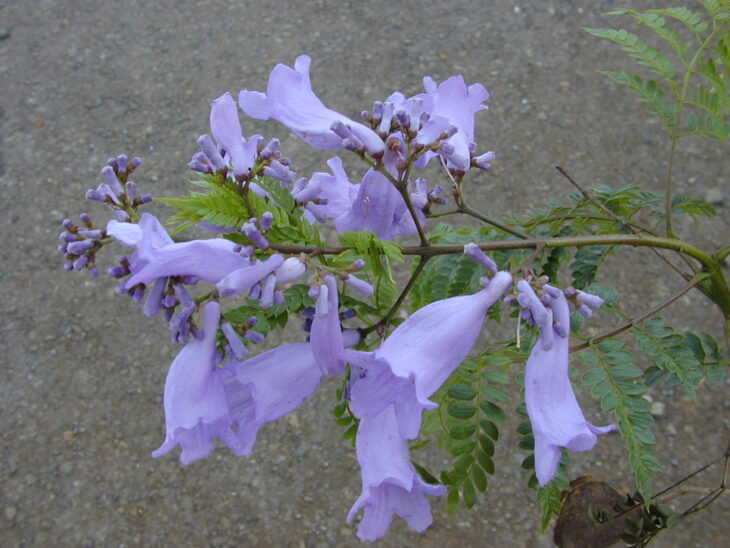
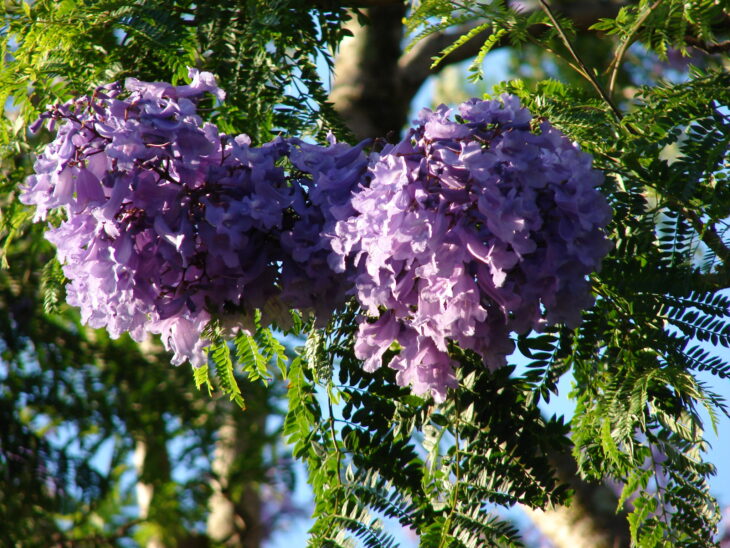
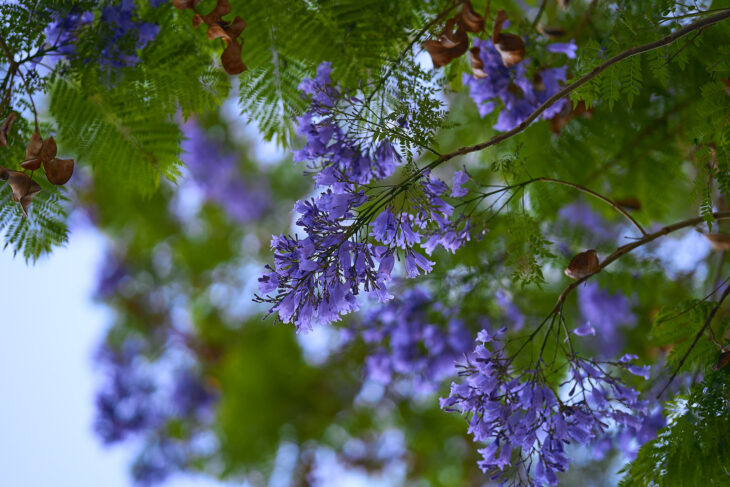
- Fern like bipinnate leaves create a lacy canopy.
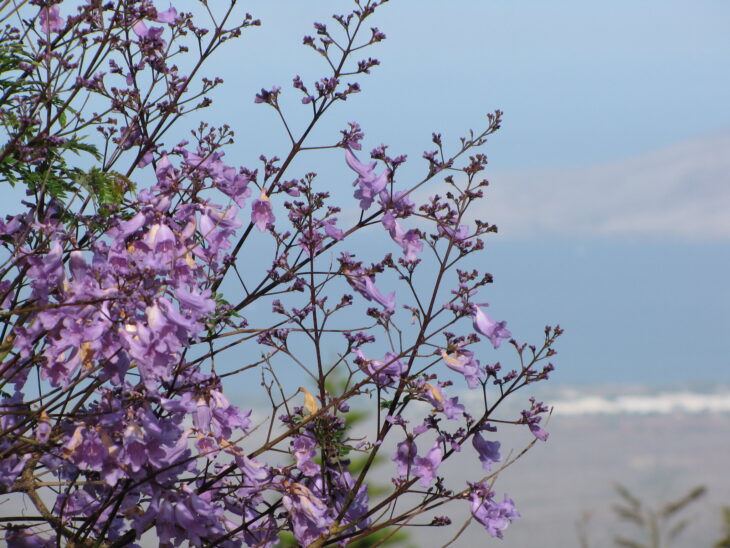
- Showy lavender to blue trumpet shaped flowers in spring.
- Fast growing in warm, frost free areas.
- Commonly used as a specimen or street tree.
- Prefers full sun and well drained soil.
- Tolerant of a range of soils but dislikes poor drainage.
Jacaranda (Jacaranda mimosifolia) is a small to medium ornamental tree prized for fern like, bipinnate foliage and clouds of lavender blue trumpet flowers in spring. It is often used as a specimen or street tree where winters are mild and drainage is good.
Identification
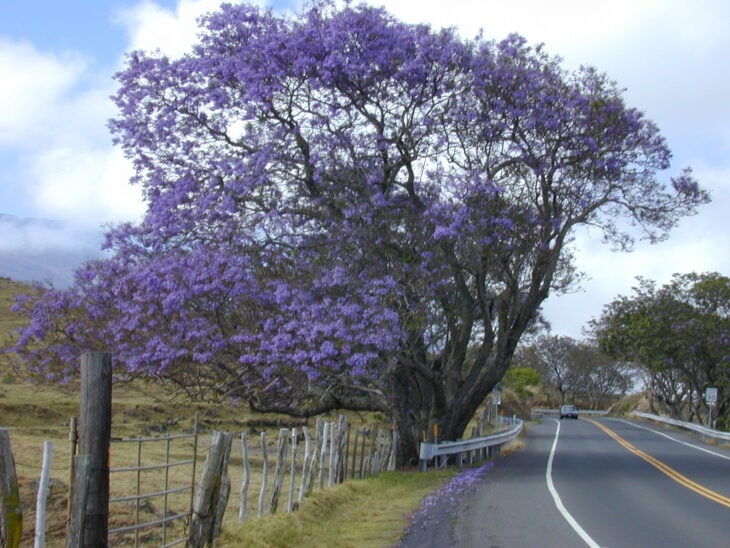
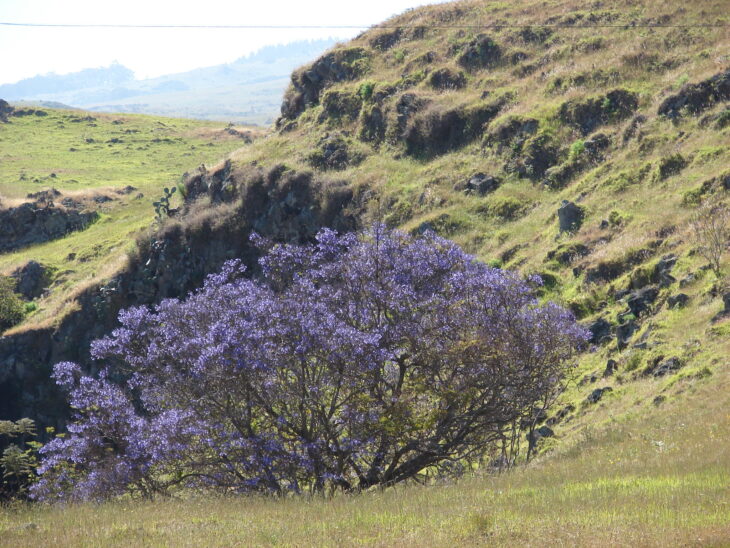
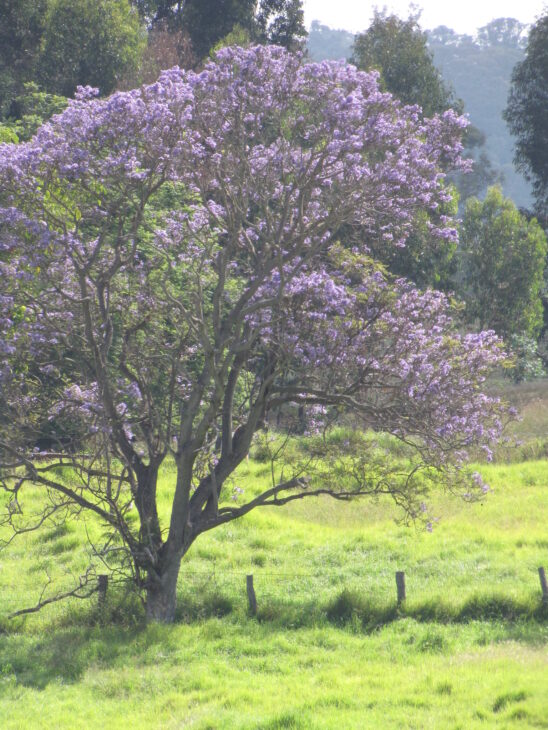
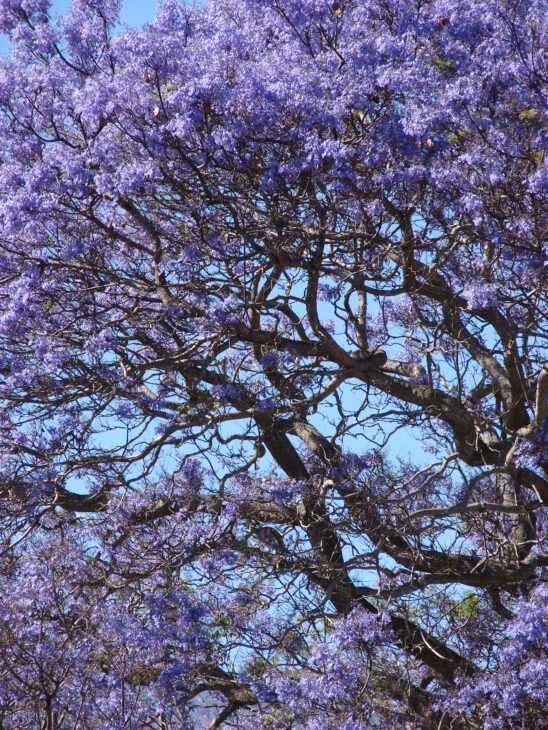
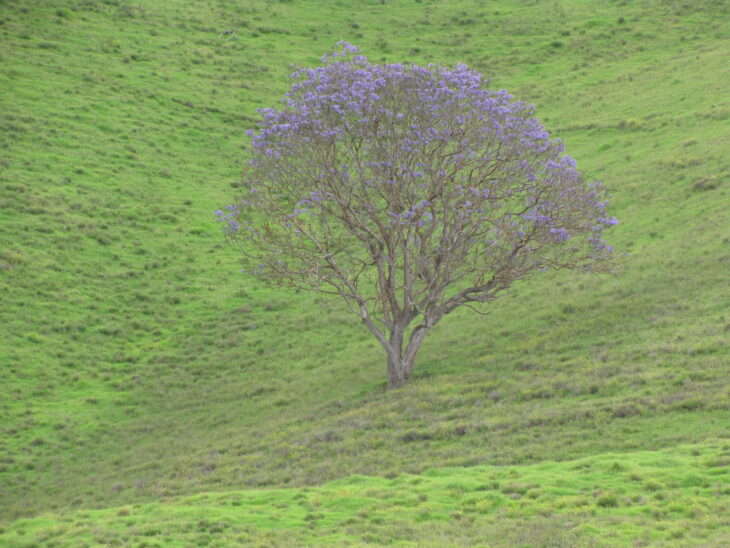
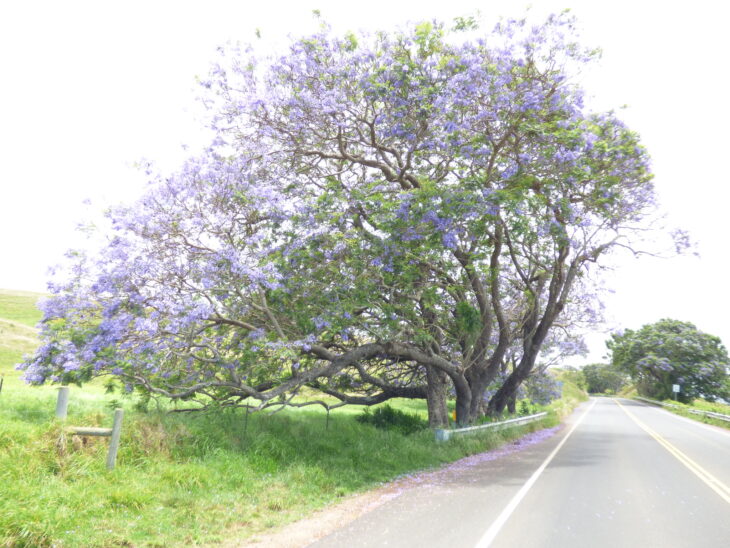
Look for a lacy canopy made of fern like, bipinnate leaves and clusters of lavender to blue trumpet shaped flowers in spring. Mature trees reach roughly 25 to 50 feet tall with a broad 20 to 40 foot canopy in favorable climates. Bark and habit vary with site and pruning history.
Best places to plant and common uses
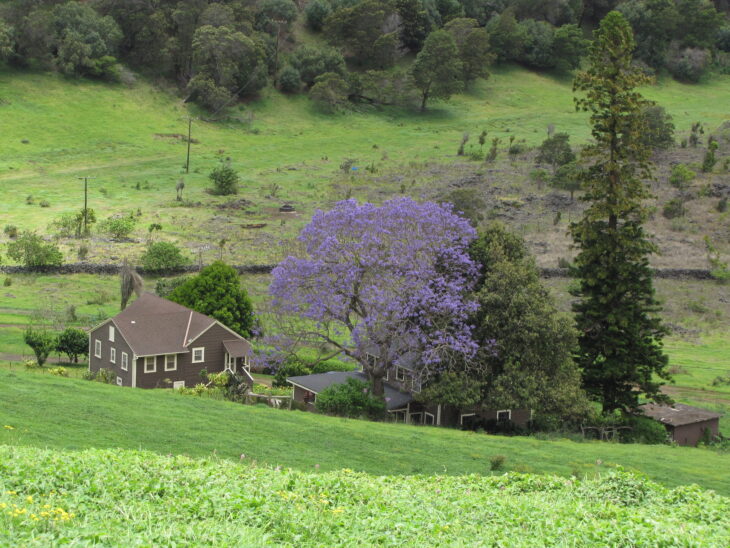
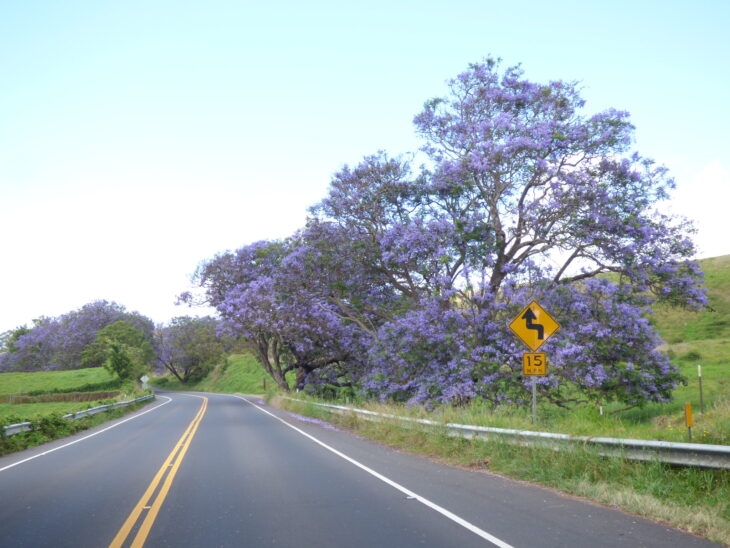
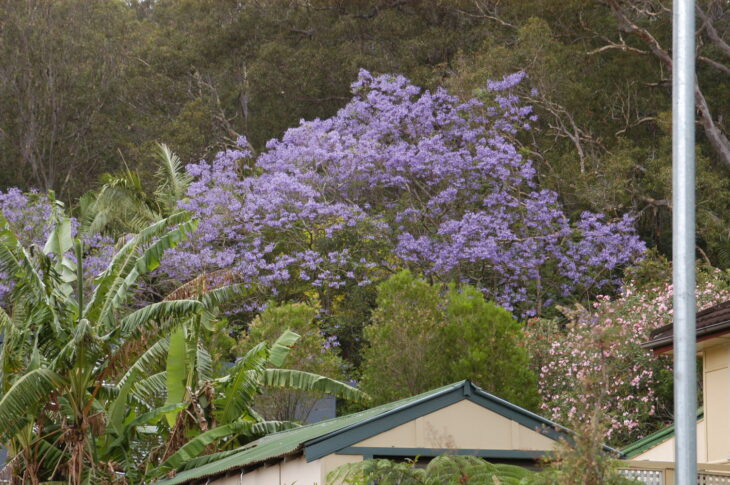
Plant Jacaranda where it can be a focal point in a lawn or along a wide street because of its showy spring bloom. It performs best in warm, mostly frost free climates and is commonly used as a specimen, avenue tree, or in large Mediterranean style gardens where its spread is welcome.
When to plant and spacing
Plant in spring after threat of hard frost has passed to give young trees a full growing season to establish. Allow plenty of room for the mature canopy by spacing trees at least the lower end of their typical spread apart. Expect pruning will be needed to keep size in check near structures.
Soil light and watering
Jacaranda prefers full sun for best flowering and tolerates light afternoon shade. Choose well drained sandy loam to loam soils because poor drainage leads to root rot and decline. Water regularly while establishing and reduce irrigation once roots are established to avoid waterlogged soil and poor growth.
After flowering care and size control
Remove spent flower clusters and thin crowded branches to maintain structure and reduce limb weight. Prune lightly to control spread and lower scaffold limbs if street clearance is needed. Regular pruning influences mature shape and can limit the 20 to 40 foot canopy where space is restricted.
Propagation
Propagate by seed for vigorous nursery stock or use semi hardwood cuttings and air layering to preserve specific traits. Grafting is commonly used for named cultivars to keep desired characteristics. Seedlings can vary from the parent so use vegetative methods for cultivar fidelity.
Frequently asked questions
Short answers to common questions about growth rate, size, climate and practical use are below. For safety concerns consult local authorities because published toxicity information is limited and varies by region.
- How fast does Jacaranda grow?
- In warm, frost free areas Jacaranda is fast growing and establishes quickly. Growth slows in cooler climates or where winters cause dieback.
- How large does Jacaranda get?
- Mature height commonly ranges from about 25 to 50 feet with a 20 to 40 foot canopy in favorable conditions. Actual size depends on site, care and pruning.
- What USDA zones are suitable for Jacaranda?
- Jacaranda prefers USDA zones 9b to 11 where winters are mostly frost free or experience only mild frost.
- When does Jacaranda bloom?
- Blooming occurs in spring to early summer. Exact months vary by hemisphere and local climate and depend on timing of the spring growth flush.
- Can Jacaranda be used as a street or specimen tree?
- Yes it is commonly used as a specimen or street tree because of its showy flowers and lacy canopy. Give it room for its wide spreading habit and avoid poorly drained sites.
- Is Jacaranda safe for pets and children?
- Authoritative toxicity data are limited. Check local poison control or ASPCA resources before assuming the tree is safe for pets and children.
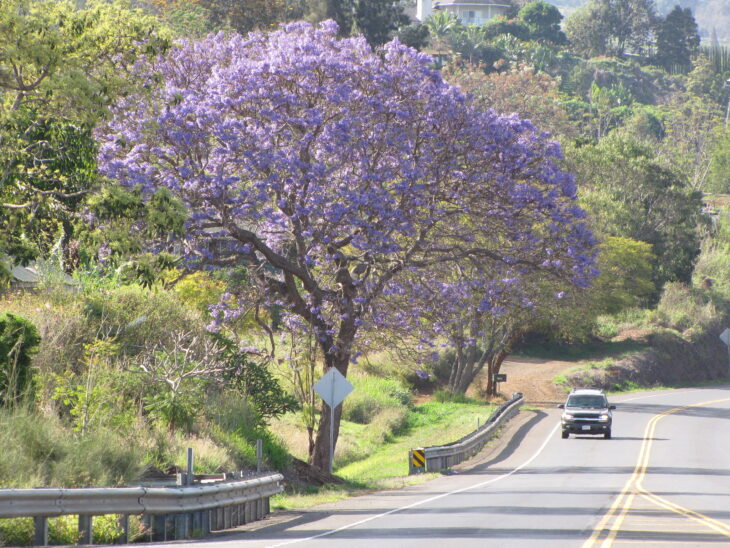
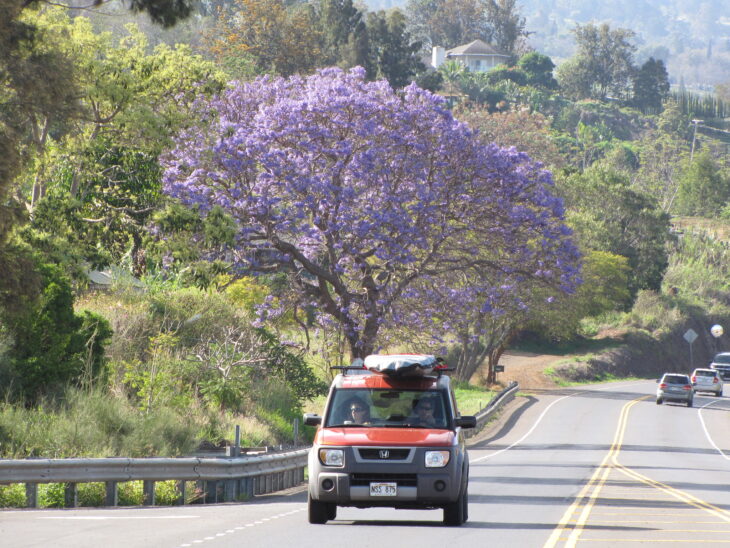
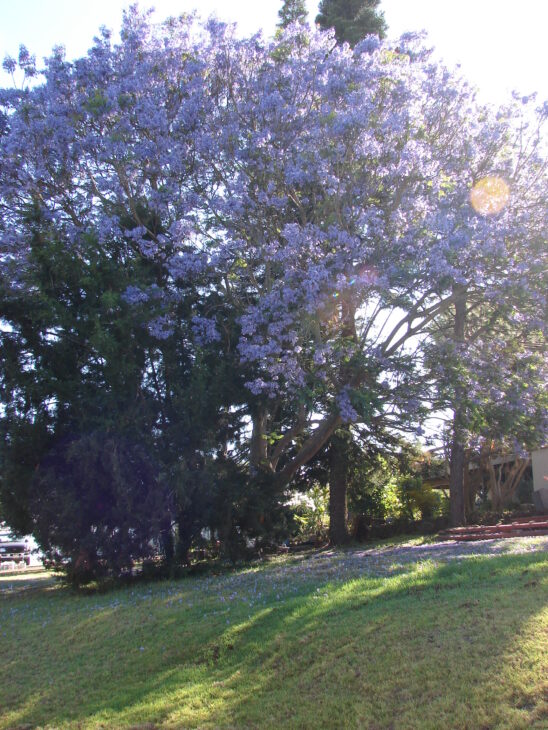
Gallery

Related Plants


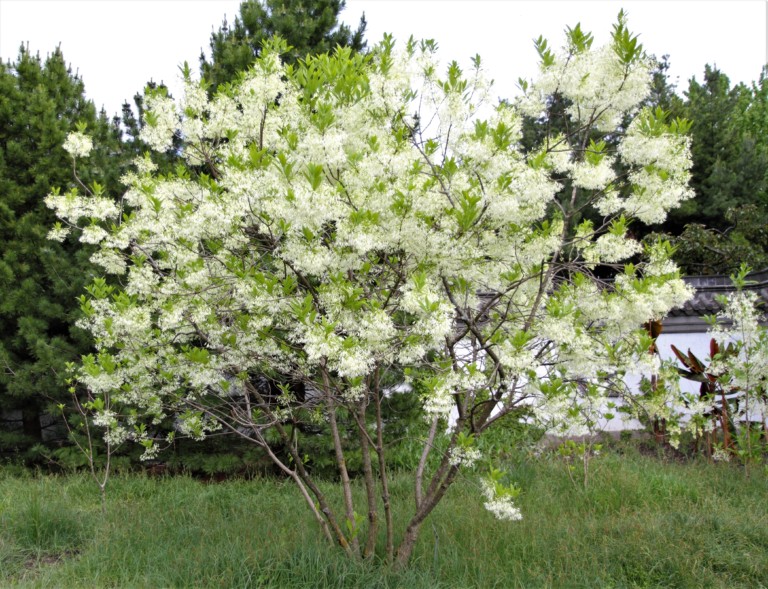
Mentioned In (5)
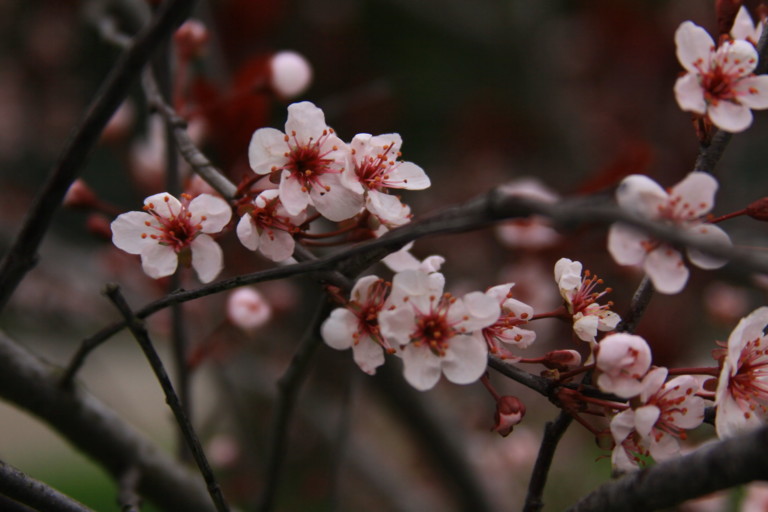
Trees
Spring Flowering Trees by Color: Pink, White, Purple & Yellow
Spring-flowering trees give a yard its biggest show of the year. This guide sorts the best of them by flower…

Trees
Trees of Los Angeles: 34 Common Street, Yard and Native Trees
The most common trees in Los Angeles are street and yard trees from other warm-climate countries: jacaranda, coral tree, Indian…
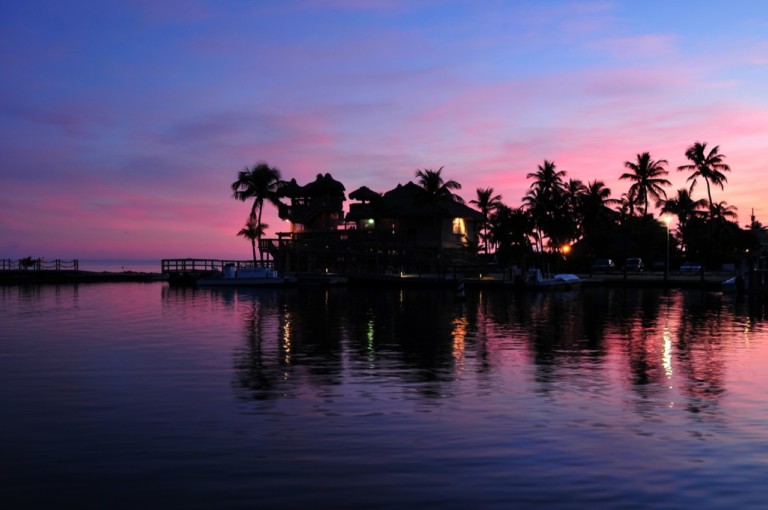
Trees
Trees of Florida: Native Trees & Flowering Trees
Florida spans a surprising range of climates. The Panhandle and North Florida (USDA zones 8 and 9) have frost most…
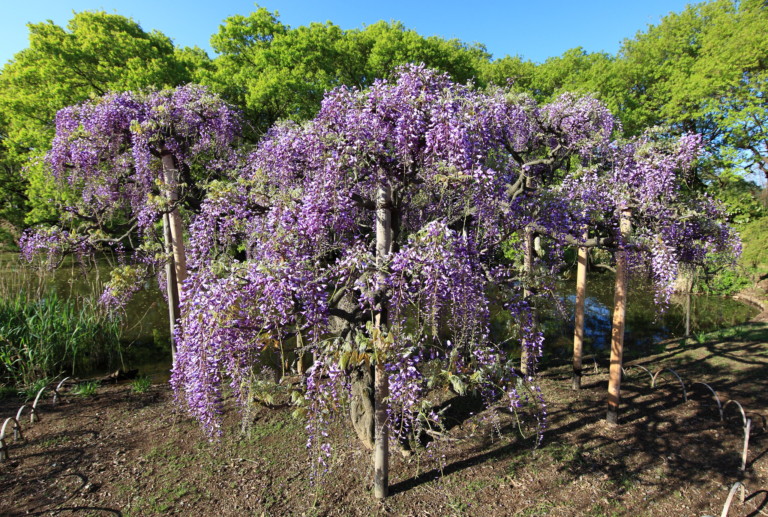
Trees
10 Trees Similar to Wisteria, for Warm and Cold Climates
The tree that looks most like wisteria is the jacaranda, with clouds of lavender-blue flowers in late spring, but it…

Plants
17 Plants That Look Like Ferns (But Aren’t)
Many plants have finely divided, feathery leaves that look like fern fronds but are not ferns. In the garden, the…