
Key Facts
- Ornamental deciduous shrub or small tree prized for summer flowers.
- Flower colors include pink white red and purple depending on cultivar.
- Smooth exfoliating bark adds winter interest.
- Performs best in full sun for abundant blooms.
- Prefers well drained soil and tolerates a range of soil types.
- Responds well to pruning and is commonly trained as a multi trunk tree or shrub.
- Can be affected by powdery mildew aphids and scale insects.
- Hardiness and mature size vary substantially by cultivar.
Crape Myrtle is a deciduous ornamental shrub or small tree grown for long summer flowers and smooth exfoliating bark that adds winter interest. It performs best in full sun and well drained soil and is available in a wide range of cultivars from dwarf forms to multitrunk specimens.
Identification
Crape Myrtle features clusters of crinkled flowers in colors that include pink white red and purple depending on cultivar and a smooth exfoliating bark that becomes an attractive winter feature. Plants are deciduous and typically bloom from mid summer into early fall in many regions though exact timing varies by climate and cultivar.
Where to grow and best uses
Grow Crape Myrtle in full sun for the best flowering and choose well drained soil to avoid root decline. Typical landscape uses include street trees multitrunk focal specimens hedges or specimen shrubs. Many garden varieties are suited to USDA zones 69 though cold tolerance and mature size vary by cultivar so match the selection to your site.
Planting and spacing
Plant with the root ball level with the surrounding soil surface and avoid sites with poor drainage. Space plants according to mature spread which commonly ranges from about 10 to 20 feet apart for landscape varieties; select tighter spacing only for small or dwarf selections. Mulch to conserve moisture and reduce weeds while keeping mulch away from the trunk.
Water and soil
Choose a fertile well drained loam or sandy soil; Crape Myrtle tolerates a range of textures and pH but suffers in waterlogged conditions. Water regularly during the establishment year and reduce frequency once established. Poor drainage causes root decline and increases susceptibility to disease problems and pest pressure.
Pruning and after flowering care
These plants respond well to pruning and are commonly trained as a multitrunk tree or maintained as a shrub. Prune after flowering once blooms have faded to shape the plant and remove crossing branches. Avoid repeated hard heading that stresses wood and reduces bloom the following season; cultivar and local bloom timing should guide pruning dates.
Pests diseases and common problems
Watch for powdery mildew aphids and scale insects which can reduce vigor and flowering. Full sun planting and good air circulation reduce powdery mildew risk and help keep foliage healthy. Remove heavily infested growth and consider targeted controls when infestations are significant for landscape health.
Propagation and cultivar selection
Propagate by softwood or semi hardwood cuttings semi hardwood or hardwood cuttings seed and grafting when preserving named cultivars. Seedlings often do not come true to the parent so grafting or labeled cuttings are typical for named varieties. Dwarf cultivars provide smaller mature size options and are suitable where space is limited.
Containers and small spaces
Dwarf and compact cultivars make Crape Myrtle usable in containers or small yards where large landscape forms would not fit. Provide a well draining potting mix adequate root volume and full sun. Container plants require more frequent irrigation and benefit from periodic root pruning or repotting as they fill the container.
Frequently asked questions
- How fast does Crape Myrtle grow?
- Growth rate varies widely by cultivar site and care. Many landscape varieties eventually reach 10 to 25 feet and growth speed depends on selection soil and climate. Check nursery tags or cultivar information for an expected growth rate for the specific variety you plan to plant.
- Are Crape Myrtles toxic to people or pets?
- No major toxicity is widely reported for people or pets and Lagerstroemia indica is not commonly listed as poisonous. Verify specific cultivar information with local poison control or the ASPCA if ingestion or severe reactions are a concern.
- When should I prune my Crape Myrtle?
- Prune after flowering once blooms have faded to shape the plant and remove dead or crossing branches. Timing varies by local bloom period and cultivar so avoid heavy pruning outside the post bloom window to preserve next season’s flowers.
- How do I reduce powdery mildew and pest problems?
- Plant in full sun with good air circulation and avoid poorly drained sites to reduce powdery mildew. Monitor for aphids and scale and remove or treat heavily infested wood. Cultural care and proper siting are the first line of defense against common problems.
- Can I grow Crape Myrtle in a container?
- Yes dwarf cultivars and smaller selections are suitable for containers when given full sun a well draining mix and regular water. Containers need more frequent watering and occasional root management compared with in-ground plants.
Related Plants


Mentioned In (13)

Trees
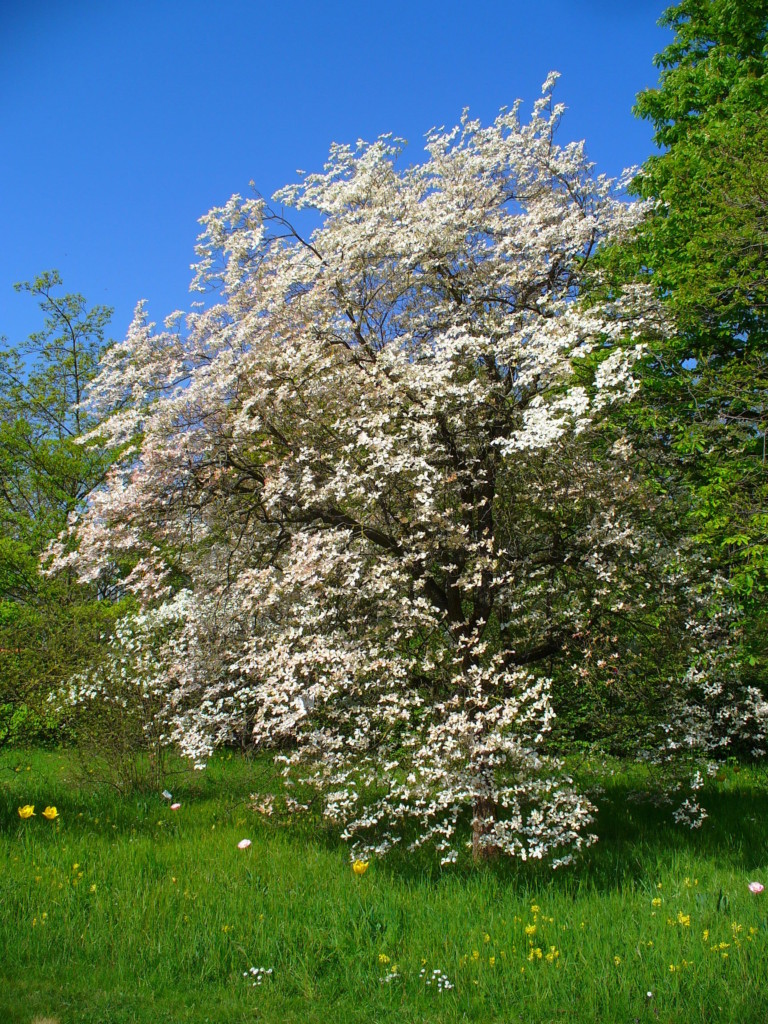
5 Pros And 4 Cons Of Crape Myrtle Trees
Crape Myrtle trees (Lagerstroemia) are iconic in southern U.S. landscapes, prized for their summer flowers and multi-season appeal. But are…
Trees
26 Most Common Trees in Oklahoma
The state of Oklahoma has many different ecoregions, including spruce-fir forests in the mountains, mesophytic forests in the eastern highlands,…

Trees
31 Most Common Trees in Florida
Florida – the Sunshine State – is known for its beautiful sandy beaches and warm weather. Like several other U.S.…

Trees
33 Most Common Trees in Los Angeles
Los Angeles may be a sprawling metropolis, but it's not without its natural beauty. In fact, the city is home…

Trees
28 Most Common Trees in the World
Our world is filled with nature’s wonders. From mountains and oceans to beaches and forests, every region is filled with…

Trees
21 Flowering Trees For Arizona
Are you looking for the best flowering trees to plant in Arizona? Since the Copper State has a dry, hot…
Trees
23 Flowering Trees For Pennsylvania Gardens
Do you want to enhance the curbside appeal of your Pennsylvania home by planting flowering trees in your garden? Well,…
Trees
27 Flowering Trees For Virginia Gardens
Are you thinking of planting flowering trees in your Virginia home? Well, you’re in luck! There is no shortage of…
Trees
19 Gorgeous Flowering Trees For Georgia
Are you searching for flowering trees that you can plant in your garden in Georgia? You have come to the…
Trees
7 Great Flowering Trees For North Carolina
Are you looking to plant some truly breathtaking flowering trees and shrubs in your home garden in North Carolina? Well,…
Trees
27 Best Flowering trees For California by Color
Are you looking forward to planting breathtaking flowering trees in your Cali garden? You will be ecstatic to know that…
Trees
14 Beautiful Purple Flowering Trees in Spring
If you’re a fan of planting uniquely colored flowering trees in your garden, you must love purple flowering trees. After…

Trees
89 Best Flowering Trees for Florida Gardens
If you are always on the lookout for elegant and vivid flowering trees in Florida, you would be happy to…