
Key Facts
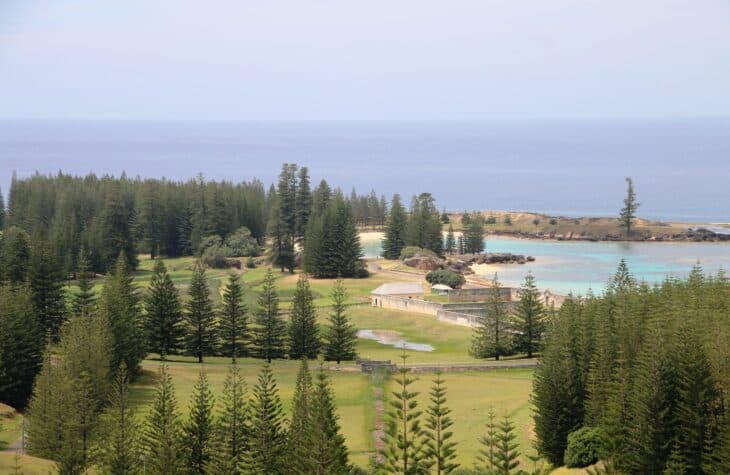
- Evergreen conifer native to Norfolk Island.
- Commonly grown as a houseplant and as an outdoor ornamental in warm climates.
- Slow to moderate growth rate in cultivation.
- Prefers bright light and higher humidity when kept indoors.
- Intolerant of hard frost and prolonged freezing temperatures.
- Produces cones rather than showy flowers.
- Susceptible to root rot in poorly drained soils.
Norfolk Pine (Araucaria heterophylla) is an evergreen conifer often grown as a compact indoor specimen or as an outdoor ornamental in warm climates. It offers a layered conical form and fine soft foliage, but needs bright light and protection from frost when grown outside.
Identification
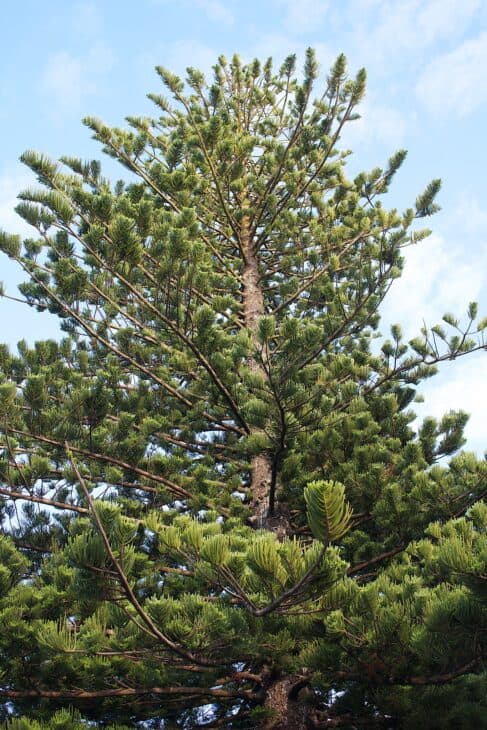
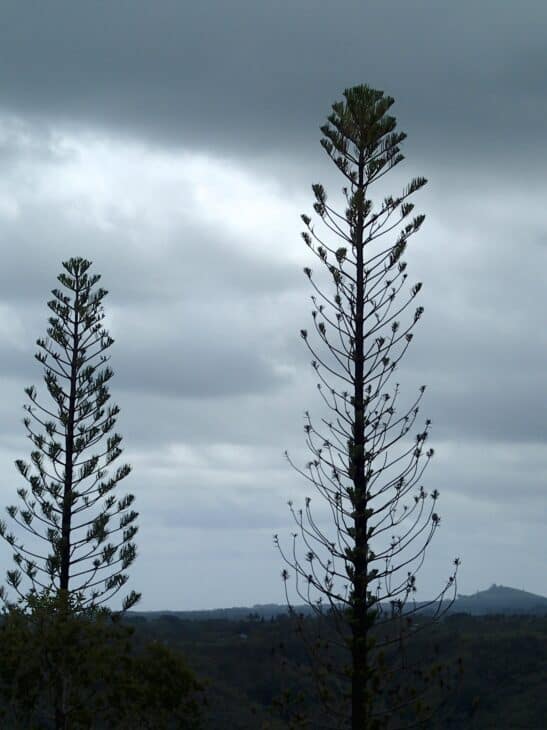
Araucaria heterophylla has a narrow conical habit with regular horizontal branch tiers and soft needlelike foliage. It reproduces with cones rather than showy flowers. As a houseplant it commonly reaches about 26 ft (60180 cm) tall with a 14 ft (30120 cm) spread depending on age and pot size.
Where to grow and best uses
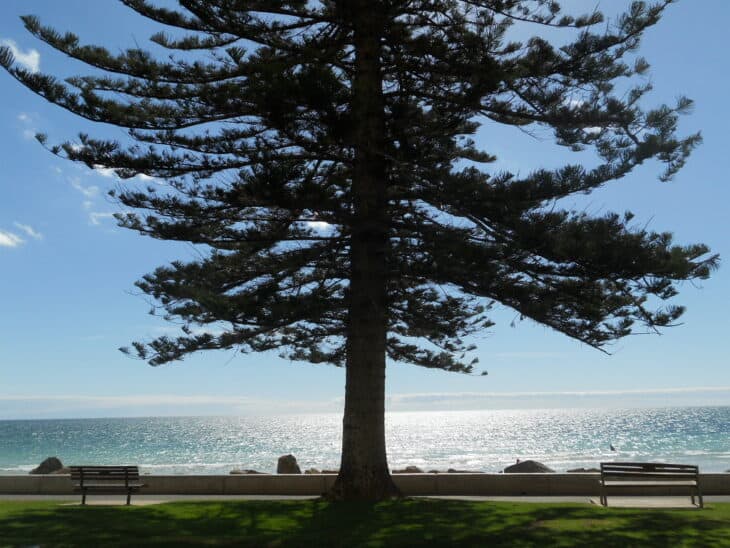
Use Norfolk Pine as a specimen pot plant indoors or as a landscape tree in USDA zones 1011. It works well as a living focal point, a seasonal display tree, or a sheltered patio specimen. Avoid planting outdoors where freezes occur because hard frost causes dieback or death.
Light and placement
Provide bright indirect light indoors with some direct morning or late afternoon sun for denser branching. Outdoors give bright light to full sun in warm climates while protecting foliage from scorching midday sun in very hot sites. Low light leads to sparse growth and fewer branch tiers.
Soil and watering
Plant in a well drained, moderately fertile mix that is slightly acidic to neutral. In containers use a free draining potting mix and avoid standing water. Overwatering or poor drainage causes root rot and symptoms such as yellowing foliage and needle drop.
Potting and container care
Choose a pot with good drainage and a mix that sheds excess water. Repot only when the plant becomes root bound and increase container size gradually to avoid waterlogged soil. Higher humidity and bright light improve needle health and overall appearance.
Propagation and maintenance
Propagation by seed is the most reliable method. Tip cuttings and air layering are possible but are difficult and often less successful. Growth rate is slow to moderate and pruning is minimal, mainly to remove dead branches or to shape the lower canopy.
Cones and after cone care
Norfolk Pine produces cones rather than flowers. Cone development timing varies by region. If collecting seeds consult local botanical references for maturity cues and handling. Routine care after cone drop is the same as general maintenance and focuses on avoiding waterlogged soil.
Pests, problems and toxicity
The species is susceptible to root rot in poorly drained soils which leads to yellowing and decline. Low humidity can cause brown tips on needles. The plant is listed as non toxic to cats and dogs by major pet safety lists but handling may cause mild skin irritation in sensitive people.
Frequently asked questions
- How fast does Norfolk Pine grow?
- Growth is slow to moderate in cultivation and depends on light, humidity and pot size. Better light and consistent humidity speed growth while low light slows it and causes sparse branching.
- Is Norfolk Pine toxic to pets?
- Major pet safety resources list Norfolk Island pine as non toxic to cats and dogs. Check current ASPCA or local poison control listings for the latest information.
- Can I grow Norfolk Pine outdoors?
- Yes in USDA zones 10 to 11 where freezes are rare. Outside those zones keep it as a potted houseplant and bring it indoors before cold weather arrives.
- How do I prevent root rot?
- Use a free draining potting mix, plant in a container with drainage, avoid standing water and allow the topsoil to dry slightly between thorough waterings.
- How tall will a Norfolk Pine get indoors?
- Indoors it typically reaches about 2 to 6 ft (60 to 180 cm) depending on pot size and pruning. Outdoor specimens can become very large in ideal conditions.
Gallery
Related Plants


Mentioned In (3)

Trees
33 Most Common Trees in Los Angeles
Los Angeles may be a sprawling metropolis, but it's not without its natural beauty. In fact, the city is home…
Pine
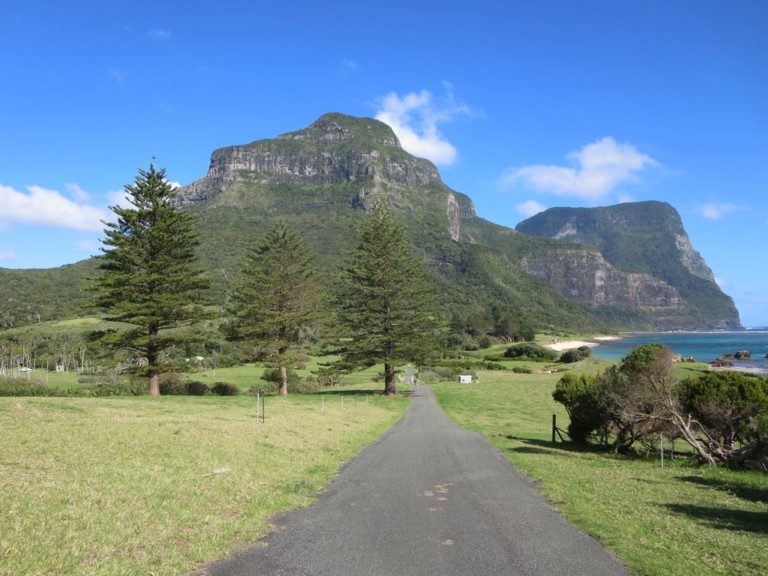
7 Common Types Of Pine Trees In Australia
Australia is a huge piece of land with a magnificent variety of flora and fauna that thrives even under extreme…
Pine
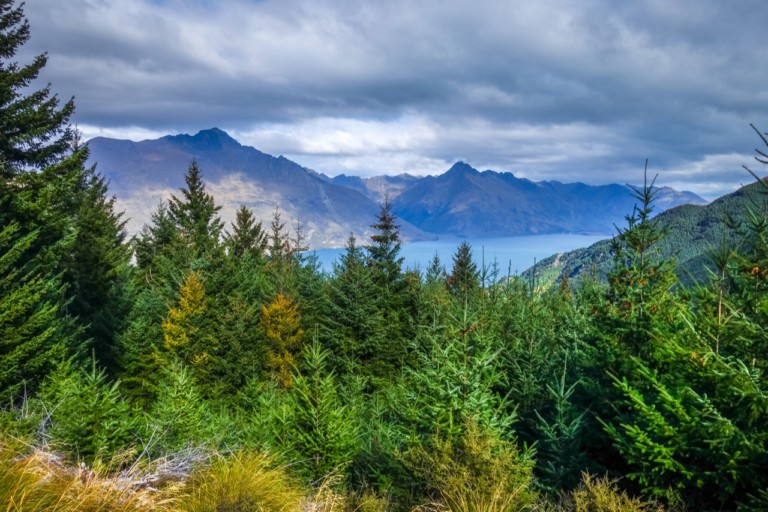
12 Iconic Types Of Pine Trees In New Zealand
Did you know plantations cover over seven percent of New Zealand's total area? Today, New Zealand has a total of…