
Key Facts
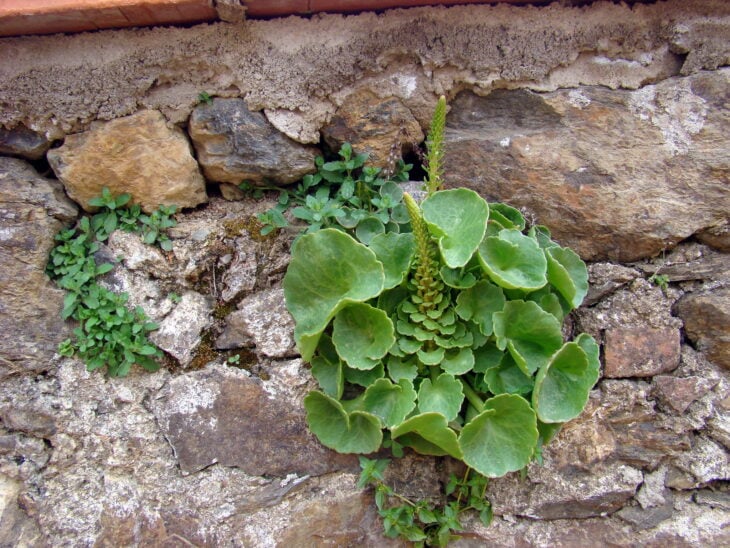
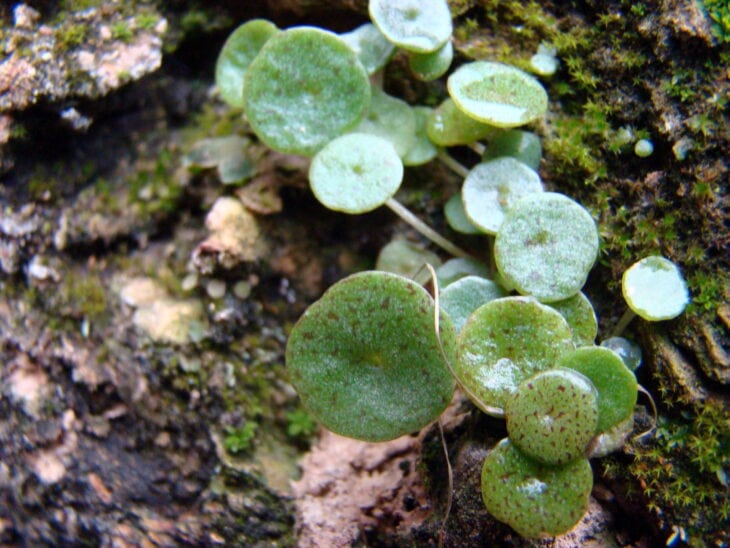
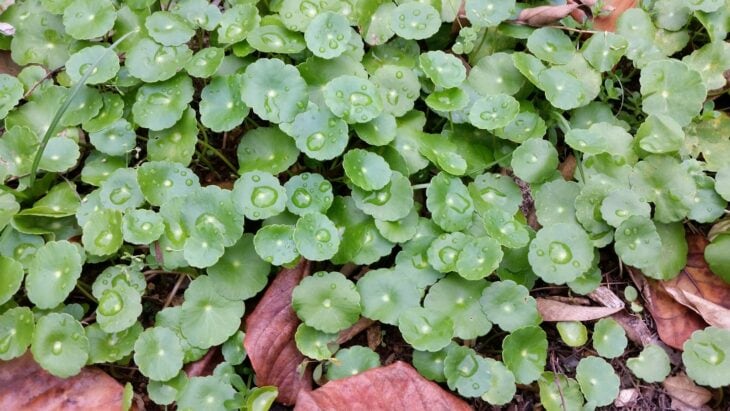
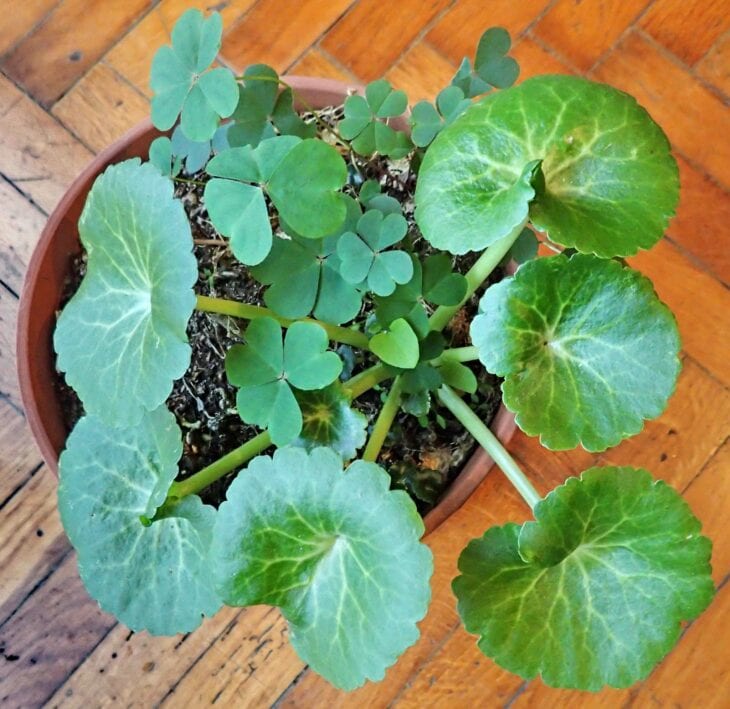
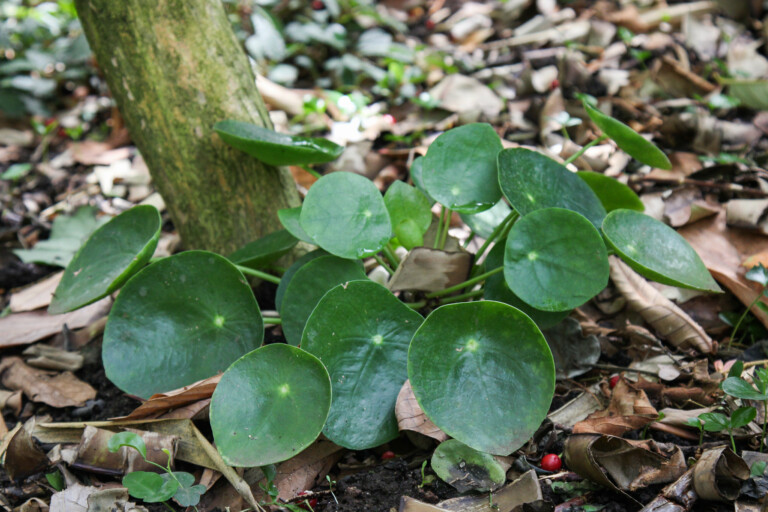
- A low growing succulent perennial that forms fleshy, rounded leaves with a central navel.
- Native to Europe and parts of western Asia and North Africa.
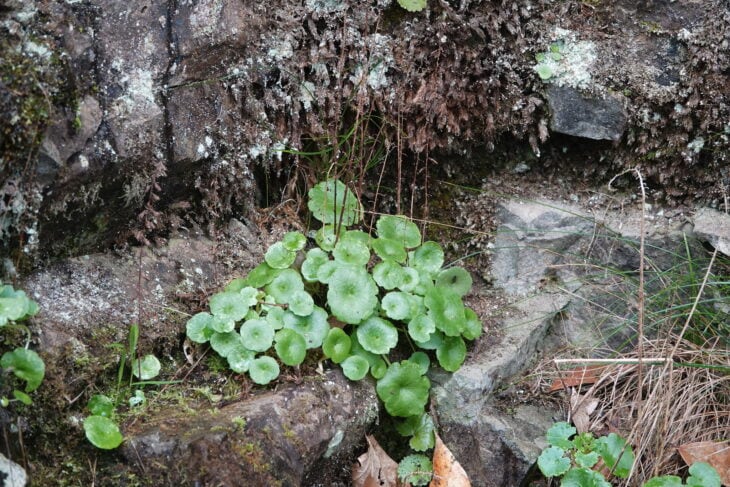
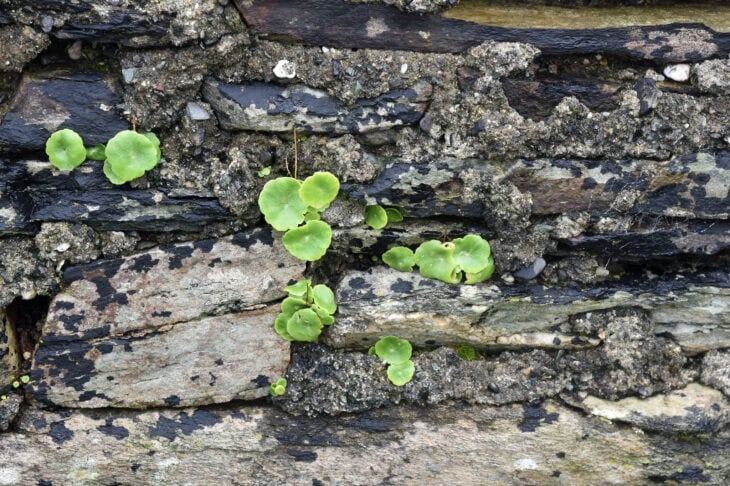
- Often found on walls, rocky outcrops, and in shallow, well drained soils.
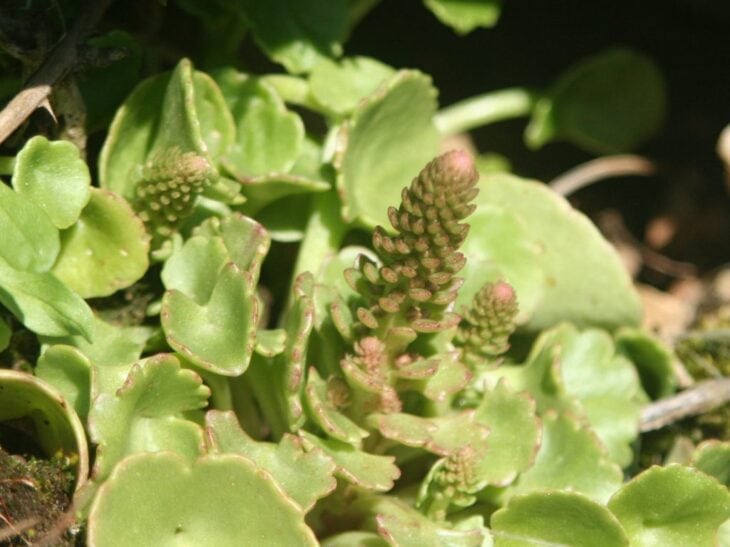
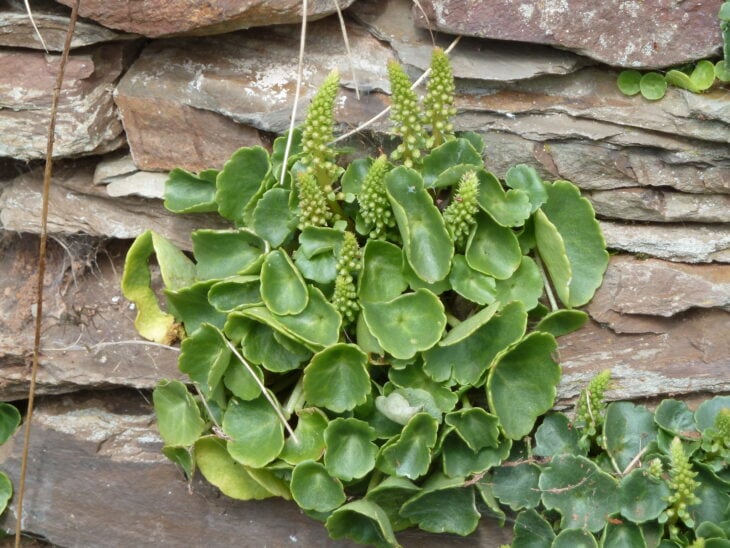
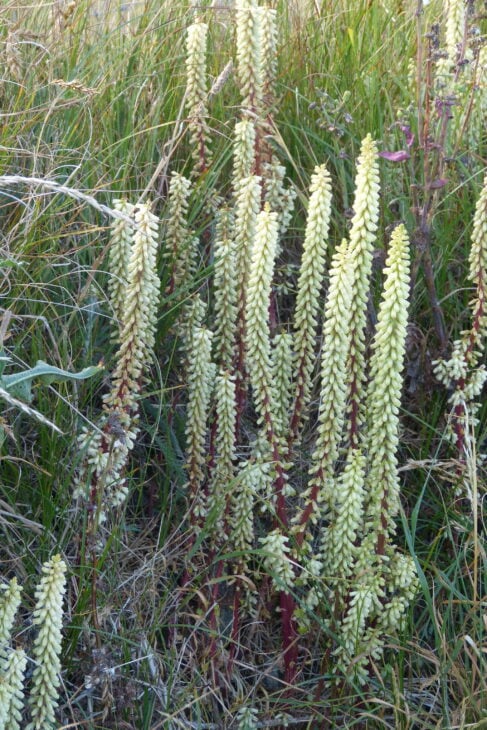
- Produces erect racemes of small bell shaped greenish to pinkish flowers in late spring to summer.
- Valued in rock gardens, crevices, and green walls for its foliage and drought tolerance.
- Prefers well drained soil and sheltered, partly shaded positions.
- Propagates reliably by division and by seed.
- Not widely listed as a toxic plant but documentation on pet toxicity is limited.
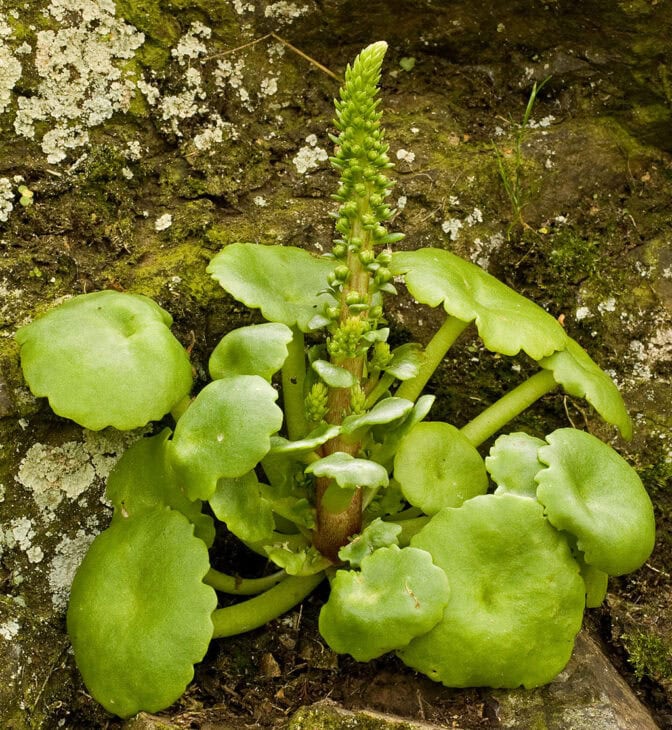
Navelwort (Umbilicus rupestris) is a low succulent perennial with round, fleshy leaves that have a distinctive central navel and erect racemes of small bell-shaped flowers in late spring and early summer. It is valued for filling shallow crevices on walls and rock gardens where well drained, gritty soil and part shade reduce competition and water stress.
Identification
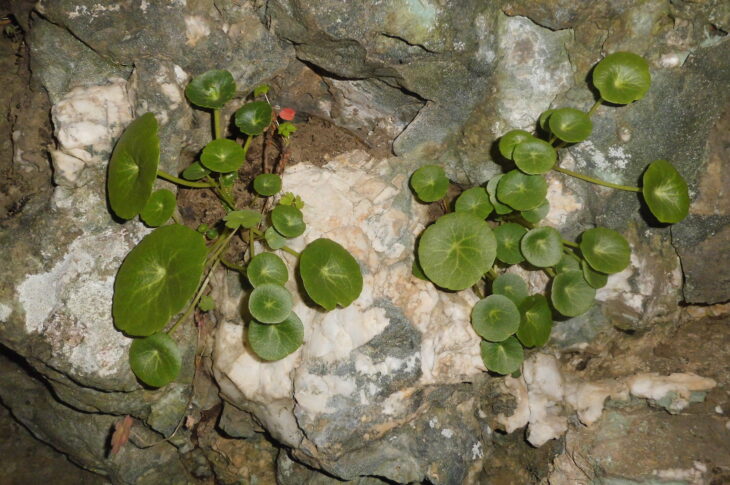
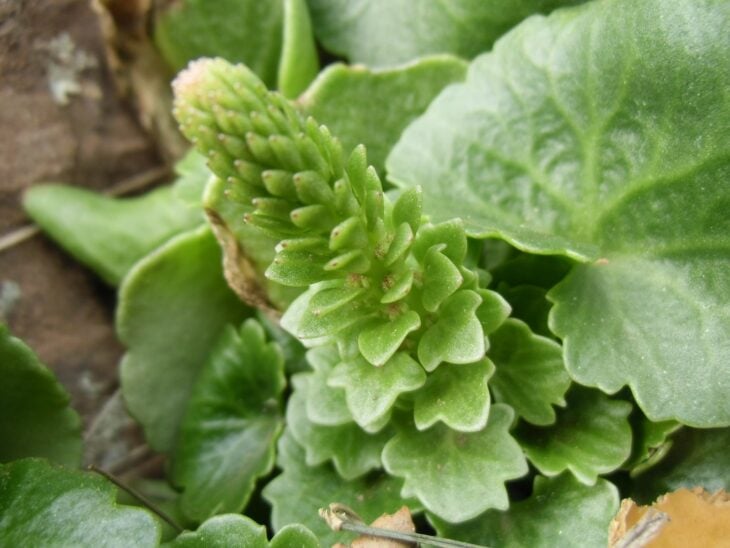
Leaves form small rosettes 2 to 8 inches high with a typical spread of 4 to 12 inches, each leaf fleshy and rounded with a central depression like a navel. Flowering stems rise above the foliage in late spring to summer bearing small greenish to pinkish bell-shaped flowers in erect racemes, useful for seasonal interest above the rosette.
Best uses and where to grow
Use Navelwort in rock gardens, between paving, in wall crevices and on sheltered, partly shaded walls where soil is shallow and drains quickly. It suits green walls and dry stone pockets where drought tolerance and a compact habit are advantages. Hardiness is approximately USDA zones 6 to 9 so it performs well in many temperate sites.
Planting and spacing
Space plants roughly 10 to 30 cm apart to allow clump development and natural matting in crevices. Plant divisions into shallow, gritty pockets of soil so roots sit where drainage is best. In temperate regions divisions are commonly planted in spring or autumn to establish before extreme heat or cold, reducing transplant shock and encouraging quick re-rooting.
Soil and watering
Prefer shallow, gritty or rocky, well drained soils and tolerate poor to moderate fertility with neutral to slightly alkaline pH. Water sparingly once established; excess moisture and poorly drained soils lead to root loss and rot. In shallow crevices water only during prolonged dry spells so the plant remains compact and drought resilient.
Light and exposure
Part shade to full shade is preferred, with some tolerance of morning sun or cool-site sun if drainage is excellent. Avoid hot afternoon sun in warm climates which can scorch fleshy leaves and increase water demand. A sheltered position on north or east facing walls is ideal for sustained leaf condition and slower moisture loss.
Flowering and after-flowering care
Blooms appear in late spring to summer, commonly May to July in temperate Northern Hemisphere locations. Remove spent flower spikes to tidy the clump and reduce self-seeding if that is a concern. Leave foliage intact until it naturally dies back in colder weather to allow the rosette to store reserves for the next season.
Propagation and maintenance
Increase Navelwort by division of established clumps for fastest results or by seed for larger numbers. Rooted offsets and leaf cuttings are reported anecdotally but division is the most reliable method. Minimal maintenance is needed apart from occasional division to rejuvenate overcrowded clumps and removing rotten material in wet seasons.
Spread and control
The plant forms compact clumps that can naturalize in suitable crevices and rocky patches rather than aggressive runners. Control spread by lifting and dividing clumps when they become crowded and by removing seedlings from unwanted locations. Good site selection and limiting deep fertile soil helps keep growth in check.
Frequently asked questions
- How fast does Navelwort grow?
- Growth is slow to moderate, forming small clumps that expand season by season. Expect rosettes to reach the typical spread range of 10 to 30 cm as clumps mature over a few growing seasons.
- How do I propagate Navelwort?
- Propagation is easiest by dividing established clumps. Seed will produce plants but takes longer. Offsets and leaf cuttings are sometimes used, with division recommended for reliable establishment.
- Is Navelwort toxic to pets?
- It is not widely documented as poisonous but toxicity data are limited. Check local poison control resources or the ASPCA before assuming pet safety if ingestion is possible.
- Can Navelwort grow on walls and in crevices?
- Yes. It thrives in shallow, gritty pockets on walls and rock faces where drainage is excellent and competition is low. Sheltered, partly shaded exposures work best.
- How much sun does Navelwort need?
- Part shade to shade is preferred. It tolerates some sun in cool locations if the soil drains well, but avoid hot afternoon sun in warm climates to prevent leaf scorch.
Gallery
Related Plants


Mentioned In (1)
Plants
10 Plants That Look Like Pilea Peperomioides (Chinese Money Plant)
Pilea peperomioides got its common name, the Chinese money plant, from its leaves which are round and shaped like coins.…