
Key Facts
- Evergreen, clump forming perennial grown for architectural sword shaped leaves.
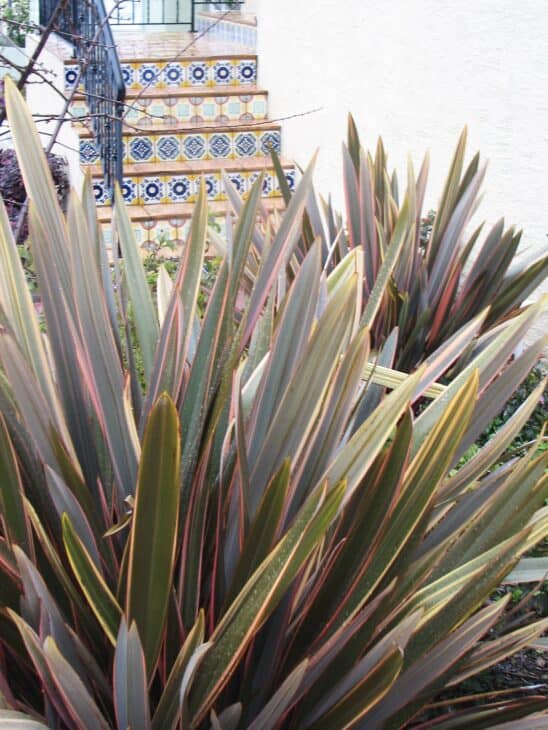
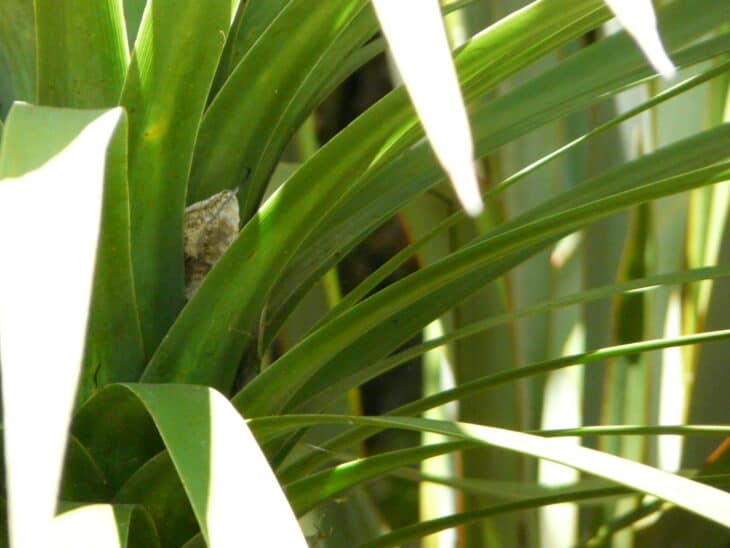
- Leaves occur in a fan from a basal rosette and come in green, bronze and variegated forms.
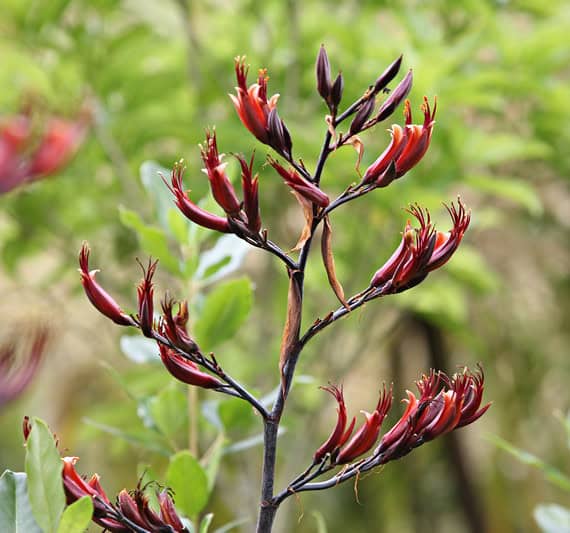
- Flowers are produced on tall stalks and are attractive to nectar feeding birds and insects.
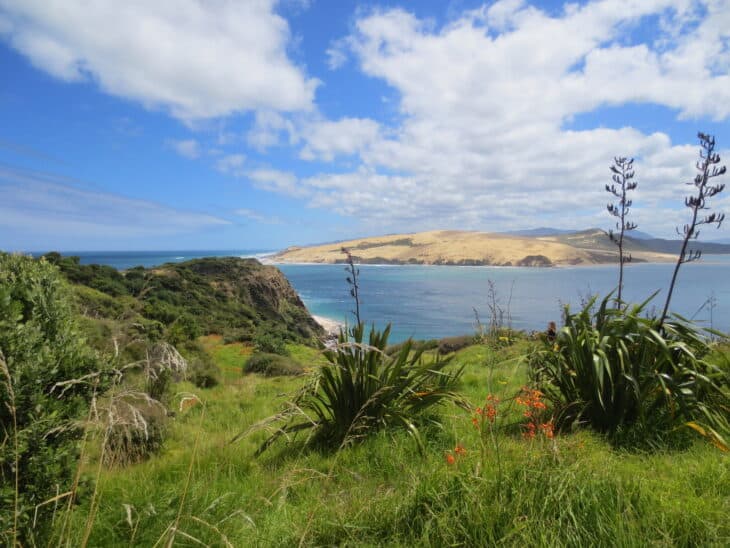
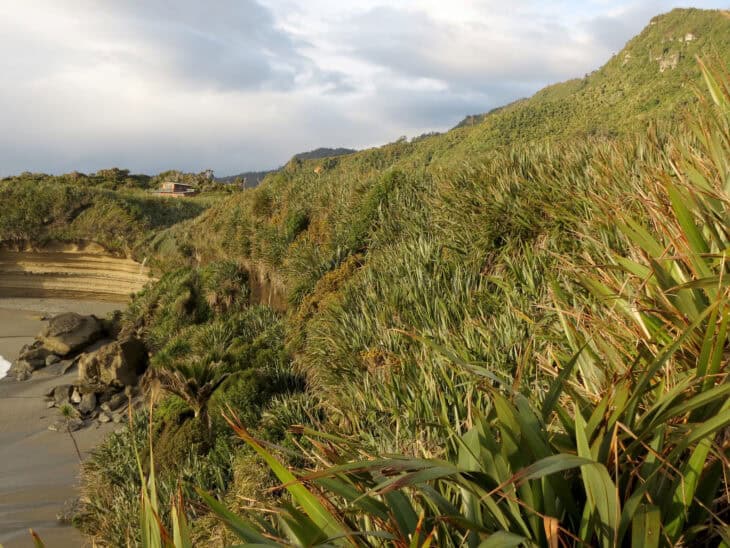
- Tolerates coastal exposure and light salt spray.
- Prefers well drained soil and can suffer in waterlogged ground.
- Usually propagated by dividing the clump for true to type plants.
- Many cultivars are bred for leaf color and form rather than flower display.
New Zealand Flax (Phormium spp.) is grown for dramatic, sword shaped leaves and colorful cultivars. Gardeners choose it for coastal tolerance and architectural impact while weighing its tendency to spread in warm, wet sites and whether it suits indoor use.
Identification
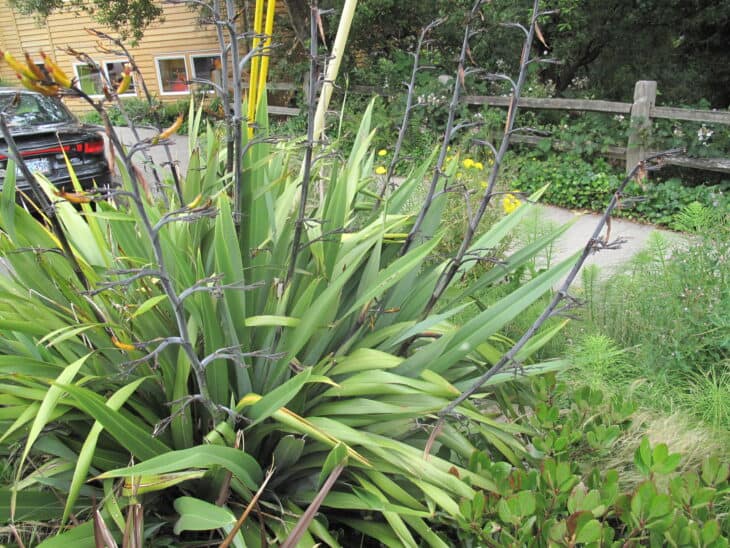
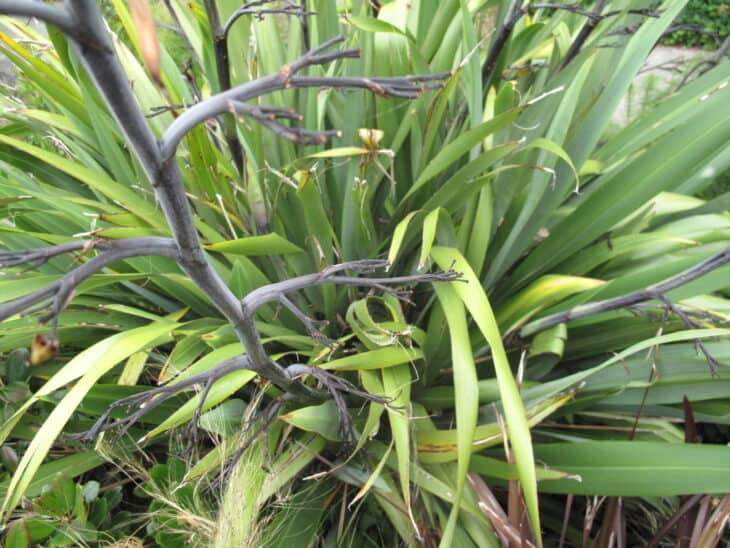
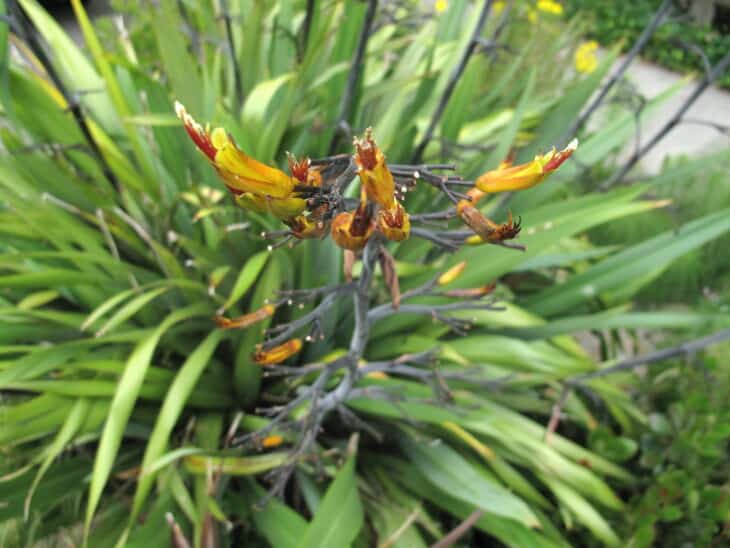
New Zealand Flax is an evergreen, clump forming perennial with leaves arising in a fan from a basal rosette. Leaves are long and sword shaped and occur in green, bronze and variegated forms. Flowers appear on tall stalks and attract nectar feeding birds and insects.
Where to grow and best uses
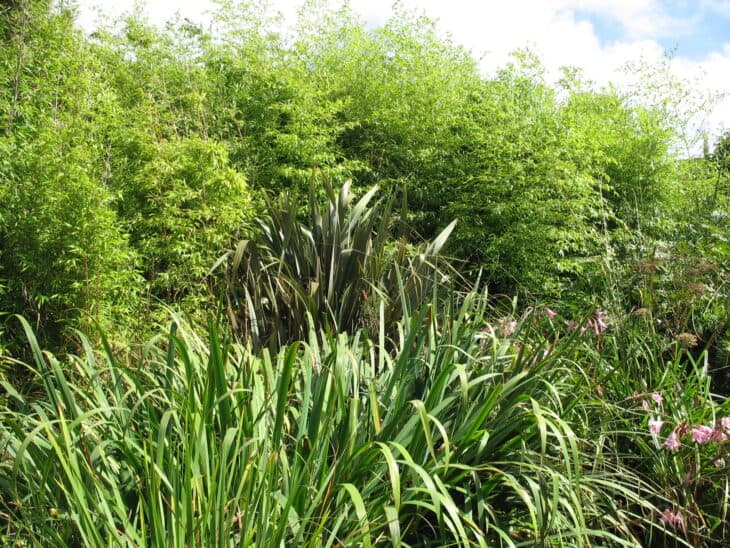
Use Phormium for bold structural accents in mixed borders, coastal beds and contemporary gardens. It tolerates light salt spray and a wide range of soils provided drainage is good. Many cultivars are selected for leaf color and form rather than flowers.
Light and hardiness
New Zealand Flax prefers full sun to part shade. Leaf color and form are best in stronger light. In very hot inland sites some afternoon shade can reduce leaf scorch. Hardiness varies by species and cultivar but is commonly reported in USDA zones 7 to 11, with colder climates prone to foliar dieback and reduced vigor.
Soil and watering
Plant in fertile, well drained soil. Phormium tolerates poorer or sandy soils and light coastal exposure, but it dislikes waterlogged ground. Poor drainage increases the risk of root rot and plant decline.
Planting and spacing
Space plants to accommodate a mature clump. Clumps typically reach about 2 to 6 feet across depending on species and cultivar, so allow room for that spread. Avoid planting in low spots that collect water.
Flowers and after flowering care
Flower stalks rise above the foliage and provide nectar to birds and insects. Removing spent flower stalks is commonly done to tidy the plant and keep the focus on the foliage, though many gardeners leave stalks for wildlife value.
Propagation
Division of established clumps is the most reliable method to produce true to type plants. Seed can be used for species but may not produce the same traits as named cultivars. Divide clumps in spring or autumn.
Spread and controlling naturalizing
Phormium forms clumps and spreads by short rhizomes. Spread is generally gradual, but in warm wet sites it can expand more quickly. Check local invasive species guidance before planting in regions where it has naturalized or spreads aggressively.
Safety and toxicity
Phormium is not widely reported as highly toxic. Ingestion may cause mild gastrointestinal upset and contact with sap can cause skin irritation in sensitive people. Confirm pet and human toxicity with local poison control or authoritative databases before assuming it is safe around children or pets.
Frequently asked questions
How fast does New Zealand Flax grow?
Growth rate varies by cultivar and climate. It forms clumps and expands slowly by rhizomes, though in warm, wet sites spread can be faster. Mature plants commonly reach 2 to 6 feet tall or wide depending on the type.
Is New Zealand Flax better indoors or outdoors?
Phormium is primarily grown outdoors for landscape use. Its needs for light, space and winter conditions vary by cultivar and climate so indoor success depends on providing bright light and appropriate winter care.
When should I divide New Zealand Flax?
Division is commonly done in spring or autumn to renew clumps and to propagate named cultivars true to type.
Is New Zealand Flax invasive?
It is not universally classified as invasive but it can naturalize or spread by rhizomes in warm regions. Check local guidance before planting where escape into natural areas is a concern.
Will Phormium tolerate coastal conditions?
Yes. Many Phormium tolerate coastal exposure and light salt spray, making them suitable for seaside gardens when drainage is adequate.
Sources and notes
Authoritative references and further reading
- Missouri Botanical Garden plant profile for Phormium
- Royal Horticultural Society Phormium page
- New Zealand Plant Conservation Network Phormium tenax
Notes Hardiness ranges, bloom timing and size vary by species and cultivar. Confirm details for the specific cultivar and consult local extension or poison control for regional guidance.
Gallery

Related Plants


Mentioned In (1)

Plants
8 Plants That Look Like Yucca
With their starburst of spikey leaves, yuccas bring structure and texture to the garden. The genus encompasses many species –…