
Key Facts
- Evergreen to semi evergreen shrub often used as a hedge or specimen.
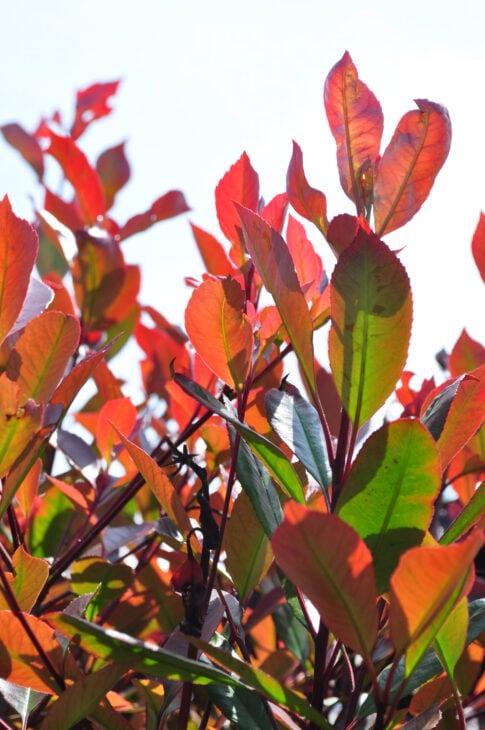
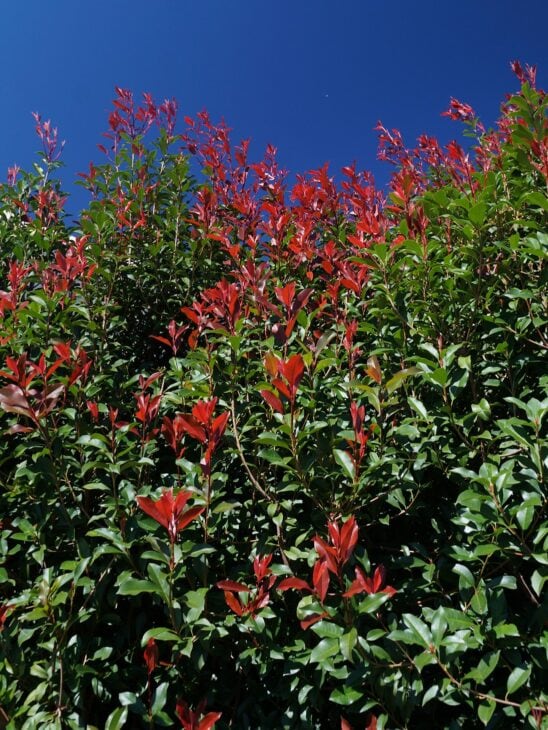
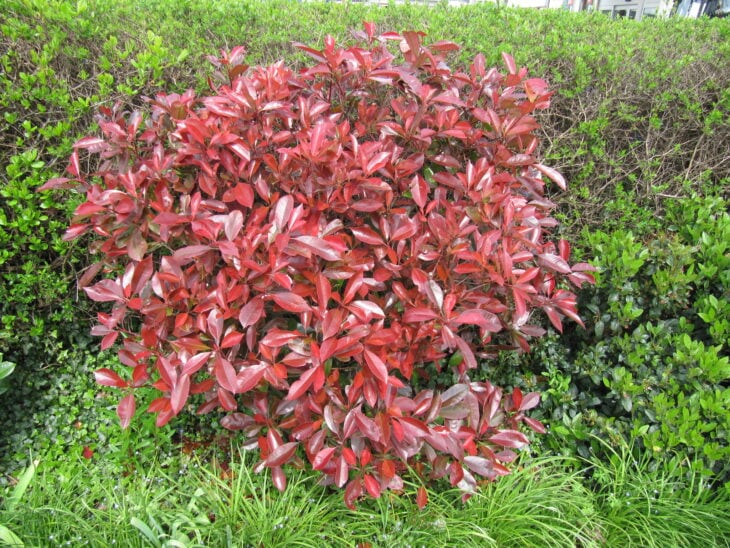
- Notable for bright red young growth that matures to glossy green.
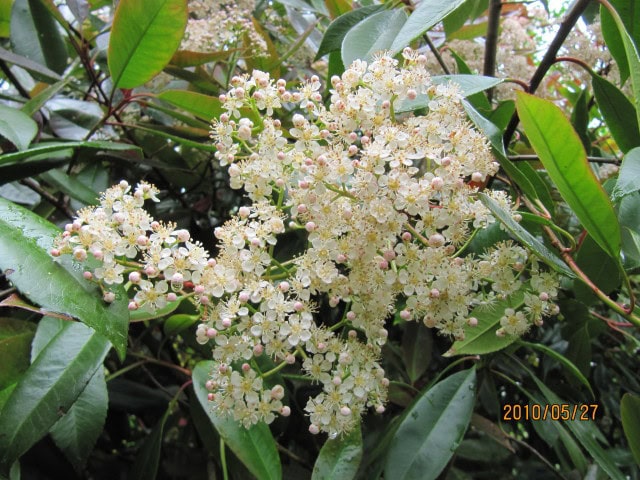
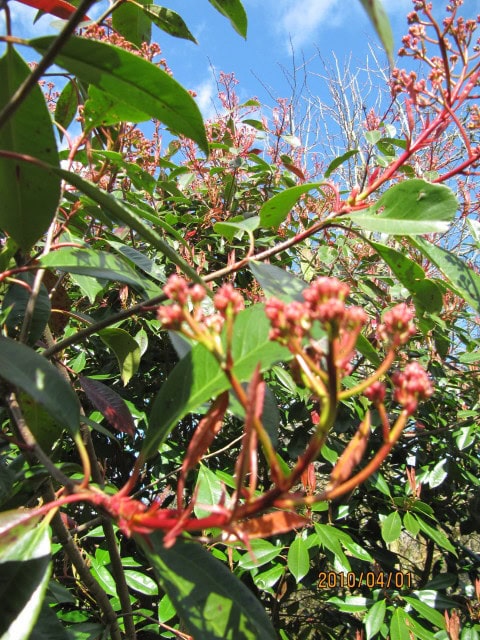
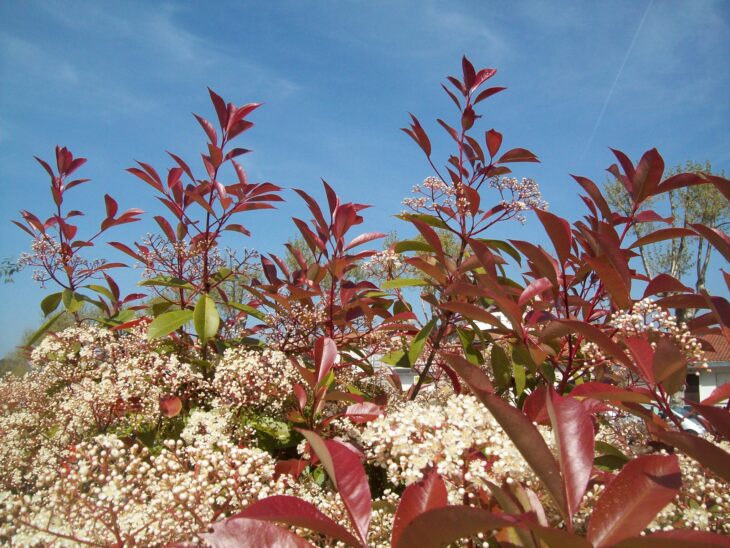
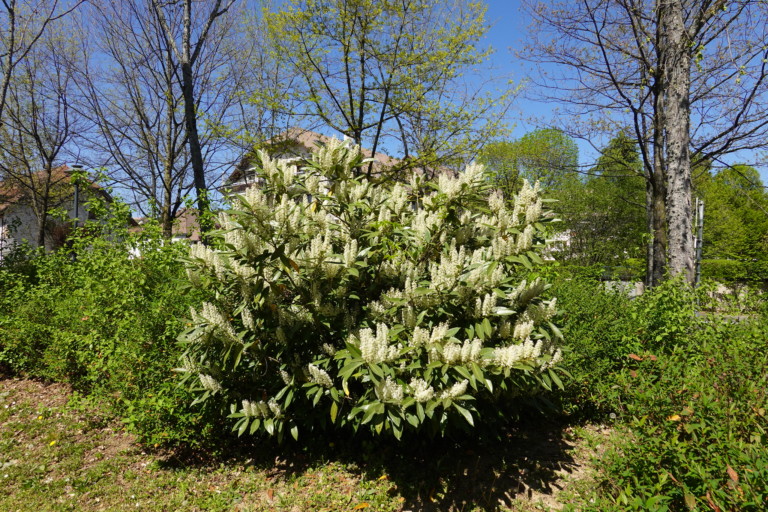
- Produces clusters of small white flowers in spring followed by small red fruit.
- Responds well to regular pruning and shaping.
- Prefers well drained soil and regular moisture during establishment.
- Can be susceptible to fungal leaf spot and canopy decline in humid or wet conditions.
- Commonly propagated by semi ripe or hardwood cuttings and by layering.
Red Robin Photinia (Photinia d7 fraseri ‘Red Robin’) is an evergreen to semi evergreen shrub used as a formal or informal hedge and specimen planting. It is prized for bright red new growth that matures to glossy green while still being vulnerable to fungal leaf spot and canopy decline in humid or poorly drained sites.
Identification
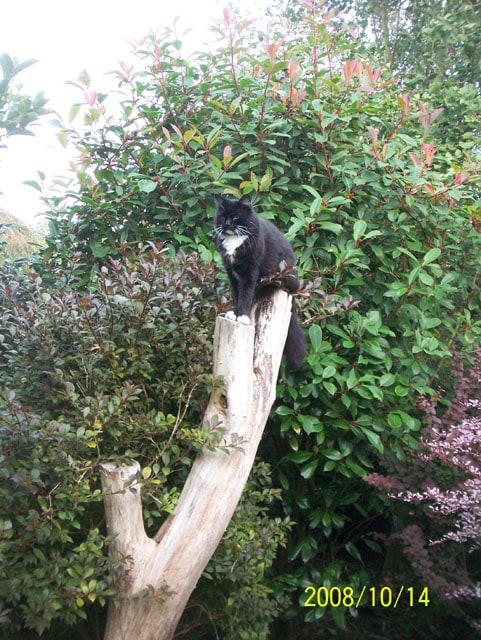
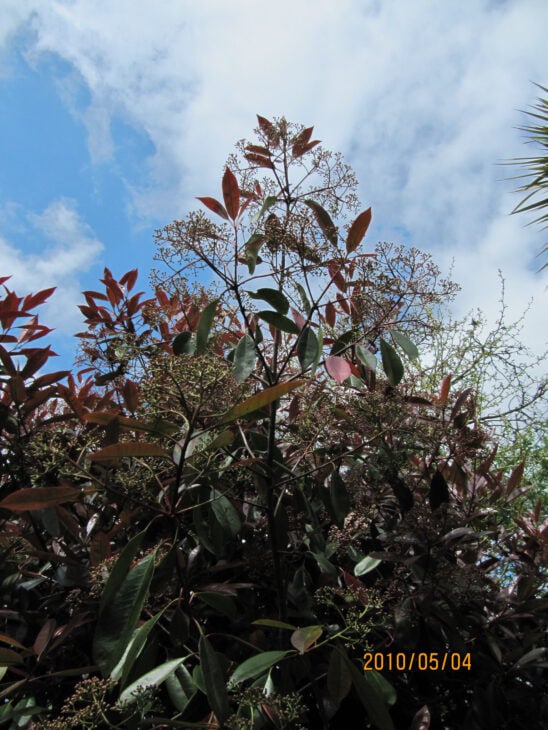
This shrub typically reaches about 6 to 12 feet tall with a spread near 4 to 8 feet depending on pruning and site fertility. New leaves emerge bright red then age to glossy green. Small clusters of white flowers appear in spring and are followed by small red fruit on some plants.
Best uses and where to grow
Use Red Robin Photinia as a screen hedge, clipped formal hedge, or a single specimen where bold foliage color is desired. It prefers full sun to partial shade for best red leaf color and dense habit. USDA zones 7 through 9 are generally tolerated with higher winter dieback risk below that range.
Planting and spacing
Space plants according to the desired final width with about 4 to 8 feet between plants for a hedge. Choose a site with well drained fertile soil to reduce disease risk. Exact planting season varies with local climate and should match when soil conditions allow safe planting.
Watering and visible effects
Provide regular moisture while the shrub establishes and avoid poorly drained sites. Waterlogged conditions and prolonged wet foliage encourage fungal leaf spot and can contribute to canopy decline. Good drainage and mulching to conserve moisture without wetting foliage reduce visible disease pressure.
Pruning and after flowering care
Red Robin responds well to regular pruning and shaping to maintain a desired height and dense habit. Because flowering occurs in spring, prune after bloom to avoid removing flower buds and to promote fresh red growth. Frequent light pruning keeps the hedge compact and reduces shaded interior foliage.
Soil and light
The shrub prefers fertile well drained soils and tolerates a range of soil types while avoiding heavy waterlogged ground. Full sun produces the best red new foliage and denser form. Heavy shade reduces red color and can cause a leggier habit that needs corrective pruning.
Pests and diseases
Common problems include fungal leaf spot and a decline of the canopy in humid or persistently wet conditions. Improve air circulation, avoid overhead irrigation, and remove heavily infected leaves to lower disease impact. Consult local extension services for region specific diagnosis and management options.
Propagation
Propagate Red Robin by semi ripe cuttings, hardwood cuttings, or by layering to preserve cultivar traits. Seed will not reliably produce true to the cultivar and is not commonly used for propagation of named plants.
Managing spread and form
Left unpruned the shrub will widen and reach the upper end of its height range. Regular trimming keeps spread in the 4 to 8 foot range and maintains a tidy hedge line. Higher fertility and irrigation encourage faster growth and a broader habit.
Frequently asked questions
- How fast does Red Robin Photinia grow?
- Growth rate varies with site fertility and climate but it commonly reaches several feet per year when well watered and fed until mature.
- Is Red Robin Photinia evergreen?
- It is evergreen to semi evergreen with year round foliage in milder climates and partial leaf loss or dieback in colder areas.
- Does it tolerate shade?
- It tolerates partial shade but full sun gives the best red new growth and a denser habit while too much shade reduces leaf color and causes legginess.
- Is Red Robin Photinia poisonous to pets?
- Sources report cyanogenic compounds and possible gastrointestinal upset if eaten. Confirm pet safety with your regional poison control or extension authority.
- How do I propagate Red Robin Photinia?
- Use semi ripe or hardwood cuttings or layering to keep the cultivar characteristics. Seed is not recommended for true to type plants.
Gallery
Related Plants


Mentioned In (1)

Hedge
The Best Evergreen Hedge Shrubs For Privacy
Evergreen hedge shrubs provide year-round privacy, wind protection, and visual interest. Choosing the right plant depends on your climate, available…