
Key Facts
- A trunk forming evergreen perennial.
- Native to Mexico and Central America.
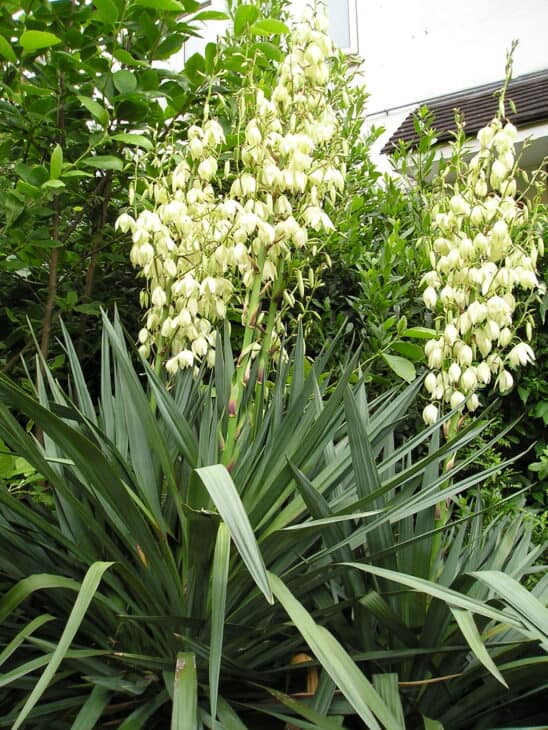
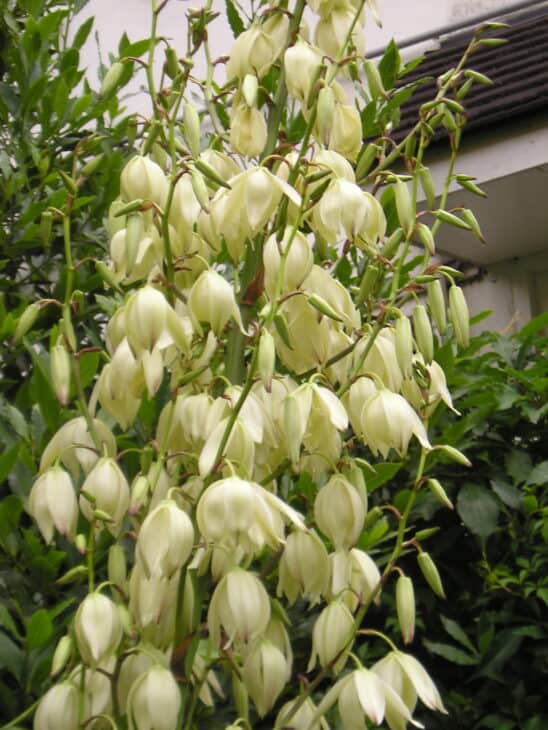
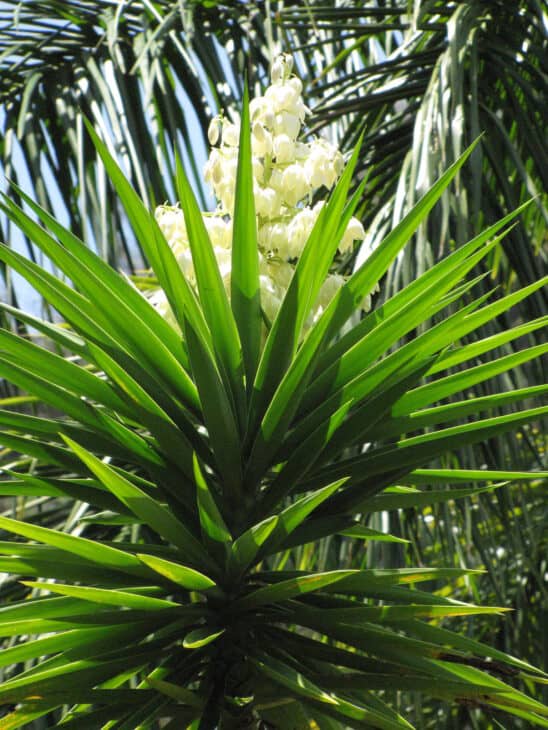
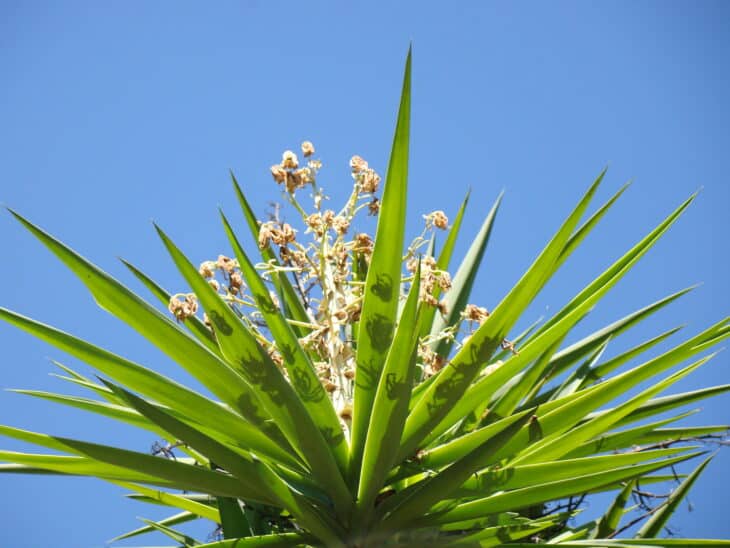
- Produces tall panicles of white bell shaped flowers.
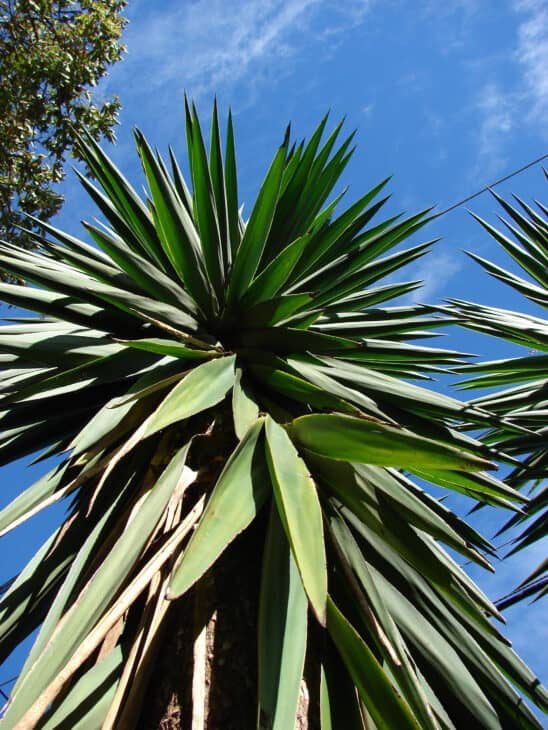
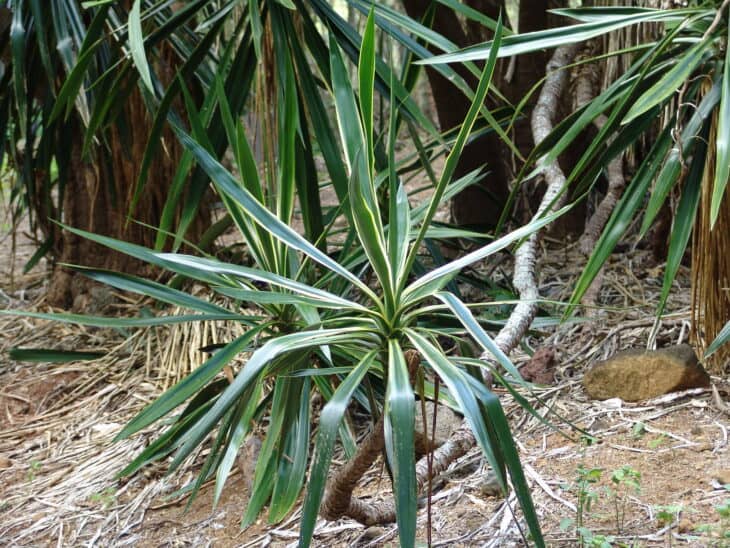
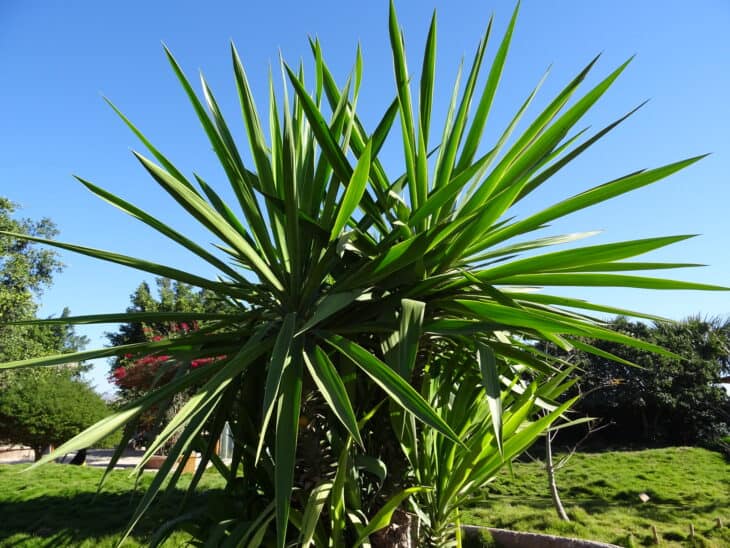
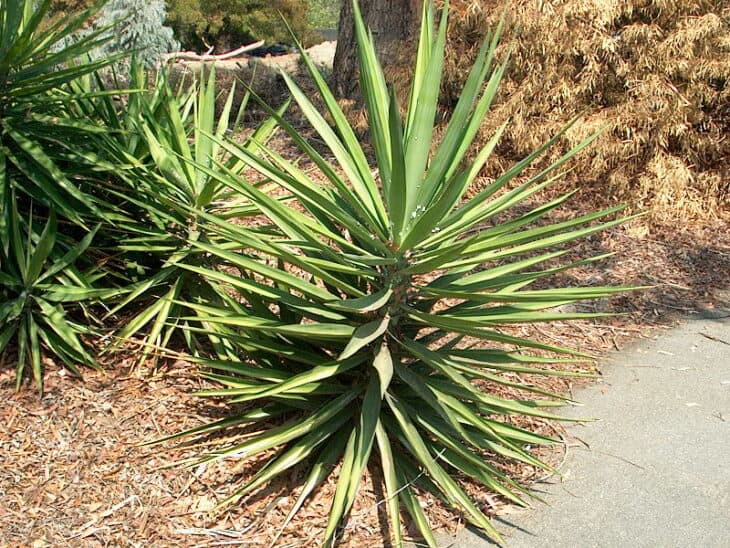
- Commonly called spineless yucca because leaf margins lack sharp spine tips.
- Tolerant of drought once established.
- Prefers well drained soils and bright light.
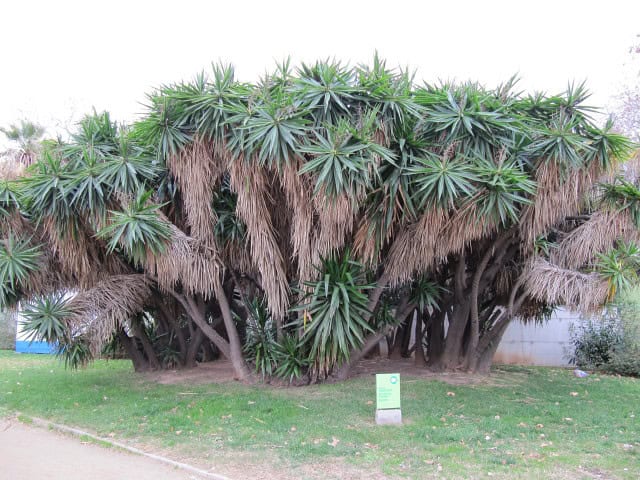
- Spreads slowly by basal suckers forming small clones.
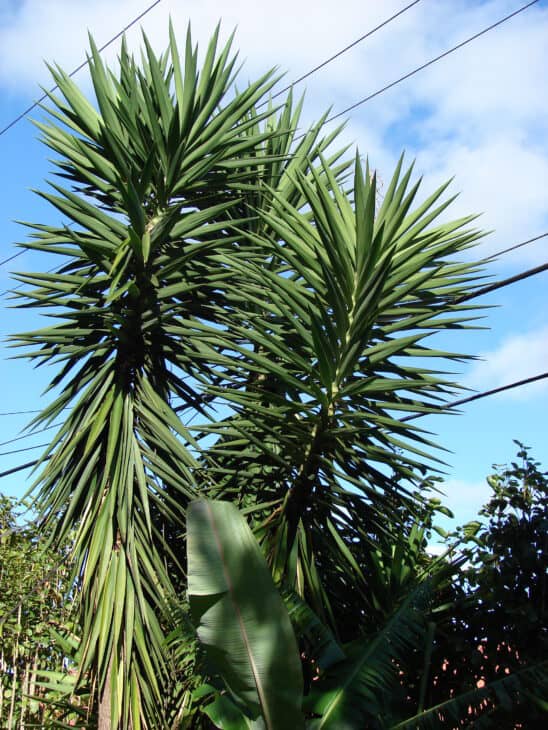
Spineless Yucca is a trunk forming evergreen with stiff leaves that lack sharp spine tips and tall panicles of white bell shaped flowers. It tolerates drought once established and is used as a dramatic specimen in landscapes and in large containers.
Identification
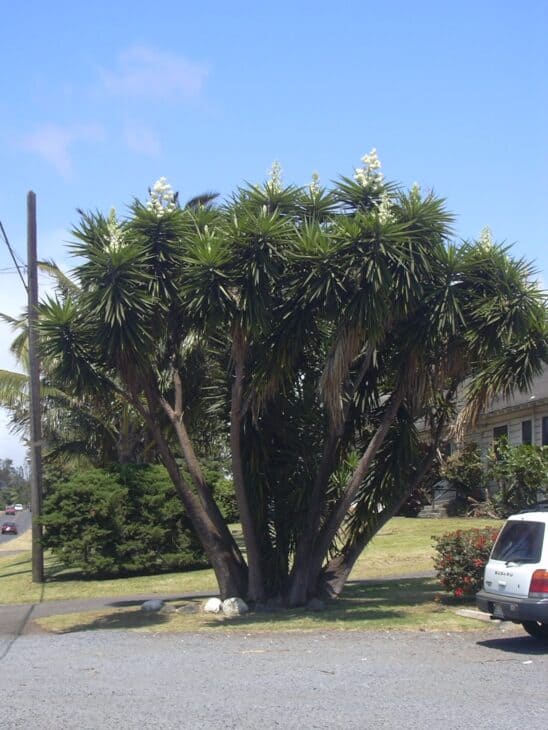
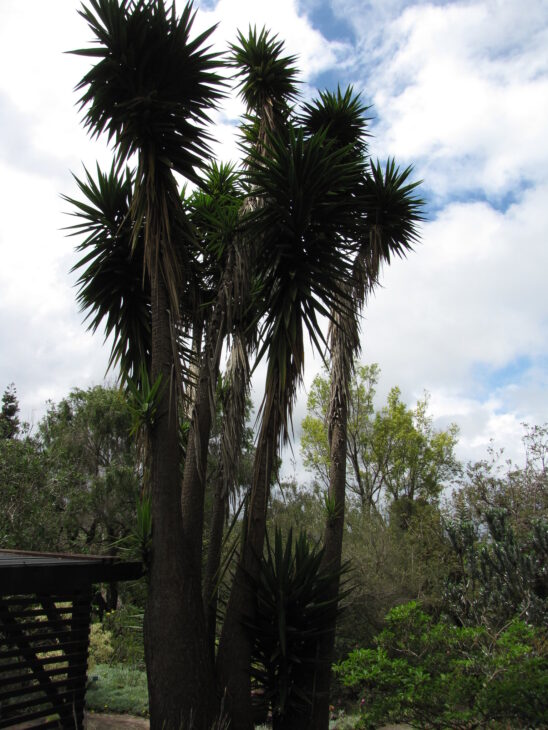
Trunk forming perennial native to Mexico and Central America. Leaves have smooth margins without the typical sharp terminal spines found on other yuccas. Plants produce tall panicles of white bell shaped flowers in late spring to early summer. Mature height typically ranges from 8 to 30 feet and clumps spread about 6 to 12 feet as basal suckers develop.
Best places to grow and landscape uses
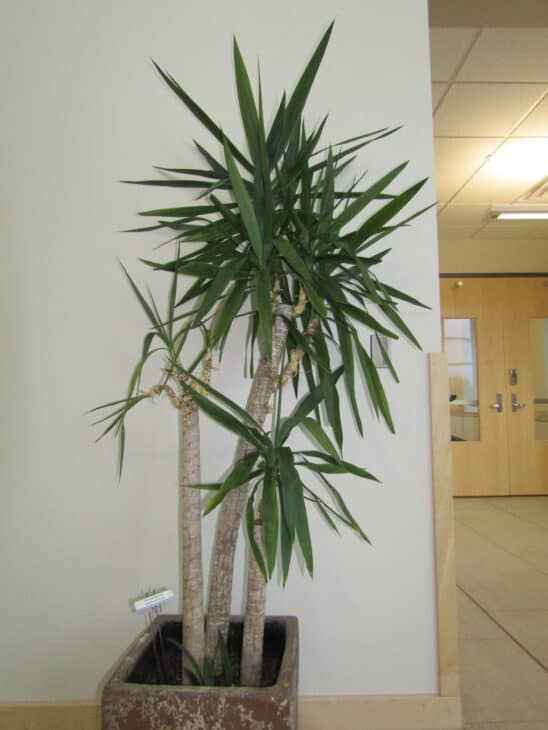
Performs best in full sun and tolerates some light shade. Prefers well drained sandy to loamy soils and will not tolerate prolonged wet conditions. Use as a focal specimen, accent in a dry border, or in a low maintenance xeric planting. It is also commonly grown in large containers where specimens tend to stay much shorter than landscape plants.
Planting and spacing
Space plants roughly 6 to 12 feet apart to allow the clump to develop without crowding. Choose a sunny site with fast draining soil to avoid root rot and winter failure in colder sites.
Water and soil
Prefers well drained soils and tolerates poor soil fertility. Once established it is drought tolerant. Poor drainage leads to root rot and increases the risk of winter damage in cooler climates.
After flowering and maintenance
Flower panicles add seasonal interest and then fade while the trunk and leaves persist. Control spread by removing unwanted basal suckers. Removing and dividing offsets is an easy way to propagate and to keep a planting tidy.
Propagation
Commonly propagated by separating offsets or basal suckers and by rooting stem or cane cuttings. Seed propagation is possible but slower. Division and cane cuttings root readily.
Pests and toxicity
Contains saponins that can cause vomiting and diarrhea if ingested by pets. Handling may irritate skin in sensitive people. Consult local poison control or veterinary guidance for specific safety and treatment information.
Frequently asked questions
- How fast does Spineless Yucca grow?
- Growth is generally slow to moderate. The plant forms a trunk over time and spreads slowly by basal suckers to make small clones.
- How cold hardy is Spineless Yucca?
- Generally hardy in USDA zones 8 to 11. It has been reported to persist into zone 7b in sheltered or coastal sites but colder locations increase the risk of trunk dieback and winter damage.
- Is Spineless Yucca safe for pets?
- Yucca species contain saponins that can cause gastrointestinal upset in dogs and cats if eaten and may irritate skin on contact. Check local poison control for severity and care recommendations.
- What soil does Spineless Yucca need?
- Best in well drained sandy to loamy soils. It tolerates poor soils but is intolerant of prolonged wet conditions which lead to root rot.
- Can I grow Spineless Yucca in a container?
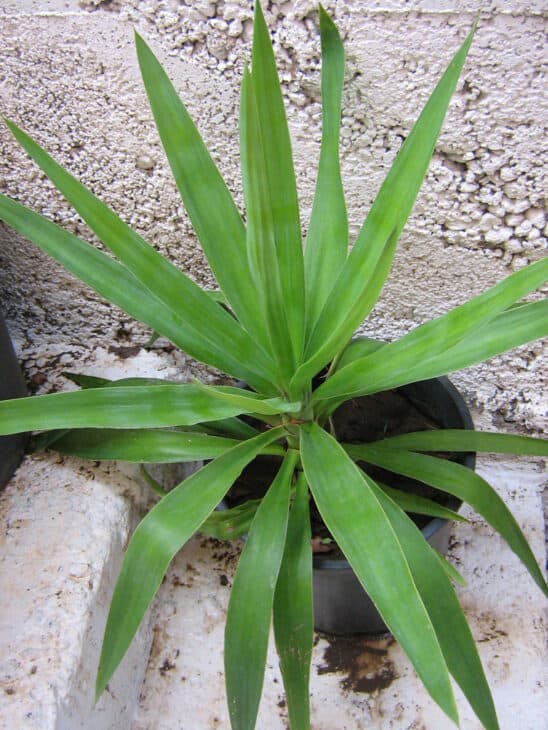
- Yes. It is used in containers and potted plants are typically much shorter than landscape specimens. Use a very well draining mix and avoid winter wet around the roots.
Gallery
Related Plants


Mentioned In (3)
Plants
7 Plants That Look Like Pineapples
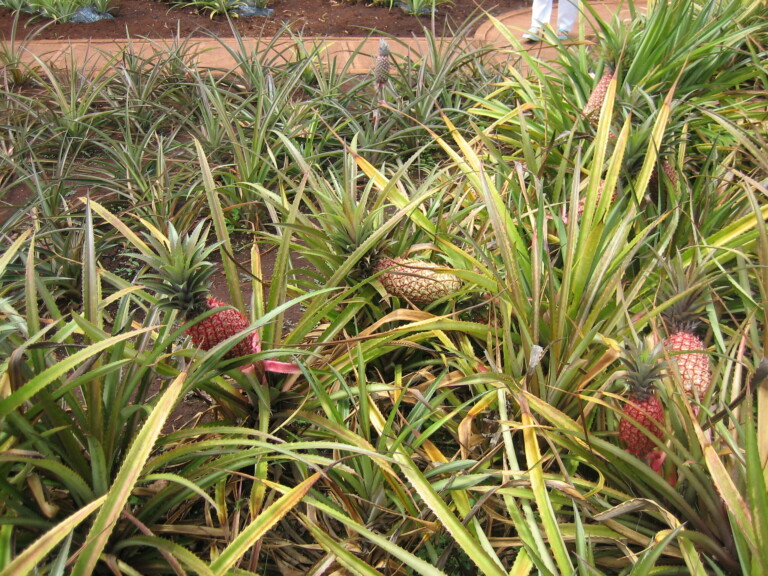
Pineapples form part of the Bromeliacae family and are native to tropical and subtropical America, and can be found worldwide.…

Plants
5 Plants That Look Like Cactus
Cacti are remarkable plants with diverse practical and ornamental uses. Many species produce edible fruits and pads, while their spines…

Plants
9 Plants That Look Like Snake Plants
The snake plant is often the first that inexperienced indoor gardeners searching for plants fall in love with, and with…