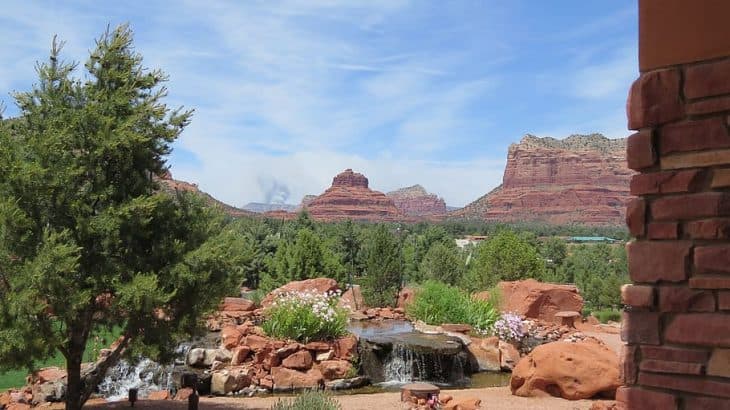
Arizona gardening ranges from hot, arid low deserts to cool, snowy highlands. Plan by elevation and microclimate: low deserts (Phoenix, Tucson, Yuma) support long growing seasons and two primary planting windows (cool-season in fall/winter and warm-season in spring) but require strict water management and heat‑smart choices; higher elevations (Flagstaff, Payson, White Mountains) have short frost‑free seasons and need fast‑maturing, cold‑tolerant selections.
Climate Snapshot
Conservative USDA range: zones 4b–10b statewide with small pockets of 11a in the warmest low‑desert valleys.
Arizona includes Sonoran and Mojave deserts, interior plateaus and mountain ranges.
Low deserts are hot, dry, and experience a July–September monsoon; higher elevations have snowy winters, large diurnal swings, and much shorter growing seasons.
Frost timing varies sharply by elevation—check local frost dates rather than relying on a statewide calendar.
USDA Zones: Conservative range: USDA zones 4b–10b statewide, with small pockets of 11a in the warmest low‑desert valleys. Expect strong local variation by elevation and microclimate.
Last Frost: Ranges conservatively by region: high elevations (e.g., Flagstaff, White Mountains) — late May to mid‑June; transition/plateau (Prescott, Payson) — April to May; low desert metros (Phoenix, Tucson, Yuma) — typically January–February (many low‑desert locations are effectively frost‑free some winters, but occasional freezes can occur). Always check local microclimate dates.
First Frost: By region: high elevations — September to October (early first frosts common); transition/plateau — October to November; low deserts — November to January for occasional frosts (many winters see no sustained frost in lowest desert pockets).
Growing Season: Growing season length varies from very long in low deserts (250–330+ frost‑free days in the warmest sites) to short in high mountains (80–120 days). Use winter/spring windows for warm‑season crops in uplands; in low deserts, take advantage of two prime planting seasons: fall/winter for cool crops and spring for heat‑tolerant crops. Summer requires heat‑tolerant varieties, shade and water‑smart practices.
Arizona Gardening Calendar
Arizona month‑by‑month tasks depend on elevation. Low deserts can plant many cool‑season crops through winter and move to warm‑season transplants in spring; mountain gardens should follow later last‑frost dates and favor quick‑maturing varieties.
Use the brief monthly notes below as a practical roadmap, then refine timing with local extension data or nearby weather stations.
Higher elevations: heavy frosts and snow persist — focus on tool maintenance and planning. Begin ordering seeds and native plants.
February
Low desert: continue cool‑season plantings, begin early vegetables (onions, potatoes) and prune spring‑flowering shrubs after bloom.
Mid‑elevations: start seeds indoors for short growing season. Prepare soil and add organic matter where irrigation is available.
March
Low desert: transition to warm‑season crop sowing indoors/greenhouse; plant fruit and citrus in cooler morning hours.
Plateau/mountain: last frost risk remains — delay frost‑sensitive plantings. Check irrigation systems and start drip lines for spring.
April
Low desert: transplant warm‑season crops after last frost, mulch to conserve moisture, begin regular pest scouting.
Higher elevations: plant cold‑tolerant annuals and begin frost protection planning for late spring freezes. Monitor for late cold snaps.
May
Low desert: final window to set out warm‑season transplants before intense heat; increase watering frequency and install summer shade.
Mountains: short growing season underway — plant fast‑maturing varieties. Watch for early heat stress in low deserts.
June
Low desert: prepare for monsoon and start heat‑stress management (shade cloth, deep mulches).
Delay major new plantings until late summer/early fall unless heat‑tolerant.
High elevations: continue summer plantings and irrigation as needed; be ready for sudden storms.
July
Monsoon season begins: low desert gets afternoon storms — protect young trees from lightning/strong winds, reduce overhead irrigation to avoid root rot after rains, and monitor for fungal issues.
High elevations: enjoy peak growing season but expect thunderstorms and occasional hail.
August
Peak heat in low deserts: focus on irrigation scheduling (deep, infrequent), shade for vulnerable plants and pest monitoring (whitefly, spider mites).
Begin planning fall/winter cool‑season plantings.
Mountain gardens: finish summer maintenance and prepare for cooling nights.
September
Low desert: start fall vegetable beds late in month as temps moderate; continue monsoon cleanup and check drainage.
Higher elevations: first frost risk begins in some years — harvest and protect tender crops.
Transition irrigation to cooler schedules.
October
Low desert: ideal planting window for leafy greens and brassicas; plant garlic and cover crops where applicable.
Plateau/mountain: plant cold‑tolerant bulbs and finalize late‑season harvests; insulate young trees ahead of cold snaps.
November
Low desert: regular planting of cool‑season ornamentals and vegetables; reduce fertilization for heat‑sensitive species.
Mountains: snow becomes likely in many areas; winterize irrigation and protect container plants indoors or with insulation.
December
Low desert: minimal watering on mild days, protect frost‑sensitive exotics during freezes, enjoy citrus harvests.
High elevations: dormancy — focus on pruning stored tools, planning and ordering trees for spring planting.

Seasonal Planting Guidance
Spring: Low deserts — harden off and transplant warm‑season crops (tomato, pepper, squash, melons) after final frost; mulch and install drip irrigation and shade for seedlings as temperatures rise. Plateau/mountains — continue frost‑sensitive plantings only after local last‑frost dates; prioritize fast‑maturing varieties.
Summer: Low desert — extreme heat and monsoon season call for water‑wise strategies: deep, infrequent drip irrigation, shade cloth, thick mulches and heat‑tolerant cultivars (e.g., okra, cowpeas, sweet potatoes). Reduce overhead watering during storms to limit root rot. Higher elevations — summer is main growing season; protect from afternoon storms and hail.
Fall: Low desert — prime window for cool‑season vegetables and greens (lettuce, kale, spinach, carrots, peas, broccoli); plant garlic and onions in early fall. Mid‑elevation — plant cold‑tolerant annuals and establish trees/shrubs so roots set before cold.
Winter: Low desert — productive for leafy greens, herbs and brassicas; protect container tropicals and newly planted trees during freezes. Mountain areas — dormancy and snow; winterize irrigation and store tender containers.
Common Gardening Challenges in Arizona
Heat and drought: High daytime temperatures, low humidity and limited water supplies stress plants. Use drought‑tolerant species, efficient drip systems, deep mulch and soil organic matter to conserve moisture.
Large regional variation and frost risk: Elevation changes create sharply different frost dates and seasons — plan by microclimate, not the statewide average.
Poor native soils and alkalinity: Sandy, gravelly or calcareous soils are common; amend with compost, consider raised beds and select plants tolerant of alkaline conditions.
Monsoon storms and flash flooding: July–September storms can bring heavy rain, hail and high winds — ensure good drainage, anchor young trees and avoid placing vulnerable beds in arroyos.
Regional pests and diseases: Whiteflies, spider mites, aphids, scale and fungal problems after monsoon rains are typical; regular scouting and integrated pest management help.
Water restrictions: Municipal rules and drought response affect irrigation; prioritize water‑wise landscaping and check local ordinances.
Frequently Asked Questions
What should I plant in the low desert vs high elevation Arizona?
Low deserts (Phoenix, Yuma, Tucson): year‑round warm‑season and productive winter cool‑season crops — think tomatoes, peppers, squash and winter lettuce, carrots, peas and brassicas. Choose heat‑ and drought‑tolerant shrubs and trees (citrus, palo verde, mesquite). High elevations (Flagstaff, White Mountains): short season crops and cold‑tolerant vegetables — peas, cold‑hardy greens, short‑season tomatoes; plant native pines and aspens suited to colder winters.
When are local last and first frost dates for Phoenix, Tucson, Flagstaff and Prescott?
These are conservative ranges: Flagstaff (high elevation) — last frost typically late May to mid‑June, first frost Sept–Oct; Prescott/Payson (plateau) — last frost April–May, first frost Oct–Nov; Phoenix/Tucson/Yuma (low deserts) — many sites have last frost in Jan–Feb and first frost in Nov–Jan, though the lowest desert pockets can be effectively frost‑free some winters. Always confirm with local records.
How do I garden during the summer monsoon season?
Reduce overhead irrigation when storms begin, use drip systems, secure young trees against wind, check and improve drainage, remove debris after storms, and scout for fungal diseases. Use mulch to reduce erosion but avoid placing loose mulches in arroyos where they can wash away.
Which trees and shrubs are most drought and heat tolerant in Arizona?
Heat‑ and drought‑tolerant choices for low deserts include palo verde, mesquite, ironwood, desert willow and many drought‑adapted salvias and agaves. Native and regionally adapted trees establish more reliably with less water; match species to elevation and soil type.
How can I protect plants from occasional freezes in the low desert?
For brief freezes: cover sensitive plants with frost cloth or sheets, move containers indoors or to sheltered areas, water soil (moist soil holds heat better than dry), and add mulch around trunks of young trees. For extended cold threats, use temporary windbreaks and consider heat sources for high‑value plants.
What soil amendments work best for alkaline, desert soils?
Add plenty of organic matter — compost, aged manure, or composted mulch — to improve water retention and structure. For iron chlorosis in alkaline soils, use chelated iron products or select tolerant cultivars. Raised beds and soil blends with compost and small amounts of peat or coconut coir help establish vegetables.
How do I set up efficient drip irrigation and watering schedules?
Use pressure‑regulated drip lines and emitters placed at root zones, group plants by water needs, water deeply and infrequently (longer soak cycles) to encourage deep roots, and water in the early morning. Adjust schedules seasonally and reduce irrigation during the monsoon or after significant rain.
What common pests and diseases affect Arizona gardens and how do I manage them?
Watch for whiteflies, spider mites, aphids and scale in warm months, plus fungal issues after monsoon moisture. Control with regular scouting, cultural practices (proper spacing, avoid overhead watering), biological controls (beneficial insects), and targeted treatments like insecticidal soap or horticultural oil when needed.
Which vegetables can be grown in winter in the low desert?
Low desert winters are excellent for cool crops: lettuce, spinach, kale, Swiss chard, carrots, radishes, peas, broccoli, cauliflower, onions and garlic. Sow in fall and enjoy harvests through winter and early spring where frost risk is low.
How do I choose native or low‑water groundcovers and turf alternatives?
Consider native or regionally adapted grasses (buffalo grass, blue grama), drought‑tolerant groundcovers (sedums, thyme, creeping rosemary in appropriate microclimates) and hardscape with planting pockets. Work with local nurseries and native plant societies to select species matched to your elevation, soil and use‑case.
Arizona is home to some of the most beautiful trees you’ll find in North America. From saguaros to ponderosa pines, Arizona’s diverse landscapes are filled with
Arizona’s climate ranges from low to subtropical deserts to the coldest mountain, ultimately determining which trees are most adapted to each region. Palo verdes and mesquites are native
Although Arizona is mostly a dry state, its mild climate is conducive to trees and plants that thrive, and whether you’re a homeowner or a professional