
Key Facts
- A group of species in the daisy family with yellow, dandelion-like flower heads.
- Often grows as an annual or short-lived perennial depending on climate.
- Contains a milky latex in stems and leaves that can irritate skin for some people.
- Spreads mainly by large numbers of wind-dispersed seeds.
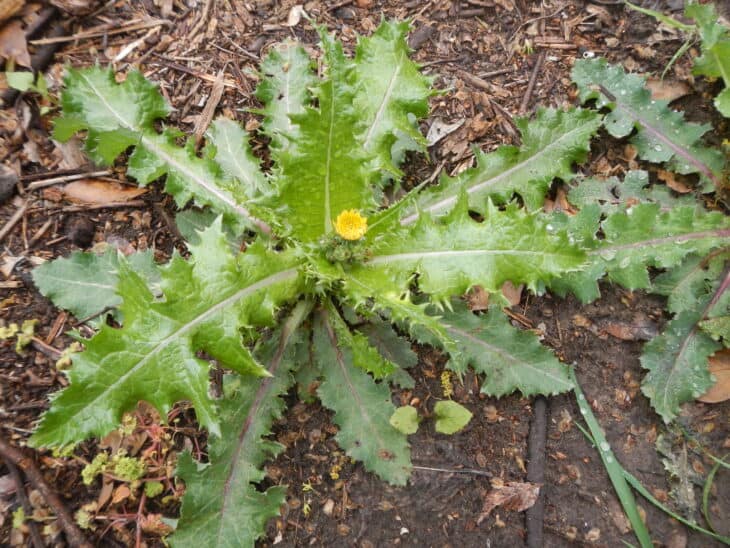
- Leaves form a basal rosette and stems are erect and often hollow.
- Commonly found in disturbed ground gardens and field edges.
- Young leaves are eaten as a wild green in some cuisines.
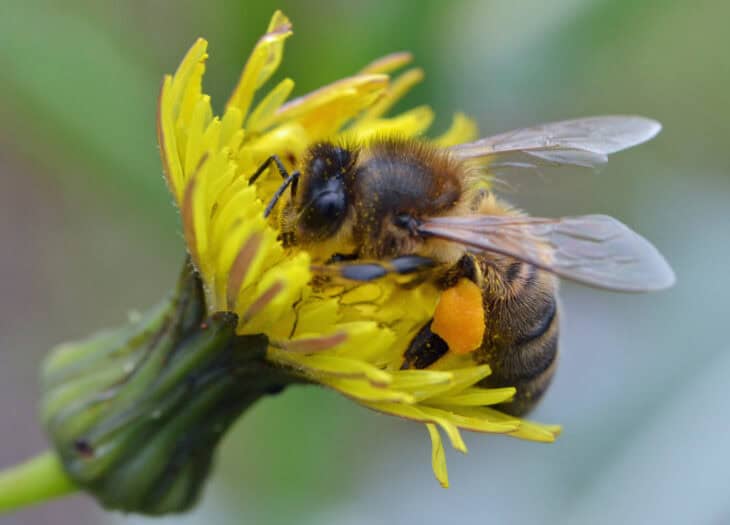
Sow Thistle is a group of yellow flowered herbs in the daisy family that often appear in disturbed ground and garden beds. Plants are useful as a quick green for foraging or as a nectar source for pollinators but they reseed freely and have milky sap that can irritate skin.
Identification
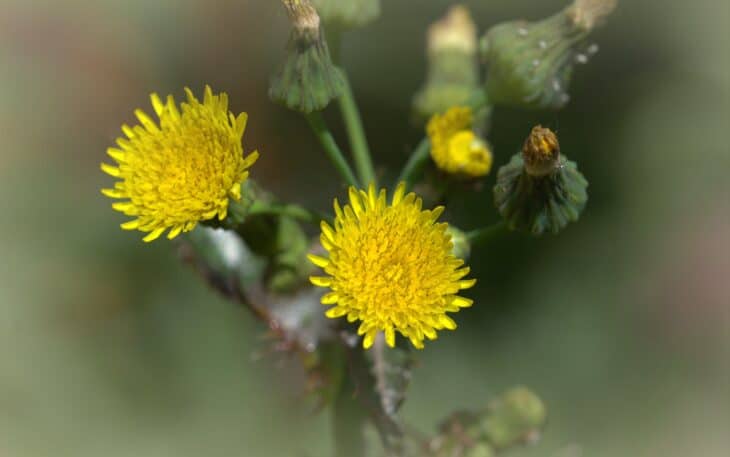
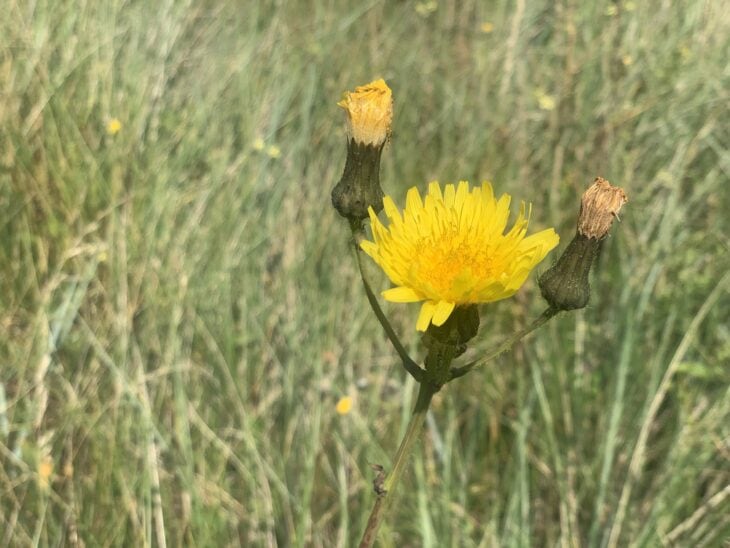
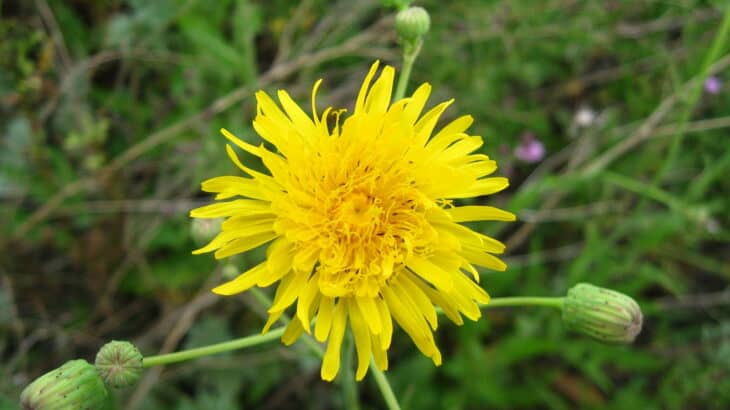
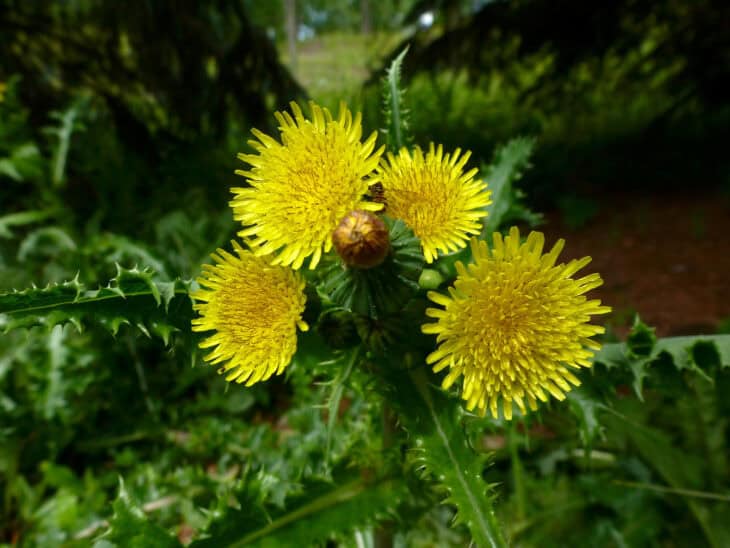
Leaves form a basal rosette with erect hollow stems that carry dandelion like yellow flower heads. Size varies by species and site with plants commonly from 10 to 120 cm tall. Stems and leaves exude a white milky latex when broken.
Where to grow and best uses
Grows in full sun to part shade and adapts to a wide range of soils including compacted and low fertility ground. Best uses include informal wildlife edges and foraging where young leaves are harvested. In cultivated beds the species is better left out because it reseeds rapidly.
Planting and propagation
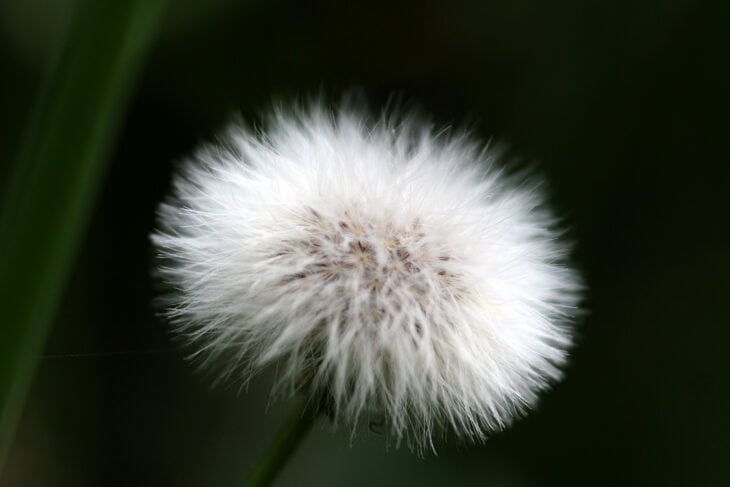
Sonchus species reproduce mainly by seed with each seed carrying a pappus that aids wind dispersal. Plants behave as annuals in colder climates and as short lived perennials in milder areas. Individual plant canopy is typically about 15 to 60 cm across so allow that spacing if sowing intentionally.
Watering and soil
Plants prefer well drained soils and tolerate poor fertility. Prolonged waterlogging reduces vigor and flowering. No special feeding is required in most disturbed sites.
After flowering and seasonal care
Remove flower heads before seeds form to limit reseeding. Pull rosettes by the root crown when small to reduce future plants. Do not compost seed heads unless you prevent seeds from escaping.
Controlling spread
Sow Thistle spreads mainly by large numbers of wind dispersed seeds which makes control difficult once seed is produced. Preventative steps work best. These include removing blooms, hand pulling seedlings and using a dense mulch on bare soil to reduce germination.
Edible use and safety
Young leaves of some Sonchus species are eaten as a wild green in some cuisines. The milky sap can irritate skin and may cause mild stomach upset if eaten in quantity. Confirm edibility and pet safety with local foraging guides and poison control before eating.
Frequently asked questions
- How fast does Sow Thistle grow?
- Often fast growing. In suitable conditions a plant can develop from seed to flowering within the same growing season which leads to rapid reseeding.
- Are Sow Thistles invasive?
- They are aggressive reseeders in many settings because of wind dispersed seed. They colonize disturbed ground and can crowd out young seedlings but they are not known for damaging structures.
- Can I eat Sow Thistle?
- Some species have edible young leaves that are used as greens. The sap can irritate skin and reactions vary so verify with local foraging and safety sources before eating.
- How do I prevent Sow Thistle from reseeding?
- Cut or remove flower heads before seeds form. Pull plants at the root crown when they are still small. Avoid composting seed heads that contain mature seeds.
- Will Sow Thistle harm my lawn or vegetable seedlings?
- It can compete with and crowd out small seedlings in bare or disturbed spots. Regular removal and maintaining dense turf or mulch reduces establishment.
Gallery
Related Plants


Mentioned In (1)

Plants
7 Plants That Look Like Dandelions – Can You Distinguish Them?
Common dandelions (Taraxacum officinale) grow like weeds all over the world. Their happy little yellow flowers are a favorite for…