
Key Facts
- Woody perennial subshrub in warm climates.
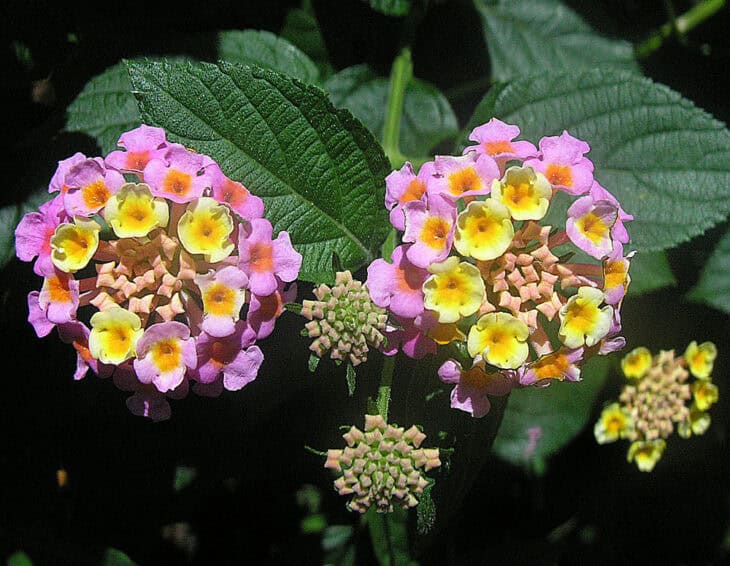
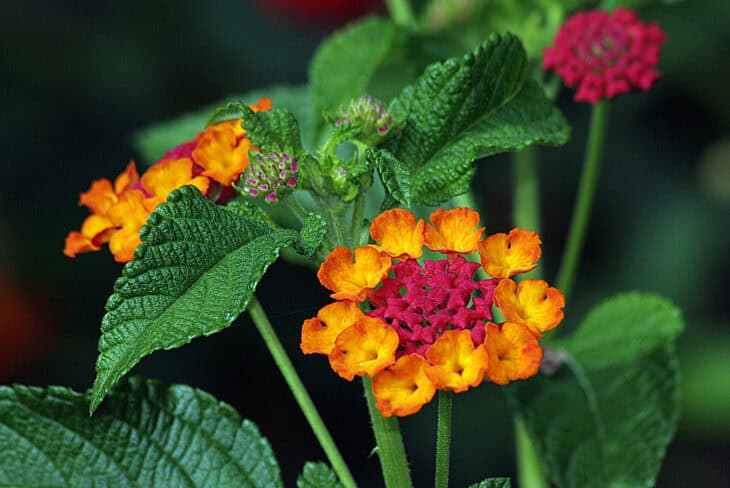
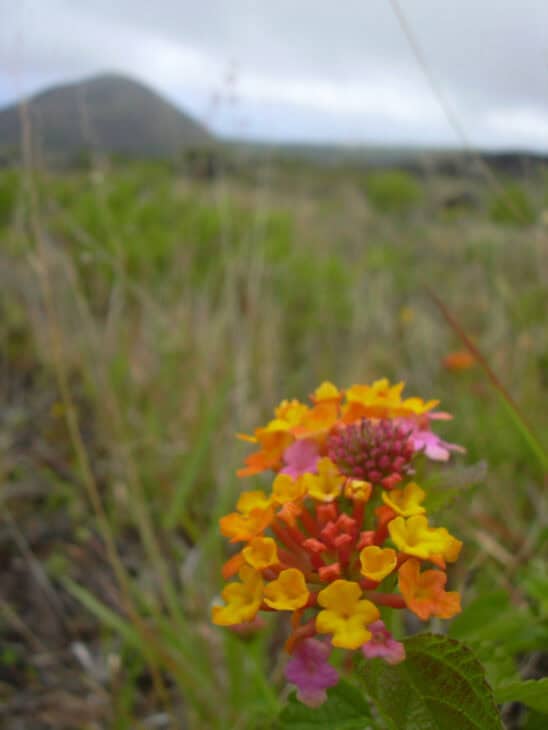
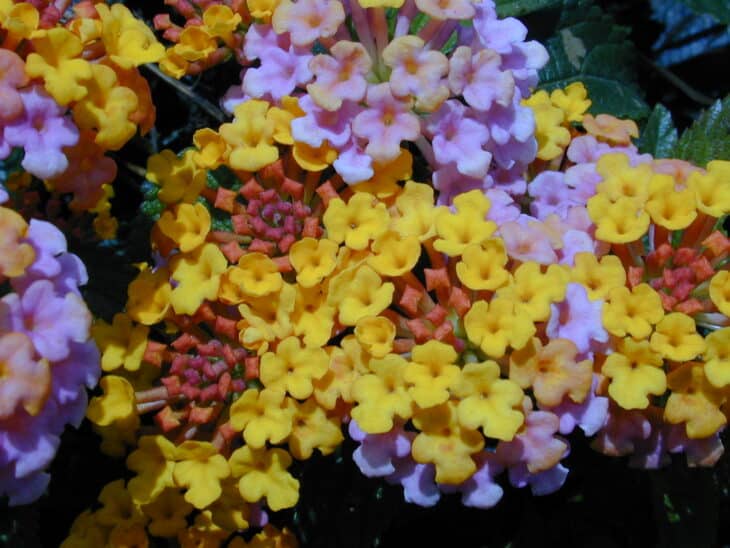
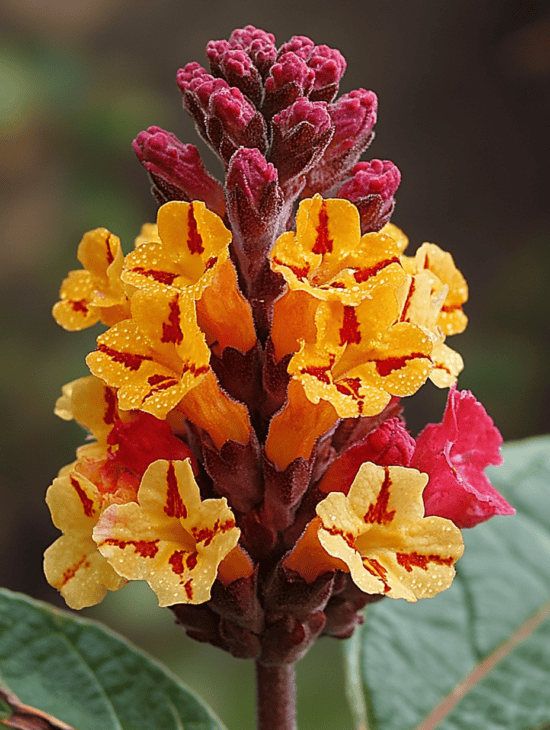
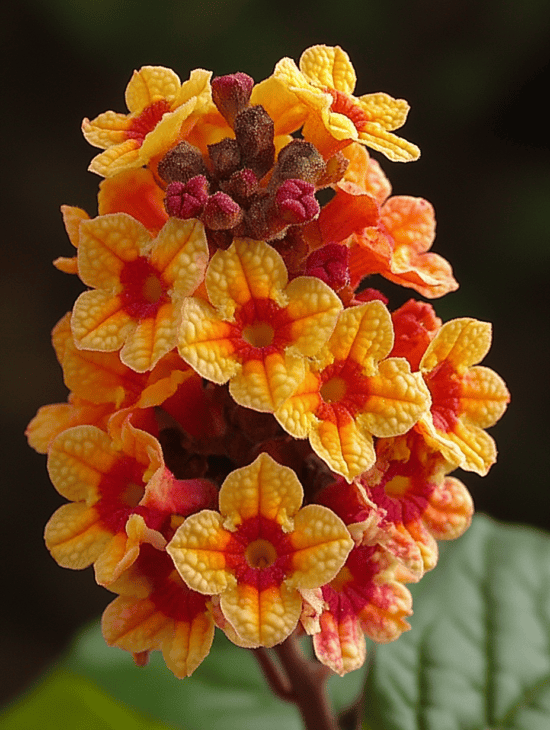
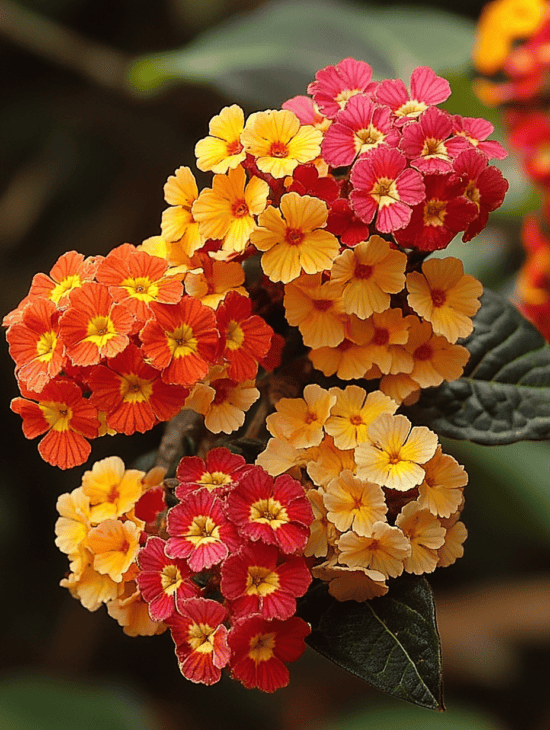
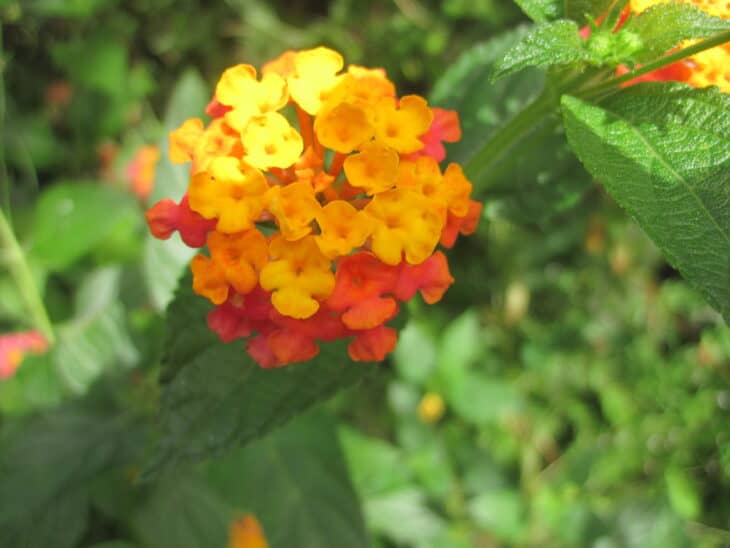
- Produces dense clusters of small multicolored flowers.
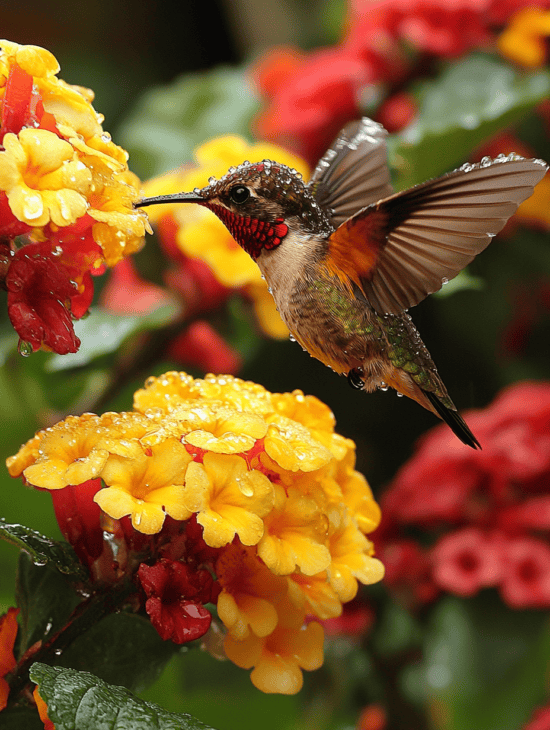
- Flowers attract butterflies and other pollinators.
- Tolerates drought once established.
- Prefers well drained soil and full sun for best flowering.
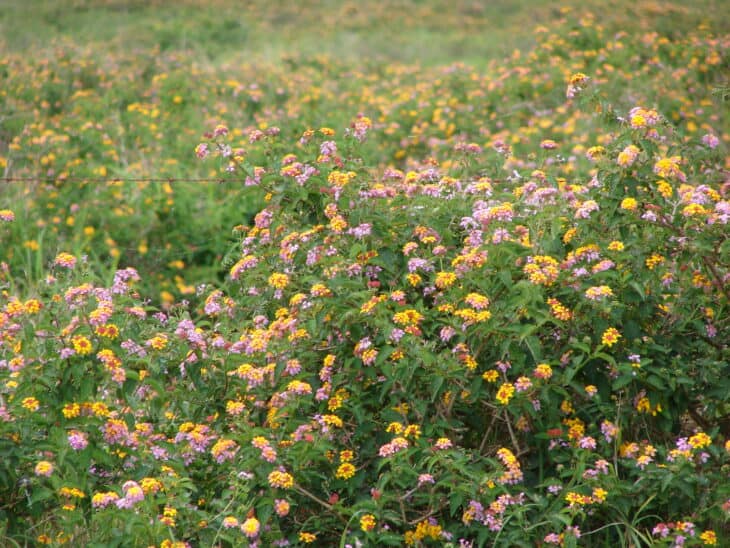
- Can be invasive in frost free regions.
- Berries and foliage are toxic if ingested by people and animals.
- Easily propagated by softwood cuttings and by seed.
- Many cultivars vary widely in size and flower color.
Lantana is a woody perennial subshrub prized for dense clusters of small multicolored flowers that attract butterflies. It tolerates heat and drought and blooms from spring through fall in temperate climates but can become aggressive in frost free areas.
Identification
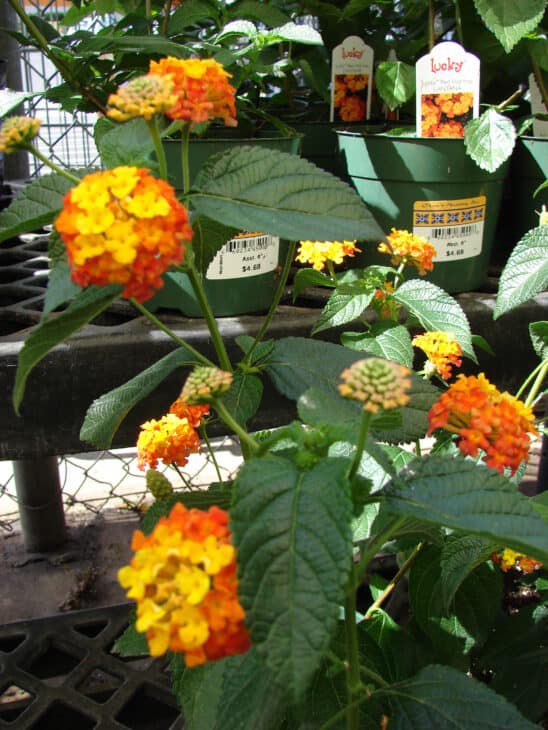
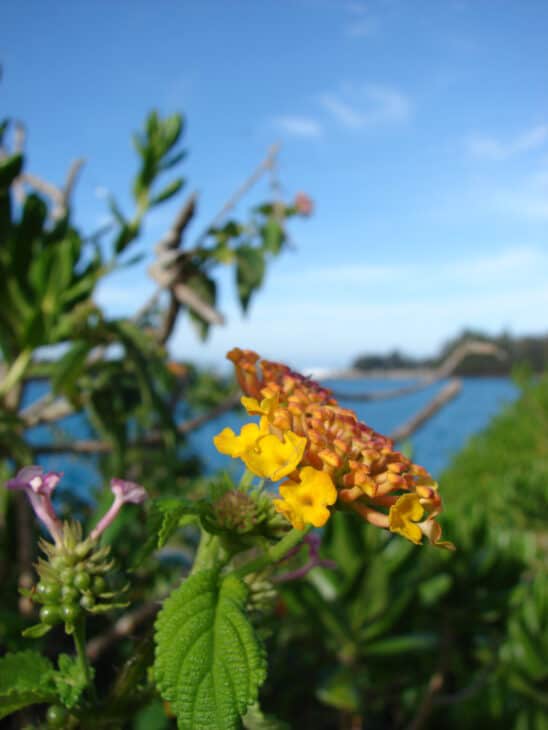
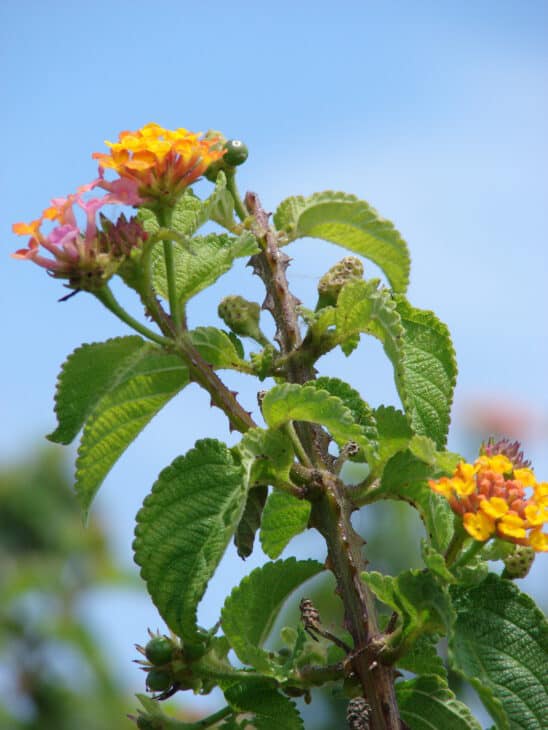
Leaves are rough textured and the plant forms a woody, often sprawling habit. Many cultivars range from about 1 to 4 feet tall and from about 1 to 5 feet wide depending on variety and growing conditions. Flower clusters come in mixed colors and appear for long periods in warm weather.
Where to grow Lantana and best uses
Use lantana in sunny borders and mass plantings where drought tolerance and continuous color are desired. It also works in containers especially where winters are cooler and plants are moved indoors or treated as annuals. Avoid planting where frost free conditions allow unchecked spread near wildlands or sensitive habitats.
Hardiness and seasonal notes
Performs as a perennial in USDA zones 8 to 11. In colder climates grow lantana as an annual or keep plants in pots and bring them inside before frost. Blooming typically runs from spring through fall and can continue year round where frost is absent.
Soil light and watering
Plant in well drained soils. Lantana tolerates average to poor soils and will not do well in waterlogged heavy clay which leads to root decline and reduced vigor. Full sun gives the best flowering and light shade reduces bloom. Water regularly to establish plants then reduce frequency to allow drought tolerance to develop. Overwatering shows up as poor growth and root problems.
Planting and spacing
Plant after the last hard frost in temperate areas. Space plants according to mature spread which varies by cultivar and habit. Typical spacing is about 1 to 5 feet apart based on how large the selected variety becomes.
Maintenance after flowering and spread control
Remove spent flower clusters to keep beds tidy and encourage more blooms. In frost free regions remove seedlings and cut back flowering wood if plants begin to form dense patches. Check local invasive species lists before planting and avoid letting berry production go unchecked in areas where self seed is likely.
Containers and colder climates
Containers let you grow tender cultivars outside in summer and protect them from frost in winter. Potted lantana can be taken indoors or moved to a sheltered spot where light is good and watering is reduced.
Toxicity and handling
Berries and foliage are toxic if ingested by people and animals. Handling can cause skin irritation in sensitive individuals. Keep lantana away from pets and livestock and consult local poison control for treatment guidance if ingestion occurs.
Propagation
Propagate by softwood or semi hardwood cuttings for true to type results. Seed will grow but named cultivars may not come true from seed. Some varieties can also spread by suckers.
Frequently asked questions
- How fast does Lantana grow?
- Growth rate varies by cultivar and conditions. In favorable climates plants can fill their mature spread quickly and form dense patches where they self seed.
- How do I control lantana spread?
- Remove seedlings and spent berries, prune back vigorous growth and avoid planting where frost free conditions allow year round growth. Check local invasive lists before planting.
- Is lantana toxic to pets?
- Yes. Berries and foliage are toxic to pets and livestock if eaten. Contact a veterinarian or poison control for specific treatment steps.
- Can I grow lantana in a container?
- Yes. Containers are useful for moving plants indoors in colder climates or for controlling spread in frost free regions.
- When does lantana bloom?
- In temperate climates lantana blooms from spring through fall and it can bloom year round where there is no frost.
- What is the easiest way to propagate lantana?
- Taking softwood cuttings produces true to type plants and is generally easier than relying on seed for named cultivars.
Gallery
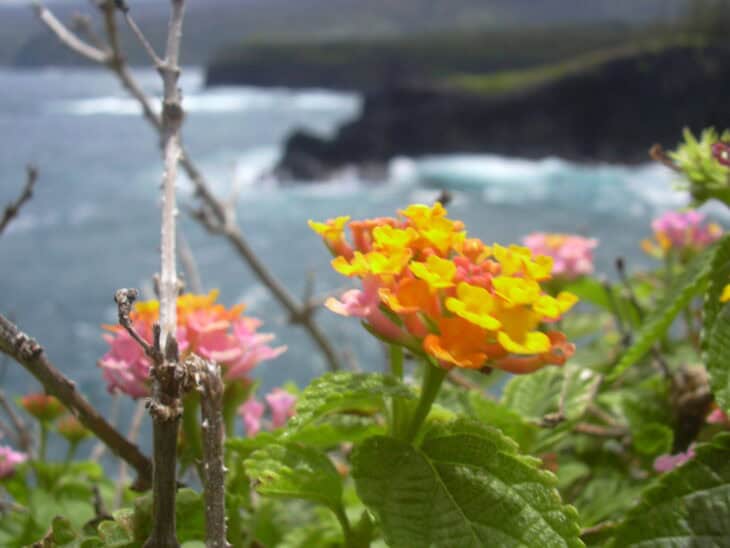
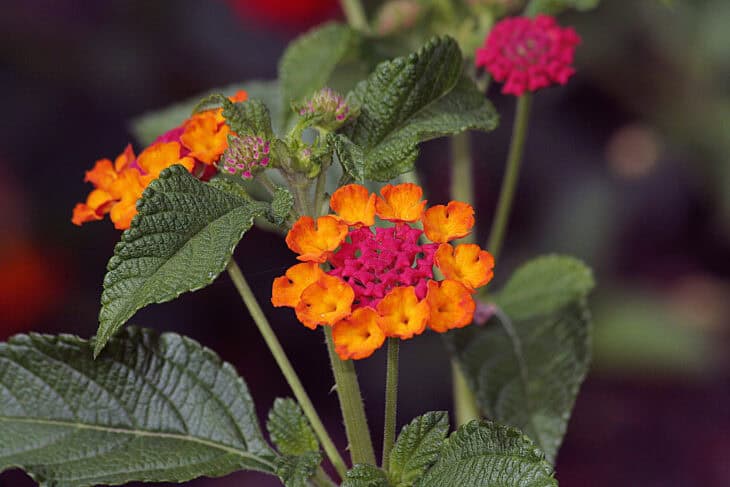
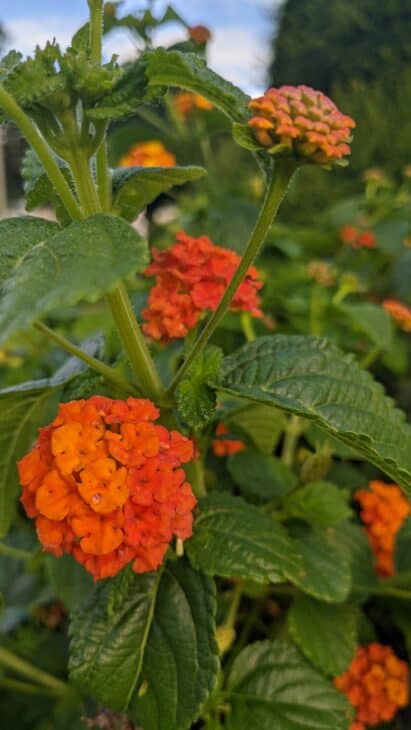
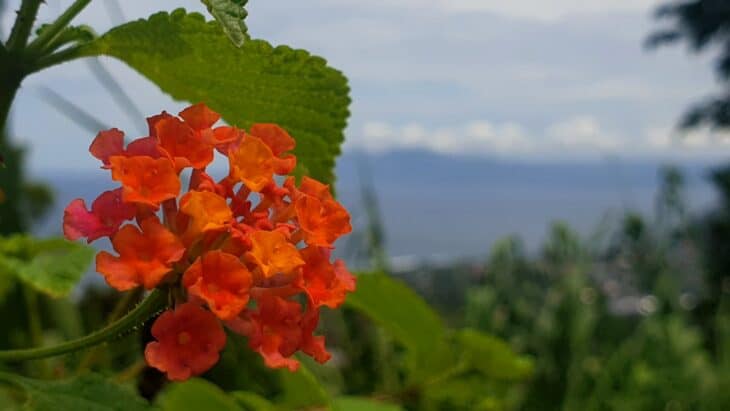
Related Plants


Mentioned In (8)

Plants
25 Poisonous Plants in North Carolina
North Carolina is home to hundreds of different species of poisonous plants. While some of these plants are more common…

Plants
24 Poisonous Plants in Tennessee
Interested in learning about the poisonous plants in Tennessee to protect yourself when hiking the great outdoors in the state?…

Plants
22 Poisonous Plants in Arizona
Arizona is home to a hot and dry climate, which is generally a place where poisonous plants can thrive. These…

Plants
14 Poisonous Plants in South Carolina
South Carolina is blessed with a vast array of some of the most stunning flora and fauna, with vivid hues…

Plants
18 Poisonous Plants in Nevada
The large State of Nevada is located in the country's Western region. Its borders meet Oregon, California, Idaho, Arizona, and…

Plants
24 Poisonous Plants in Oklahoma
You can find several types of poisonous plants in the state of Oklahoma in a variety of natural landscapes. So,…
Plants
24 Poisonous Plants in Texas
If you live in Texas or are visiting and you love mother nature, be prepared to run into at least…

Plants
24 Poisonous Plants in Florida
When we think about plants, we usually think about how magnificent and beautiful they are. They are a source of…