
Key Facts
- Evergreen ornamental shrub commonly grown as a houseplant in cool climates.
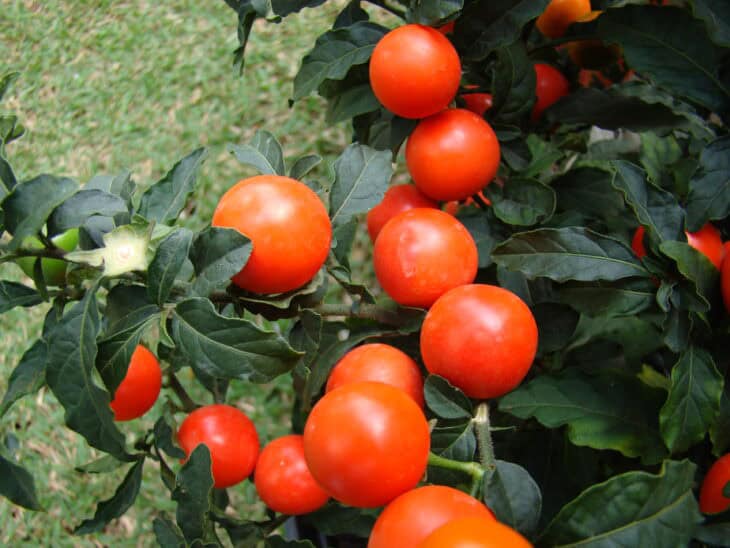
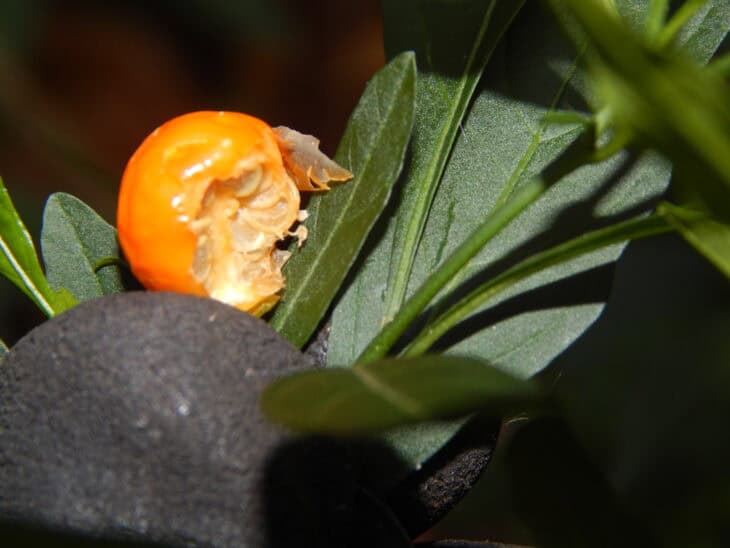
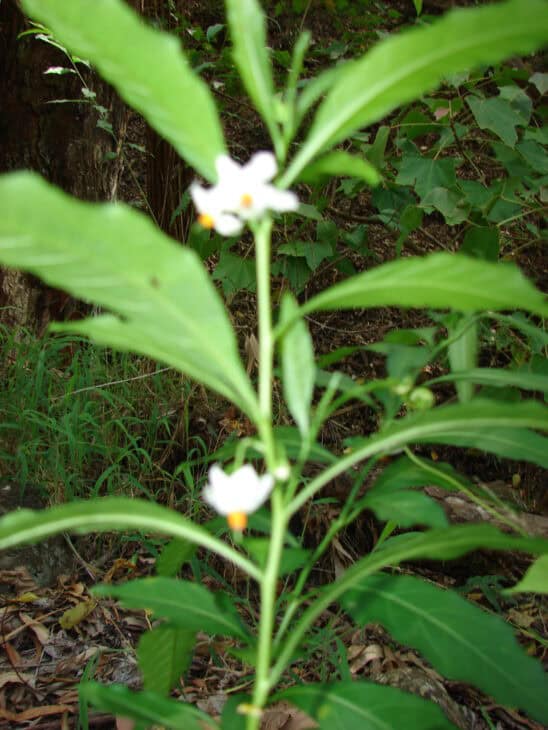
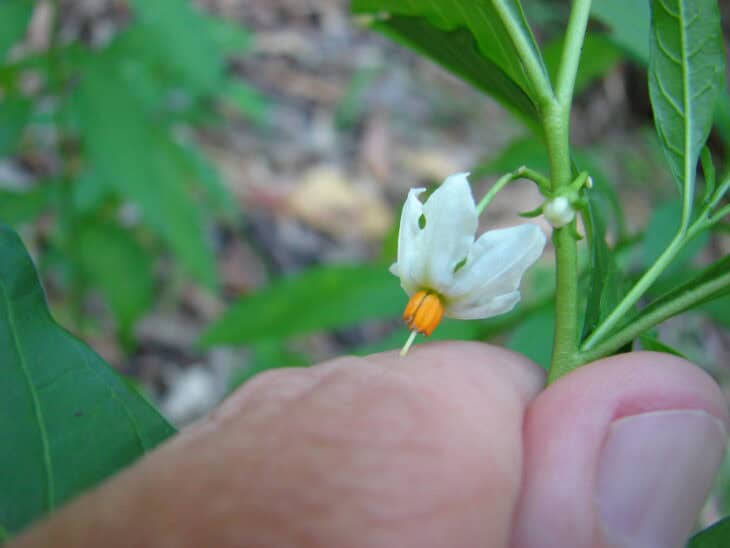
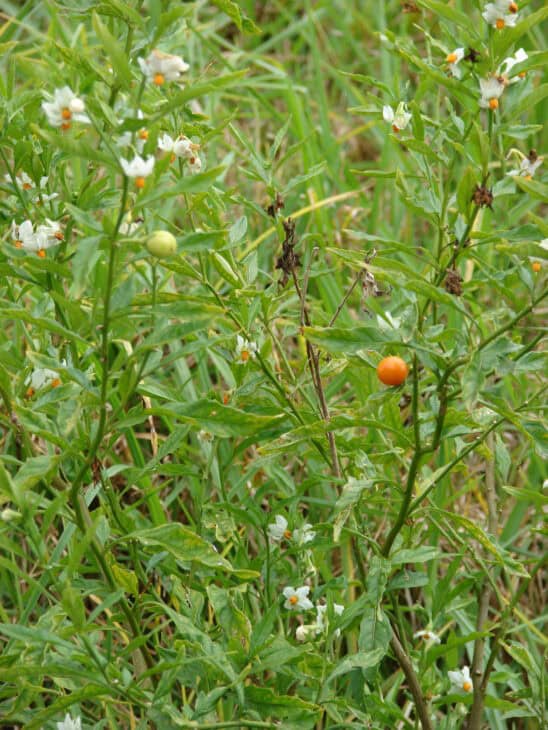
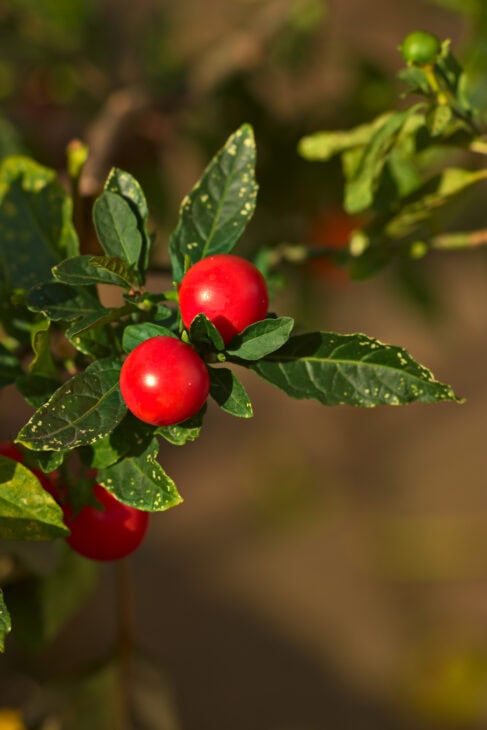
- Produces small white star shaped flowers followed by orange to red berry fruits.
- Berries are toxic to people and pets and should be kept out of reach.
- Tender to frost and usually grown outdoors only in mild climates.
- Prefers bright light and well drained soil.
- Propagated by seed or softwood/semiripe cuttings.
Jerusalem Cherry is a compact evergreen ornamental grown for white star shaped flowers and bright orange to red berries, prized in containers and as a houseplant in cool climates. It stays small and decorative but is tender to frost and its berries are toxic to people and pets.
Identification
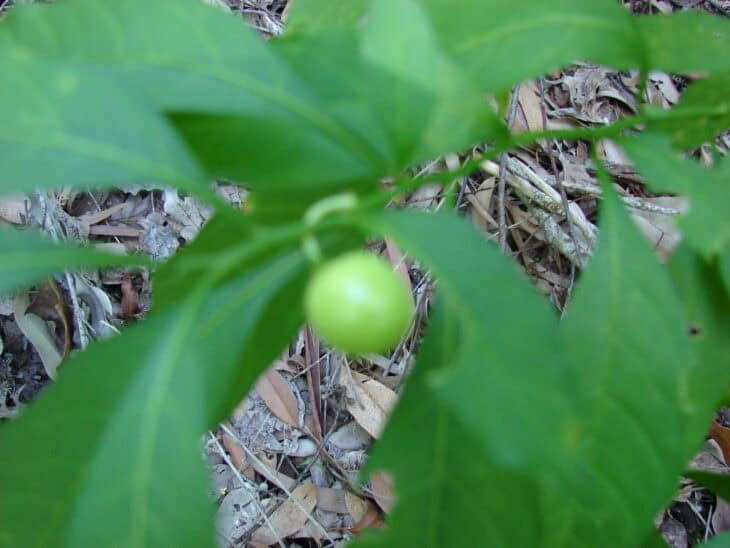
Small evergreen shrub, typically 1 to 3 feet high with a similar spread. Leaves are simple and the plant produces small white star shaped flowers followed by orange to red berry fruits that often persist into cooler months in mild sites.
Where to grow and common uses
Use in containers, on sheltered patios, or as a compact bedding shrub in mild climates. Best outdoors in USDA zones 9 to 11 where it can remain evergreen and fruit reliably. In colder regions keep as a houseplant or grow as an annual.
Planting and spacing
Choose a site with bright light to part sun or a bright indoor window that avoids hot direct afternoon sun. Match spacing to the plant’s mature spread, roughly 1 to 3 feet between plants when used in borders or beds.
Soil and watering
Grow in well drained, fertile soil such as loam or sandy loam with a slightly acidic to neutral pH. Keep soil evenly moist but never waterlogged. Poor drainage encourages root rot and reduces vigor.
Light and temperature
Bright light produces the best flowering and fruit. In hot inland climates provide afternoon shade to prevent leaf scorch. The plant is frost tender so avoid outdoor planting where freezes occur.
After flowering and maintenance
Remove spent flowers and prune lightly to shape and limit size. Berries may persist and add winter interest in mild sites. Reduce watering and protect roots from winter wet to prevent rot in cooler seasons.
Propagation
Propagate by seed or by taking softwood or semiripe cuttings. Cuttings root faster with warmth, humidity and the use of a rooting hormone. Seed raised plants can vary from the parent.
Toxicity and safety
Berries and foliage contain solanaceous alkaloids and are toxic to dogs, cats and potentially to children if ingested. Keep plants out of reach and contact local poison control or a veterinarian for suspected exposures.
Frequently asked questions
- How fast does Jerusalem Cherry grow?
- Growth rate varies with light, water and fertility. Plants typically reach their mature size of about 1 to 3 feet rather than becoming large shrubs.
- Can I grow Jerusalem Cherry indoors?
- Yes. It is commonly grown as a houseplant in cool climates when provided bright light and well drained potting mix.
- Are the berries poisonous to pets?
- Yes. The berries and foliage are toxic to dogs and cats and can cause gastrointestinal or neurological symptoms depending on the amount eaten.
- When does Jerusalem Cherry bloom?
- Flowers and fruit appear during the growing season, generally spring to fall, with berries often persisting into winter in mild or protected sites.
- What is the easiest way to propagate it?
- Seeds germinate readily but softwood or semiripe cuttings root quickly when kept warm and humid and treated with rooting hormone.
Gallery
Related Plants


Mentioned In (1)
Plants
22 Poisonous Plants in Ohio
Ohio is home to some of the most interesting and unique wildflowers as well as some of the most dangerous…