
Key Facts
- Annual or short lived perennial herb typically 1–5 ft (30–150 cm) tall.
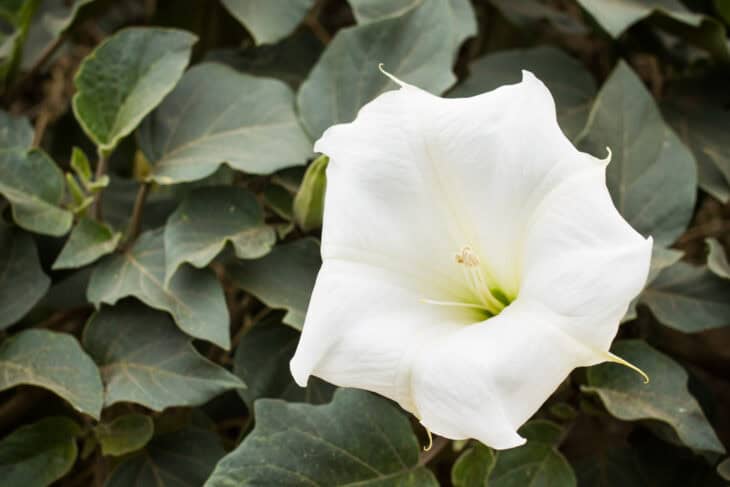
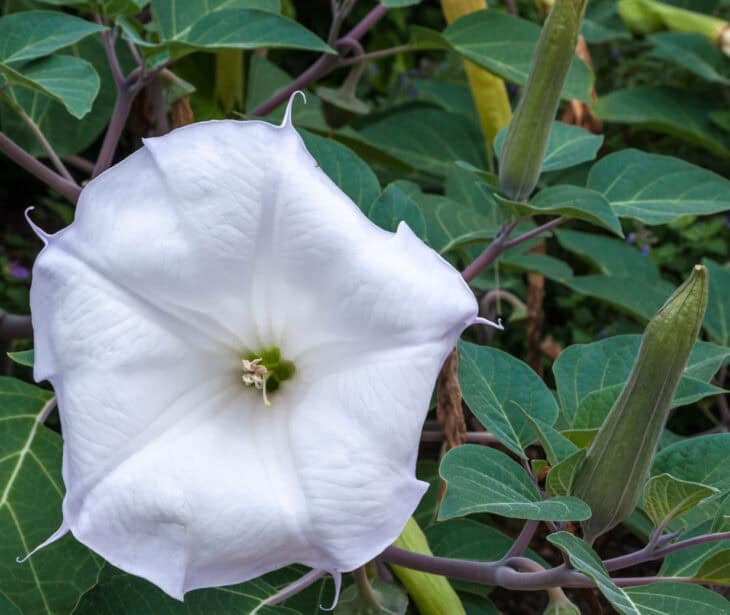
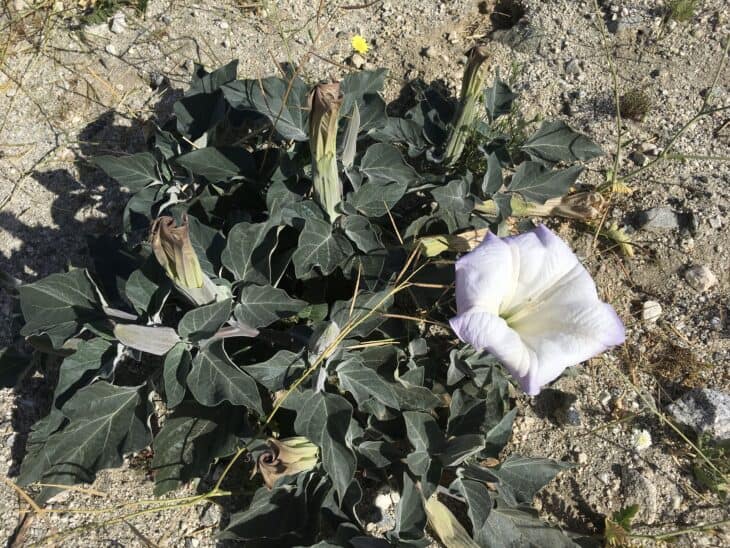
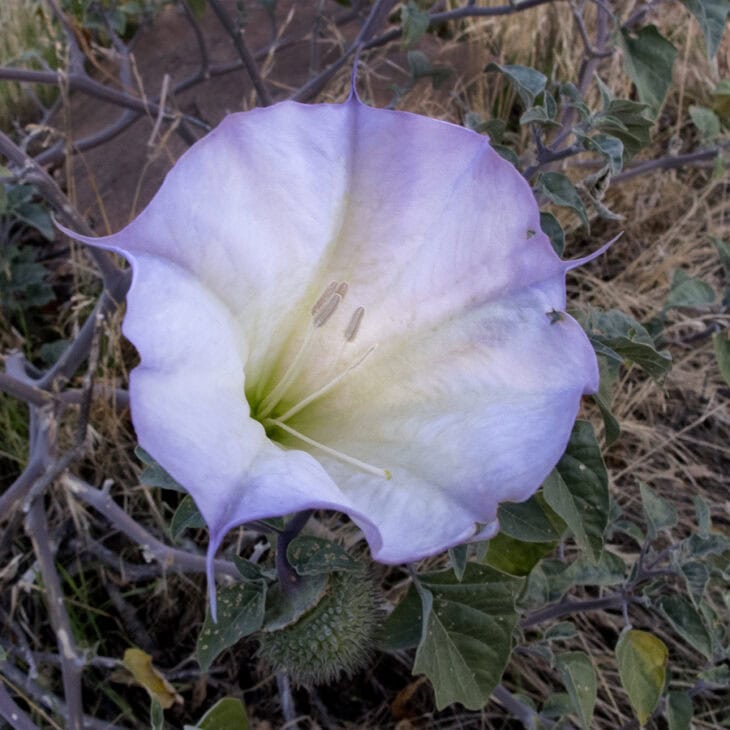
- Large trumpet shaped white to pale purple flowers that open in the evening.
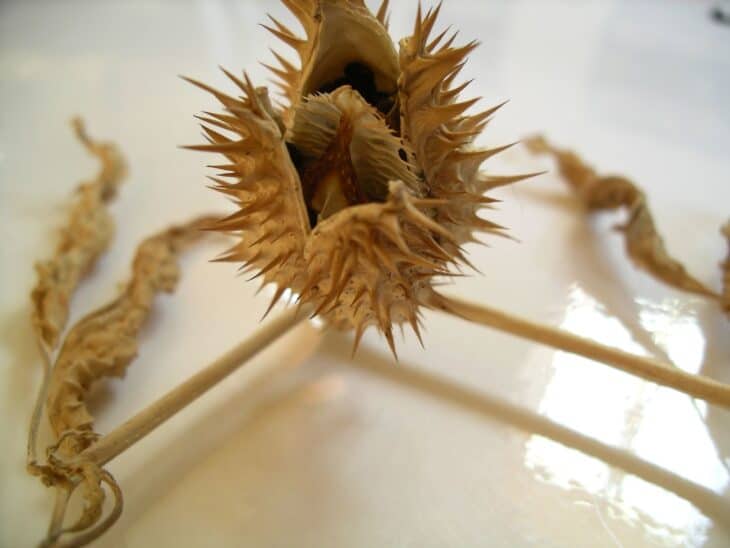
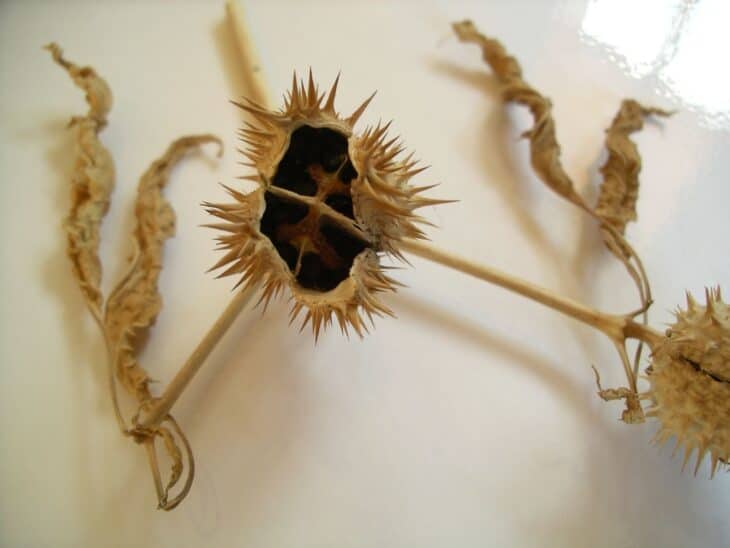
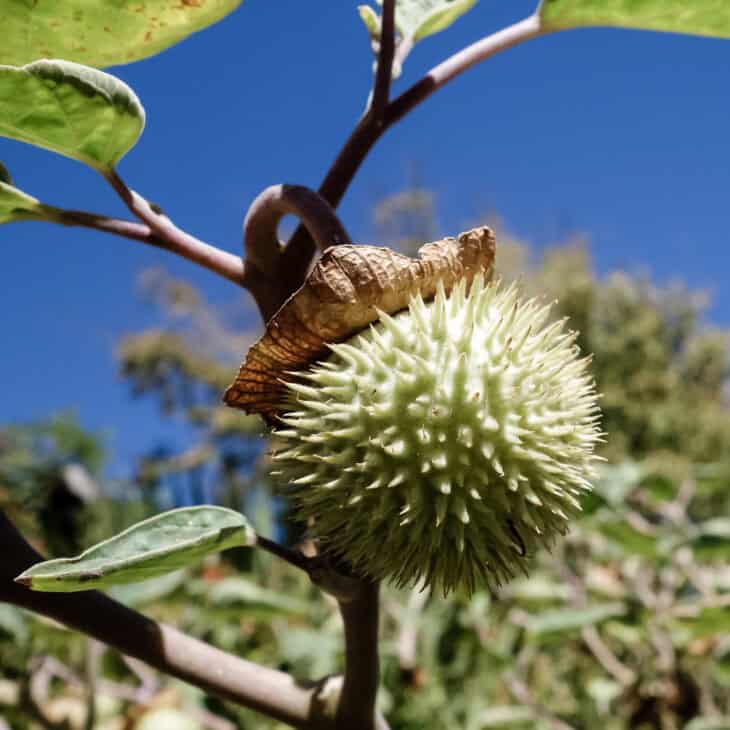
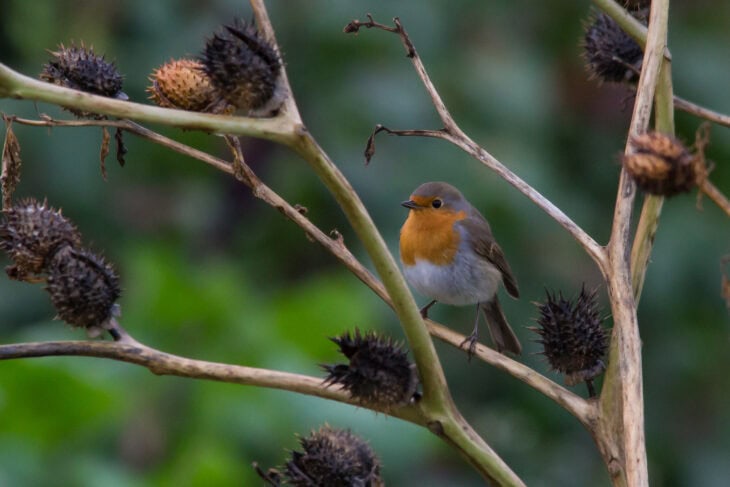
- Produces a spiny capsule fruit filled with many seeds.
- Readily self seeds and can behave as a weedy volunteer in disturbed soil.
- All plant parts contain tropane alkaloids and are toxic if ingested.
- Flowers appear in summer to early fall in temperate climates.
- Prefers well drained soil and tolerates poor, dry soils.
- Performs best in full sun to part shade.
Jimsonweed is a self seeding herb with large evening trumpet flowers and spiny seed capsules. It can make a dramatic annual specimen in sunny, disturbed spots but all parts are toxic and plants spread readily by seed.
Identification
Plants usually reach 1 to 5 feet tall and produce large white to pale purple trumpet shaped flowers that open in the evening. Fruit are spiny capsules that split to release many seeds. The species is an annual or a short lived perennial depending on local winter severity.
Where to grow and common uses
Grow in a sunny to part shade border or a naturalized area where volunteers are acceptable. Jimsonweed performs well in well drained, poor or dry soils and blooms in summer into early fall in temperate climates. Avoid planting near play areas or where children and pets might encounter the plant due to its toxicity.
Planting and seasonal timing
Sow seed indoors before last frost or direct sow after frost has passed. Space plants about 1 to 3 feet apart to allow for mature spread. Flowers typically appear from summer into early fall in the Northern Hemisphere.
Water and soil
Plants prefer well drained soil and tolerate dry conditions. Regular watering while plants establish will help growth. Do not leave plants in waterlogged soil as root decline can occur.
After flowering and seed control
Seed capsules contain many viable seeds and promote rapid natural reseeding. Remove and destroy capsules before they open to limit spread. Wear gloves when handling pods and plant material and do not add ripe seed heads to compost.
Controlling volunteers
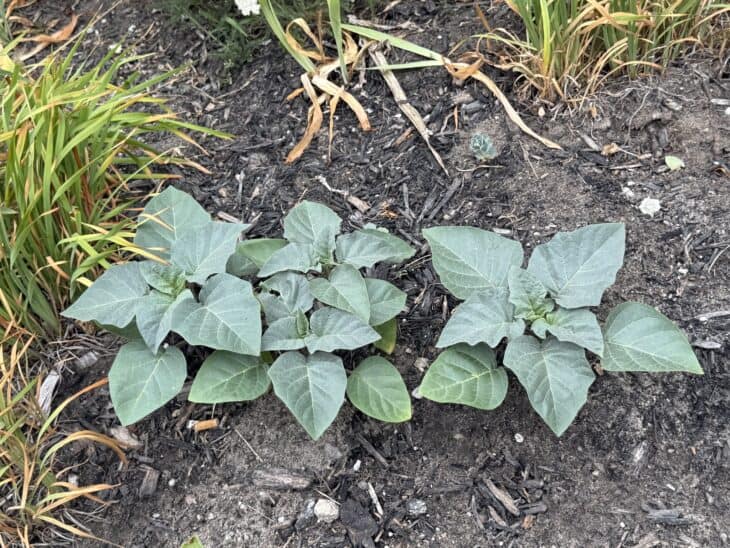
Young plants are easiest to remove by pulling before they set seed. Monitor borders and disturbed soil for volunteer seedlings. Persistent stands expand mainly by seed so reducing seed production is the most effective long term control.
Propagation
Propagate by seed. Plants readily self seed so new plants commonly appear the following season where seeds were allowed to mature.
Toxicity and safety
All parts of the plant are poisonous to humans and animals. Jimsonweed contains tropane alkaloids that can cause severe anticholinergic effects if ingested. Keep plants away from livestock, pets and children. Wear gloves when removing plants or seed capsules and consult local poison control for exposure guidance.
Frequently asked questions
- How fast does Jimsonweed grow?
- Seedlings can grow quickly and plants often reach their typical 1 to 5 foot height within a single growing season in favorable conditions.
- Is Jimsonweed invasive?
- The plant readily self seeds and can behave as a weedy volunteer in disturbed soil. Manage by removing seed heads and pulling volunteers.
- When does Jimsonweed bloom?
- Flowers appear in summer into early fall in temperate climates, typically from June to September in the Northern Hemisphere.
- Can I keep Jimsonweed where I have pets?
- No. All parts are toxic to dogs, cats and livestock. Avoid planting where animals can graze or access plant material.
- How do I stop it from reseeding?
- Remove seed capsules before they split, pull seedlings and dispose of mature seed heads in the trash rather than in compost.
Gallery
Related Plants


Mentioned In (11)

Plants
9 Plants That Look Like Okra
Although you may not be too familiar with an okra plant, you have undoubtedly seen the pods before. Okra pods…

Plants
23 Poisonous Plants in Georgia
In Georgia, you do not only have to worry about dangerous pests that may be destroying your yard. Instead, you…
Plants
25 Poisonous Plants in Hawaii
Plants that may appear to look lush and green in the Hawaiian flora could actually be toxic and poisonous. Even…

Plants
24 Poisonous Plants in Tennessee
Interested in learning about the poisonous plants in Tennessee to protect yourself when hiking the great outdoors in the state?…

Plants
22 Poisonous Plants in Arizona
Arizona is home to a hot and dry climate, which is generally a place where poisonous plants can thrive. These…

Plants
22 Poisonous Plants in Iowa
Hikers in Iowas must constantly be aware of the possibility of disaster in a natural environment, even if they are…

Plants
17 Poisonous Plants in New Hampshire
New Hampshire's delicate beauty and innocent demeanor disabuse us of any preconceived notions. New Hampshire's fresh scents entice us, but…

Plants
14 Poisonous Plants in West Virginia
West Virginia is a great area to get in tune with nature because of its lush forests, rivers, and plentiful…

Plants
18 Poisonous Plants in Nevada
The large State of Nevada is located in the country's Western region. Its borders meet Oregon, California, Idaho, Arizona, and…
Plants
22 Poisonous Plants in Ohio
Ohio is home to some of the most interesting and unique wildflowers as well as some of the most dangerous…
Plants
24 Poisonous Plants in Texas
If you live in Texas or are visiting and you love mother nature, be prepared to run into at least…