Key Facts
- Native North American wildflower.
- Tubular flowers open in late afternoon or evening.
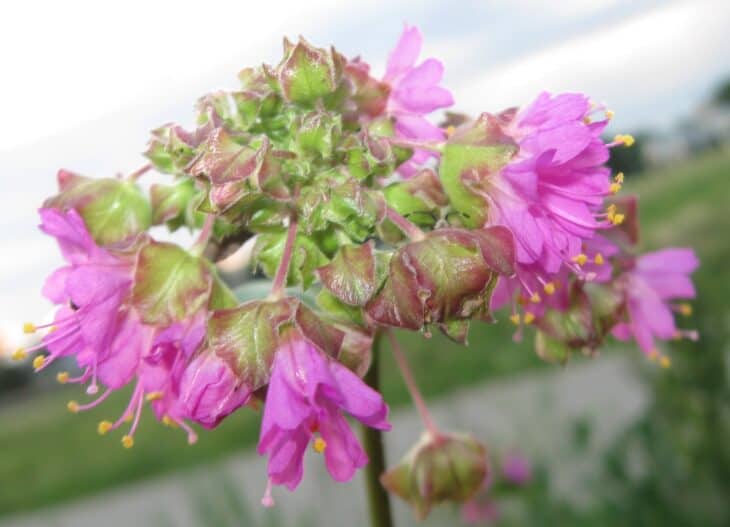
- Flower color typically pink to magenta and occasionally pale yellow or cream.
- Grows as an annual or short-lived perennial with fleshy roots.
- Tolerates dry and poor soils and prefers well drained sites.
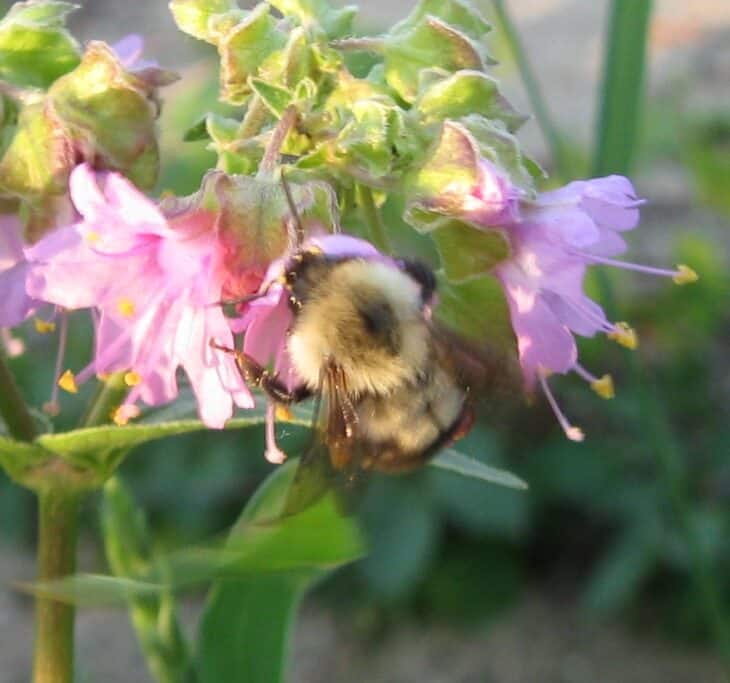
- Attracts evening pollinators such as moths.
- Reproduces by seed and self-seeds readily.
- Typically reaches about 1–3 ft (30–90 cm) tall.
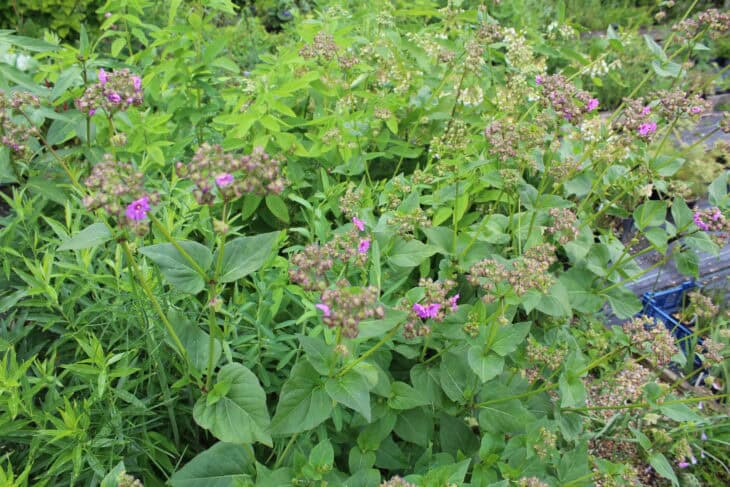
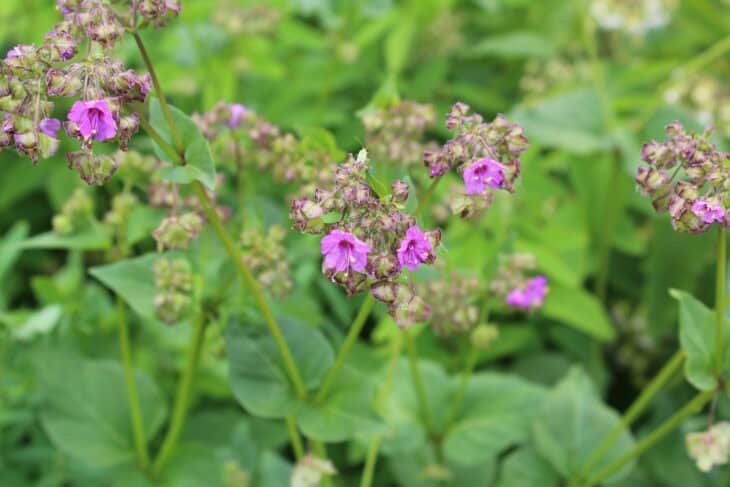
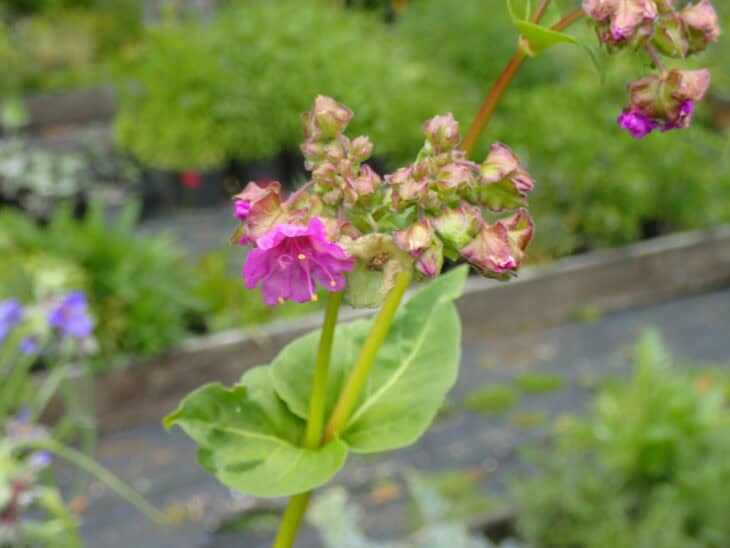
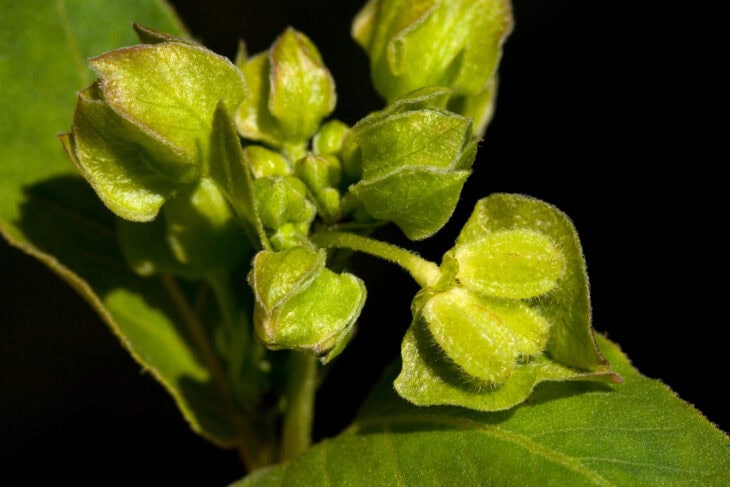
Wild Four-o’Clock Mirabilis nyctaginea is a North American wildflower with tubular blooms that open in late afternoon and evening. It reaches about 1 to 3 ft tall and spreads readily by seed, so it suits naturalized borders and sunny dry sites where self seeding is acceptable.
Identification and key traits
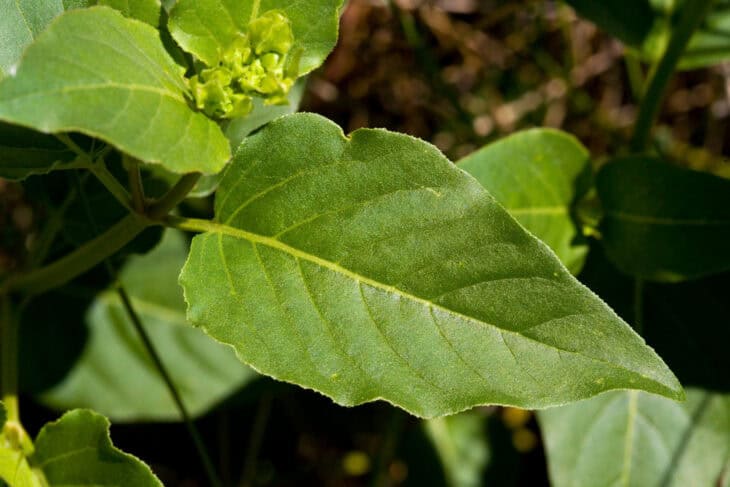
Look for tubular, trumpet shaped flowers most often pink to magenta and occasionally pale yellow or cream. Stems are erect and plants form clumps with fleshy roots. Typical height is 1 to 3 ft and typical spread is about 1 to 2 ft.
Best uses and where to grow
Use Wild Four o Clock in meadow style plantings, pollinator patches that favor evening visitors such as moths, dry slopes and informal borders where light maintenance is fine. It performs in full sun to part shade and prefers well drained soils. It is broadly hardy in approximate USDA zones 5 to 9 and may act as a perennial in warmer areas or be grown as an annual in colder locations.
Planting and spacing
Plant seedlings or thin out volunteers so plants are about 12 to 24 inches apart to allow room for clumps and reseeding. Sow seed in prepared, well drained soil when conditions are warm enough for growth. No special soil fertility is required as the species tolerates poor dry soils.
Light soil and watering
Flowers open most freely in sunnier sites though part shade is tolerated. Choose a site with good drainage because wet heavy soil reduces vigor and can cause root problems. Water moderately until plants are established and then reduce frequency for drought tolerant performance.
After flowering and routine care
Deadhead to limit unwanted reseeding or leave some seedheads to naturalize a patch. Where plants behave as perennials consider dividing root crowns in spring to reinvigorate clumps. No heavy feeding is needed on low fertility sites.
Controlling spread and naturalizing
Wild Four o Clock reproduces by seed and self seeds readily. Remove seedheads before they mature to prevent mass reseeding. In warmer zones expect more persistent stands and thin seedlings where they compete with desired plants.
Containers and small spaces
Container culture works if the potting mix drains well and the plant receives full sun to part shade. Containers help limit reseeding and make it easier to remove plants in tight garden spaces.
Propagation
Propagate primarily by seed. Where the plant remains perennial in a climate divide root clumps in spring to expand or relocate plants. Collect seed for sowing the next season if reseeding is not desired in place.
Frequently asked questions
- How fast does Wild Four o Clock grow?
- Plants typically reach their mature height of about 1 to 3 ft within a single growing season and establish quickly from seed while also self seeding readily.
- When does it bloom?
- Bloom time runs from summer into fall with flowers opening in late afternoon and evening. In much of the northern hemisphere this is roughly June through September, though timing varies with local climate.
- Is Wild Four o Clock perennial?
- It can be an annual or a short lived perennial. In warmer USDA zones around 5 to 9 it may persist as a perennial. In colder areas it is often treated as an annual.
- Is it invasive?
- It is not widely listed as a major invasive species but it self seeds readily and can naturalize aggressively in favorable conditions. Remove seedheads and thin seedlings to control spread.
- Is it safe for pets and children?
- Species specific toxicity information is limited. Avoid ingestion and consult poison control or a veterinary authority for guidance on safety.
Gallery