
Key Facts
- Perennial herb in the mint family Lamiaceae.
- Native to Europe and parts of western Asia.
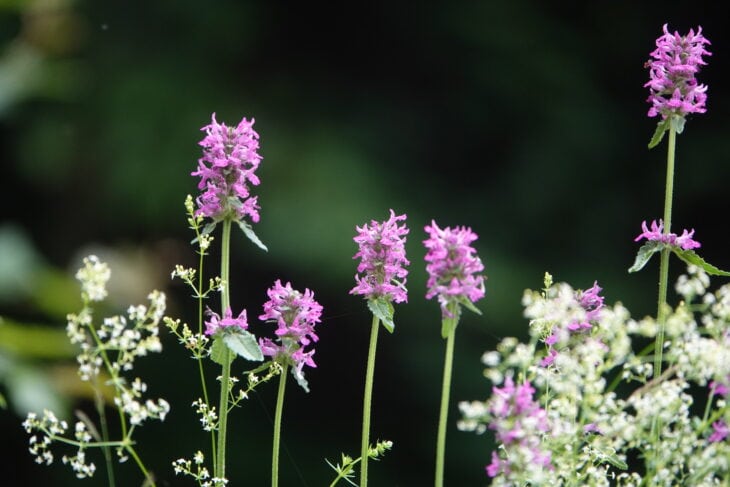
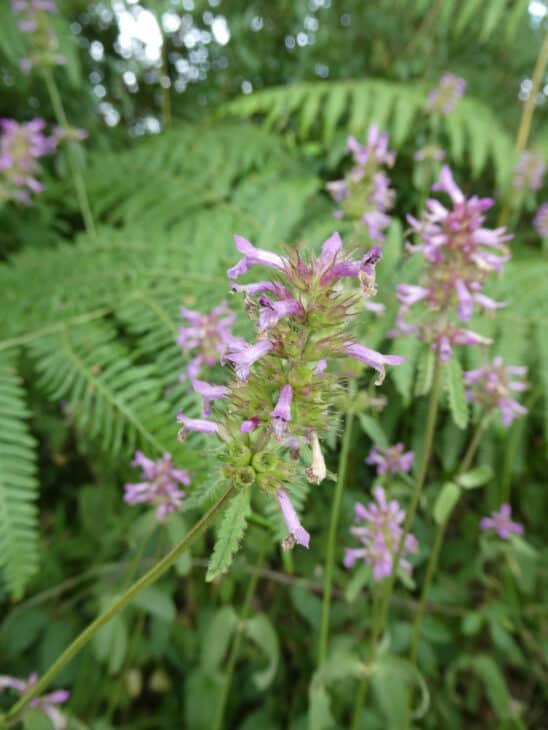
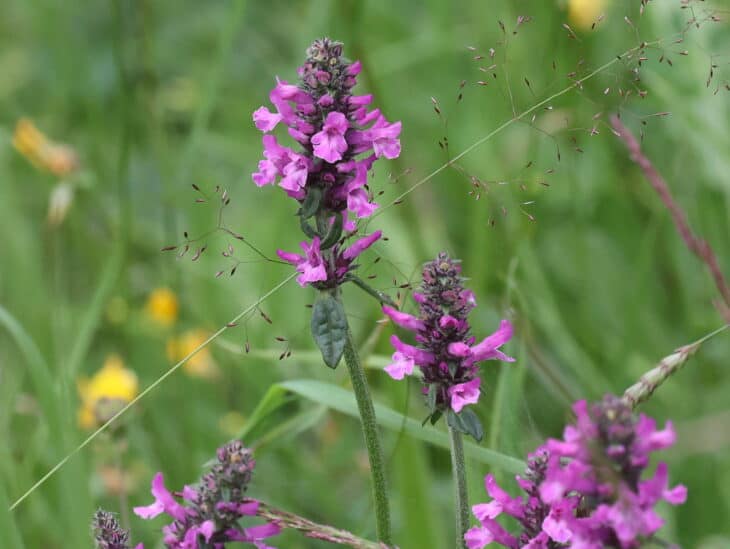
- Produces erect spikes of purple to pink tubular flowers in summer.
- Attracts bees and other pollinators.
- Prefers well drained soil and tolerates a range from neutral to slightly alkaline.
- Grows well in full sun to part shade.
- Propagated by seed and by division or basal cuttings.
Betony is a clump forming perennial herb in the mint family that produces upright spikes of purple to pink tubular flowers in summer. It suits mixed borders and pollinator beds while preferring well drained soil in full sun to part shade.
Identification
Upright flower spikes appear in summer and attract bees. Plants typically reach 12 to 24 inches tall and form clumps about 12 to 18 inches across.
Where to grow and best uses
Suitable for mixed borders, cottage gardens and pollinator plantings. Hardy across USDA zones 4 to 8 with more winter dieback in colder zones and reduced dieback at the warmer end of the range.
Soil light and watering
Prefers moist but well drained soil and does best on a fertile neutral to slightly alkaline site. Plant in full sun to part shade. In heavy wet soils plants lose vigor and can suffer root rot.
Planting and spacing
Space plants about 12 to 18 inches apart to allow a mature clump to form. Plant in spring or fall and set the crown level with the soil. Mulch to conserve moisture but avoid creating a constantly wet root zone.
After flowering care
Remove spent flower spikes to keep borders tidy. Divide congested clumps in spring or fall to refresh plants and control spread. Cutting back old foliage in late autumn is optional depending on winter interest and local conditions.
Propagation
Propagate by seed, division or basal cuttings. Seed often benefits from fresh sowing or cold stratification in cooler climates. Division and basal cuttings establish quickly and are common methods for increasing stock.
Managing spread and vigor
Betony forms neat clumps rather than running mats and is not known for aggressive spread. Rejuvenate crowded clumps by dividing every few years and avoid planting where drainage is poor.
Frequently asked questions
- How fast does Betony grow?
- Plants typically reach their mature height of 12 to 24 inches and a clump spread of 12 to 18 inches over a few seasons. Transplants and divisions usually fill out more quickly than seedlings.
- When does Betony bloom?
- Blooms in summer, typically June through August in temperate regions, with timing that shifts by climate and cultivar.
- Can Betony tolerate shade?
- It grows well in full sun to part shade. In deep shade plants tend to become leggy and flower poorly.
- How do I propagate Betony?
- Use seed, division or basal cuttings. Divide clumps in spring or fall and take basal cuttings in spring for the fastest results.
- Is Betony suitable for pollinator gardens?
- Yes. The tubular summer flowers attract bees and other pollinators and fit well into pollinator focused plantings.
- Is Betony hardy in my area?
- Generally hardy in USDA zones 4 to 8. Check local extension recommendations for microclimate effects and high elevation sites.
Gallery
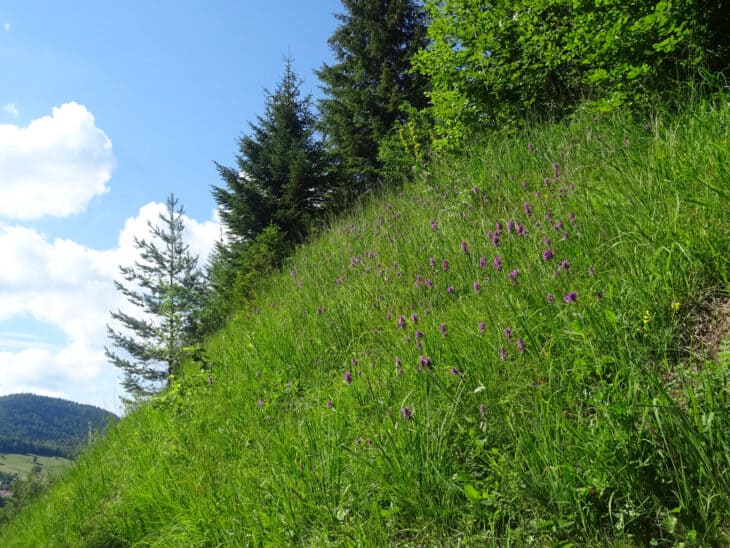
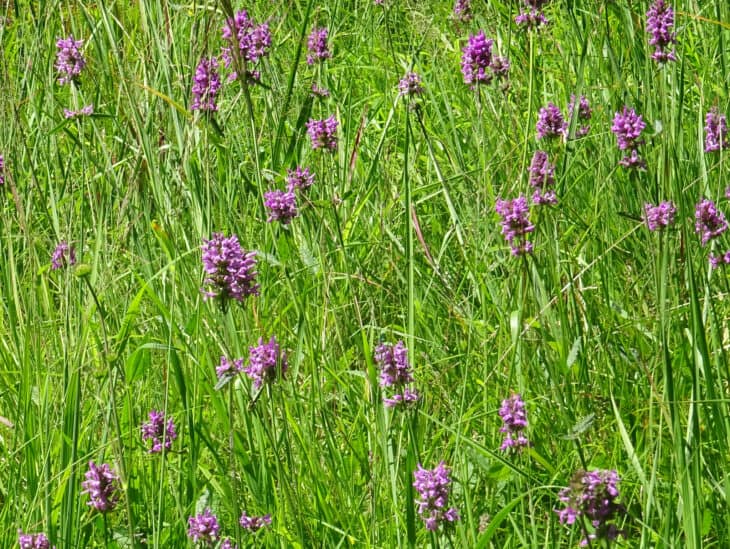
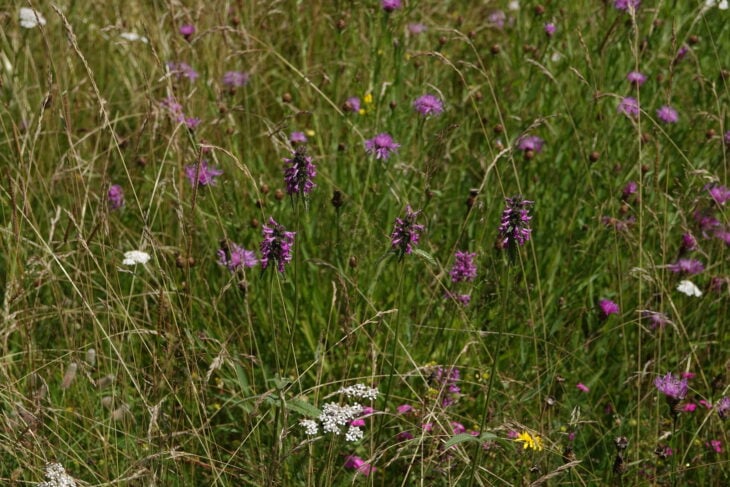
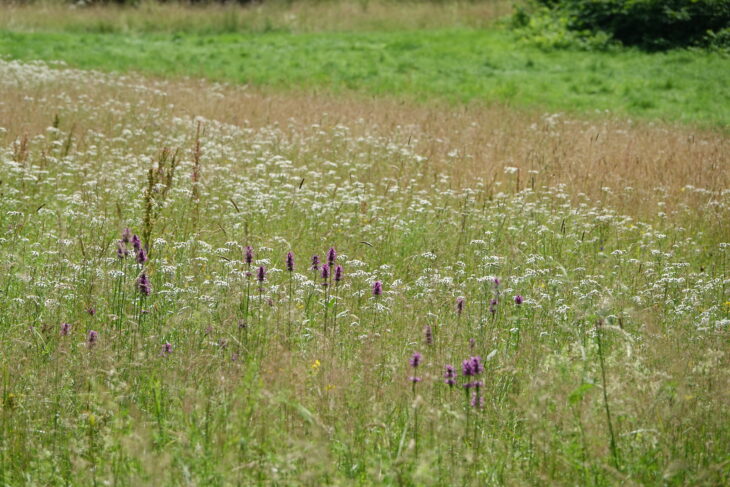
Related Plants


Mentioned In (2)

Plants
13 Plants That Look Like Salvia, and How to Tell Them Apart
The plants most often mistaken for salvia are its relatives in the mint family: catmint, catnip, anise hyssop, hyssop, betony,…

Plants
11 Plants That Look Like Lamb’s Ear
The plants that look most like lamb's ear are other silver, woolly-leaved plants: common mullein, rose campion, dusty miller, snow-in-summer,…