
Key Facts
- Perennial herb in the rose family that forms low mats in bogs and tundra.
- Native to circumboreal northern wetlands and peatlands.
- Produces amber to orange edible aggregate drupes prized for preserves.
- Spreads vegetatively by stolons and shallow rhizomes to form patches.
- Prefers acidic peaty soils and wet or seasonally waterlogged conditions.
- Flowers in late spring to early summer and fruits in summer.
- Grows low to the ground with short stems and a matlike habit.
- Propagates by seed and by division or transplanting of rhizomes.
Cloudberries are a low creeping perennial in the rose family that forms matlike patches in bogs and northern wetlands. They produce amber to orange edible aggregate drupes favored for preserves but require acidic peaty soil and cool conditions to do well.
Identification
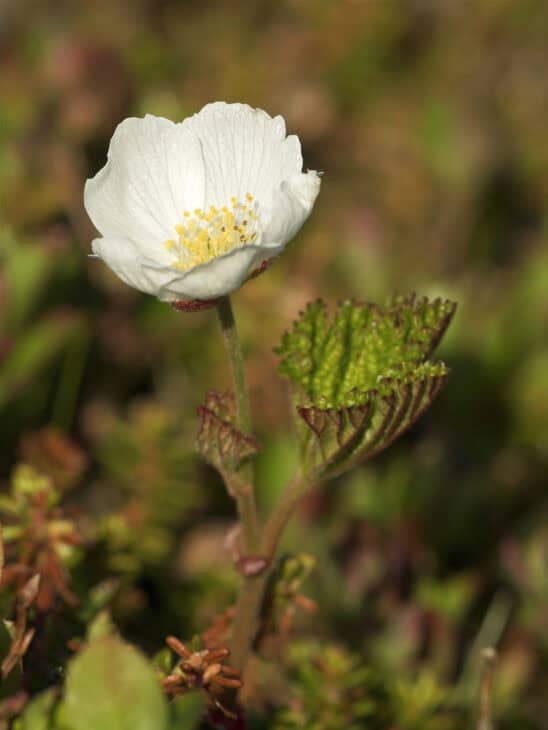
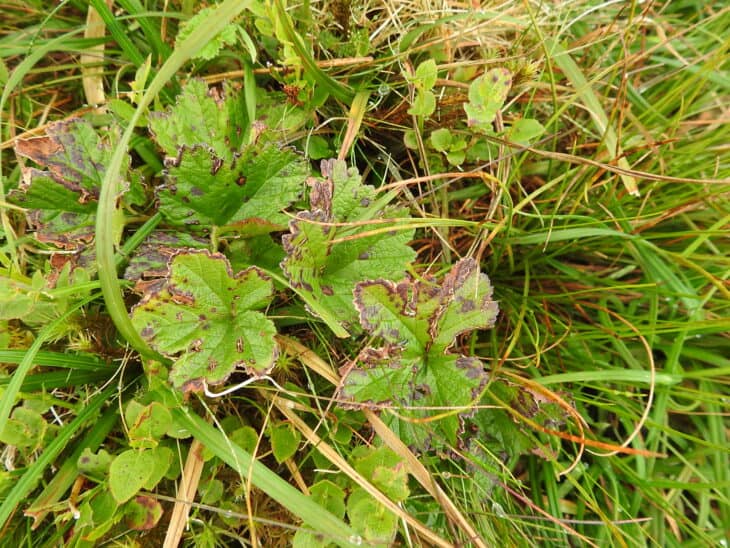
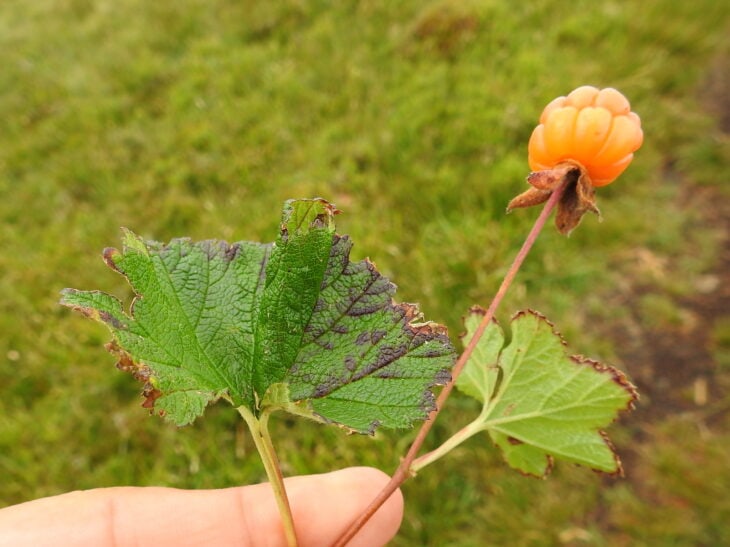
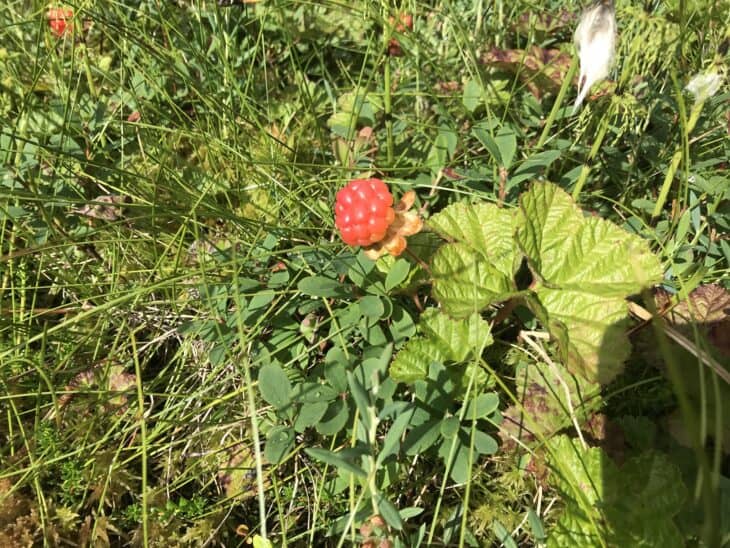
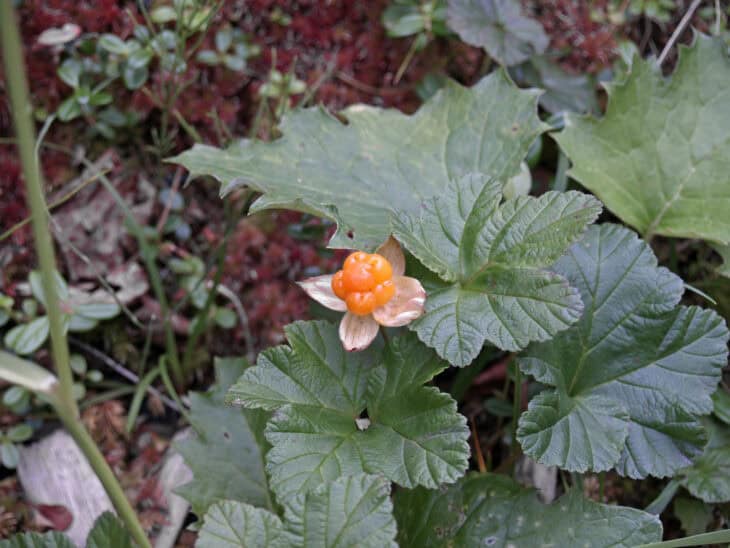
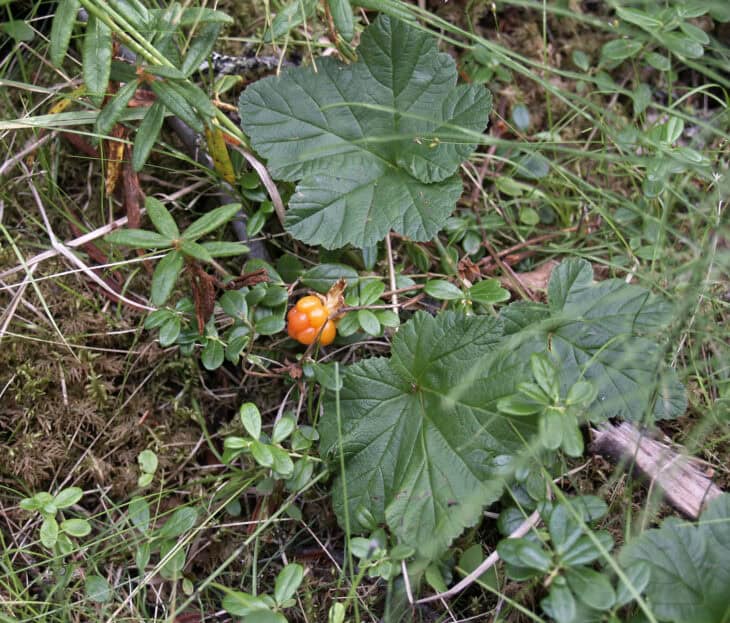
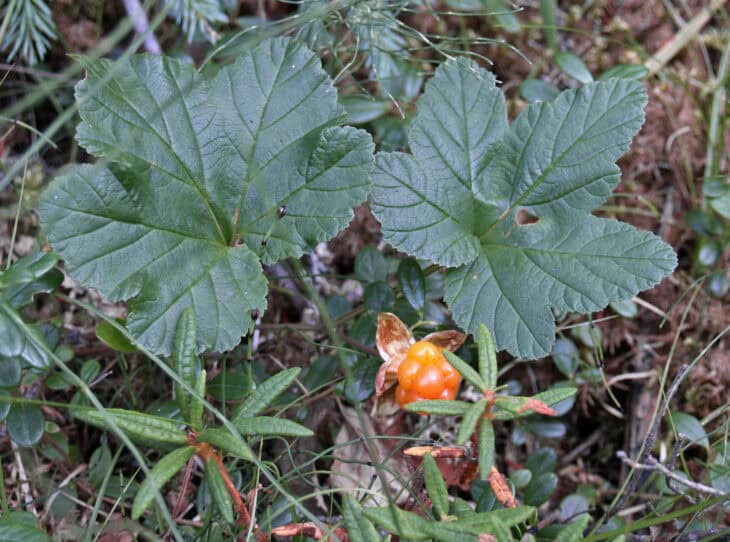
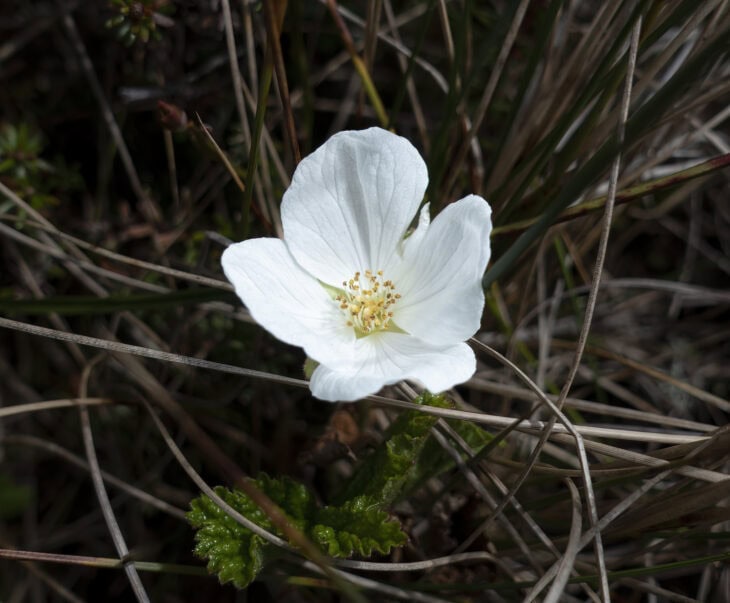
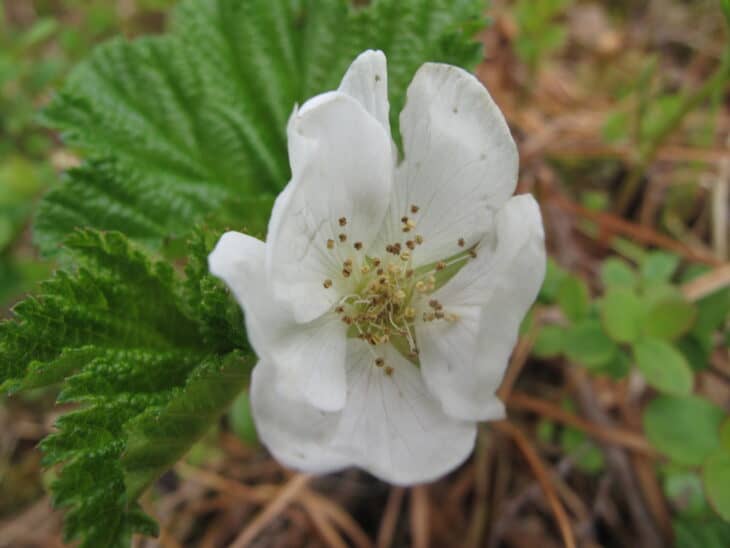
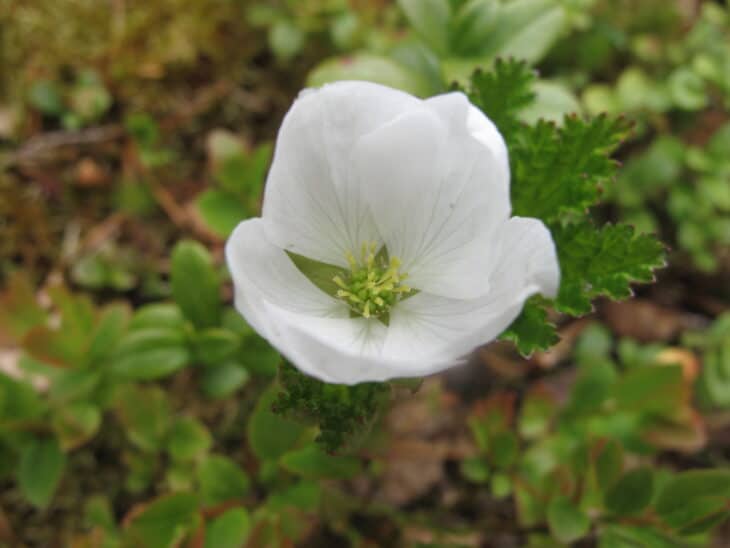
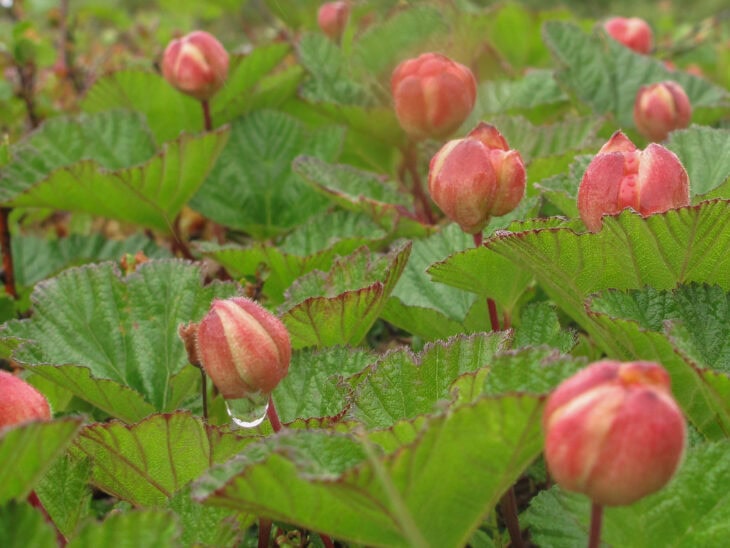
Plants grow about 4 to 10 inches tall with short stems and a mat forming habit. Leaves are typical of Rubus species and plants produce single white flowers in late spring to early summer followed by amber to orange berries in summer.
Best uses and where to grow
Use cloudberries as a groundcover in cool moisture retentive gardens or in a bog planting where soil stays acidic and peaty. They are native to circumboreal wetlands and perform best in cool climates where winters are cold and summers are not hot.
Soil and light
Cloudberries prefer acidic peaty soils with high organic matter. Best pH is roughly 3.5 to 5.5 and soils should be wet or seasonally waterlogged rather than dry or compacted. Provide full sun to part shade, giving some afternoon shade in warmer regions to reduce stress.
Planting and propagation
Propagate by seed or vegetatively by stolons and shallow rhizomes. Division and transplanting of established rhizomes or runners is commonly used for cultivation. Plants spread by creeping stems to form patches so plan spacing and placement accordingly.
Watering and after flowering care
Keep plants consistently moist and avoid drought. In wet acidic peat conditions plants grow and fruit reliably. After fruiting let the mat remain in place to reestablish runners, and divide crowded patches if vigor drops or to control spread.
Managing spread
Cloudberries spread vegetatively and can form patches 12 to 39 inches or more across over time depending on site fertility and moisture. They are not described as highly invasive but can crowd small beds, so monitor edges and divide rhizomes to contain them.
Harvest and uses
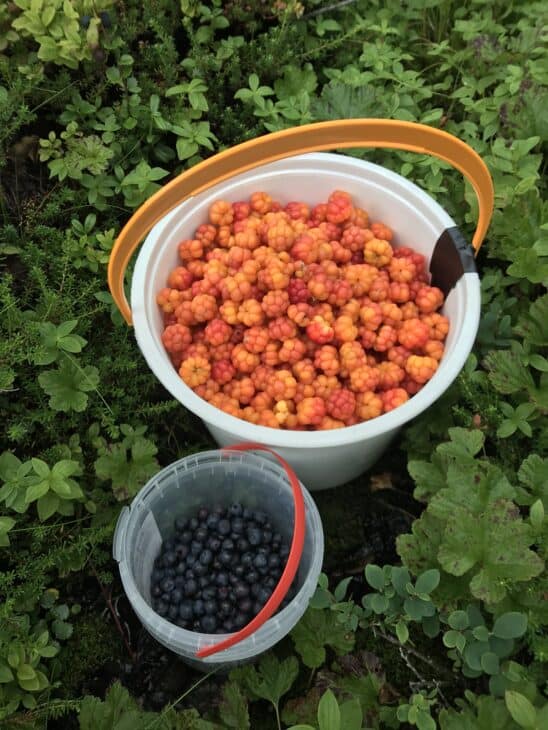
Ripe berries are amber to orange and eaten fresh or preserved. They are prized for jams and other preserves in northern communities and can be a specialty crop when grown in appropriate bog or peat garden settings.
Frequently asked questions
- How fast does Cloudberries grow?
- They spread by stolons and shallow rhizomes and can form patches roughly 30 to 100 centimeters across over time, with growth rate varying by soil, moisture and site fertility.
- Are cloudberries edible?
- Yes. The fruit is edible and traditionally eaten fresh or preserved. They are valued for preserves and similar uses.
- What soil pH do cloudberries need?
- They prefer acidic peaty soil around pH 3.5 to 5.5 and need high organic matter and consistent moisture.
- What USDA hardiness zones are suitable?
- Cloudberries are cold adapted and reported as hardy in cooler zones typically within USDA zones 1 to 7. They tend to perform best in cool climates and may decline or fail to set fruit in warm winter areas.
- Are cloudberries toxic to pets?
- The fruit is widely consumed and no major human toxicity is documented. There are limited records on pet toxicity so check local poison control if a pet ingests large quantities.
- How do I contain cloudberry patches?
- Monitor edges and divide or remove sections of rhizome to keep patches within bed boundaries. Plant in a dedicated bog or lined bed if containment is a concern.
Gallery
Related Plants


Mentioned In (1)

Plants
11 Plants That Look Like Raspberries
Raspberries (Rubus idaeus var.) are some of the most common berries in America since they are native to parts of…