
Key Facts
- Native to the eastern and central United States.
- Small to medium deciduous oak that can be shrubby on poor sites.
- Leaves typically have 3 lobes with bristle tips and turn brown in fall.
- Tolerant of dry, acidic and low fertility soils.
- Provides wildlife value from acorns and as cover.
- Drought tolerant once established.
- Acorns can be a food source for wildlife but may be harmful to livestock if consumed in quantity.
Blackjack Oak (Quercus marilandica) is a small to medium deciduous oak native to the eastern and central United States. It thrives on dry acidic soils and often grows as a tough, shrubby tree on poor sites, offering drought tolerance and valuable wildlife cover from its acorns.
Identification
Leaves are typically three lobed with bristle tipped lobes and turn brown in fall, making the tree recognizable across seasons. Blackjack oak often takes a multi stem, shrubby form on poor, dry sites but can develop a rounded crown where soils are deeper. Flowers appear as spring catkins and set acorns that mature later in the year.
Where to grow and best uses
Suited to USDA zones roughly 5 to 9, Blackjack oak is best in full sun on dry, acidic sandy or rocky soils where other trees struggle. Use it on dry slopes, poor urban sites and naturalizing areas to provide wildlife cover and reduce erosion. It tolerates low fertility but performs poorly in waterlogged ground.
Planting and propagation
Propagate from fresh acorns sown soon after collection or after cold stratification; nurseries also use seedlings and grafting for selected forms. Give planting room for a mature spread similar to height, typically about 20 to 35 feet. Avoid consistently wet planting sites to reduce risk of root decline and dieback.
Soil light and watering
Blackjack oak prefers full sun and tolerates light shade while thriving in dry, well drained acidic soils. It is drought tolerant once established and usually needs little supplemental watering on dry sites. Prolonged soil wetness leads to root problems and canopy decline, so avoid low spots that hold water.
Size growth rate and form
In cultivation this oak typically reaches about 20 to 35 feet tall with a crown spread commonly similar to height, though size varies with site quality. On poor dry sites it often remains smaller and shrubby. Growth rate is generally moderate and slows on the poorest soils where trees stay shorter and more compact.
Wildlife value and toxicity
Acorns provide food for birds, deer and other wildlife and the dense form offers cover. Acorns contain tannins and can be harmful to livestock if eaten in quantity; pets may become ill from ingestion. Manage grazing and contact local extension or a veterinarian for guidance on animal risks in your area.
After flowering care and maintenance
After spring flowering remove dead wood and prune to shape young trees, especially if you prefer a single trunk rather than a shrubby habit. Many specimens on poor sites need only occasional pruning. Fertilizer is rarely necessary on low fertility soils; avoid heavy feeding that promotes weak, storm prone wood.
Frequently asked questions
- How fast does Blackjack Oak grow?
- Growth is generally moderate and depends strongly on soil and moisture; trees grow more slowly and stay smaller on poor dry sites where they often become shrubby.
- What soil does Blackjack Oak prefer?
- It prefers dry, well drained acidic soils such as sandy or rocky uplands and tolerates low fertility; it performs poorly in waterlogged conditions.
- Is Blackjack Oak drought tolerant?
- Yes. Once established it is drought tolerant and typically requires little supplemental watering on dry sites.
- Are the acorns toxic to animals?
- Acorns contain tannins and can cause toxicosis in livestock if eaten in large amounts; pets may also be upset. Consult local extension or a veterinarian for specific risk guidance.
- Can Blackjack Oak be used in small urban yards?
- Possibly, if given space for a mature spread around 20 to 35 feet and planted in well drained soil; on very poor sites it may remain smaller but often becomes multi stemmed and shrubby.
Related Plants


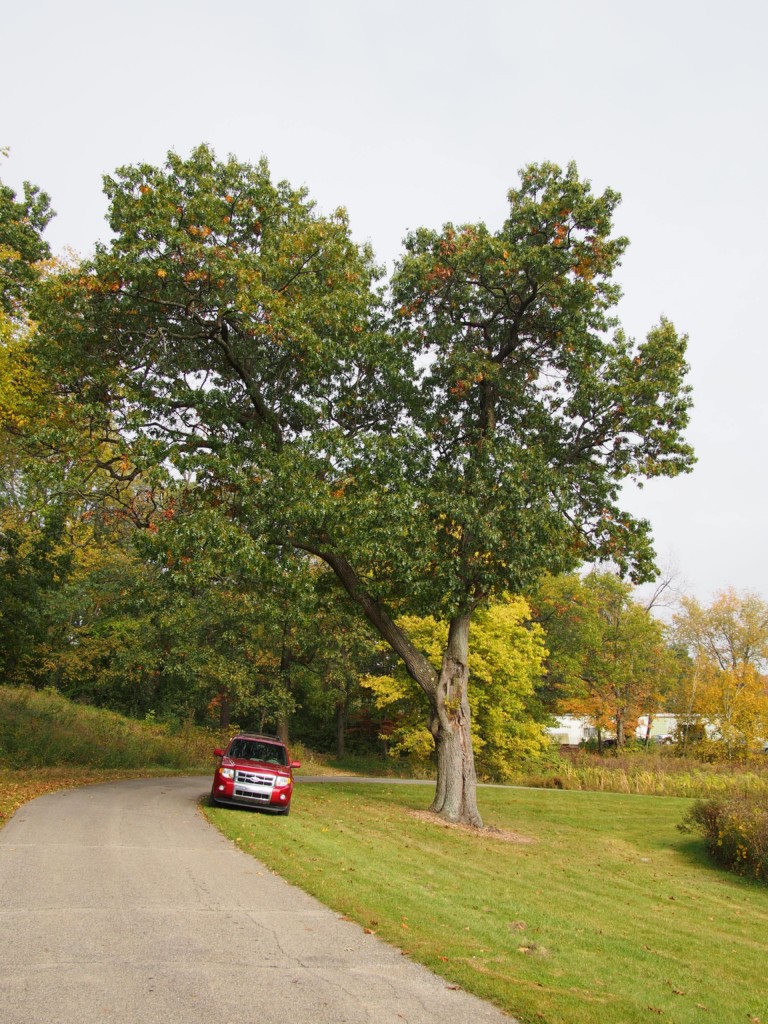
Mentioned In (13)

Trees
25 Most Common Trees in South Carolina
In South Carolina, you can find many common trees. The climate of this state is common to other states in…

Oak
21 Grand Types of Oak Trees in Mississippi
Do you wish to grow Oak Trees in your home garden? Well, you will be pleased to know that Mississippi…
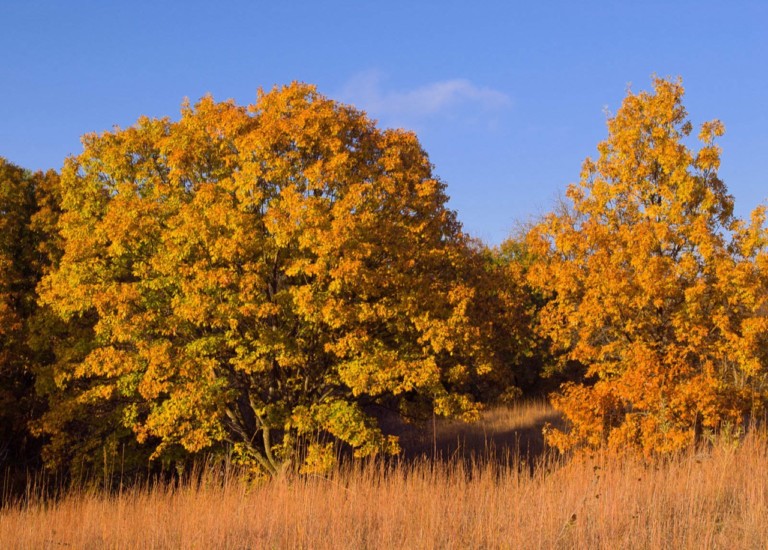
Oak
8 Common Types Of Oak Trees In Iowa
Do you want to plant an Oak Tree in your garden? Well, you will be pleased to know that you…
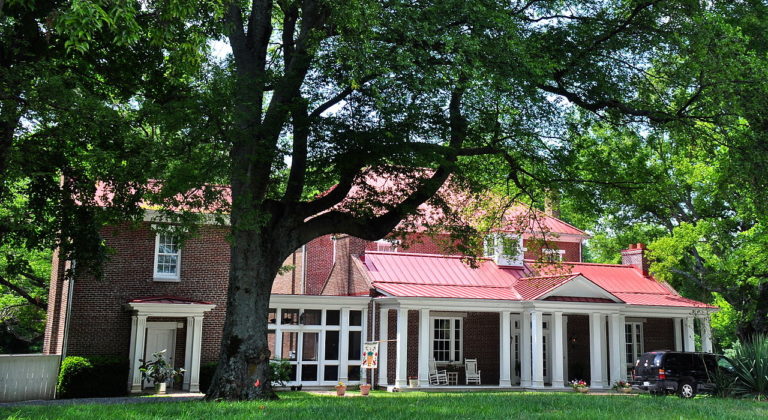
Oak
19 Types of Oak Trees in Tennessee
Not only does the state of Tennessee have a lot of different trees, but the state is also home to…
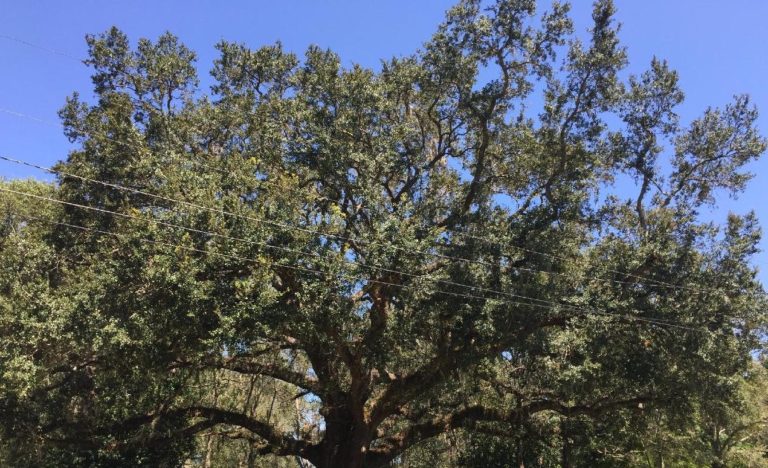
Oak
19 Beautiful Types of Oak Trees in Illinois
The state of Illinois is home to more than four million acres of forested land, making it home to a…
Oak
15 Amazing Types of Oak Trees in Arkansas
Arkansas has more than 18 million acres of forests that account for nearly 60% of the state, so if you’re…
Oak
10 Prevalent Types of Oak Trees in Oklahoma
Trees in Oklahoma include everything from elms to black walnuts and pines to dogwoods, and that doesn’t even include the…
Oak
7 Common Types of Oak Trees in Virginia
The state of Virginia is home to dozens of tree types, and thanks to the mild temperatures experienced throughout most…
Oak
22 Types of Oak Trees in Alabama
The fact that Alabama has a lot of trees shouldn’t be a surprise to anyone. After all, nearly 70% of…
Oak
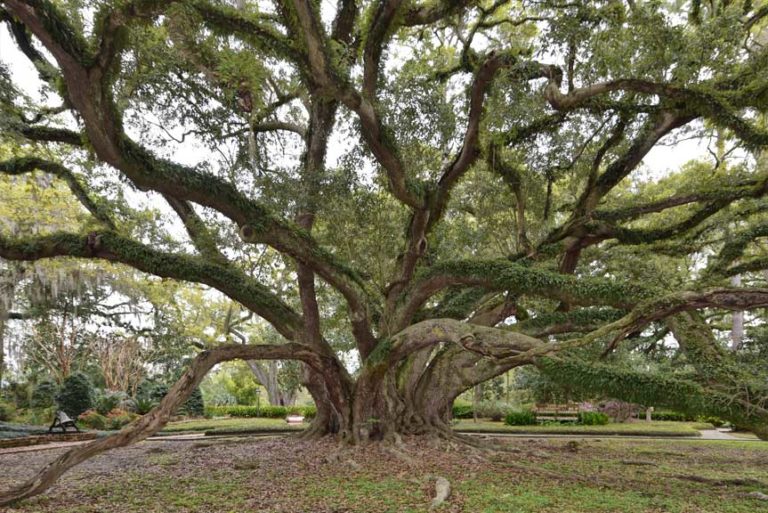
8 Common Types of Oak Trees in Louisiana
Louisiana’s warm weather means that there are lots of plants and trees in the state and you can even see…
Oak
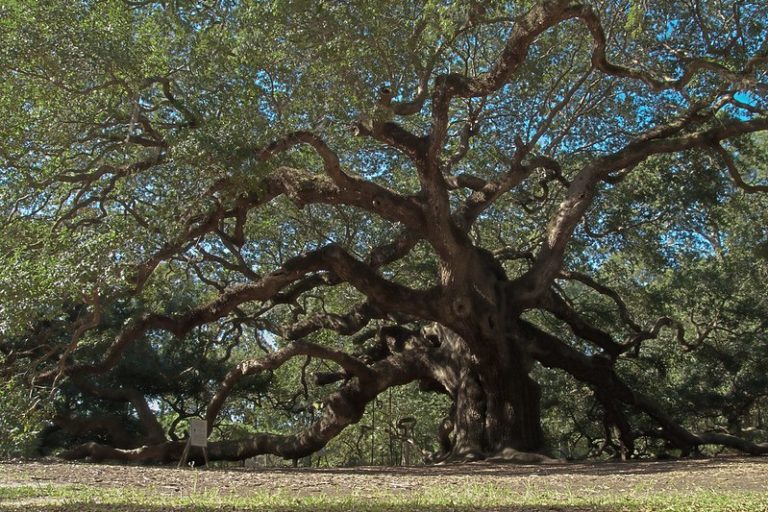
13 Types of Oak Trees in South Carolina
Not only is South Carolina home to tons of species of trees, but it also contains some of the largest…
Oak
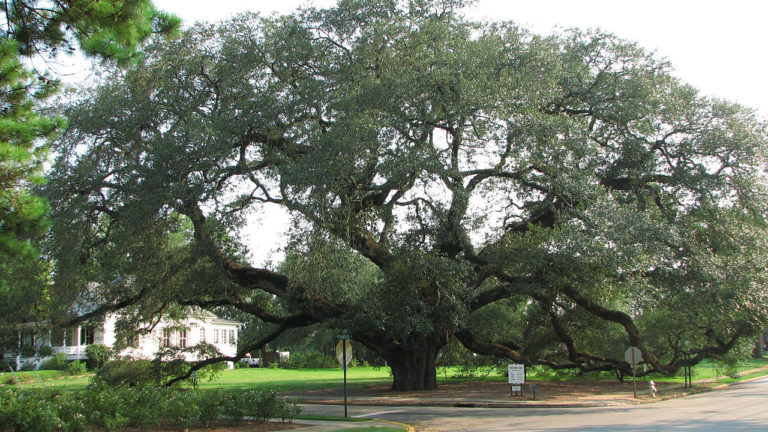
17 Great Types of Oak Trees in Georgia
That states like Georgia have a lot of trees should be no surprise to anyone. Because of its mild climate,…

Oak
76 Types of Oak Trees in North America (foliage photos)
Because of all the forests in North America, you can find just about every tree you can think of if…