
Key Facts
- Tender annuals in most climates and perennial only where winters are frost free.
- Flowers bloom from summer until first frost.
- Prefer full sun and well drained soil.
- Easy to grow from seed and widely available in many cultivars.
- Aromatic foliage with a pungent scent that can deter some garden pests.
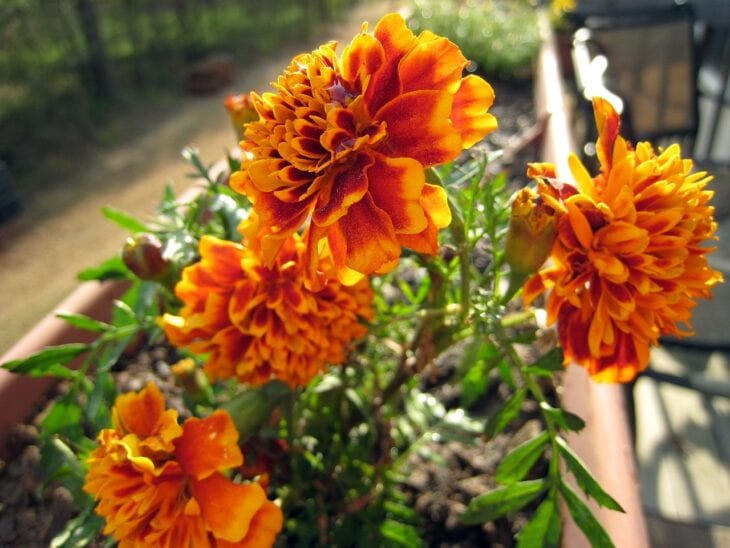
- Commonly used in borders containers and as companion plants.
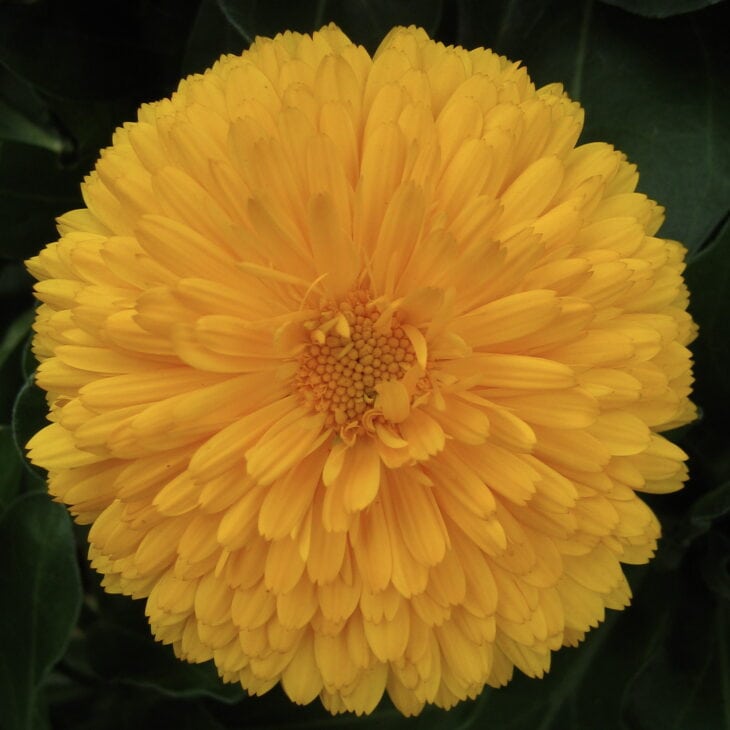
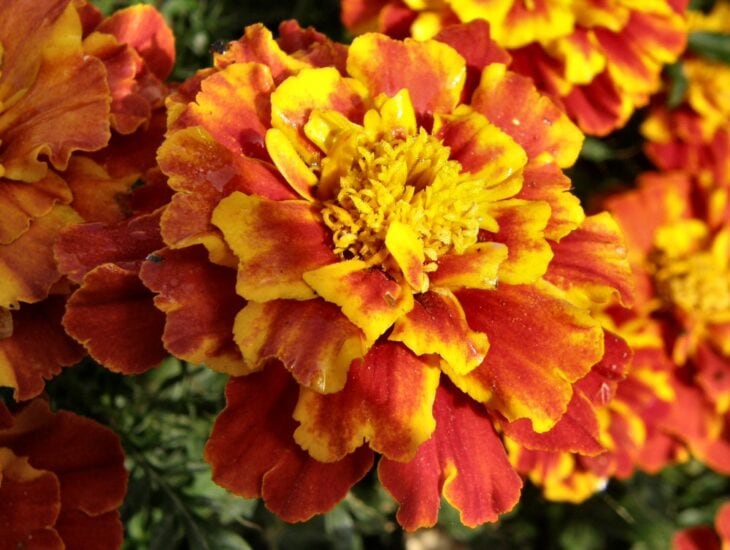
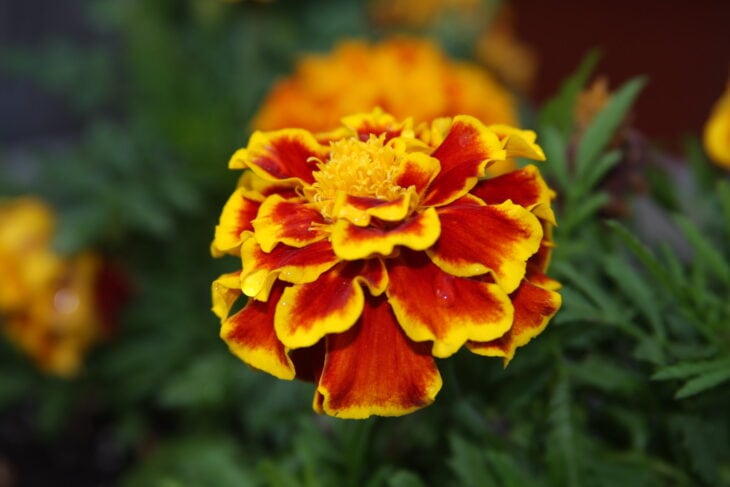
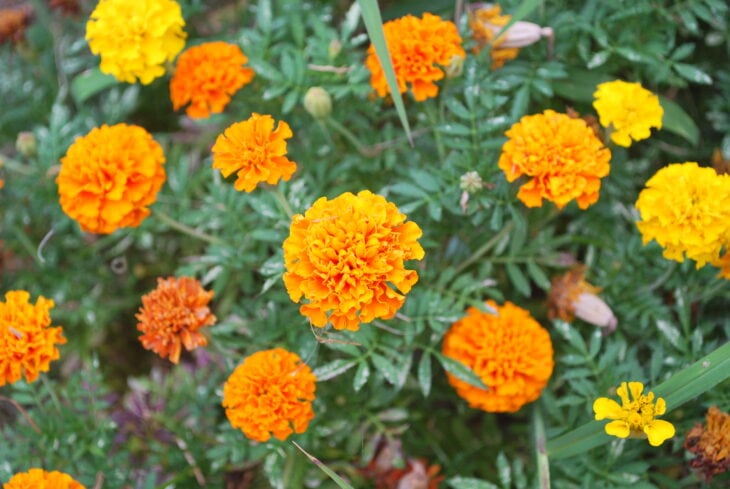
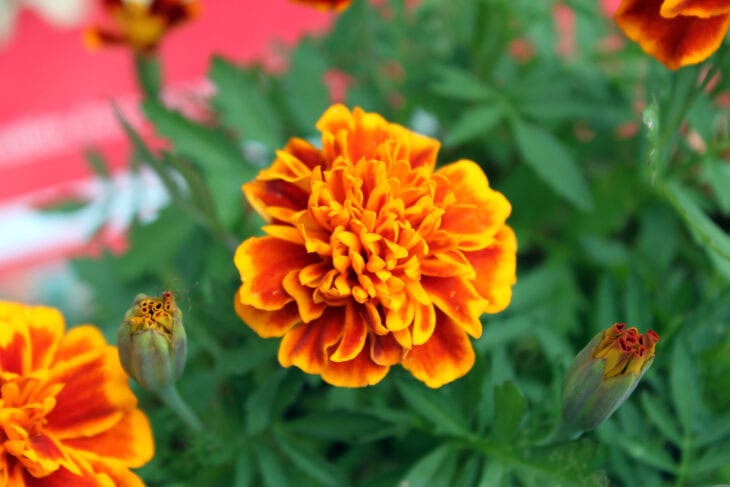
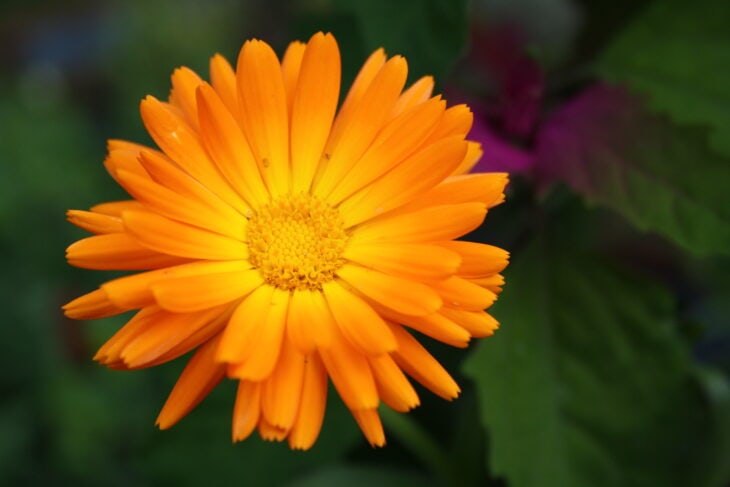
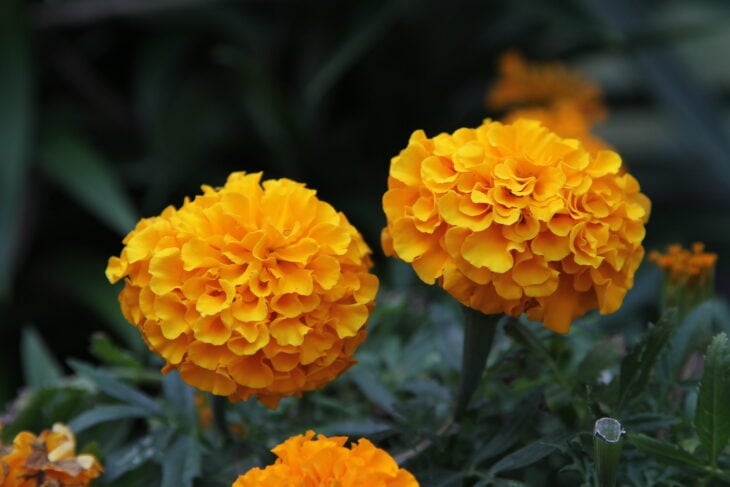
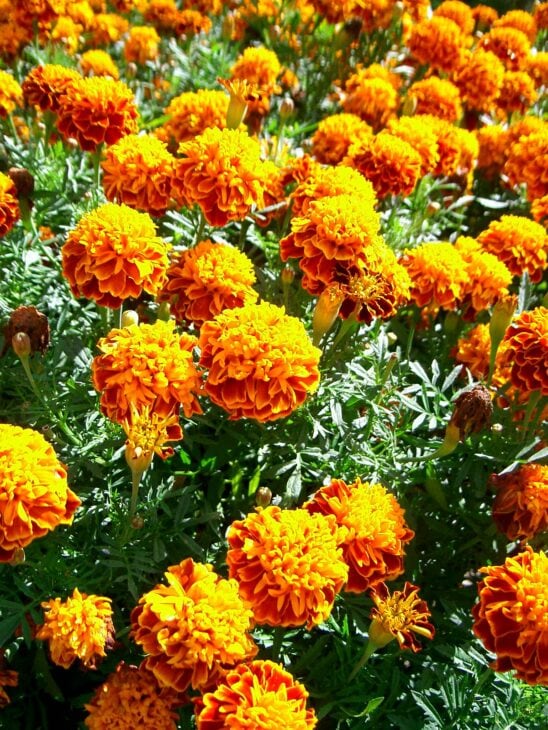
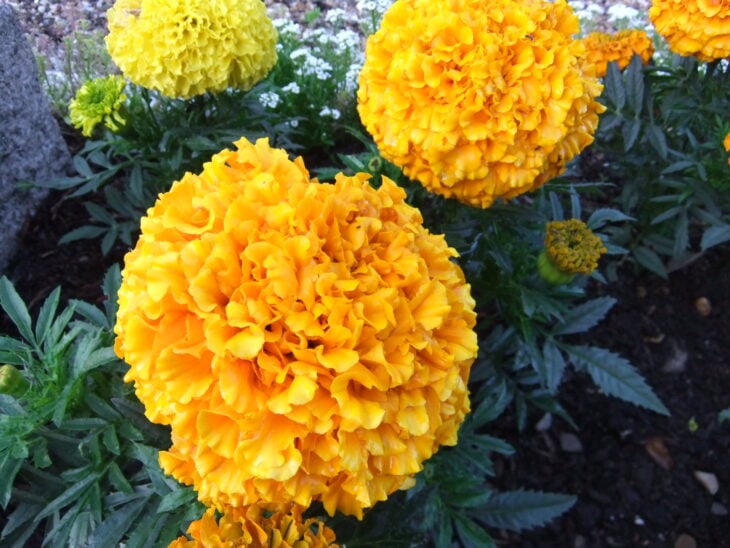
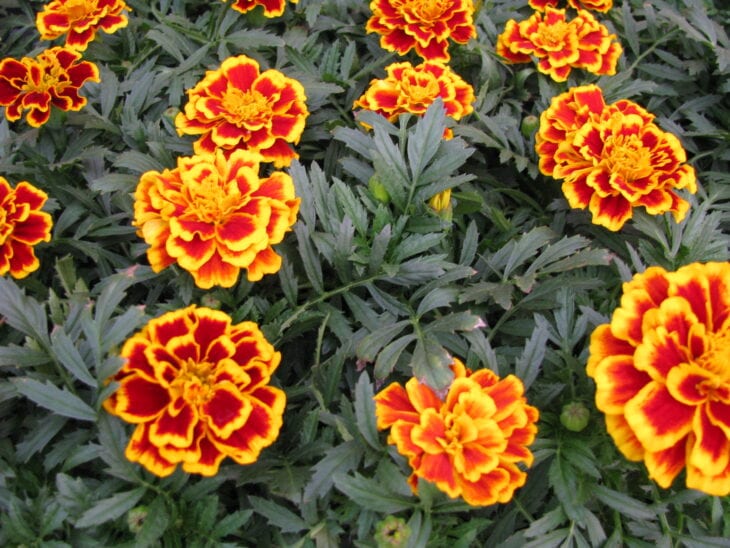
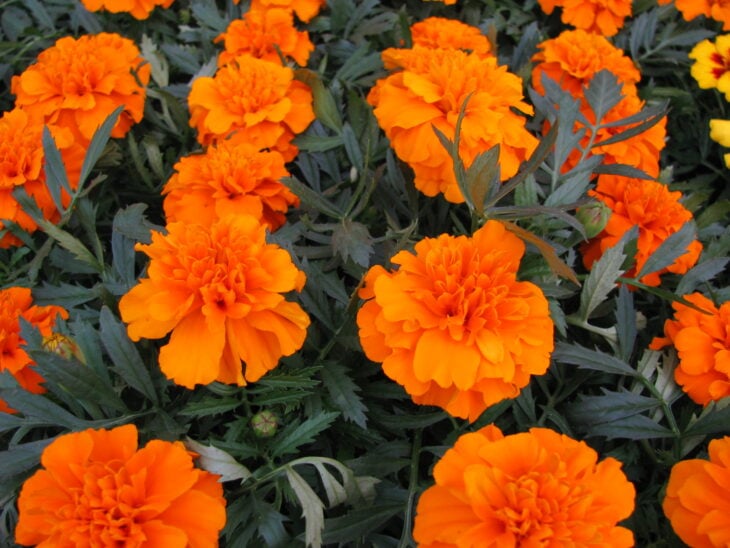
- Flowers range from single to very double forms in yellow orange and red tones.
Marigold (Tagetes spp.) are bright, easy annuals prized for long-lasting summer and fall blooms and aromatic foliage. They work well in borders, containers and as companion plants where full sun and well drained soil are available.
Identification
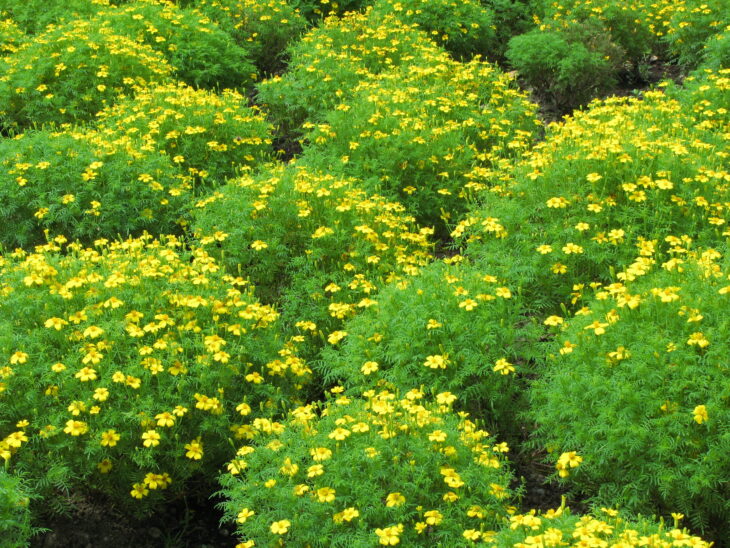
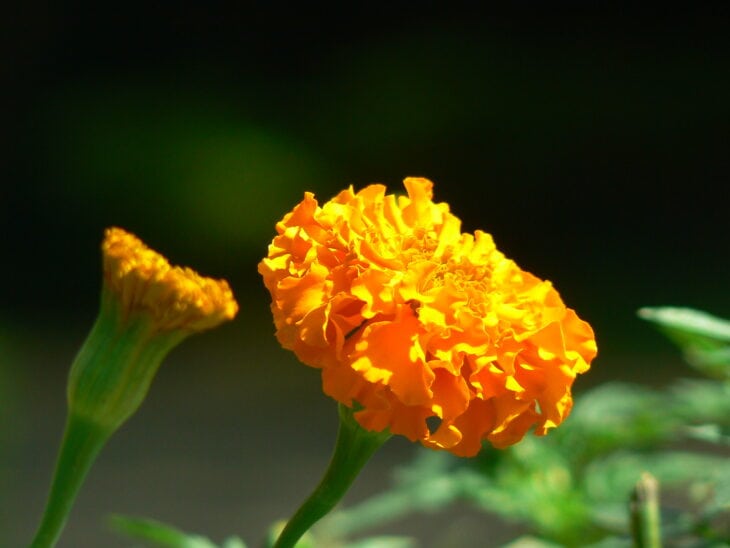
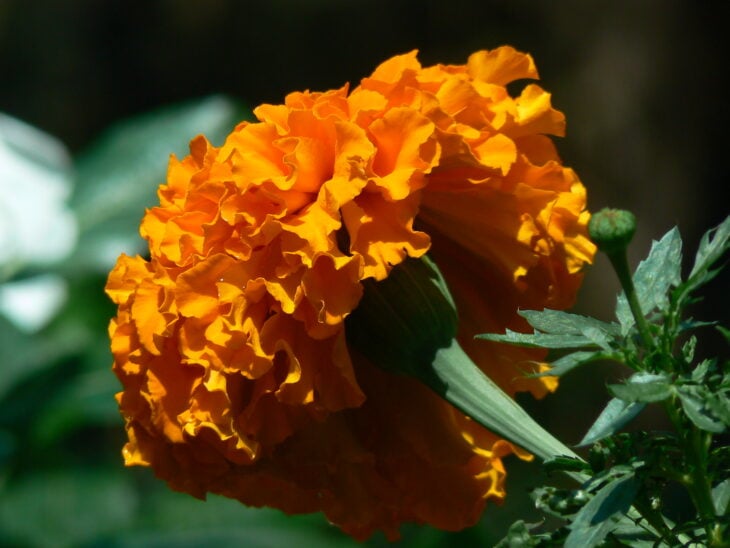
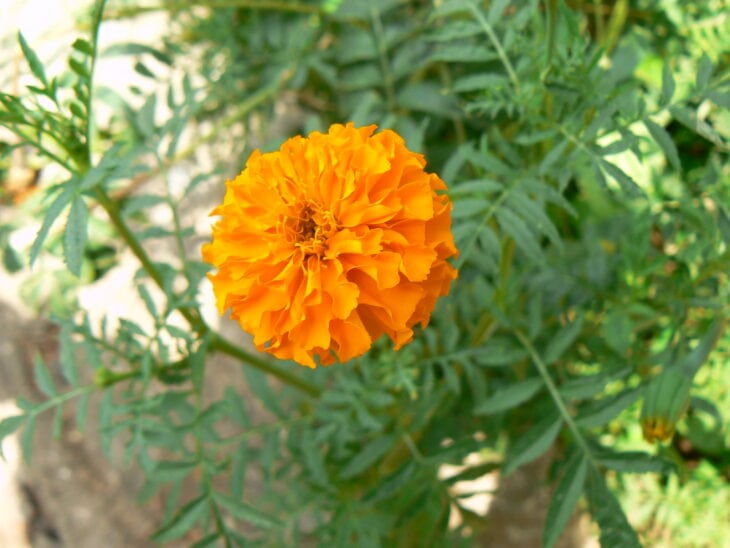
Flowers range from single to very double forms in yellow, orange and red tones and appear from summer until the first hard frost. Foliage is aromatic with a pungent scent. Size varies by species and cultivar from compact 6 in (15 cm) types to taller 36–48 in (90–120 cm) forms.
Where to grow and best uses
Plant marigolds in full sun for the best flower display and avoid heavy shade that causes legginess. They are commonly used in borders, beds and containers and make practical companion plants. Outside frost free areas most Tagetes are treated as annuals but they can persist or reseed in mild climates.
Planting and timing
Sow seed direct after the last frost or start indoors several weeks earlier to get an earlier display. Flowers appear through summer into fall and continue until frost. Spacing depends on habit; typical spread ranges from about 6 to 24 inches so follow the specific cultivar label when planning beds or containers.
Soil, water and routine care
Grow marigolds in well drained garden soil; they tolerate average to poor fertility. Avoid waterlogged heavy soils because poor drainage reduces vigor and increases disease. Excessively rich soil can reduce flowering and encourage floppy growth, so match fertility to plant habit for the best bloom and form.
Containers and companion planting
Marigolds perform well in containers if the pot and mix drain freely. Aromatic foliage has a pungent scent that can deter some garden pests, but claims about pest or nematode suppression vary by species and experimental conditions. Verify effectiveness for your pest and local soil before relying on marigolds for control.
Pests, toxicity and winter behavior
Marigolds are generally trouble free but will suffer in wet, poorly drained soil where disease increases. ASPCA lists Tagetes as non toxic to dogs and cats, though ingestion can cause mild gastrointestinal upset and handling may irritate sensitive skin. In regions colder than USDA 9–11 they are usually grown as annuals.
Frequently asked questions
- How fast does marigold grow?
- Growth rate varies by cultivar and conditions. Plants range from compact 6 in types to taller 36–48 in forms, with seasonal growth from spring planting through bloom until frost.
- How far apart should I plant marigolds?
- Typical spread is about 6 to 24 inches depending on type. Space plants to match the cultivar habit and allow good air circulation to reduce disease.
- When should I sow marigold seed?
- Sow seed directly after the last frost or start indoors several weeks earlier for an earlier display. Timing affects summer bloom and continuing flowers into fall.
- Are marigolds toxic to pets?
- Tagetes are listed as non toxic to dogs and cats by the ASPCA, but ingestion may still cause mild stomach upset and handling can irritate sensitive individuals.
- Will marigolds come back next year?
- They are generally treated as annuals except in mild, frost free zones (USDA 9–11) where plants can persist or reseed.
- Do marigolds repel nematodes or garden pests?
- Aromatic foliage can deter some pests, but evidence for nematode suppression and pest control varies by species and local conditions, so verify results for your situation.
Gallery

Related Plants

Mentioned In (3)
Plants
Companion Plants for Cucumber: What Works (and what Doesn’t)
Cucumber beetles are one of the most destructive forces in the vegetable garden — and they don't just eat foliage.…
Plants
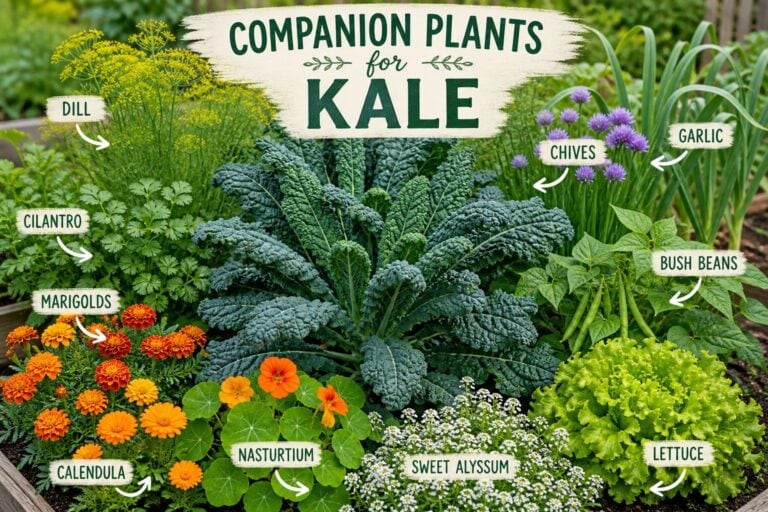
Companion Plants for Kale: What Works and Why
Kale is one of the easiest crops to grow — until the aphids arrive, the flea beetles strike, and the…

Plants
Companion Plants for Tomatoes: What Works and Why
Companion planting can significantly improve the health and yield of your tomato plants, but choosing the right partners is key…