
Key Facts
- Cool season annual grown for edible leaves or heads.
- Prefers cool temperatures and will bolt in heat.
- Usually started from seed by direct sowing or transplants.
- Prefers fertile well drained soil with consistent moisture.
- Common types include leaf, romaine, butterhead, and crisphead.
- Spacing commonly 8–12 in (20–30 cm) for many varieties.
- Typical height ranges from 6–18 in (15–45 cm) depending on type.
- Not generally grown for flowers which appear when the plant bolts.
- Cultivated lettuce is edible and considered non toxic to pets.
Lettuce (Lactuca sativa) is a cool season annual grown for tender leaves or compact heads, prized for quick harvests but prone to bolting in heat. Choose leaf types for repeated cut and come again harvests or heading types for full heads, and keep plants cool and evenly moist for best flavor.
Identification
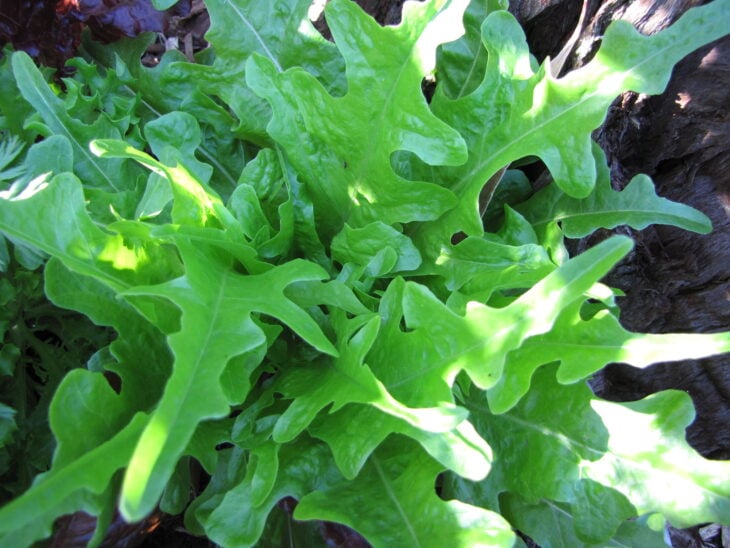
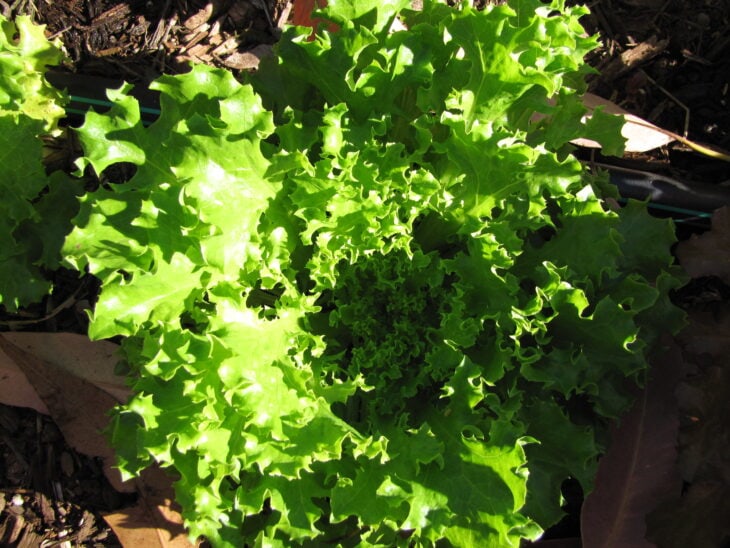
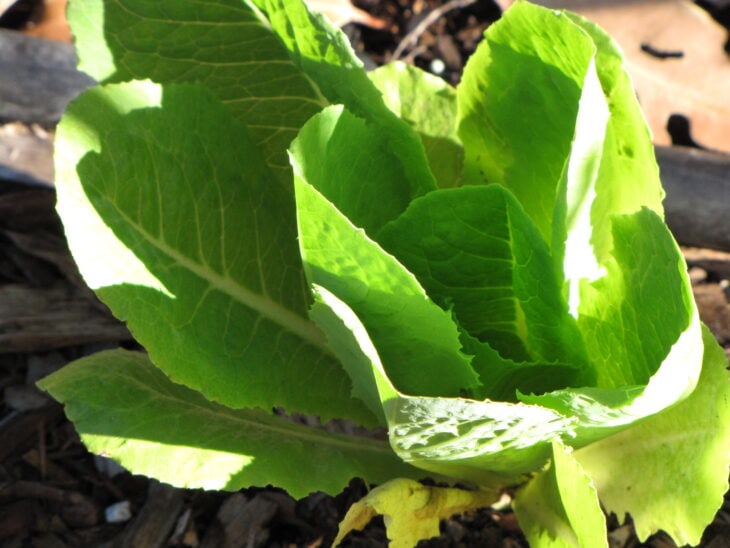
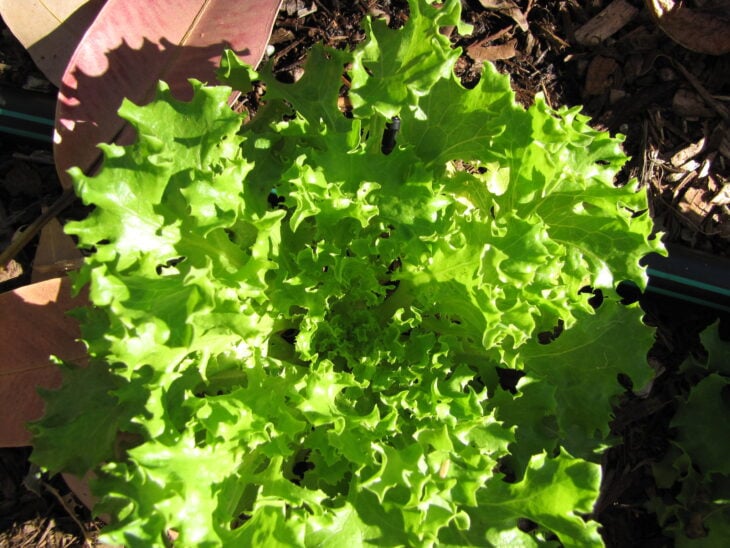
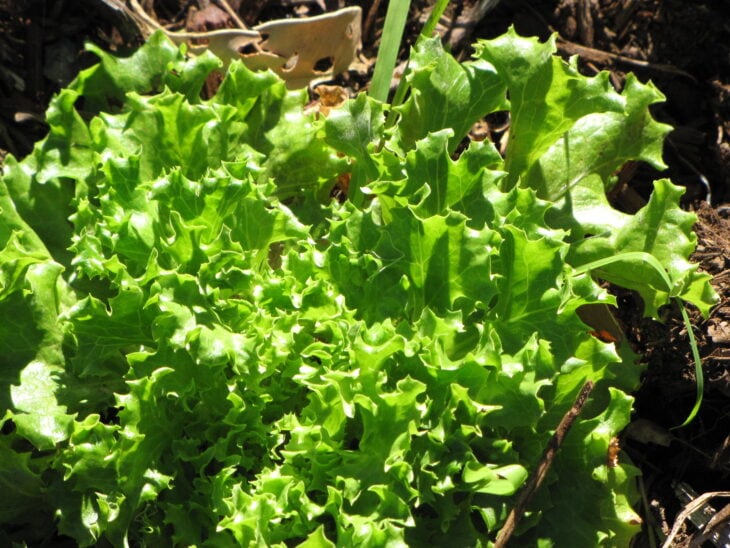
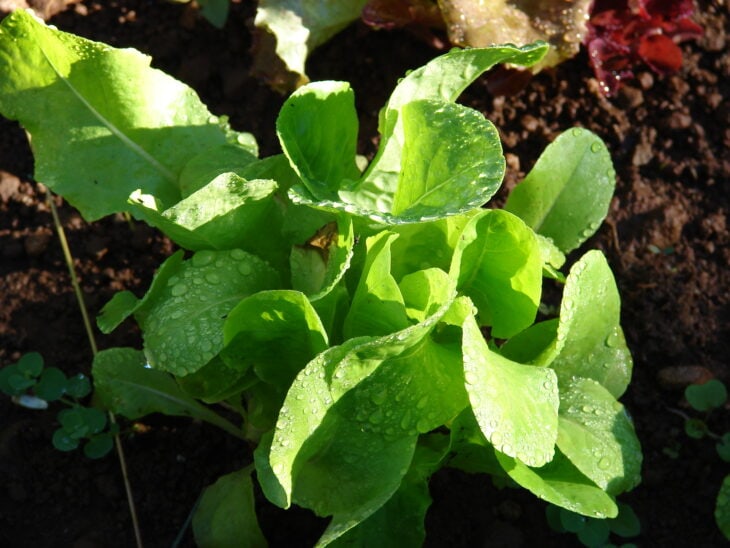
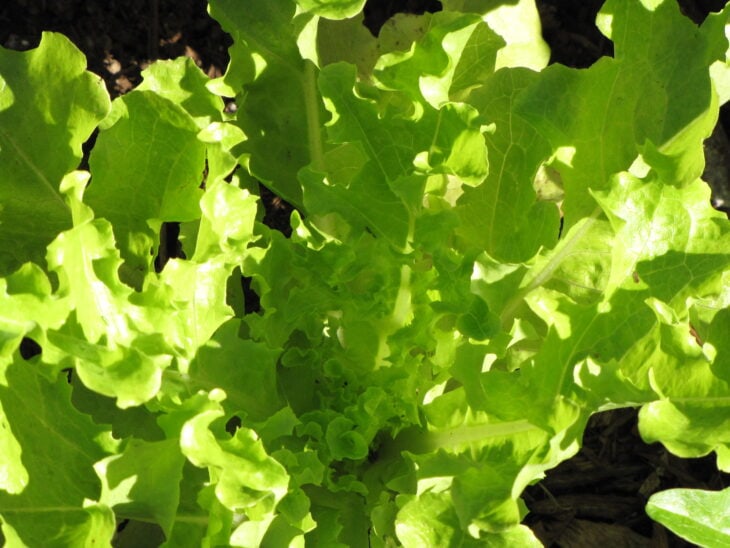
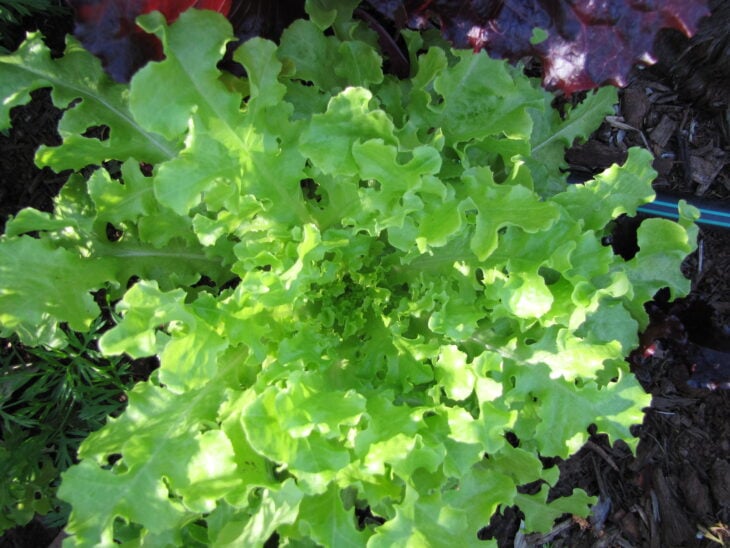
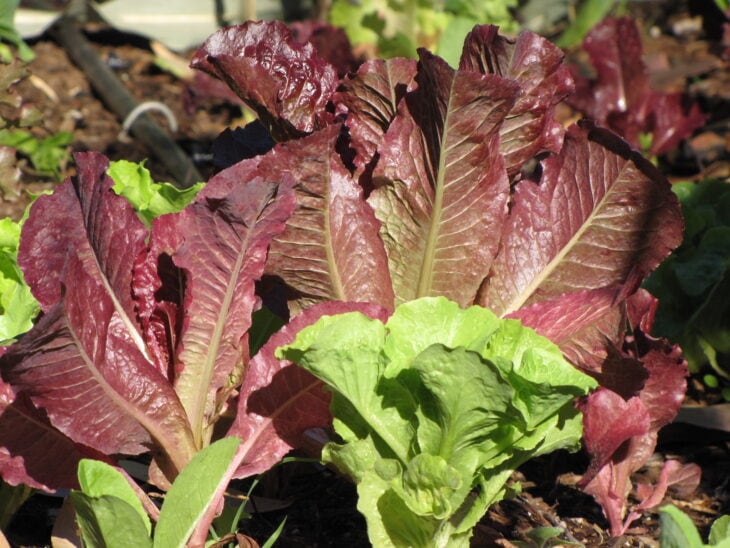
Lactuca sativa includes leaf, romaine, butterhead and crisphead forms that range from low rosettes to taller upright plants. Typical mature height is 6 to 18 inches and most garden varieties spread about 8 to 12 inches. Flowers appear only when the plant bolts and sends up a seed stalk.
Best uses and where to grow
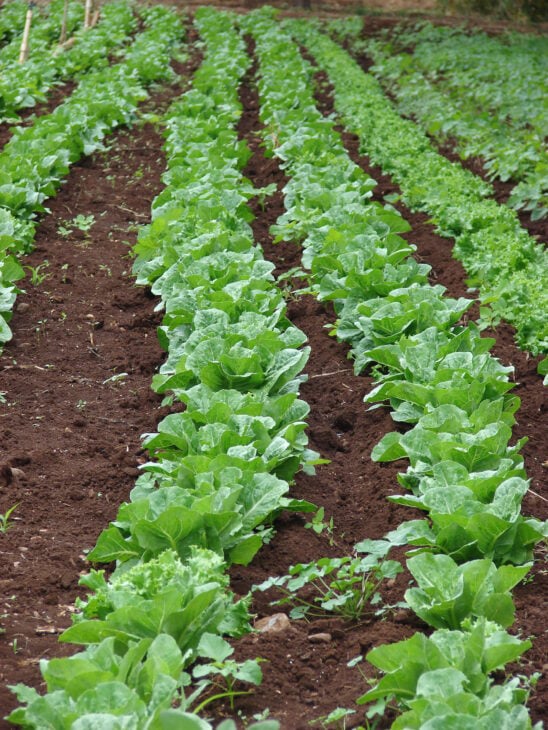
Grow lettuce for fresh salads, sandwich greens and successive harvests in cool seasons. It performs best in beds or rows with loose fertile soil and will tolerate light frost but not hard freezes. In hot climates provide afternoon shade to slow bolting and extend harvest time.
Planting time and sowing
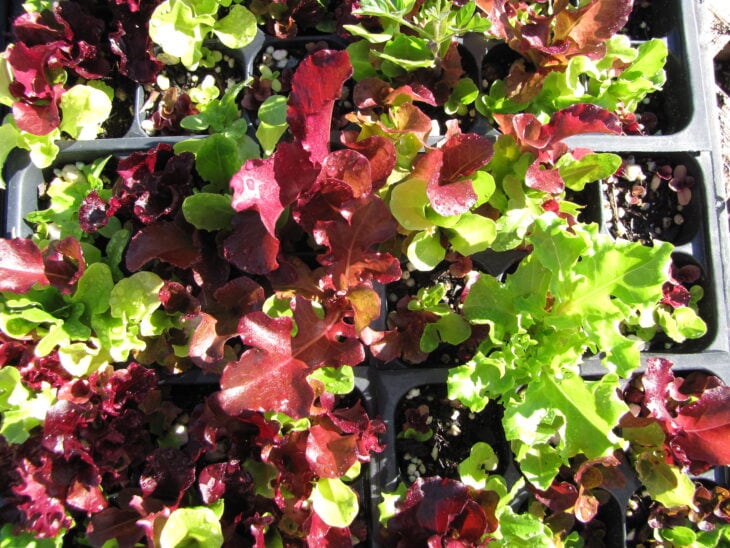
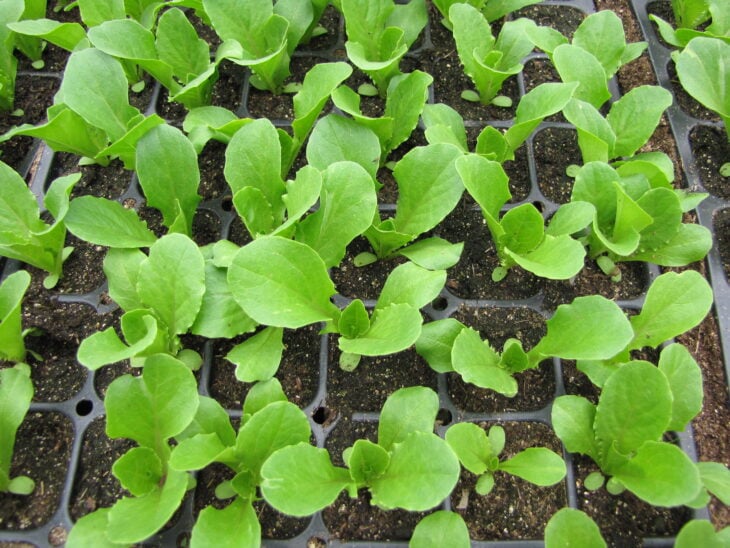
Sow seed in cool weather by direct seeding or start seedlings indoors and transplant while conditions are still cool. Leaf types can be sown more closely for cut and come again harvests, while heading types need more room to form firm heads. Check local frost dates to time spring and fall sowings.
Soil, light and spacing
Plant in fertile loose loam with good drainage and a pH near 6.0 to 7.0 for best growth. Provide full sun in cool weather and partial shade in hot weather to reduce bolting. Space most varieties about 8 to 12 inches apart, using tighter spacing for leaf lettuce and wider spacing for heading types.
Watering and feeding
Keep soil consistently moist to avoid bitterness and to encourage even head formation. Uneven moisture or dry, hot soils promote bitter leaves and early bolting. Light regular applications of balanced fertilizer or side dressings support steady leafy growth without forcing overly rapid, weak plants.
Managing bolting and after-flowering care
Warm temperatures and long days trigger bolting, which makes leaves bitter and ends the harvest for that plant. Remove bolting plants and sow a fresh succession crop, or collect seed if you want volunteers. Once a seed stalk forms the plant redirects energy to flowers and seeds rather than leaf production.
Controlling self-seeding and succession planting
Allowing bolted plants to go to seed quickly creates volunteers that can naturalize in beds. To control self-seeding, pull plants before seeds mature and compost or discard them. For continuous supply, sow small successions every few weeks during cool seasons and switch varieties to match changing temperatures.
Frequently asked questions
- How fast does lettuce grow?
- Lettuce grows quickly in cool conditions. Leaf types produce usable foliage within a short period while heading types need more time to form full heads. Exact timing varies with variety and weather.
- When should I sow lettuce?
- Sow in cool weather for spring and fall harvests. Use local last frost dates to plan spring transplants and aim for cooler periods to reduce bolting risk.
- How closely should I space lettuce?
- Space most garden varieties about 8 to 12 inches apart. Use tighter spacing for cut and come again leaf types and wider spacing for heads that need room to form.
- How can I prevent bolting?
- Keep plants cool and evenly watered and provide partial shade in hot weather. Choose heat-tolerant varieties where available and harvest before long hot spells arrive.
- Is lettuce safe for pets?
- Cultivated lettuce is edible and considered non toxic to common pets. Be cautious with wild Lactuca species, which can contain bitter latex and other compounds.
- What do I do after a plant flowers?
- Remove bolted plants because leaves turn bitter and productivity ends. Collect seed only if desired, otherwise clear out spent plants and sow a replacement crop.
Gallery

Related Plants



Mentioned In (4)
Plants
Companion Plants for Spinach: What Works and Why
Spinach growers fight a near-constant battle with leaf miners — tiny larvae that tunnel between the leaf surfaces and ruin…
Plants
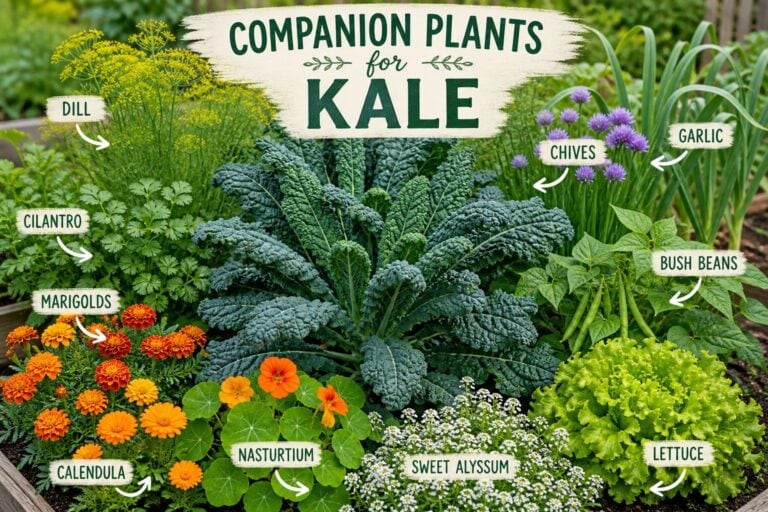
Companion Plants for Kale: What Works and Why
Kale is one of the easiest crops to grow — until the aphids arrive, the flea beetles strike, and the…
Plants
5 Plants That Look Like Cabbage
Cabbage is a hardy vegetable that beginning vegetable gardeners often choose to plant. Cabbage is rich in antioxidants, contains vitamins…

Plants
Companion Plants for Tomatoes: What Works and Why
Companion planting can significantly improve the health and yield of your tomato plants, but choosing the right partners is key…