
Key Facts
- A warm season aromatic herb most commonly grown for fresh culinary leaves.
- Commonly represented by the species Ocimum basilicum.
- Frost tender and usually grown as an annual in temperate climates.
- Prefers full sun and well drained fertile soil.
- Easily propagated by seed or by rooting stem cuttings.
- Leaves are most flavorful when harvested before flowering.
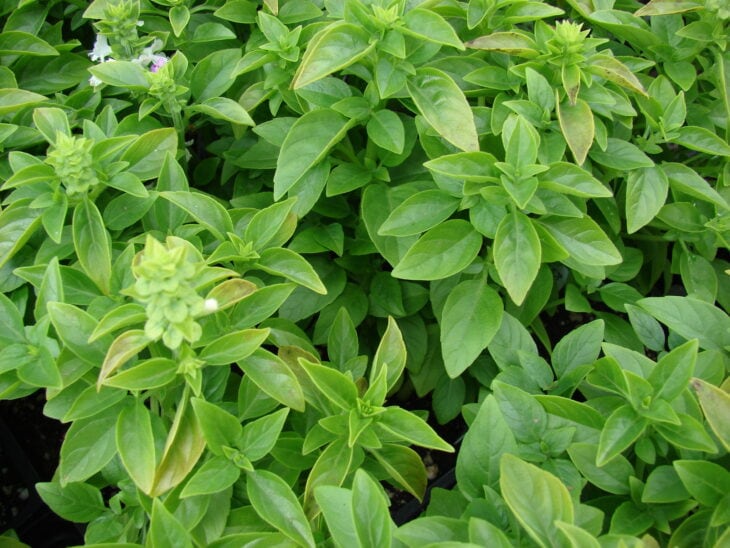
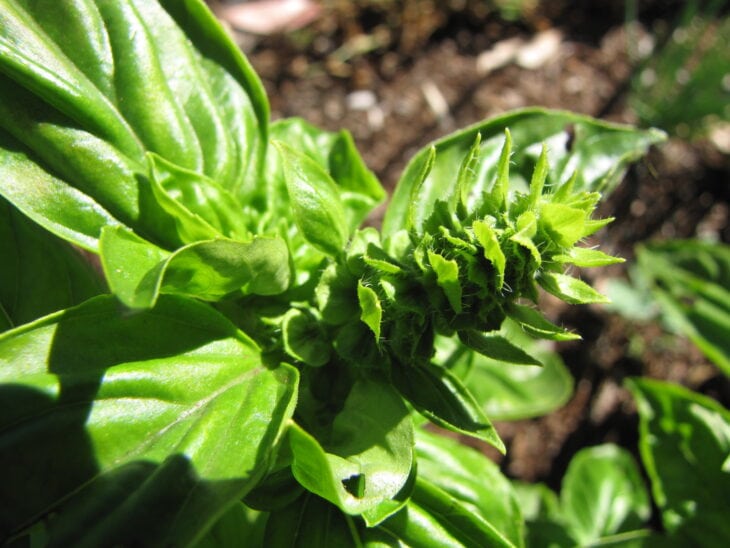
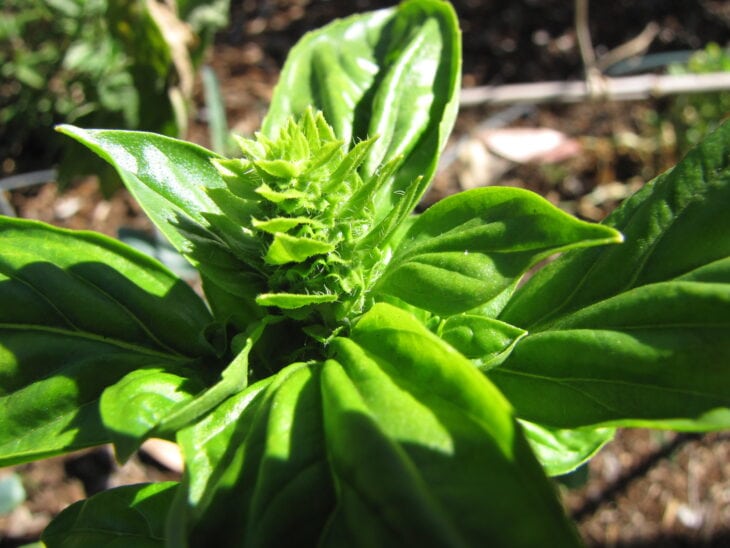
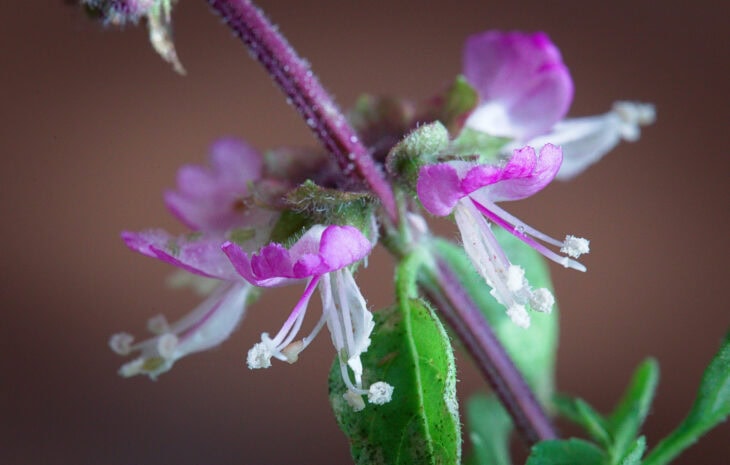
- Produces small white or pink flower spikes that attract pollinators.
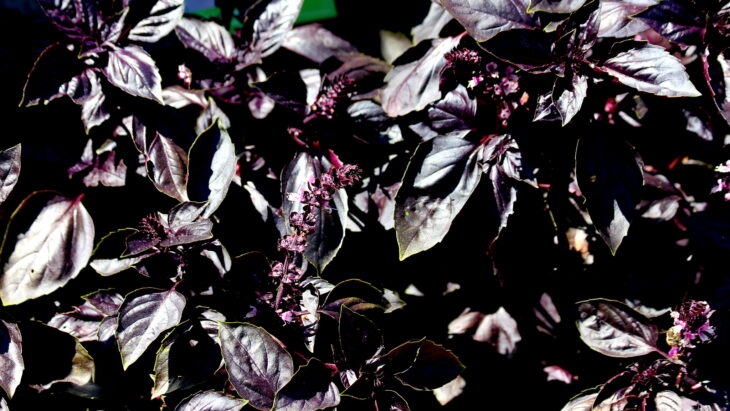
- Many cultivars exist with differing height, flavor and cold tolerance.
Basil (Ocimum basilicum) is a warm season aromatic herb grown for fresh culinary leaves and bright summer flavor. It performs best in full sun and well drained fertile soil but will be killed by frost in cool climates.
Identification and traits
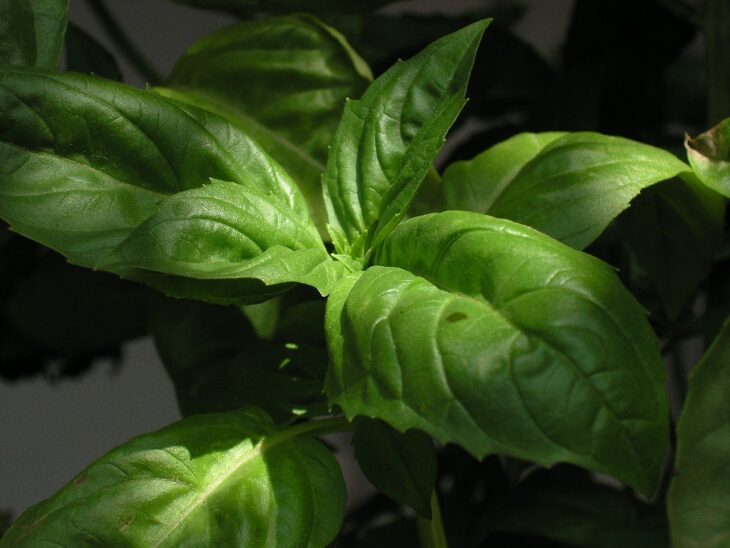
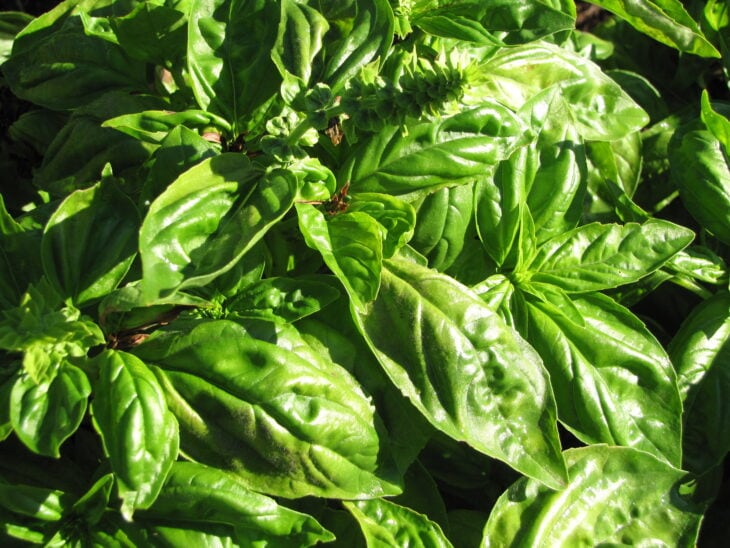
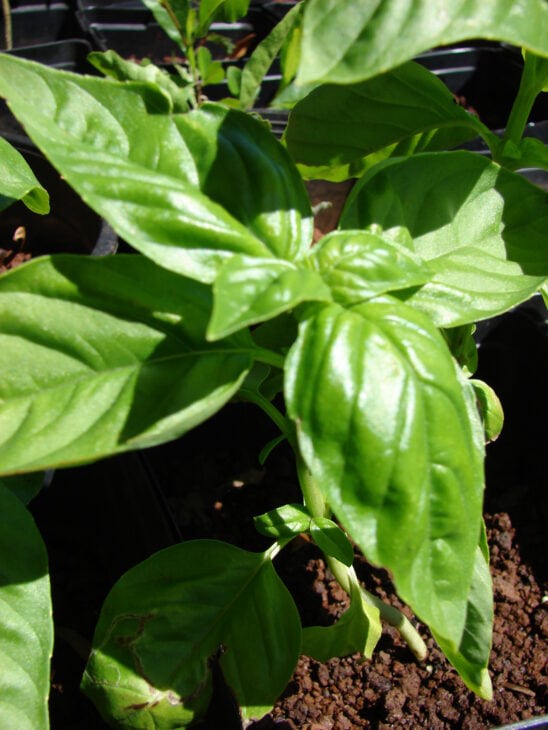
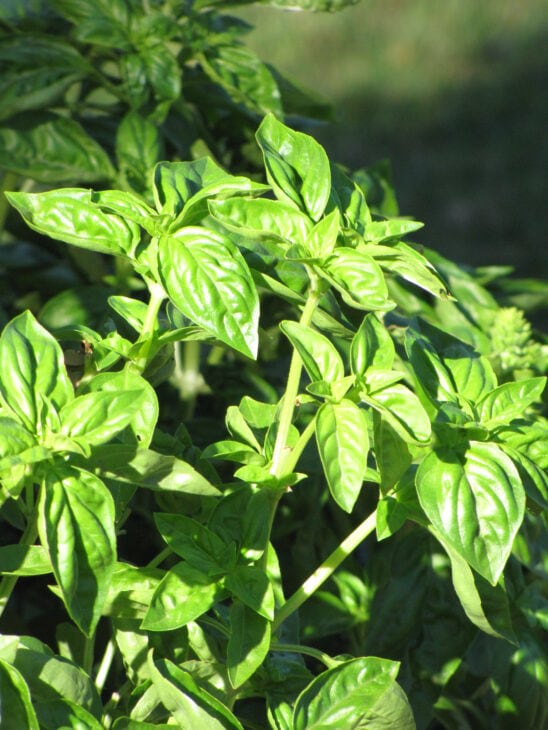
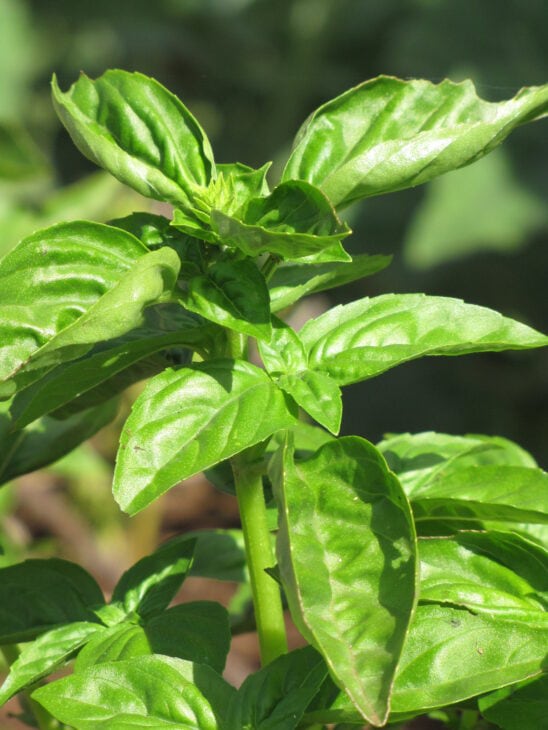
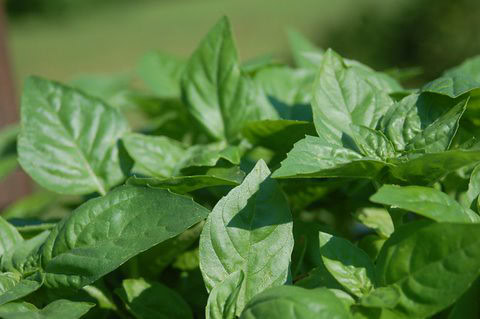
Commonly represented by Ocimum basilicum this herb has soft green leaves and a sweet aromatic scent prized in cooking. Plants typically reach 12 to 24 inches tall and produce small white or pink flower spikes that attract pollinators. Many cultivars vary in size flavor and cold tolerance so choose varieties to match your needs.
Best uses and where to grow
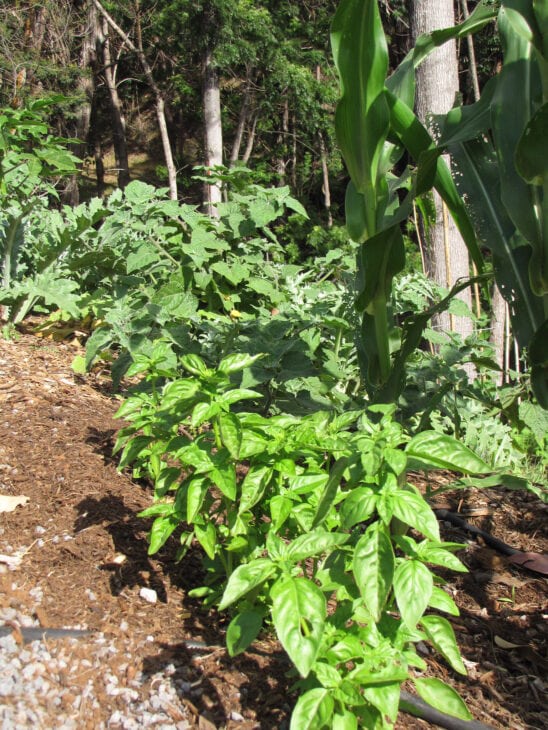
Basil is primarily a culinary herb used fresh in salads sauces and pestos and works well as an edging plant or in mixed herb beds. It grows reliably in containers which let you move plants indoors before frost. In USDA zones 10 and 11 basil can survive as a perennial but in most gardens it is treated as an annual.
Planting time and spacing
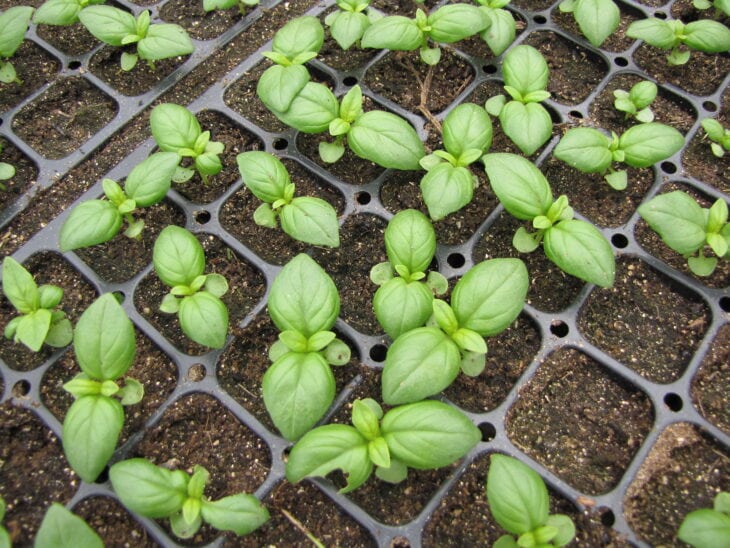
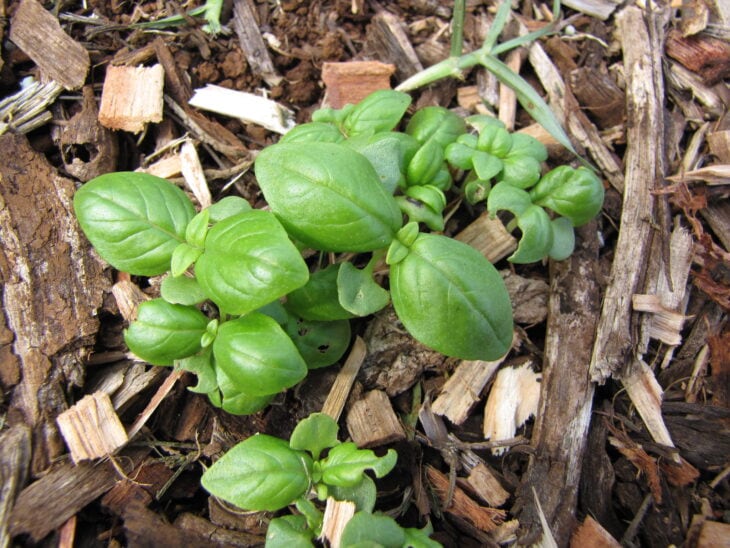
Start seeds after the last frost or use stem cuttings for quick true to type plants. Space plants about 12 to 18 inches apart to allow air circulation and bushy growth. Exact timing of flowering and planting depends on local climate and whether you are growing indoors or outdoors.
Soil light and watering
Basil prefers fertile well drained soil with a pH around 6.0 to 7.5 and benefits from regular feeding. Give at least six hours of sun daily because shade reduces leaf oils and can make plants leggy. Avoid waterlogged soil because it can cause root rot and reduced vigor which shows as yellowing leaves and stunted growth.
Propagation and containers
Propagate from seed or by rooting stem cuttings in water or soil. Cuttings root quickly and provide plants identical to the parent. Containers are ideal for small patios or to move plants inside for year round growth in colder areas just remember basil is frost tender so bring pots indoors before cold weather.
Harvesting and after flowering care
Leaves are most flavorful before plants flower so harvest regularly and pinch growing tips to encourage branching. Many growers remove flower spikes as they appear to prolong leaf production. After flowering you can cut plants back to promote fresh growth but expect flavor to be stronger on pre bloom leaves.
Controlling spread and garden management
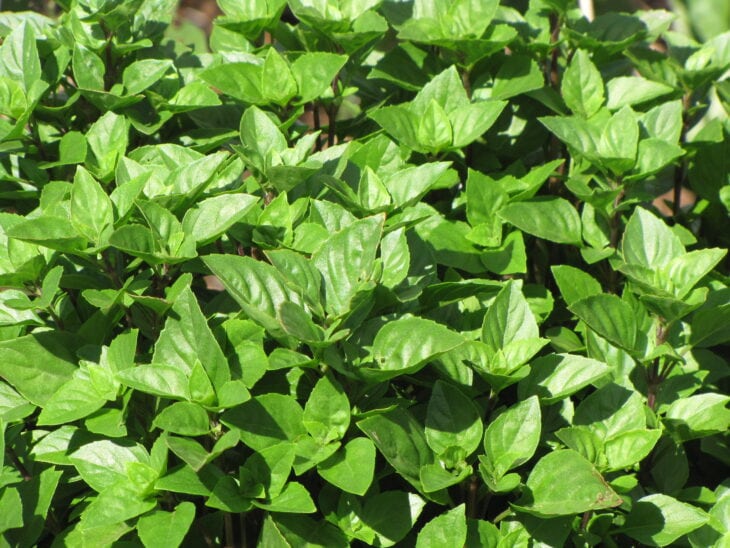
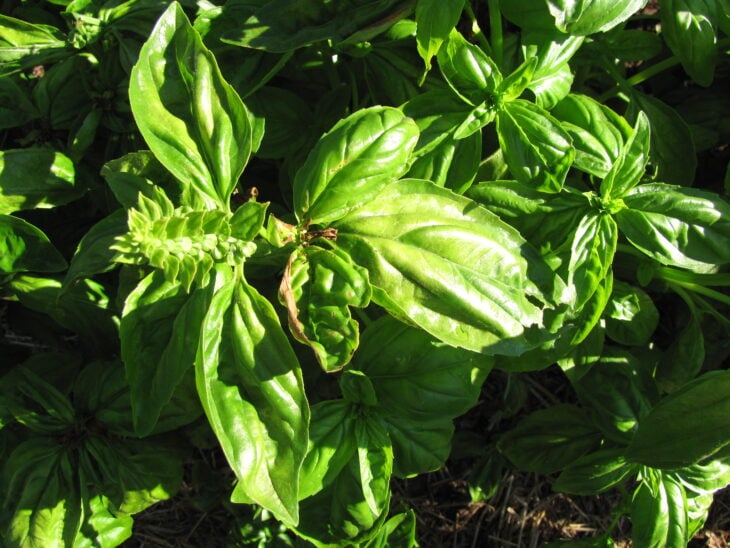
Basil naturally forms a bushy clump roughly 12 to 18 inches across but spread varies with pruning container size and cultivar. Keep plants compact by regular pinching and harvesting and remove seed heads to prevent unwanted self seeding. Flowers attract bees which help nearby fruiting crops.
Safety and pet notes
Culinary basil is edible for people and is listed as non toxic to cats and dogs by the ASPCA. Avoid use of concentrated essential oils and large amounts which can irritate sensitive animals. Confirm safety before offering unusual Ocimum species to pets or livestock.
Frequently asked questions
- How fast does basil grow?
- Basil can reach its typical mature height of 12 to 24 inches within a single warm season when grown in full sun with fertile well drained soil. Growth is fastest with regular harvesting and adequate warmth.
- Is basil perennial?
- Basil is frost tender and is grown as an annual in most climates. In USDA zones 10 and 11 it can survive year round as a perennial but colder zones will see frost kill plants.
- Can I grow basil in partial shade?
- Basil tolerates light shade but reduces leaf oil concentration and can become leggy. For the most aromatic leaves provide at least six hours of sun daily.
- How often should I water basil?
- Keep soil evenly moist but well drained. Overwatering or waterlogged soil leads to root rot and reduced vigor while persistent drought causes leaf drop and slow growth.
- Are basil leaves safe for pets?
- Common culinary basil is considered non toxic to cats and dogs. Avoid concentrated essential oils and check uncommon Ocimum species for safety before giving to animals.
Gallery


Related Plants

Mentioned In (3)
Plants
Companion Plants for Okra: What Works (and what doesn’t)
Root-knot nematodes, aphids, and pod-feeding stink bugs are the pressure points that make okra companion planting worth planning carefully. The…

Plants
Companion Plants for Tomatoes: What Works and Why
Companion planting can significantly improve the health and yield of your tomato plants, but choosing the right partners is key…
Plants
Companion Plants for Peppers: What Works and Why
Peppers are a magnet for aphids and thrips from the moment they go in the ground, and a plant this…