
Key Facts
- Annual plant grown for large, showy flower heads.
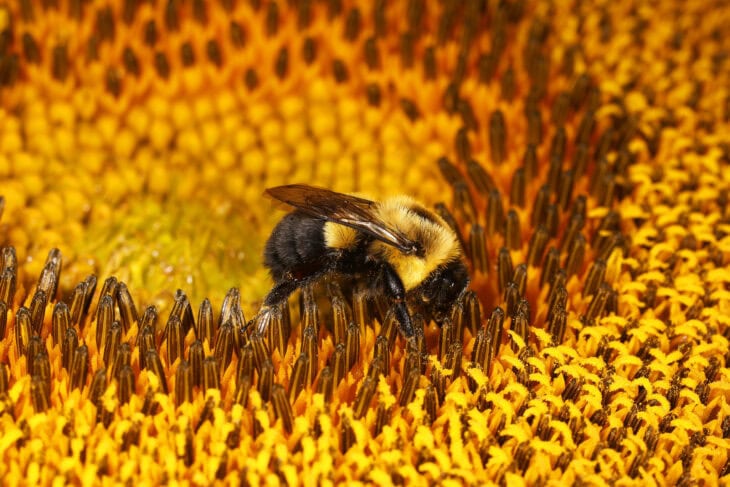
- Attracts bees and other pollinators.
- Seeds are harvested for food and oil.
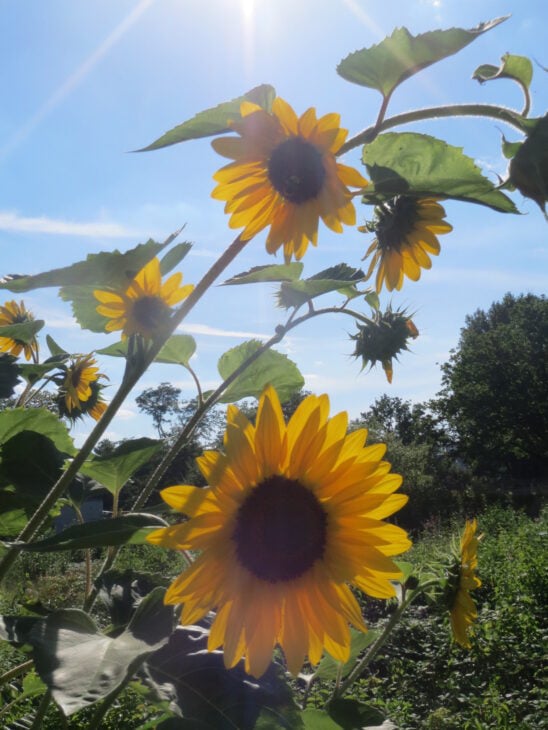
- Flowers follow the sun when young.
- Prefers full sun and well drained soil.
- Many cultivars vary widely in height and flower form.
- Self seeds readily in favorable conditions.
Sunflower (Helianthus annuus) is a fast growing annual valued for large, bright flower heads and edible seeds. It attracts pollinators and performs best in full sun with well drained soil, though many cultivars and habits vary widely.
Identification
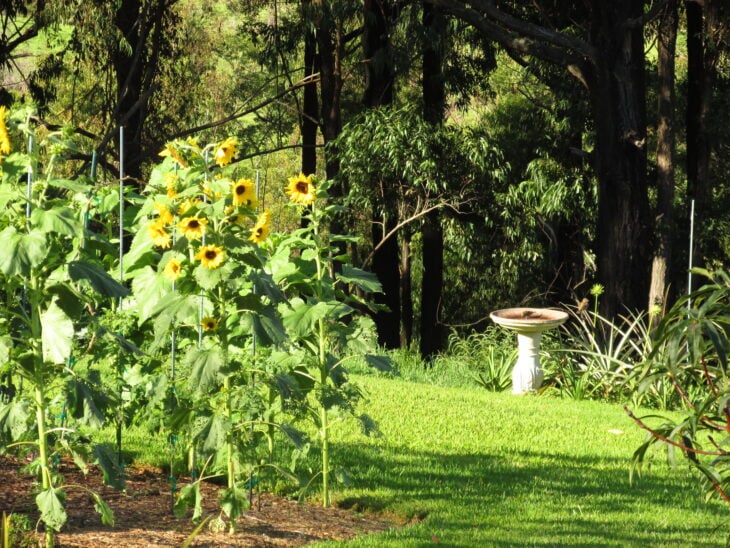
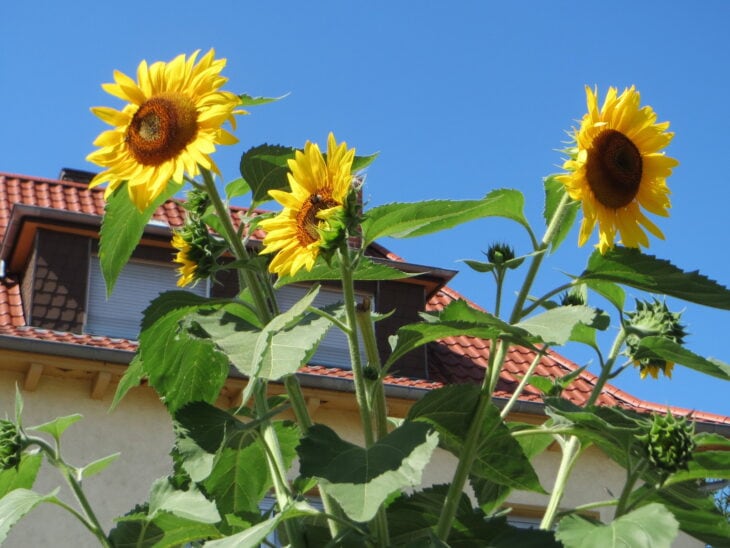
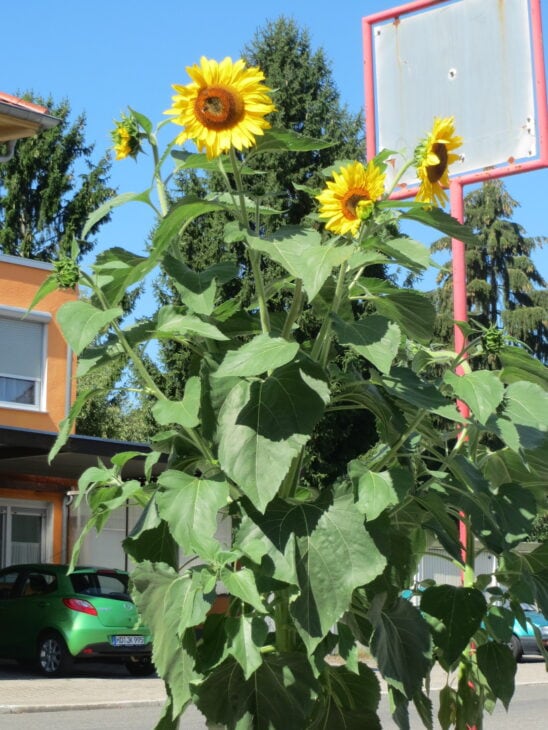
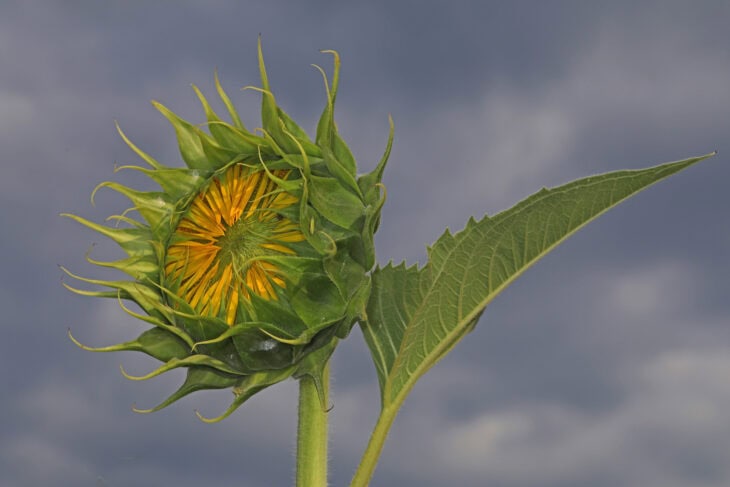
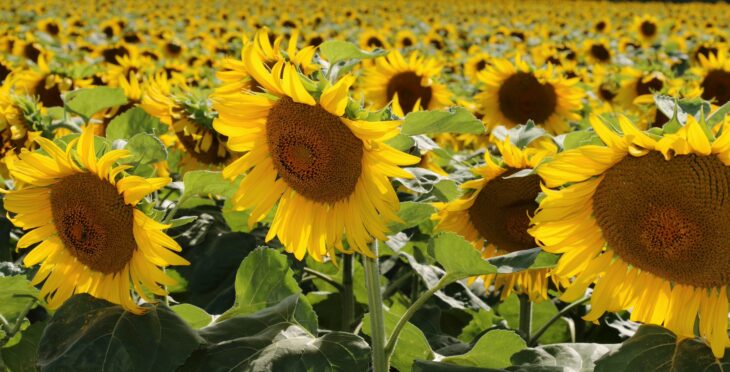
Sunflower is an annual with a single showy flower head or branching clusters depending on cultivar. Young flower heads track the sun and the plants attract bees and other pollinators. Common garden varieties typically range from about 3 ft to 10 ft tall, while dwarf and specialty types stay much shorter.
Best uses and where to grow
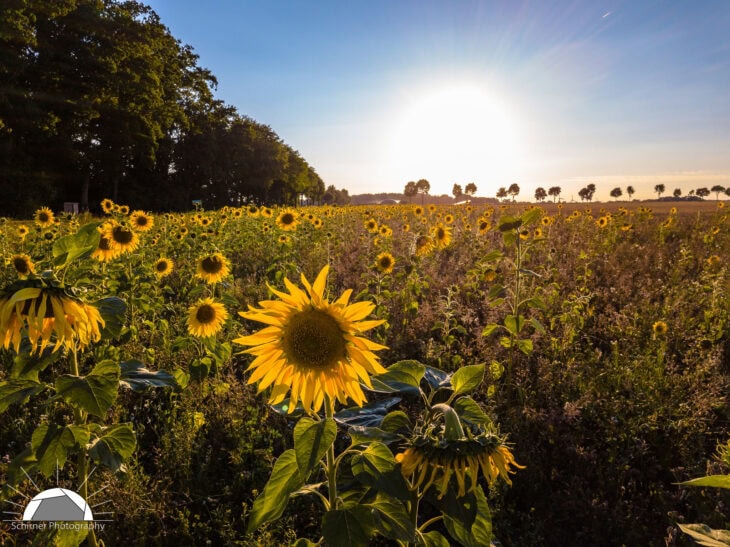
Use sunflowers as bold back-of-border specimens, cut flowers, pollinator strips or for seed and oil production on larger plots. They need full sun and are often grown as annuals across a wide range of USDA zones. In warmer areas plants may self seed and persist year to year.
Planting and timing
Propagate primarily by seed. Direct sow outdoors after the last spring frost or start seeds indoors for earlier bloom. Sowing date influences final height and bloom timing. When sown in spring flowering typically occurs in summer to early fall, with Northern Hemisphere months commonly June through September.
Spacing and support
Single stem types usually occupy about 1 to 3 ft of space; branching varieties spread wider. Thin or space seedlings to match the cultivar habit and give tall types room for wind. Provide stakes or supports for taller cultivars to reduce lodging and broken stalks during storms.
Soil and watering
Sunflowers prefer fertile, well drained loam but tolerate poorer soils and a range of pH around neutral to slightly acidic or alkaline. Avoid waterlogged sites since root stress and reduced vigor follow poor drainage. Regular watering while plants establish helps growth, but soak and allow soil to dry slightly between watering.
After flowering and seed harvest
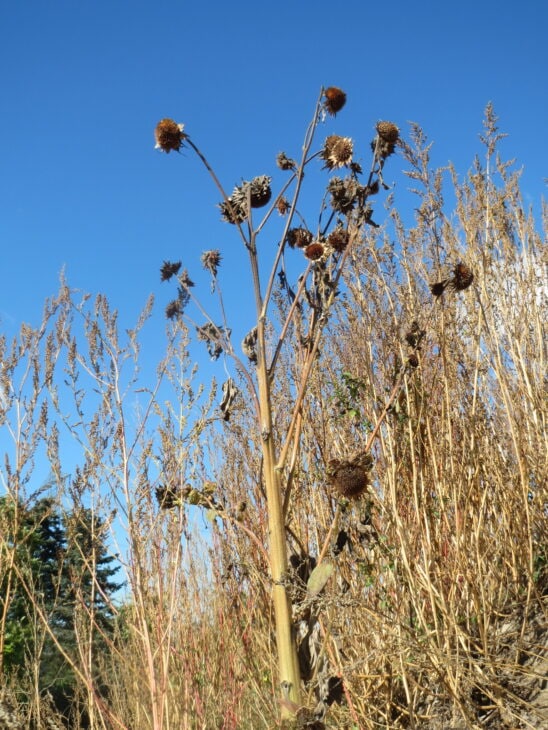
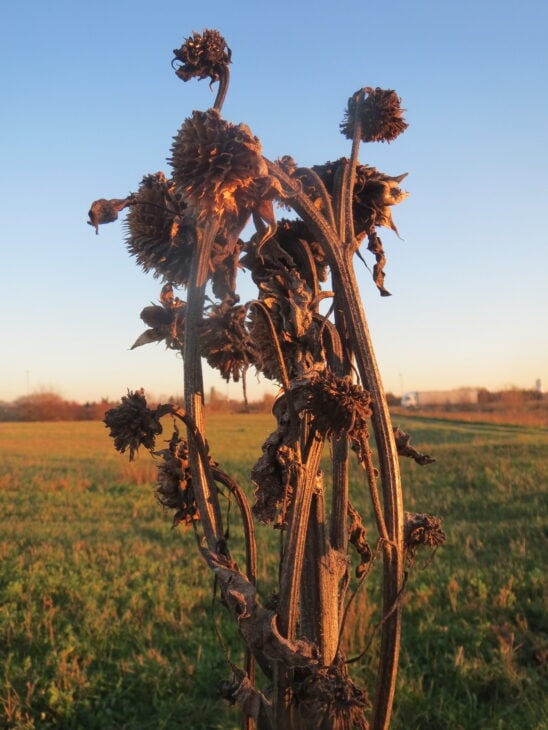
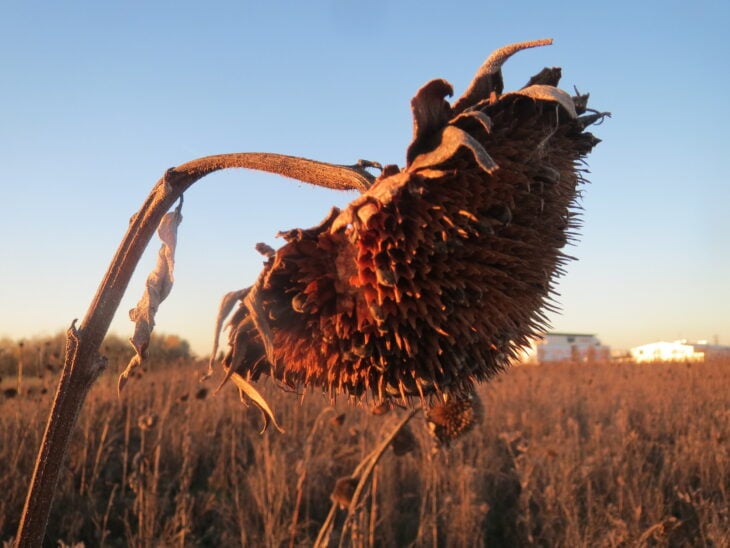
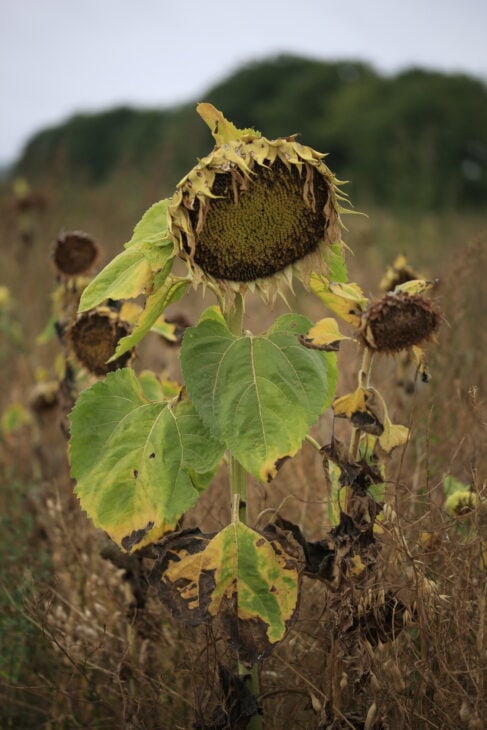
Flower heads produce edible seeds that are harvested for food, birdseed or oil. Leave mature heads for wildlife or harvest seeds for storage and use. Plants die back after frost in cold areas; in warm climates heads left on plants will promote self seeding the following season.
Controlling reseeding and spread
Sunflowers self seed readily in favorable conditions. To prevent volunteers deadhead spent flowers before seed matures or remove developing heads. Pull young volunteer seedlings when they appear or allow selective plants to reseed where you want them to naturalize.
Containers and earlier blooms
Dwarf and specialty varieties are suitable for containers and small gardens. Starting seeds indoors produces earlier blooms but transplant carefully to avoid root disturbance. Choose compact cultivars for pots and provide the same full sun and well drained mix used in beds.
Frequently asked questions
- How fast does sunflower grow?
- Sunflower is fast growing. Many garden varieties reach several feet in a single season, with common types ranging from about 3 ft to 10 ft depending on cultivar and growing conditions.
- When should I plant sunflower seeds?
- Sow seeds directly outdoors after the last spring frost or start indoors for earlier flowering. Sowing date affects bloom timing and final plant height.
- How much sun do sunflowers need?
- Grow sunflowers in full sun with at least six hours of direct sun daily for the largest heads and sturdiest stems.
- Will sunflowers reseed or become invasive?
- Sunflowers self seed readily and can naturalize locally if allowed. Prevent unwanted spread by deadheading spent flowers or removing young volunteers.
- Are sunflower seeds safe for pets?
- Seeds are edible for humans and commonly used for birdfeed. Sunflower is not widely listed as highly toxic to dogs and cats, but large ingestion or moldy seeds can cause digestive upset. Confirm safety with local poison control or ASPCA resources.
Gallery
Related Plants


Mentioned In (1)
Plants
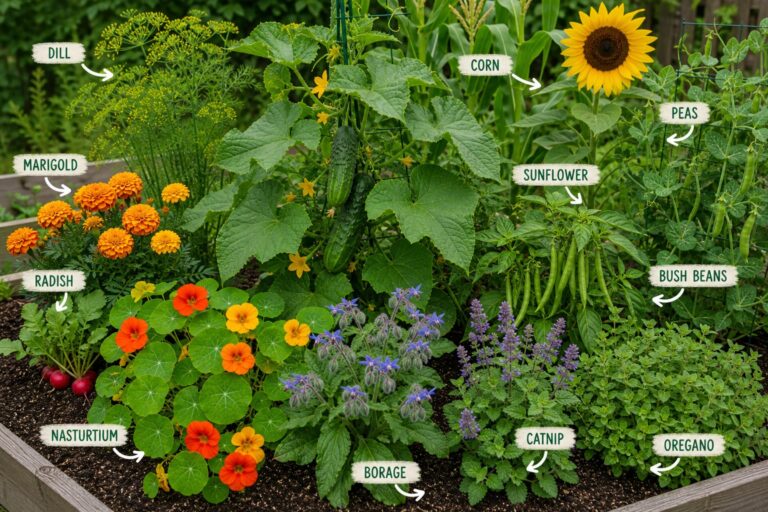
Companion Plants for Cucumber: What Works (and what Doesn’t)
Cucumber beetles are one of the most destructive forces in the vegetable garden — and they don't just eat foliage.…