
Key Facts
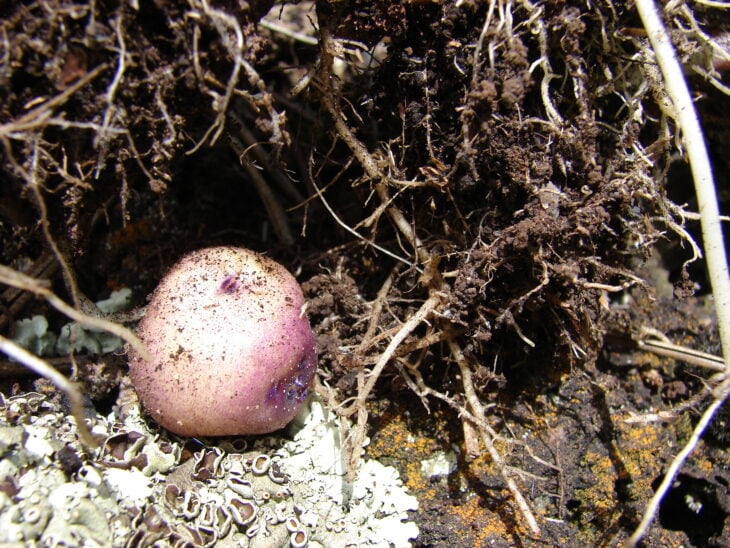
- Edible tubers form on underground stems and are the harvested crop.
- Cool season crop planted in spring for summer harvest in temperate climates.
- Prefers loose, well drained fertile soil that is slightly acidic.
- Commonly propagated by planting seed tubers or tuber pieces with eyes.
- Foliage and any green or sprouted tubers contain toxic glycoalkaloids.
- Hilling soil over stems encourages more and larger tubers.
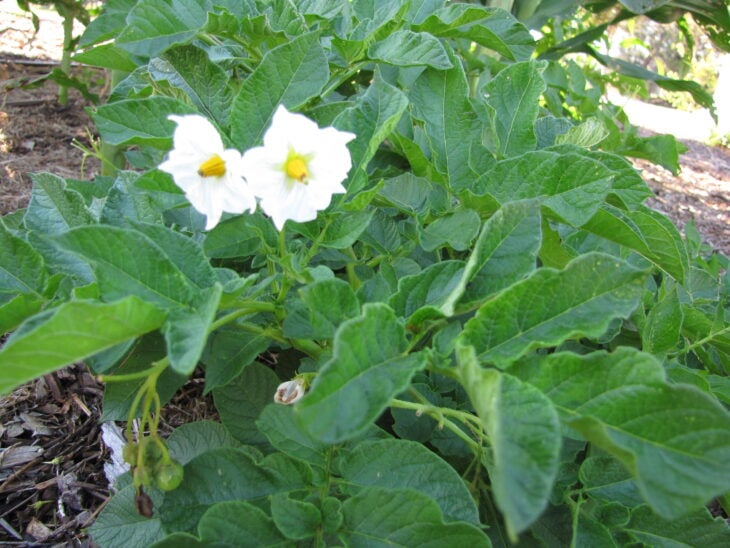
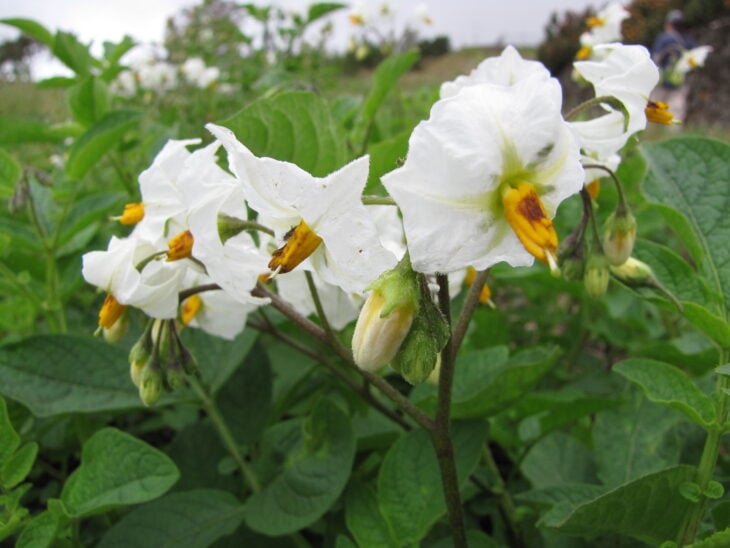
- Plants typically flower before or during tuber bulking.
- Full sun gives best yields though plants tolerate some light shade.
Potato (Solanum tuberosum) is a cool season vegetable grown for edible underground tubers and suited to spring planting for summer harvest in temperate climates. Plants produce a leafy canopy above ground and tubers on underground stems that are the harvested crop. Take care with green or sprouted tubers and foliage which contain natural toxins.
Identification
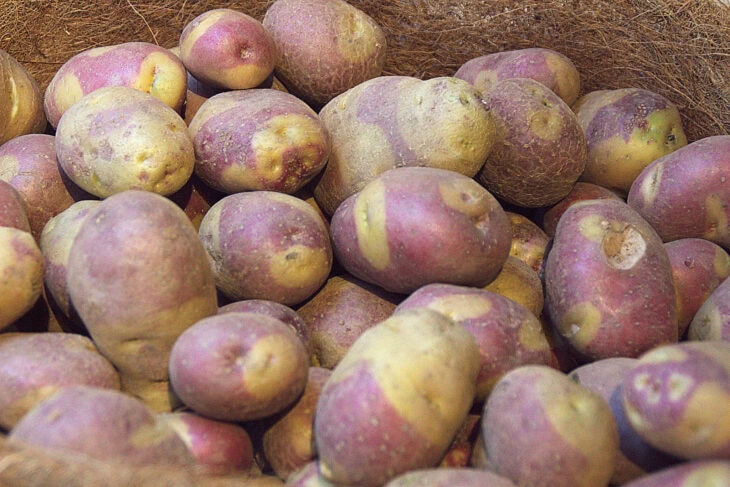
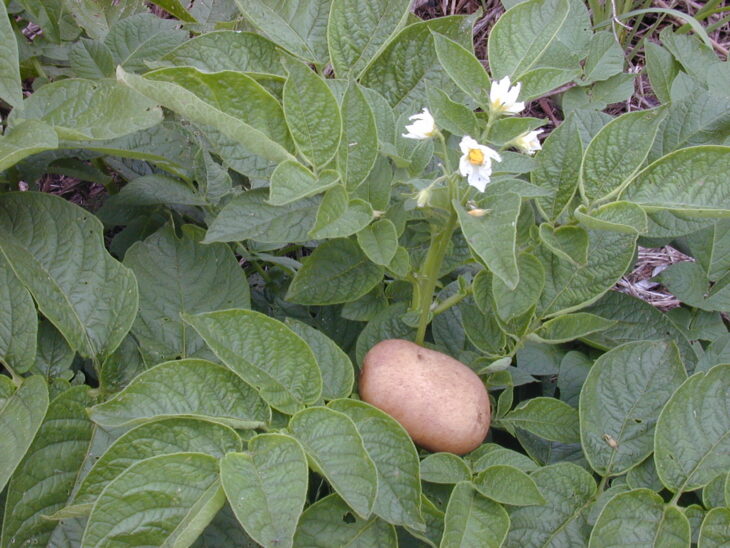
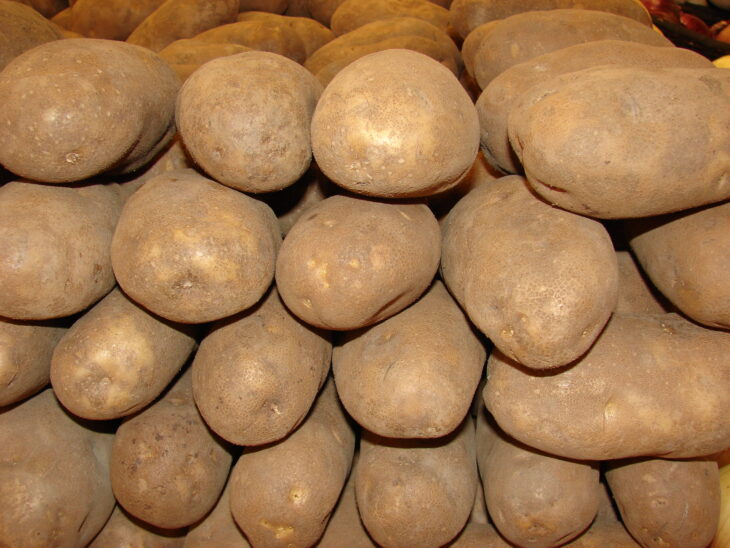
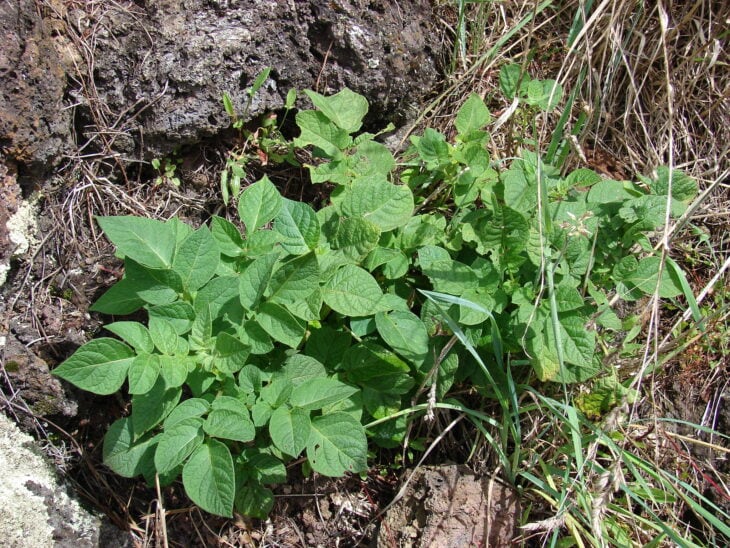
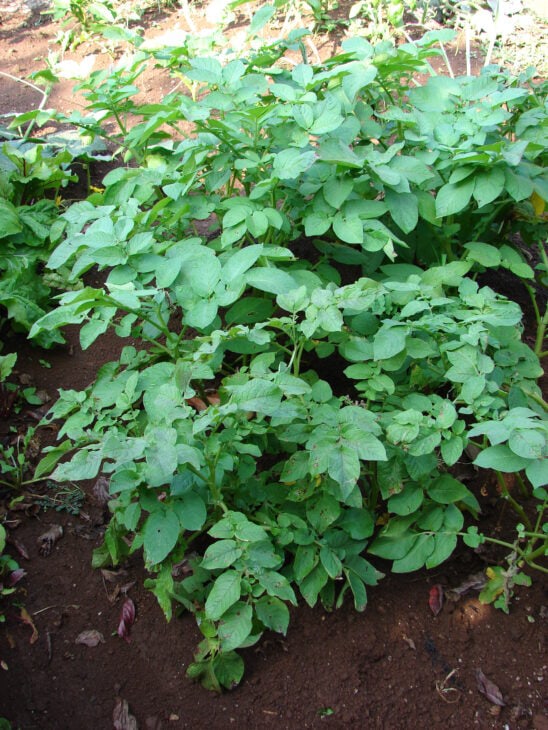
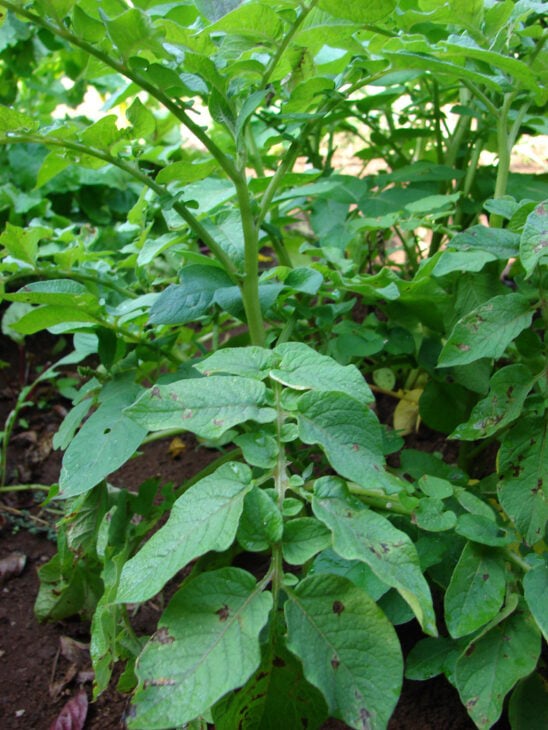
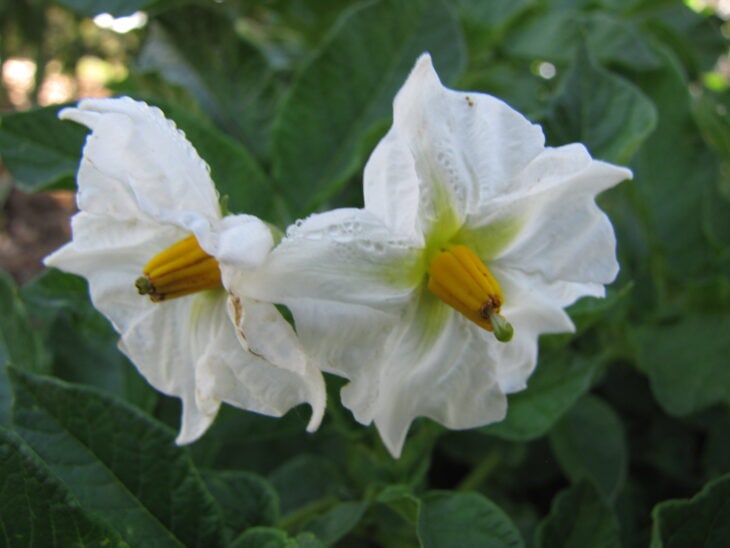
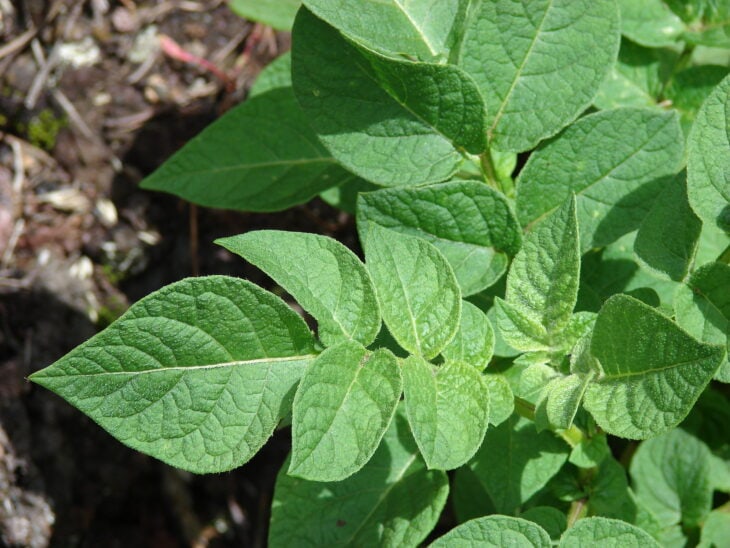
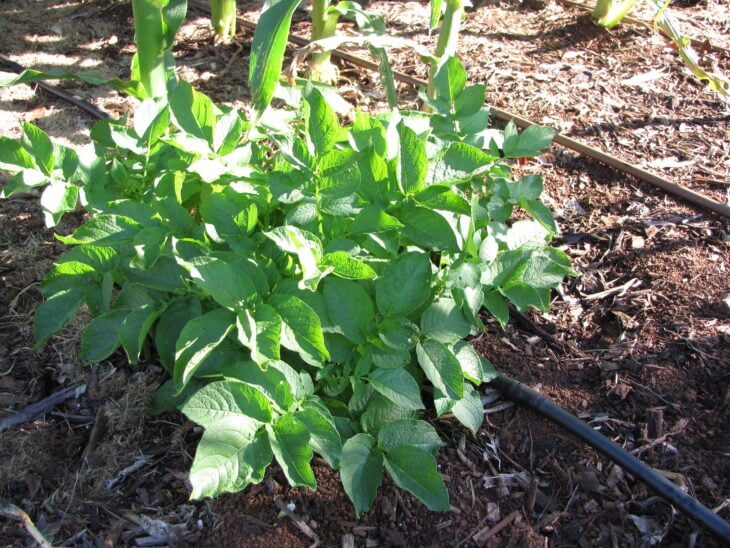
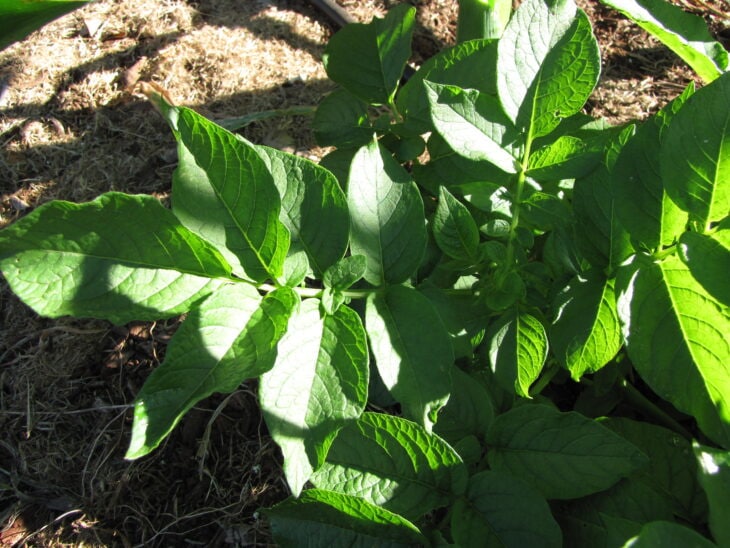
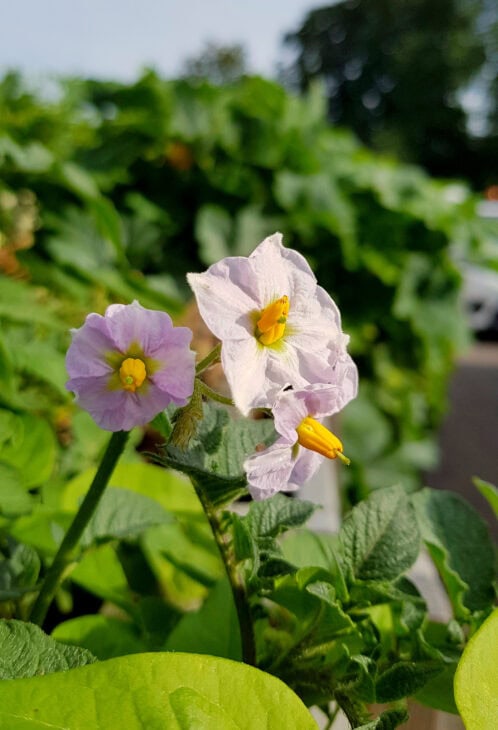
Potato plants grow as 12 to 36 inch tall leafy stems with compound leaves and often white pink or purple flowers in spring to summer in many temperate climates. The edible crop is tubers formed on underground stems rather than roots. Foliage and any green or sprouted tubers contain glycoalkaloids that are toxic if eaten.
Best uses and where to grow
Grow potatoes as an annual vegetable for summer harvest in temperate gardens. They perform best in full sun and tolerate light afternoon shade though yields drop in heavy shade. Managed across a wide range of USDA zones about 2 to 10 when grown as an annual but plants remain frost sensitive so plan planting dates accordingly.
When and how to plant
Plant seed tubers or pieces with eyes in spring after soils begin to warm in colder areas. Use certified seed tubers where possible to reduce disease risk. As stems emerge periodically mound or hill soil over the lower stems to encourage more and larger tubers and protect developing tubers from greening.
Soil light and spacing
Choose loose fertile well drained loam with a slightly acidic pH around 5.0 to 6.5 and avoid waterlogged heavy clay which causes rot and poor tuber set. Give plants full sun for best yields. Space plants or rows roughly 12 to 36 inches apart depending on variety and planting method to allow hilling and tuber development.
Watering and routine care
Keep soil evenly moist during tuber development to support steady bulking and avoid long dry spells that reduce yield. Avoid waterlogging since poor drainage increases rot and reduces tuber set. Fertilize based on soil test and maintain loose soil structure so roots and tubers can expand. Monitor foliage for pests and disease.
After flowering and harvest timing
Plants typically flower before or during the main period of tuber bulking. Continue to maintain even moisture and hill soil as needed while tubers develop. When foliage naturally dies back tubers are maturing and can be lifted for immediate use or storage. Timing varies with cultivar and local climate so watch plant cues.
Managing spread and volunteers
Tubers left in the ground can overwinter and sprout the following season creating volunteer plants. Harvesting tubers and removing leftover pieces reduces unwanted volunteers and disease carryover. Spacing and timely lifting prevent the crop from naturalizing in vegetable beds and make it easier to remove unwanted plants before they set tubers.
Propagation
Propagate potatoes vegetatively by planting whole seed potatoes or cut pieces that include at least one eye. Certified seed tubers are recommended to avoid introducing soilborne diseases. True botanical seed is possible but uncommon for home production. Store seed tubers in cool dark conditions to reduce greening prior to planting.
Frequently asked questions
- How fast does potato grow?
- Growth from sprout to harvest spans weeks to months depending on cultivar climate and planting date. Plants normally flower before or during the period when tubers bulk so watch foliage and flowering to judge development.
- Are potato leaves poisonous?
- Yes leaves stems and any green or sprouted tubers contain glycoalkaloids that can cause illness. Mature tubers that are not green and are properly cooked are edible.
- Can I plant potatoes in heavy clay soil?
- Heavy poorly drained clay increases rot and reduces tuber set. Improve structure with organic matter or choose raised beds or loose amended soil for reliable yields.
- How far apart should I plant potatoes?
- Space plants or rows roughly 12 to 36 inches apart depending on variety and growing method to allow room for hilling and tuber development.
- When should I plant potatoes?
- Plant in spring as a cool season crop after soils begin to warm. In colder zones wait until after risk of hard frost and in warmer regions avoid planting during hot periods that reduce tuber formation.
- Can I save tubers for seed potatoes?
- Saving tubers is possible but using certified seed tubers reduces the chance of carrying diseases. Keep stored tubers cool dark and dry to limit greening and sprouting.
Gallery
Related Plants

Mentioned In (1)
Plants
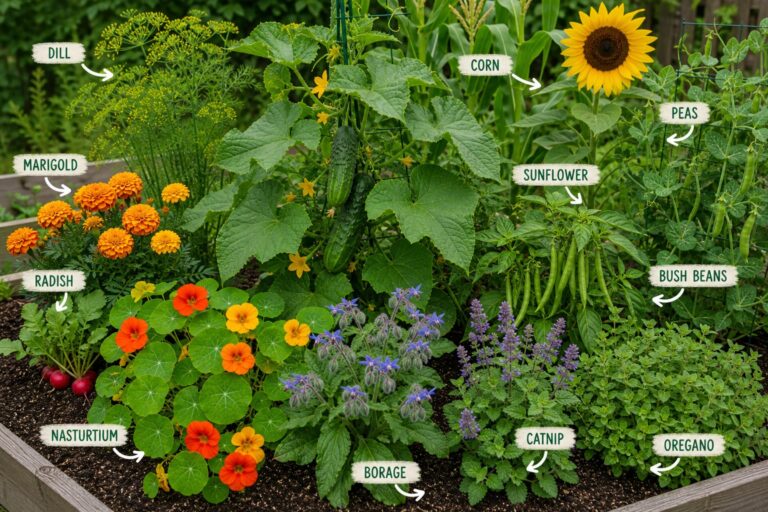
Companion Plants for Cucumber: What Works (and what Doesn’t)
Cucumber beetles are one of the most destructive forces in the vegetable garden — and they don't just eat foliage.…