Trees
Pros And Cons Of Dogwood Trees
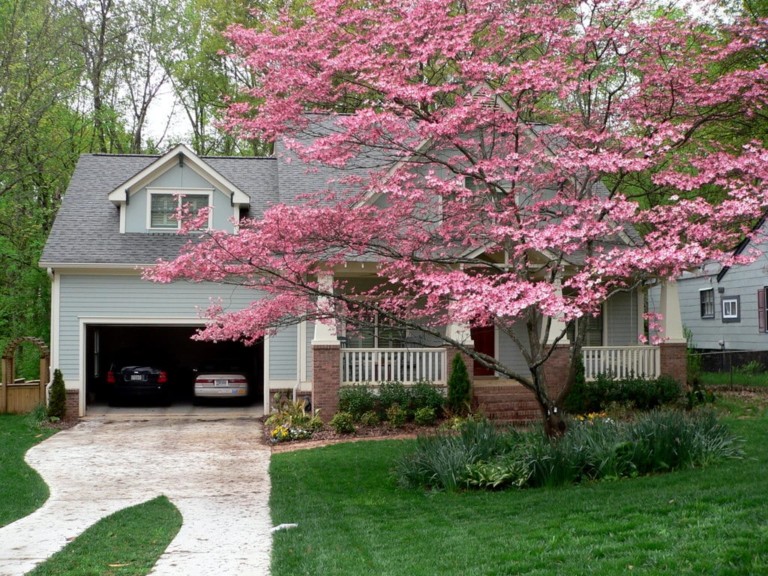
Dogwoods (Cornus spp.) are super popular ornamental trees that are native to the US. Horticulturalists have selectively bred them for a long time, so there are

Trees
Dogwoods (Cornus spp.) are super popular ornamental trees that are native to the US. Horticulturalists have selectively bred them for a long time, so there are

Trees
Italian cypress (Cupressus sempervirens) is hardy only in USDA zones 7 to 10, so most American gardeners need a substitute for that narrow exclamation-point shape. The
Trees
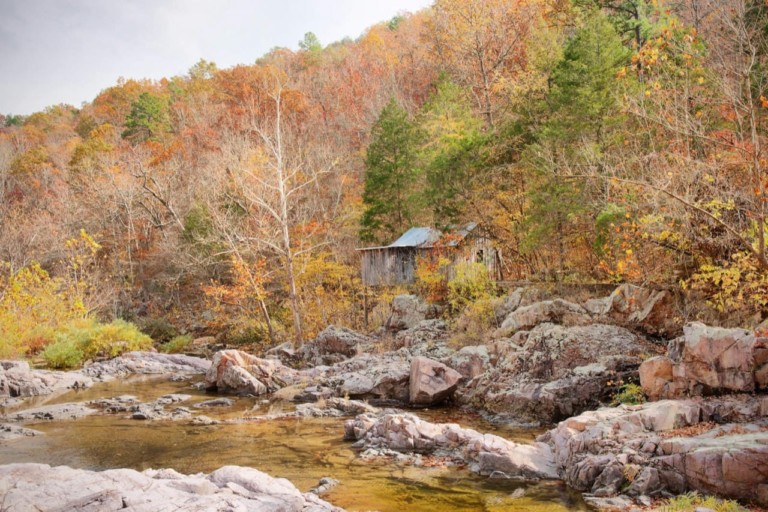
About a third of Missouri is forest, and most of it is oak-hickory forest: white oak, post oak, black oak and hickories cover the Ozark hills
Trees
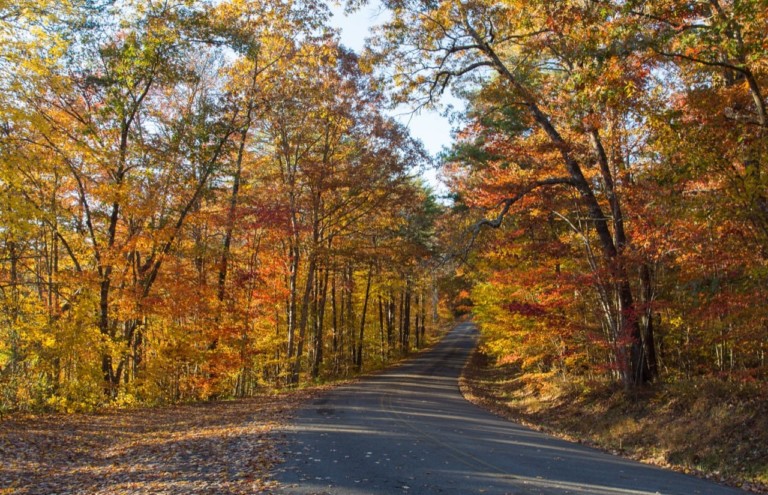
About 70 percent of Alabama is forest, roughly 23 million acres, and pines dominate it. Loblolly pine is by far the most common tree in the
Trees
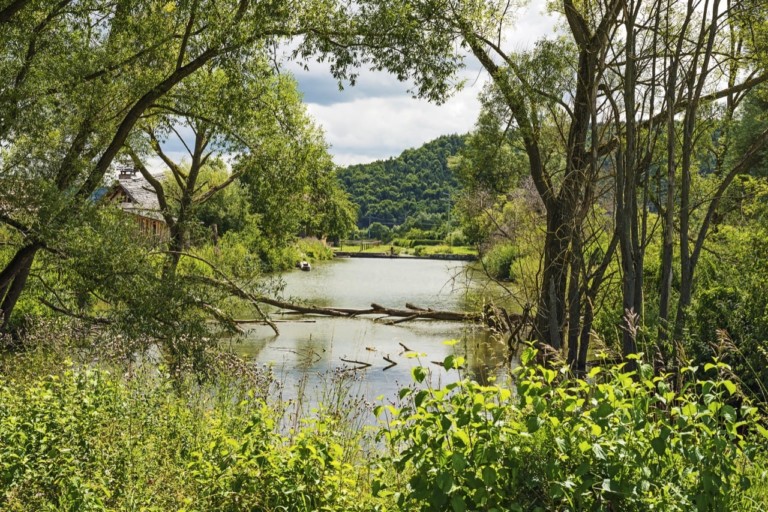
Four trees make up about 70% of Germany’s forests: Scots pine, Norway spruce, European beech and oak. Forest covers about a third of the country, about
Trees
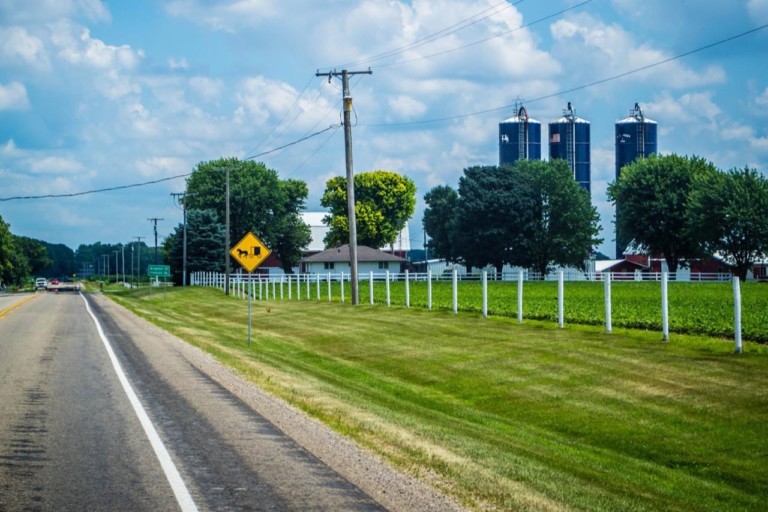
About a fifth of Indiana is forest, most of it in the hilly south, where the Hoosier National Forest and many state forests are covered in
Trees
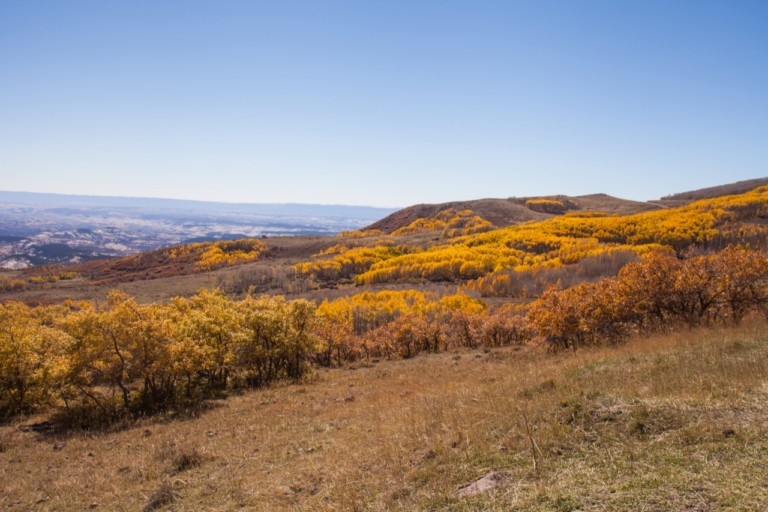
Utah’s most common trees change with elevation. Utah juniper and pinyon pine cover more of the state than any other forest type, on the dry foothills
Trees
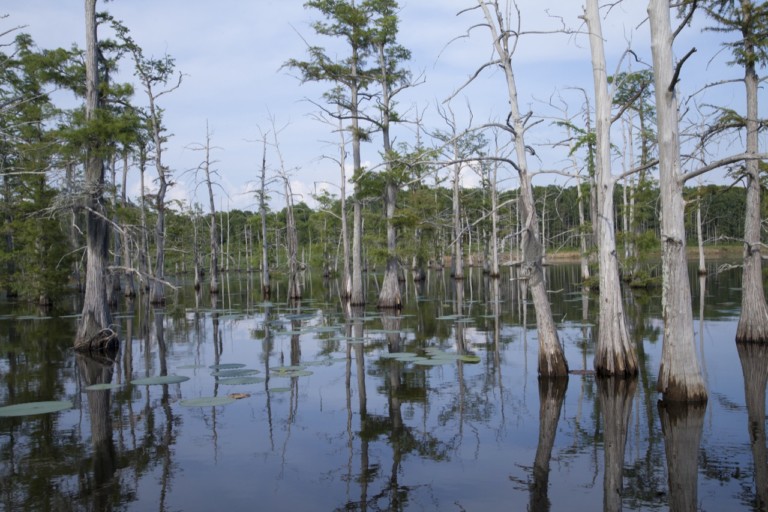
The most common trees in Louisiana are loblolly pine, sweetgum, water oak, red maple, sugarberry, bald cypress and water tupelo, with longleaf and slash pines on

Trees
South Carolina runs from the Blue Ridge in the Upstate, across the Piedmont and the Sandhills, down to the Lowcountry marshes. The trees change with it:

Trees
Florida spans a surprising range of climates. The Panhandle and North Florida (USDA zones 8 and 9) have frost most winters and share their trees with