
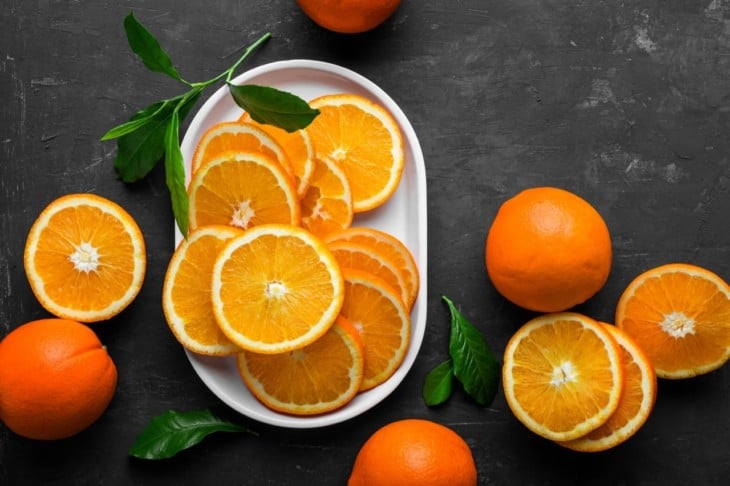
In the U.S., oranges are in season from about November to June, and they are at their best from December to April, when navel oranges, Cara Caras, blood oranges and mandarins are all being picked. Valencia oranges carry the season on through summer, from March into October. With imports from the Southern Hemisphere filling the gaps, you can buy oranges all year, but the sweetest, cheapest oranges are in stores in winter.
Contents
Oranges are a winter fruit because citrus trees flower in spring and the fruit takes 7 to 12 months to ripen, depending on the variety. Unlike bananas or peaches, oranges don’t keep ripening after they are picked, so growers leave them on the tree until they are sweet. Most U.S. oranges come from California, which grows most of the oranges sold fresh, and Florida, which grows mainly for juice. Smaller crops come from Texas and Arizona.

- When Each Type of Orange Is in Season
- Orange Season by State
- Can You Buy Oranges Year-Round?
- How to Choose and Store Oranges
When Each Type of Orange Is in Season
| Orange | U.S. season | Peak | Best for |
|---|---|---|---|
| Navel | November–June | December–March | Eating fresh; seedless and easy to peel |
| Valencia | March–October | April–July | Juice; also eating |
| Cara Cara | December–April | January–March | Eating; pink flesh, low acid |
| Blood orange | December–April | January–March | Eating, salads, juice, cocktails |
| Clementine | November–January | December | Snacking; seedless |
| Other mandarins and tangerines | November–April | January–March | Snacking |
| Seville (sour orange) | December–February | January | Marmalade, cooking |
| Bergamot | November–March | December–January | Zest, flavoring; rarely sold fresh |
Navel oranges are the classic seedless eating orange, named for the small second fruit that forms a “belly button” at the blossom end. California navels are picked from November to June and are best from December to March. Late-season varieties such as ‘Lane Late’ carry them into early summer. Navel juice turns bitter within hours, so navels are for eating, not juicing.
Valencia Oranges
Valencia is the world’s most important juice orange and the main summer orange in the U.S. In California it is picked from about March to October, and in Florida from March to June. Valencias are sweet and juicy with a few seeds and thin skin. In summer, ripe Valencias on the tree can turn slightly green again at the stem end. This “regreening” doesn’t affect the taste.
Cara Cara Oranges
Cara Cara is a navel orange with pink to red flesh, colored by lycopene, the same pigment as in tomatoes. It was found in 1976 as a natural mutation on a navel tree at the Hacienda Cara Cara in Venezuela. It is very sweet and low in acid, with a hint of berry. It is in season from December to April.
Blood Oranges
Blood oranges have flesh streaked or flushed deep red by anthocyanins, the same pigments as in blueberries. The color develops when nights are cold, so it varies from year to year. The main varieties are ‘Moro’, the darkest and most common in the U.S., and the sweeter ‘Tarocco’ and ‘Sanguinelli’. California blood oranges are in season from about December to April and taste like an orange with a hint of raspberry.

Clementines, Tangerines and Other Mandarins
Mandarins are a separate species from sweet oranges. They are smaller and flatter, with loose skin that peels easily. Clementines are the first, from November to January. The small seedless mandarins sold in bags as Cuties or Halos are clementines early in the season and later-ripening varieties such as ‘W. Murcott’ and ‘Tango’ from about February to April. Tangerines, satsumas and honey mandarins run from November into spring.
Seville and Bergamot Oranges
Seville oranges are sour oranges (Citrus × aurantium), too bitter to eat raw but prized for marmalade and in cooking, such as in Cuban mojo sauce. Most come from Spain, and they are in U.S. stores only briefly, mainly in January. Bergamot (Citrus bergamia) is a small, fragrant, sour citrus grown mostly in Calabria in southern Italy. Its oil flavors Earl Grey tea. The fruit is rarely sold fresh in the U.S., but specialty growers in California sell it from late fall to early spring.
Orange Season by State
| State | Season | Main oranges |
|---|---|---|
| California | November–October (year-round) | Navel, Valencia, Cara Cara, blood oranges, mandarins |
| Florida | October–June | Hamlin, navel, Pineapple, Valencia |
| Texas | October–March | Marrs, navel, Valencia |
| Arizona | November–May | Navel, Valencia, sour oranges |
California
California is now the largest U.S. producer of oranges and grows most of the oranges sold fresh, mainly in the San Joaquin Valley. With navels from November to June and Valencias from March to October, California oranges are available almost all year.
Florida
Florida grows mostly juice oranges. Early varieties such as ‘Hamlin’ are picked from October to January, midseason ‘Pineapple’ and navel oranges from December to March, and Valencias from March to June. Florida’s orange harvest has fallen by more than 90 percent since the early 2000s, because of citrus greening, a bacterial disease spread by an insect, and hurricanes.
Texas
Texas citrus grows in the Lower Rio Grande Valley, near the Mexican border. The orange season runs from October to March, starting with the early ‘Marrs’ and navels and ending with Valencias. Texas is better known for its red grapefruit.
Arizona
Arizona has a small orange crop, mostly around Yuma and the Phoenix area. Navels are picked from November to February and Valencias from February into May. Many older neighborhoods in Phoenix have sour orange trees, planted for their flowers and shade.
Can You Buy Oranges Year-Round?
Yes. Between California’s navels and Valencias, U.S. oranges are available for most of the year, and in the summer gap stores sell imported oranges from Australia, South Africa, Chile and Peru, where the seasons are reversed. Summer oranges are often good, but winter navels and mandarins are usually sweeter and cheaper.
How to Choose and Store Oranges
- Pick heavy fruit: an orange that feels heavy for its size is full of juice. Skin color isn’t a reliable sign of ripeness.
- Look for firm, smooth skin: avoid soft spots, mold or dry, wrinkled skin.
- Storage: oranges keep about a week at room temperature and 3 to 4 weeks in the refrigerator crisper drawer.
- Growing your own: orange trees grow outdoors in zones 9 to 11. Elsewhere, dwarf varieties can be grown in large pots and moved indoors for winter. Most home-grown oranges ripen from late fall to spring.
For summer fruit, see when melons are in season.

