Plants
Companion Plants for Marigolds: What Works and Why
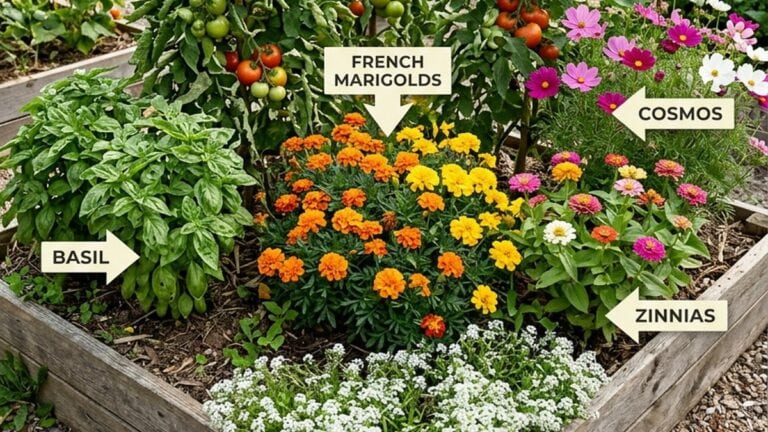
Marigolds have a reputation as the garden’s bodyguard, yet they have their own troubles: spider mites, slugs and powdery mildew. Companion planting means growing different plants

Plants
Marigolds have a reputation as the garden’s bodyguard, yet they have their own troubles: spider mites, slugs and powdery mildew. Companion planting means growing different plants
Plants
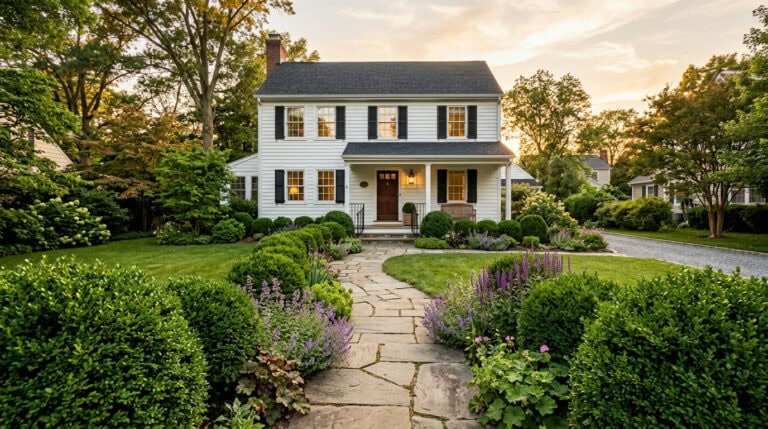
Boxwood (Buxus) is a slow-growing broadleaf evergreen with small, glossy, oval leaves and young stems that are square in cross-section. The species most US gardeners meet
Plants
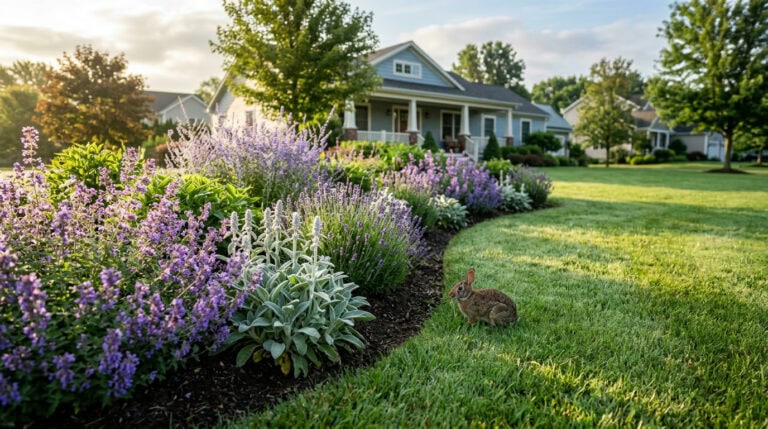
Lavender, catmint, Russian sage, lamb’s ear and daffodils are the easiest rabbit resistant plants to start with, and astilbe, barrenwort, boxwood and yew cover shade and
Plants
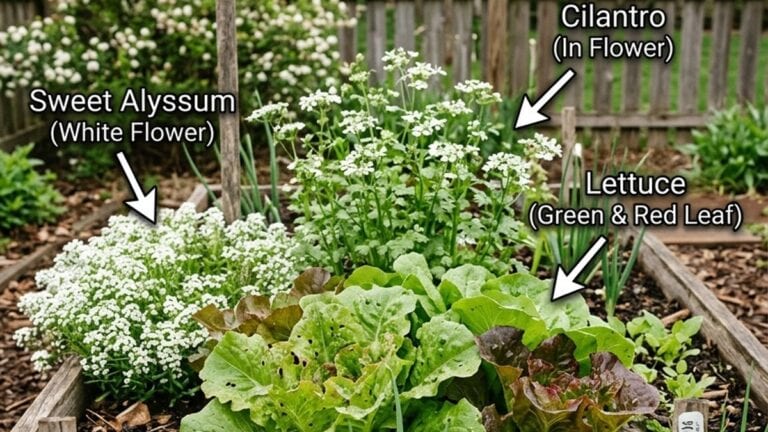
Slugs, aphids and summer heat do most of the damage in a lettuce bed, and companion plants can help with only two of those three. No
Gardens
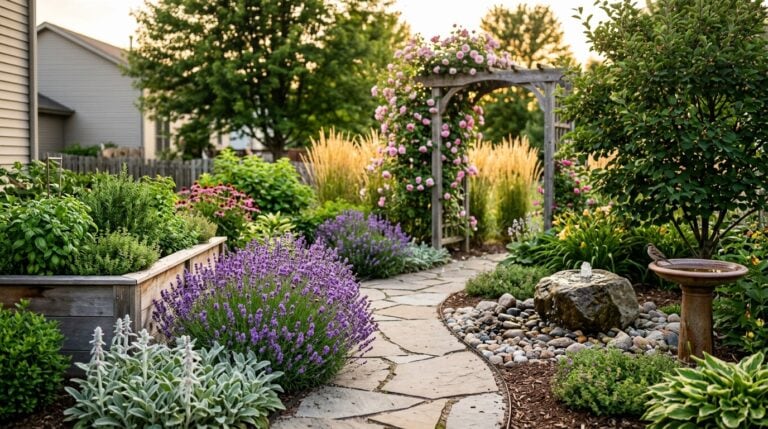
A sensory garden is planted to be experienced, not just looked at: the lavender you brush past, the grass you hear before you see it, the
Plants
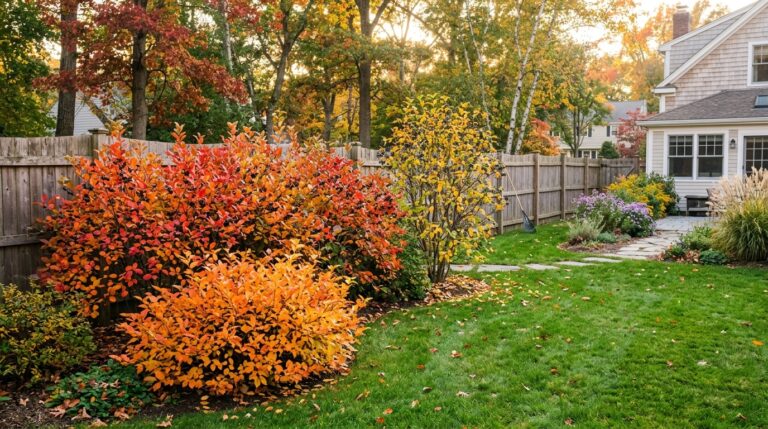
The best native alternatives to burning bush are red chokeberry, dwarf fothergilla and Virginia sweetspire. Red chokeberry comes closest to the red, fothergilla fits small yards,

Plants
Hydrangeas range from a mountain hydrangea (Hydrangea serrata) of 2 to 4 feet (0.6 to 1.2 m) to a panicle hydrangea (Hydrangea paniculata) that can reach

Plants
Balsam fir and Fraser fir give you the classic Christmas tree smell. The Farmers’ Almanac calls balsam fir the most fragrant, and extension sources describe a

Plants
Rose aphids crowd the buds every spring, black spot spreads whenever leaves stay wet, and where Japanese beetles are established they chew the blooms. Companion planting
Gardens
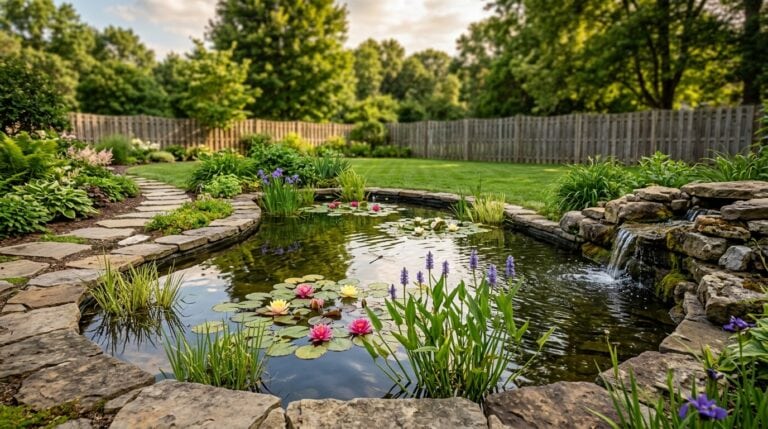
The sound of moving water and the sight of a lily opening on still water do something to a yard that no flower bed can. Water