
Key Facts
- Native perennial of central North American prairies and plains.
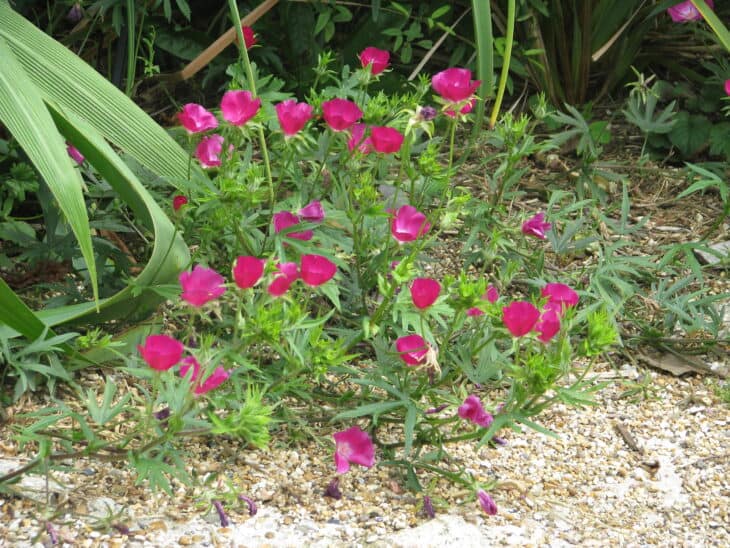
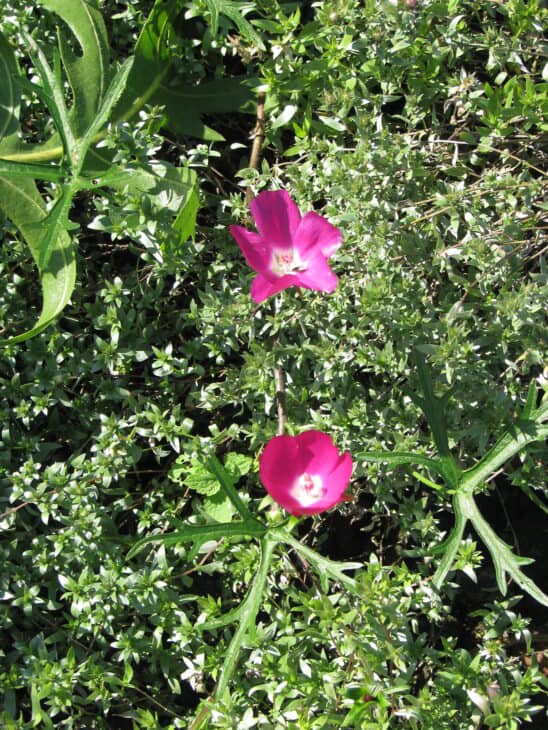
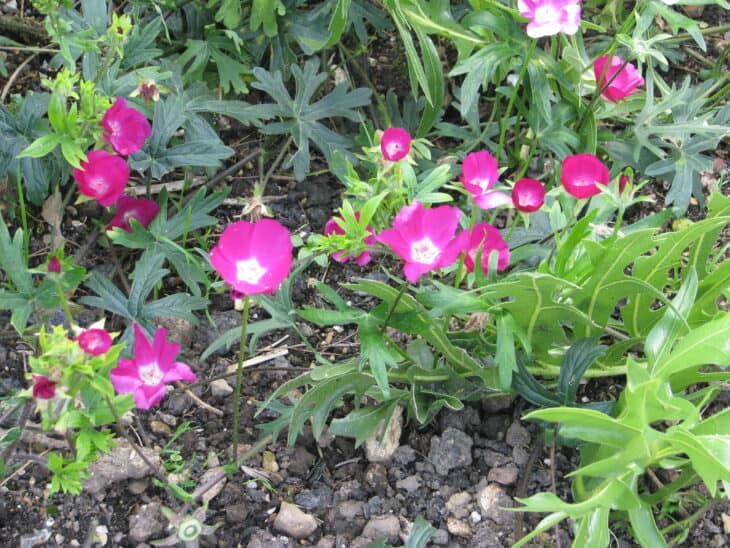
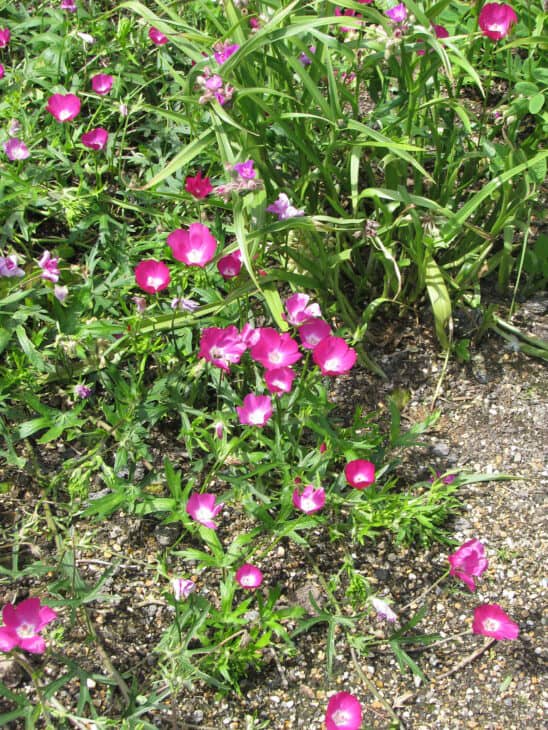
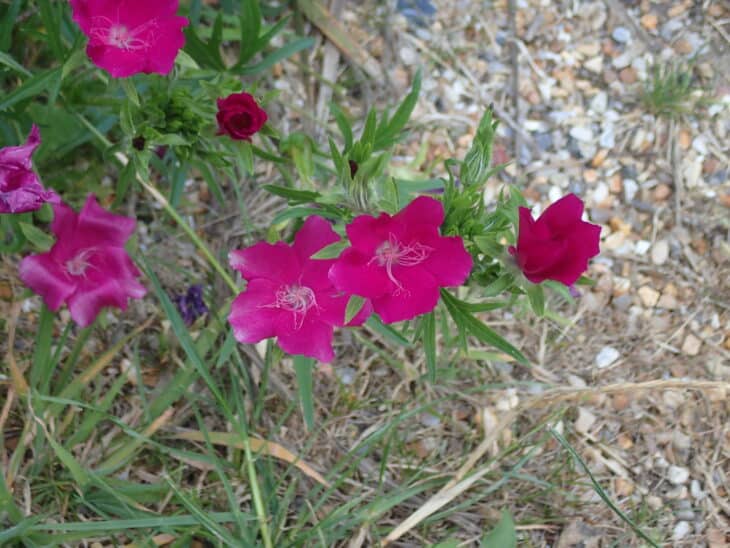
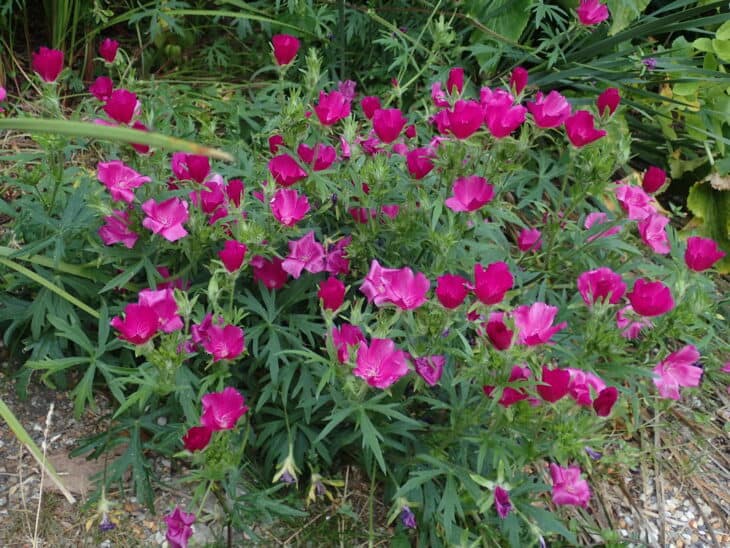
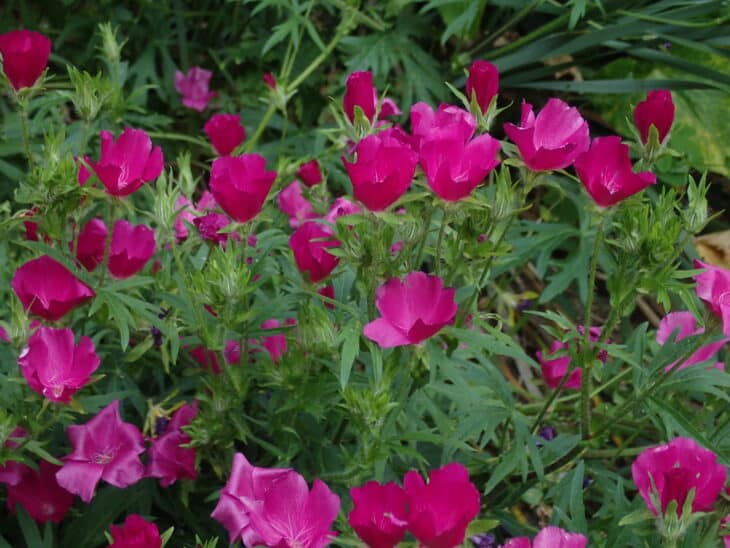
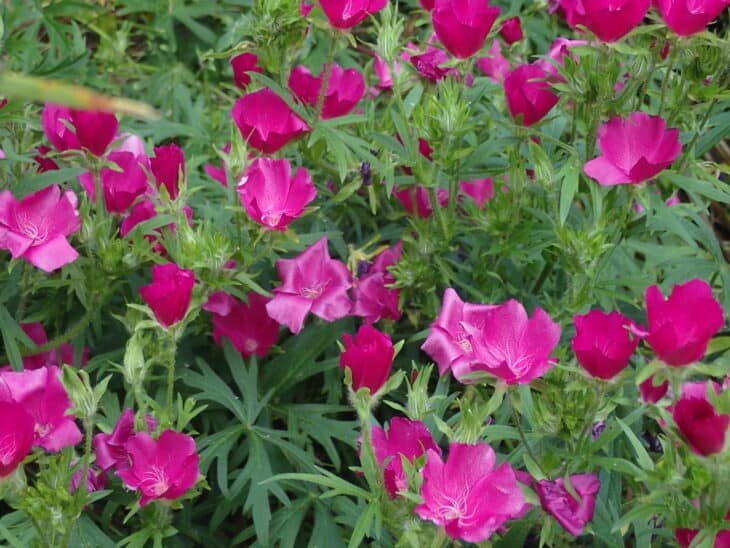
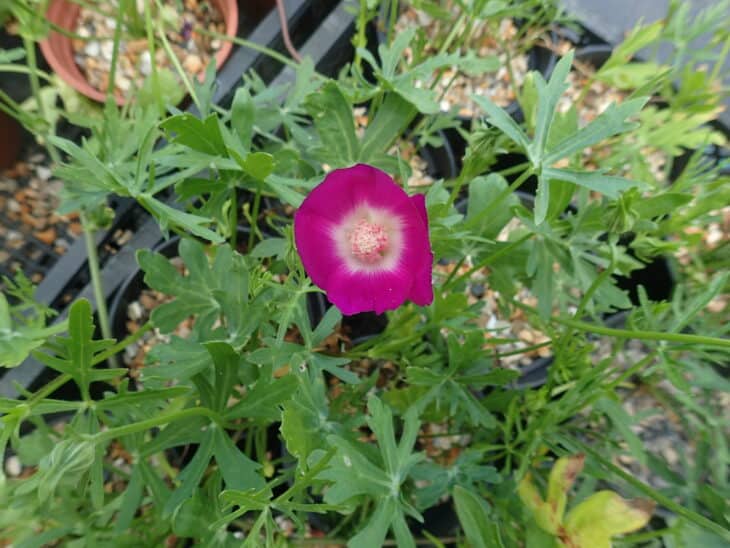
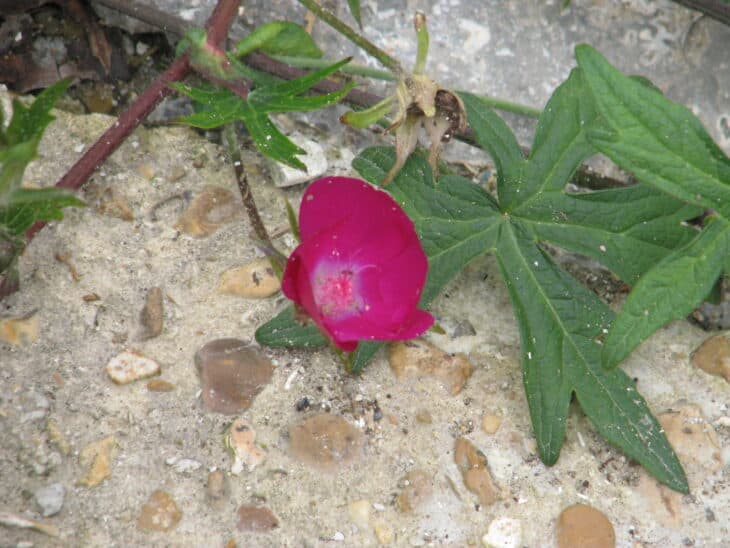
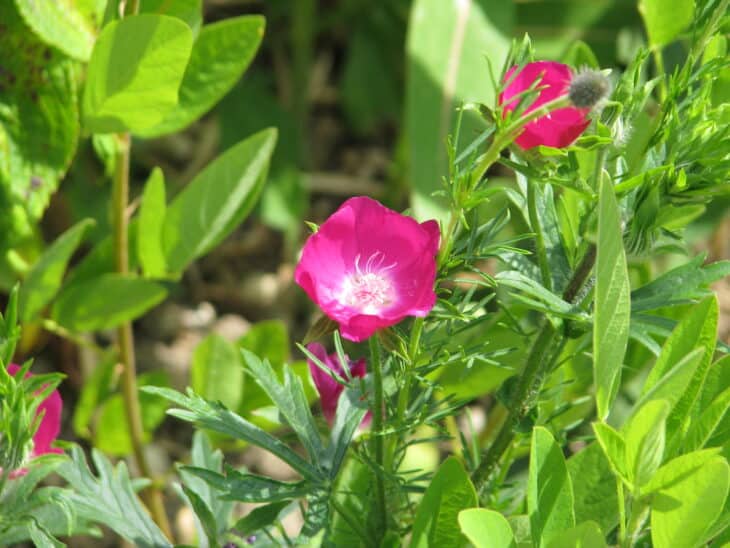
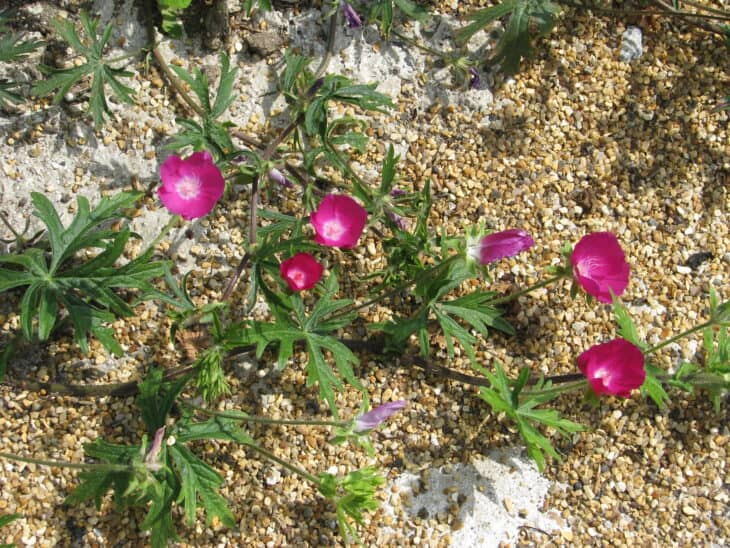
- Produces low mounds of foliage with cup shaped magenta to purple flowers.
- Drought tolerant once established and suitable for dry, sandy sites.
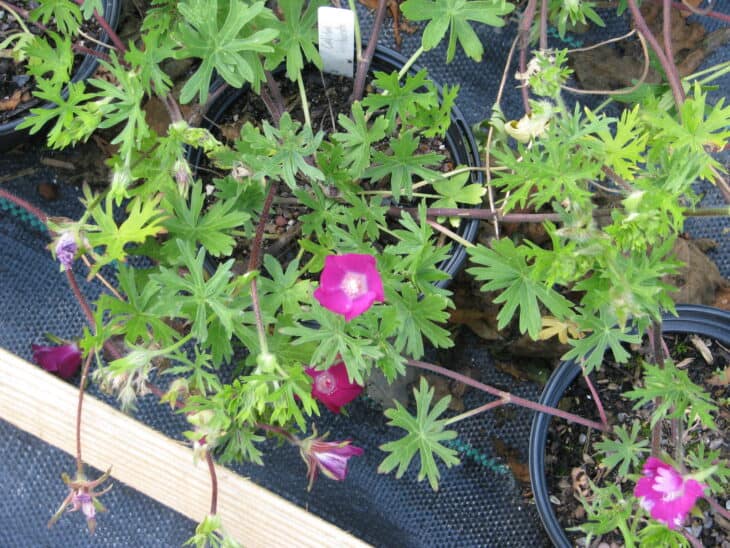
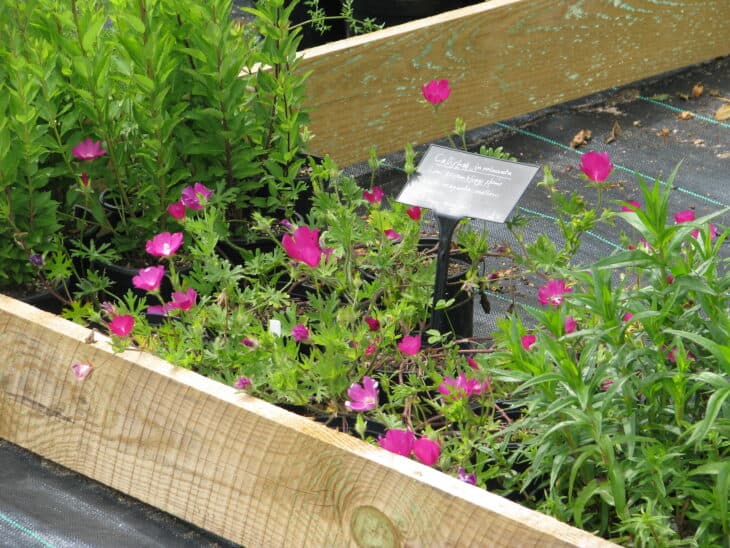
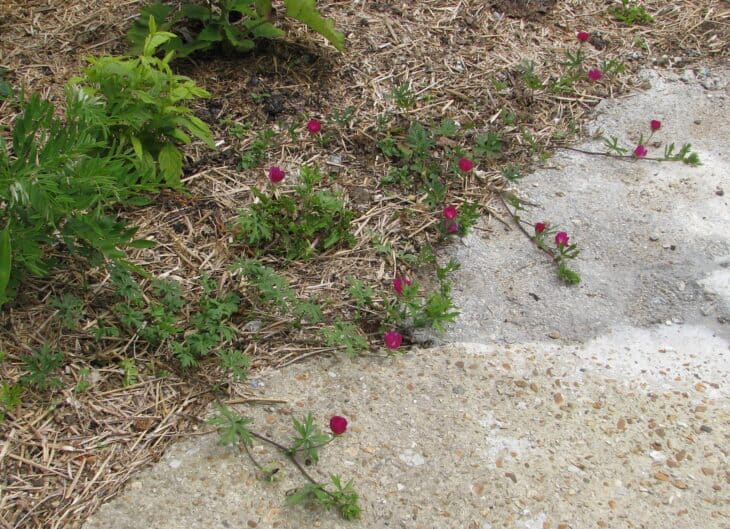
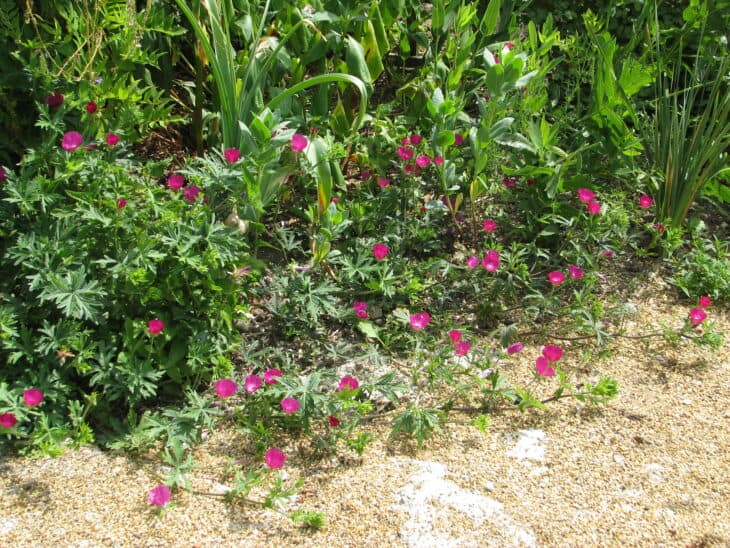
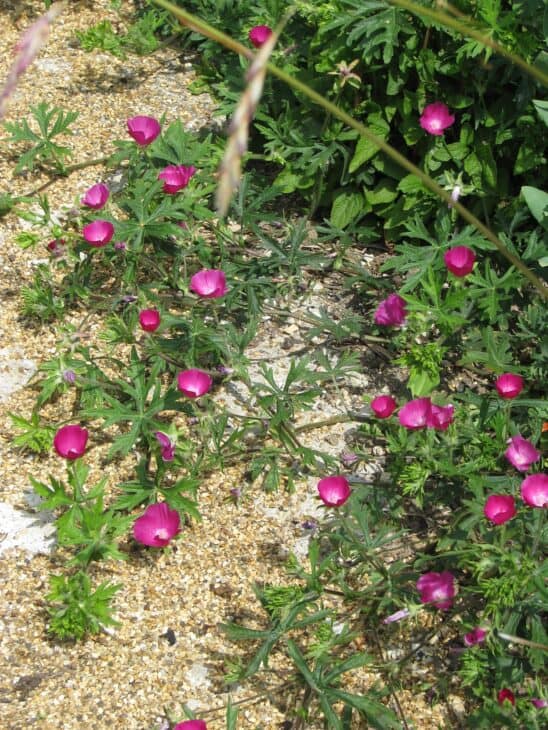
- Forms a spreading mat often used as a groundcover or in rock gardens.
- Best flowering in full sun with some tolerance of light afternoon shade.
- Typically flowers in late spring through summer.
- Propagated by seed and by division of the crown or roots.
Purple Winecup (Callirhoe involucrata) is a low growing perennial with magenta cup shaped flowers that form a flowering mat. It is valued as a drought tolerant groundcover for sunny, well drained sites and fits rock gardens and prairie restorations where a low, spreading habit is desired.
Identification
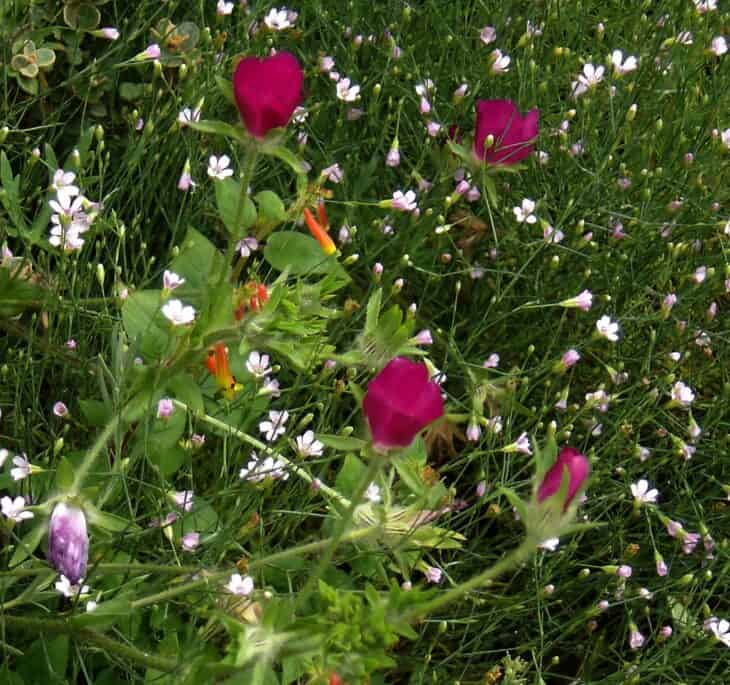
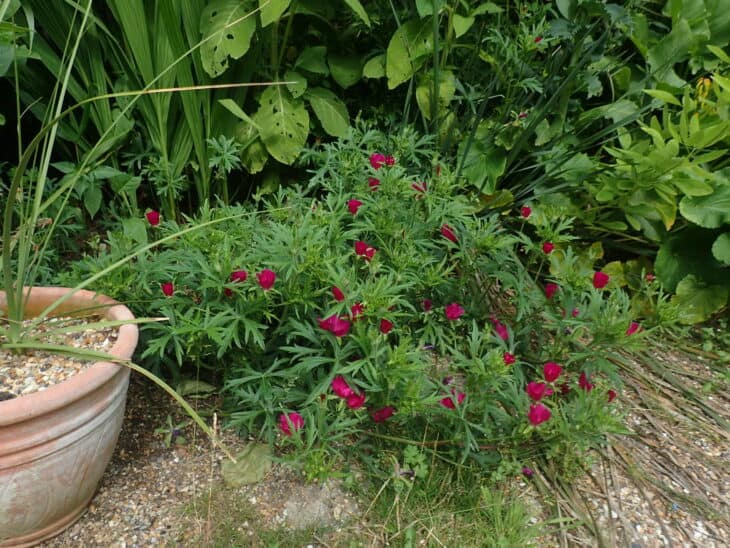
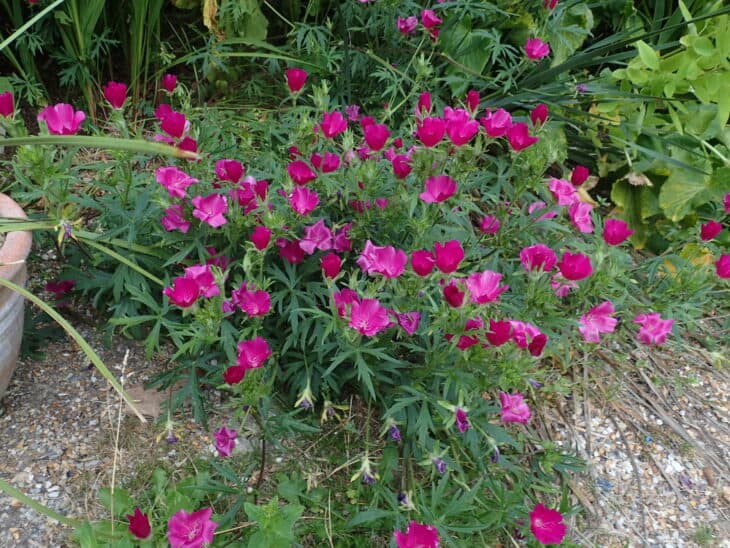
Plants form low mounds of foliage and produce conspicuous cup shaped flowers in shades of magenta to purple. Typical bloom height is about 6 to 12 inches, and individual plants commonly spread 24 to 36 inches to form mats. Flowering occurs from late spring into summer depending on local climate.
Where to grow and best uses
Use Purple Winecup as a groundcover, in rock gardens, or on dry slopes where full sun is available. It prefers well drained sandy or loamy soils and tolerates poor, dry sites. In colder parts of its range the plant dies back to the crown and returns in spring, while in warmer areas it can remain vigorous and spread more freely.
Planting time and spacing
Sow seed in fall or cold stratify for spring sowing, and divide mature clumps in spring. Space plants to allow for a mature spread of about 2 to 3 feet so mats can form without overcrowding. Avoid planting in heavy, wet clay that holds moisture around the crown.
Watering and drought tolerance
Purple Winecup is drought tolerant once established and performs best with infrequent deep waterings. Excess moisture or poorly drained soil can lead to crown or root rot and plant decline, so ensure quick drainage to keep the crown healthy. Reduced watering encourages the compact matting habit.
After flowering and maintenance
After flowering allow seed to set if you want naturalizing patches, or remove spent blooms to limit self seeding. Divide crowded patches in spring to refresh vigor and control size. Minimal fertilizer is needed since lean soils reduce excessive spread and help maintain tidy mats.
Controlling spread and naturalizing
The species naturally spreads to form low mats across several feet under favorable conditions, so use edging or periodic division to contain it in mixed beds. Drier, lower fertility soils tend to limit overly aggressive spread while richer, moister sites increase vigor and coverage.
Frequently asked questions
- How fast does Purple Winecup grow?
- Growth rate varies with site conditions but plants commonly spread to form mats about 2 to 3 feet wide under favorable conditions. Rate depends on soil drainage, moisture and local climate.
- Is Purple Winecup drought tolerant?
- Yes, it is drought tolerant once established and is well suited to dry, sandy or rocky soils that drain quickly.
- What light does Purple Winecup need?
- Full sun produces the best flowering. The plant tolerates light afternoon shade but flower production will usually be reduced.
- When does Purple Winecup bloom?
- Bloom time is late spring into summer and is commonly listed as May through August in the Northern Hemisphere, but exact timing varies with local climate.
- How can I propagate Purple Winecup?
- Propagate by seed or by dividing crowns or roots. Sow seed in fall or cold stratify for spring sowing and divide established clumps in spring.
- Will Purple Winecup survive my winter?
- It is commonly reported as hardy to USDA zones 4 through 9, with plants dying back to the crown in colder areas and resprouting in spring.
Gallery
Related Plants


Mentioned In (1)

Plants
12 Plants That Close At Night
It's always fascinating to see a plant with its leaves or flowers wide open and in full bloom during the…