
Key Facts
- Deciduous small to medium tree native to eastern North America.
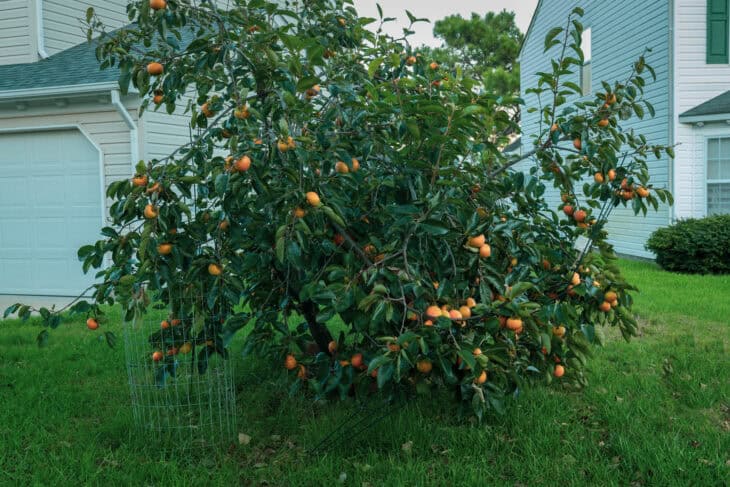
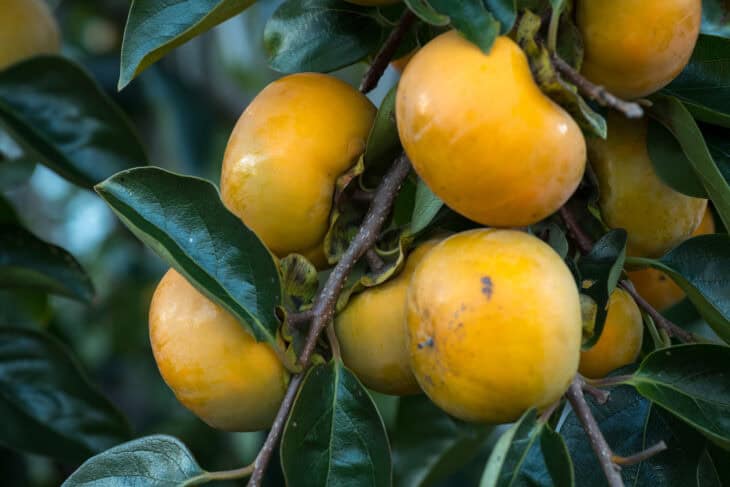
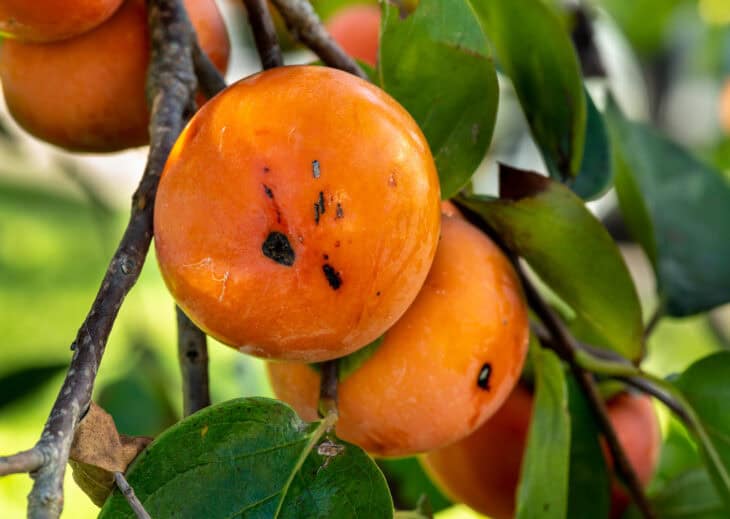
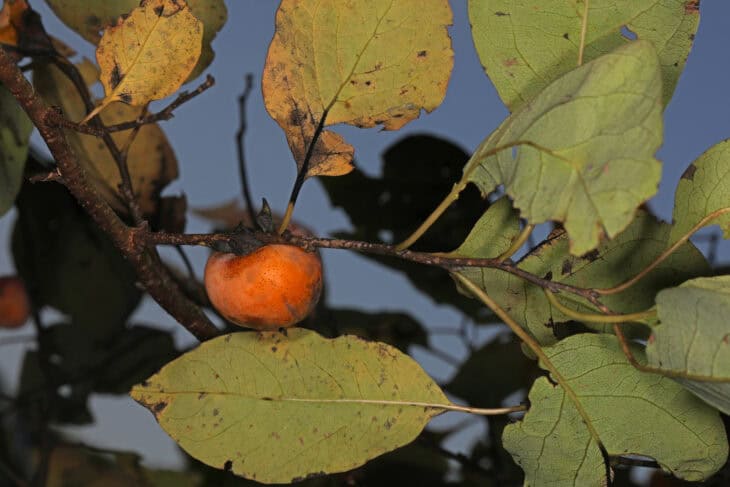
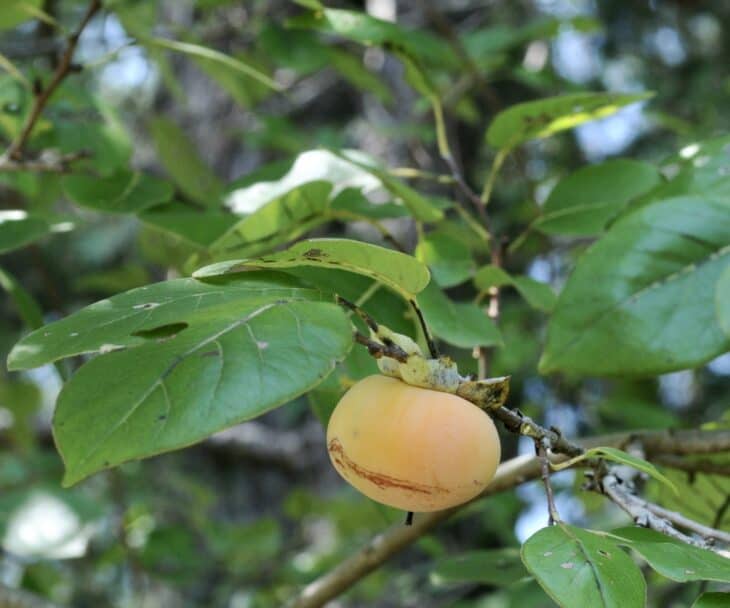
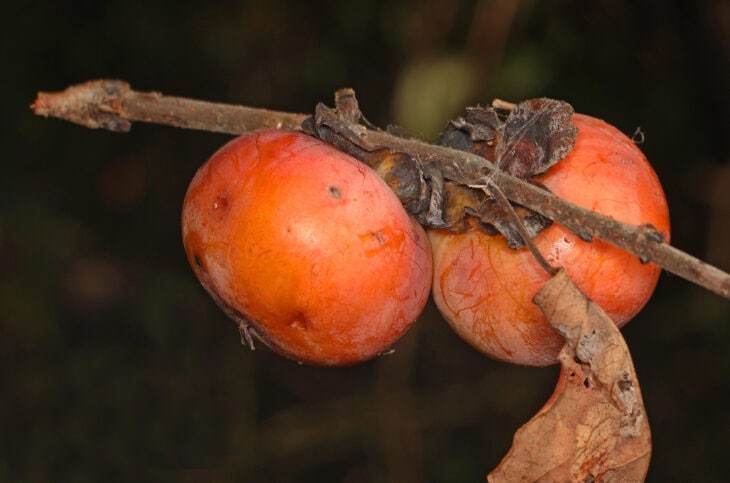
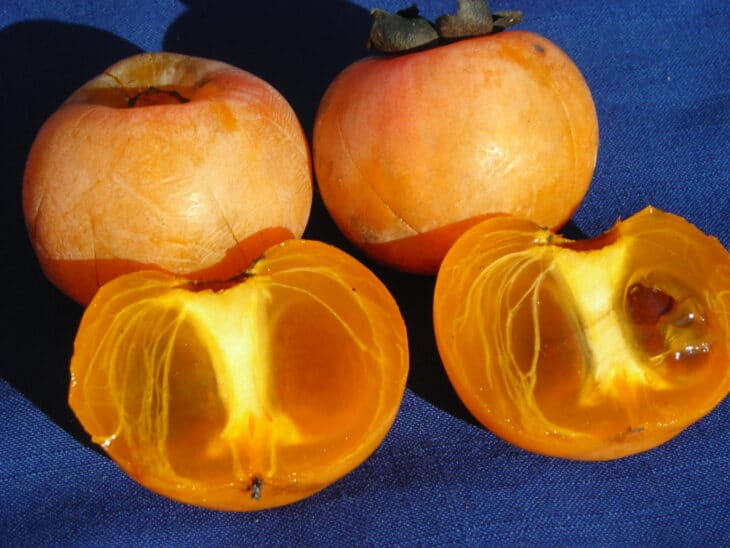
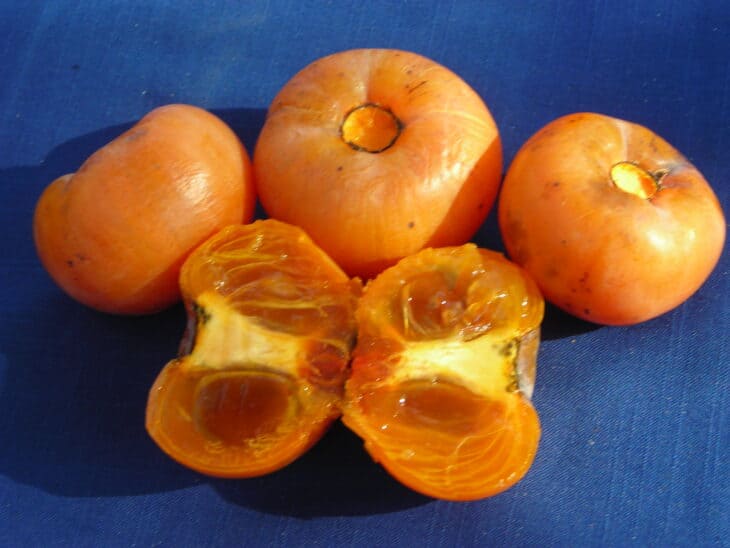
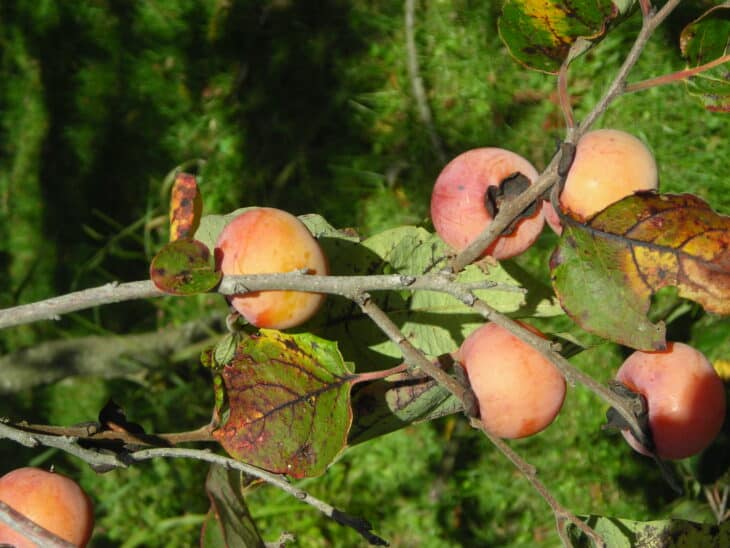
- Produces orange to reddish edible fruit when fully ripe.
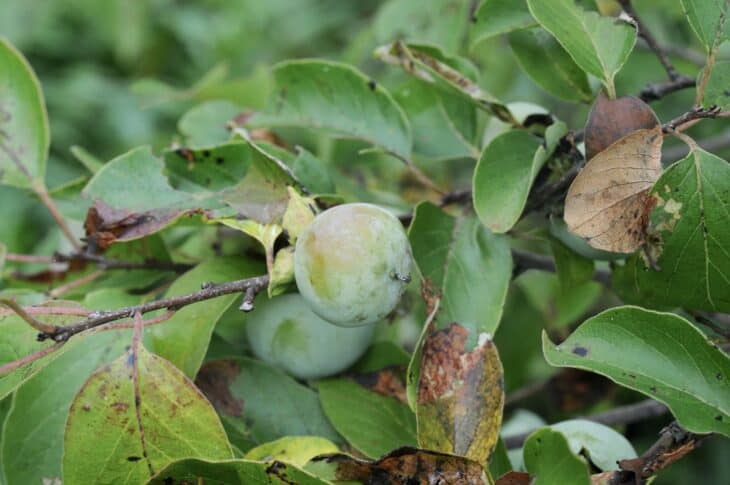
- Fruit is astringent when unripe due to soluble tannins.
- Flowers are small and appear in late spring.
- Valuable for wildlife including birds and mammals that eat the fruit.
- Tolerant of a wide range of soils and drought once established.
- Often propagated from seed or by grafting for named cultivars.
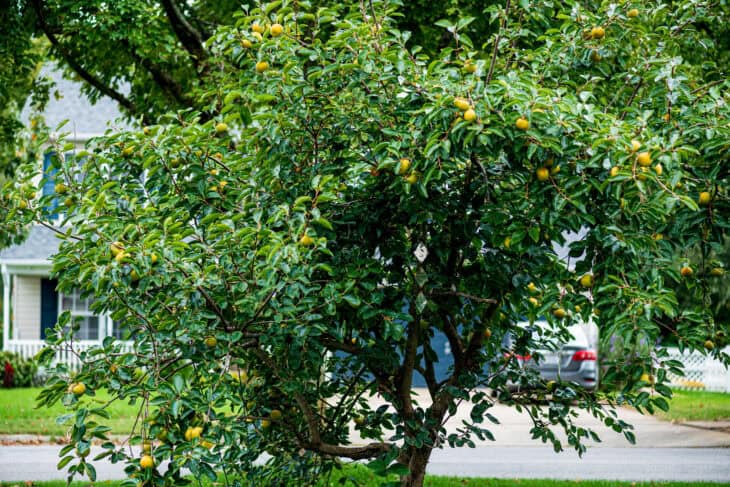
American Persimmon is a deciduous small to medium tree grown for sweet ripe fruit and wildlife value. It adapts to a wide range of soils and performs best in full sun where fruit set and flavor improve.
Identification
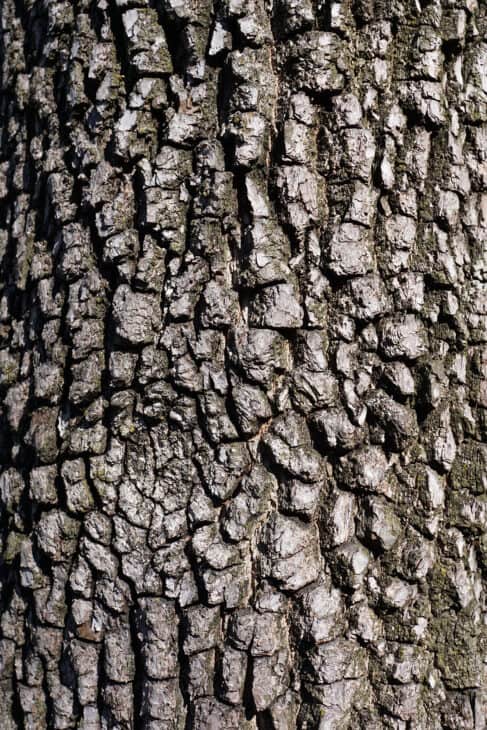
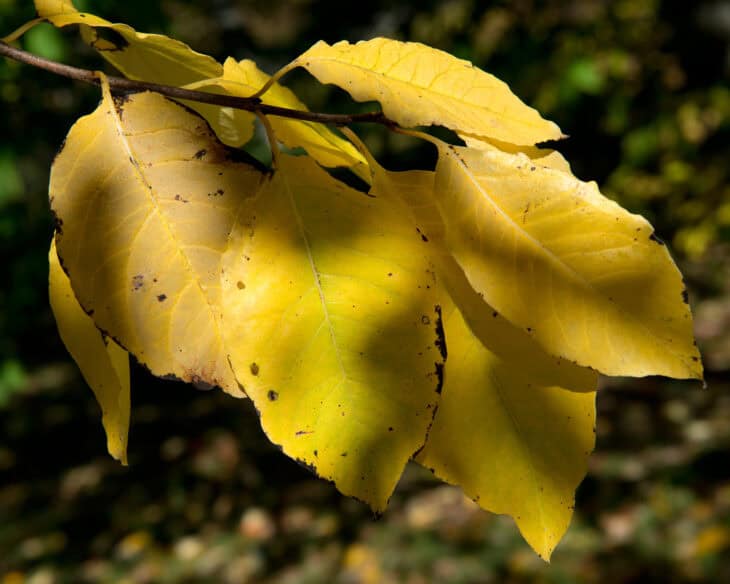
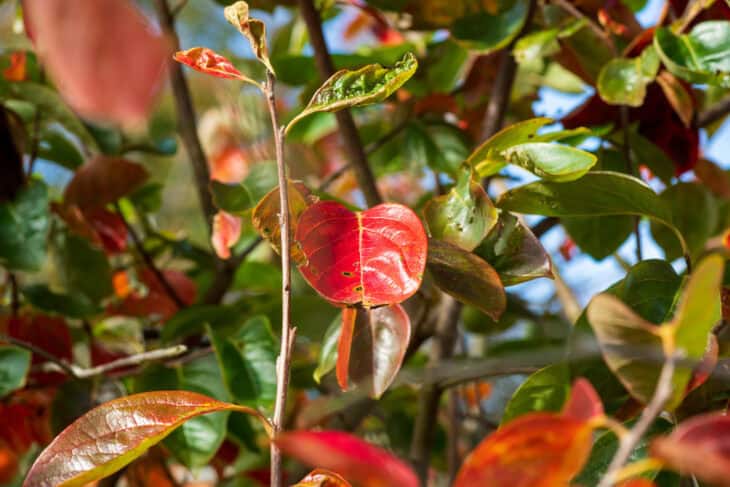
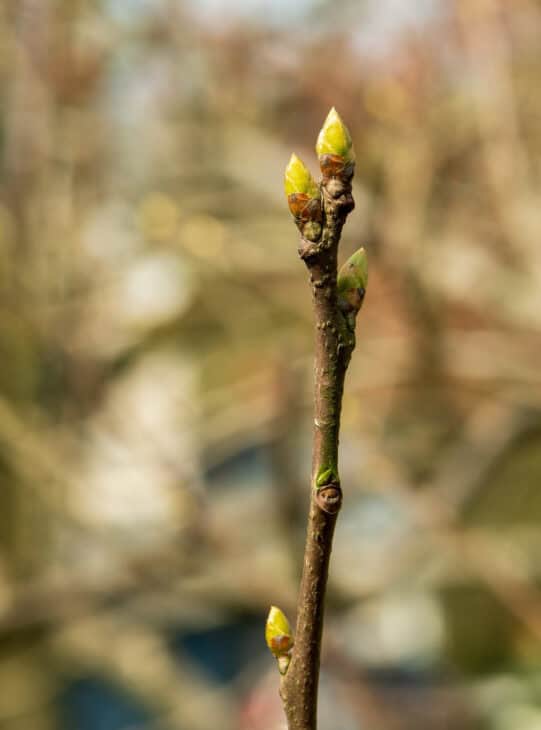
Leaves drop in winter and small flowers appear in late spring, typically May and June. Fruit ripens orange to reddish and is edible when fully soft; unripe fruit is strongly astringent because of soluble tannins. Mature size varies by site and cultivar.
Where to grow and best uses
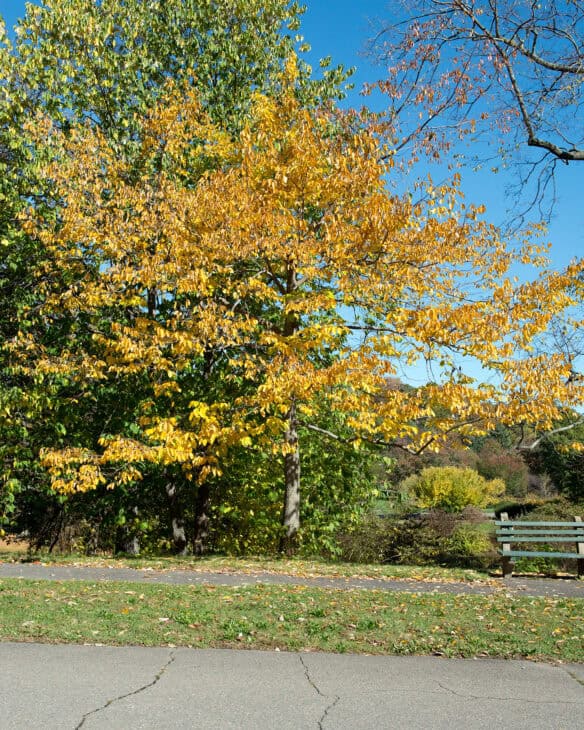
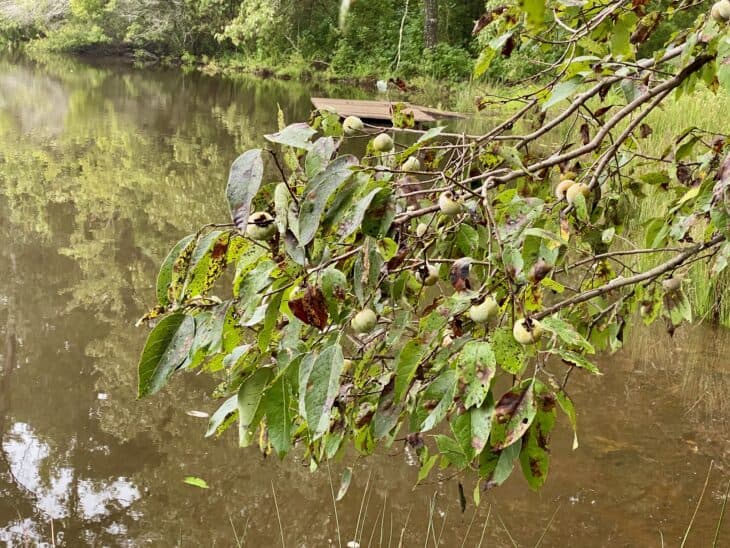
Use as a specimen fruit tree, naturalizing specimen in a meadow or wood edge, or for wildlife plantings that attract birds and mammals. It suits full sun plantings for reliable fruiting and can tolerate light shade where fruit production will be reduced.
Planting and spacing
Space trees to allow a broad crown to develop, planning for roughly 20 to 40 feet between trees depending on whether you expect a single trunk or multi-stem habit. Plant container trees at the same depth they grew in the nursery and firm soil around roots to remove air pockets.
Soil, light and watering
Prefers well drained to moist soils and adapts to clay, loam and sandy sites. Plant in full sun for best fruit production; light shade is tolerated. Once established the tree is drought tolerant but poor drainage increases root stress and reduces fruit set.
After-flowering care and harvest
After blooms fade, reduce competition from weeds and keep a 2 to 4 inch mulch layer away from the trunk to conserve moisture. Leave fruit on the tree until it softens and loses astringency; fully ripe fruit is orange to reddish and sweet, while unripe fruit is astringent.
Pruning and size control
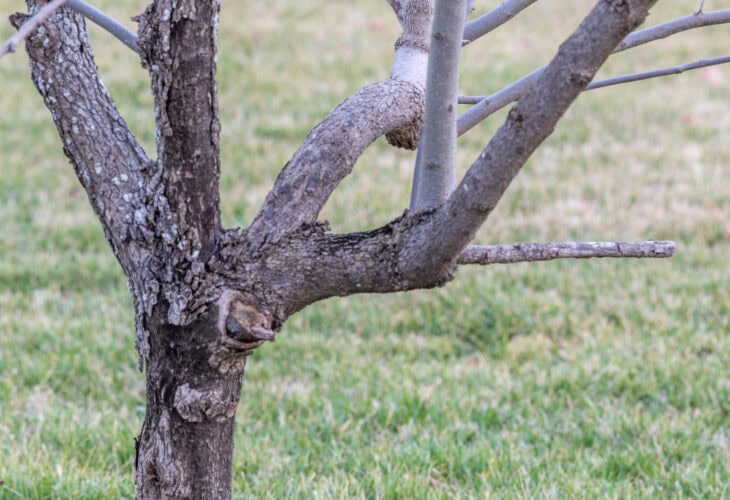
Prune in winter to remove crossing branches, create a strong scaffold and maintain a single trunk if desired. Size varies widely from multi-stemmed shrub forms to trees reaching greater heights, so adjust pruning to limit spread where space is constrained.
Propagation
Propagate by seed after cold stratification for seedlings. Named cultivars are propagated by grafting onto seedling rootstock to preserve fruit quality. Air layering and hardwood cuttings are used less commonly for cloning desirable trees.
Frequently asked questions
- How fast does American Persimmon grow?
- Growth rate varies with climate, soil and site. Trees in warmer, well drained sites generally grow faster while colder locations may show slower growth and occasional winter dieback.
- What size does American Persimmon reach?
- Typical mature height ranges from about 15 to 60 feet with a crown spread commonly 20 to 40 feet, though specimens and cultivars can be smaller or multi-stemmed.
- When does American Persimmon bloom?
- Flowers appear in late spring, approximately May and June in the Northern Hemisphere, though timing shifts with latitude and local climate.
- Are the fruits edible?
- Yes, the fruit is edible when fully ripe and sweet. Unripe fruit is astringent because of tannins and is unpleasant to eat until it softens.
- How much sun and water do they need?
- Full sun yields the best fruit set and flavor. Trees tolerate drought once established but need regular moisture while young and should not be planted in poorly drained soils.
Gallery
Related Plants


Mentioned In (11)
Trees
36 Most Common Trees in Missouri
Missouri is located in the Midwestern region of the United States. The gorgeous State is bordered by eight states, including…
Trees
31 Most Common Trees in Kentucky
Located in the Southeastern region of the United States, Kentucky is a state that is filled with plentiful flora, fauna,…
Trees
34 Most Common Trees in Alabama
The 30th largest state in the United States of America, Alabama, is home to a mesmerizingly diverse landscape. From hardwood…

Trees
30 Most Common Trees in Arkansas
The state of Arkansas is home to a diverse variety of trees. Some trees found in Arkansas are not native…
Trees
30 Most Common Trees in Indiana
In this article, we will talk about some of the most common trees that you will find in Indiana. Some…
Trees
27 most common trees in Louisiana
In Louisiana, trees are plentiful. Louisiana is known for its lush green vegetation, which can be seen in Louisiana's state…

Trees
31 Most Common Trees in Florida
Florida – the Sunshine State – is known for its beautiful sandy beaches and warm weather. Like several other U.S.…
Trees
30 Most common Trees in Georgia
The North American state of Georgia lies in the southeastern region of the United States of America. As a whole,…
Trees
27 Most Common Trees in Ohio
Ohio is one of the most beautiful states in the United States, thanks to the millions of native trees that…
Trees
30 Most Common Trees in Kansas
Kansas is home to a wide range of trees, from the tall and hardy oak tree that can grow up…
Trees
25 Most Common Trees in Tennessee
Tennessee is America's most biodiverse inland state. It has a topography that is both adaptable and abundant, with an unusual…