
Key Facts
- Native to central and eastern North America.
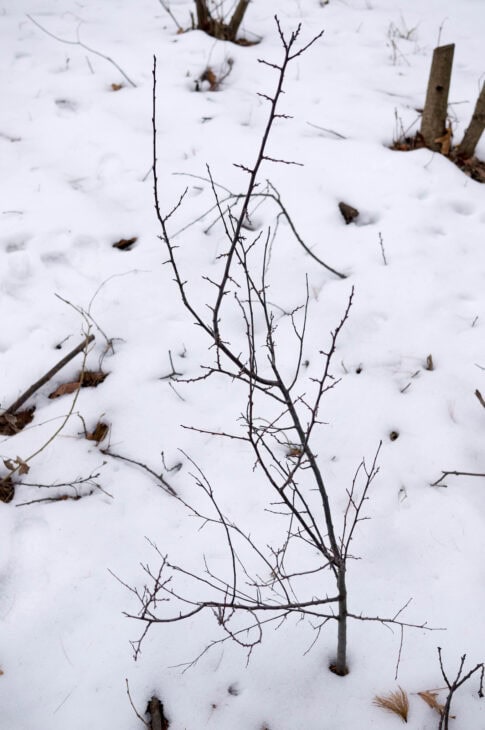
- A small tree or large shrub that commonly forms thickets by root suckering.
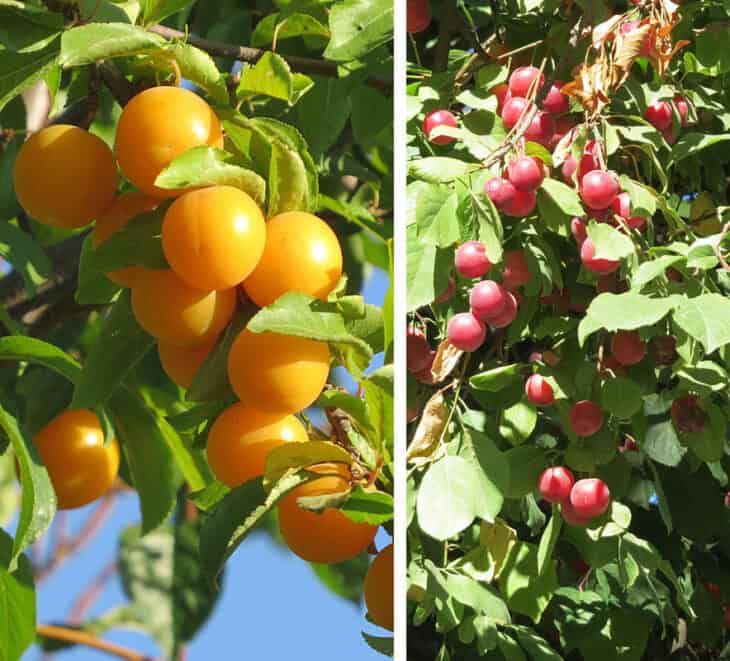
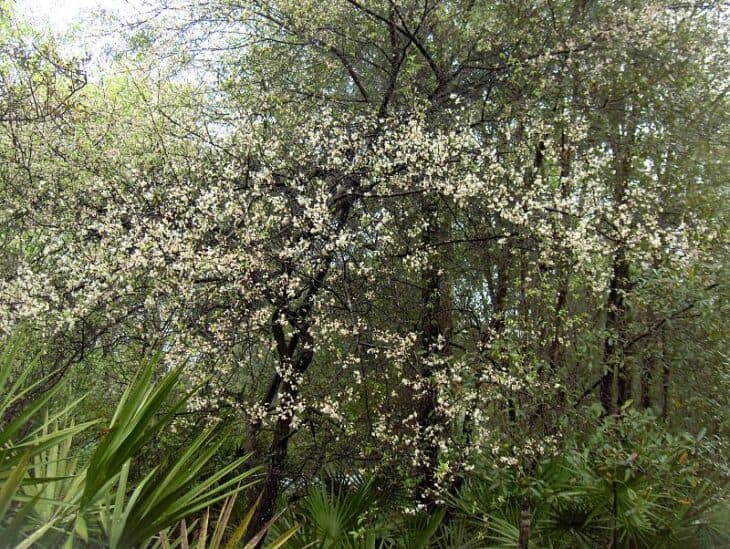
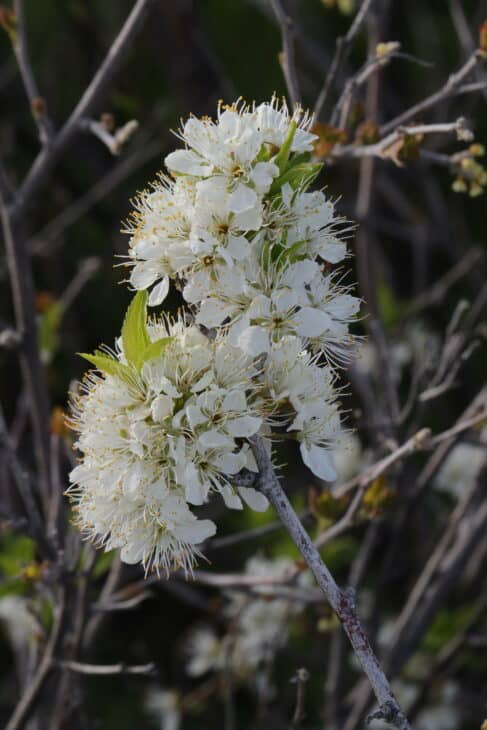
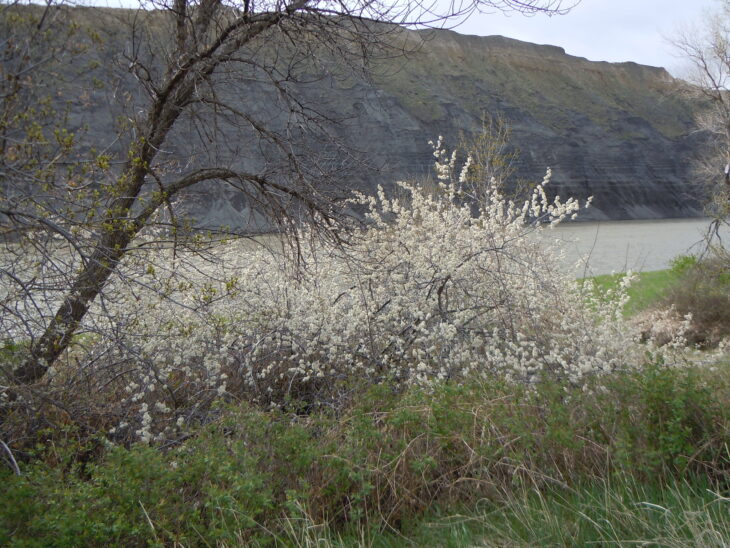
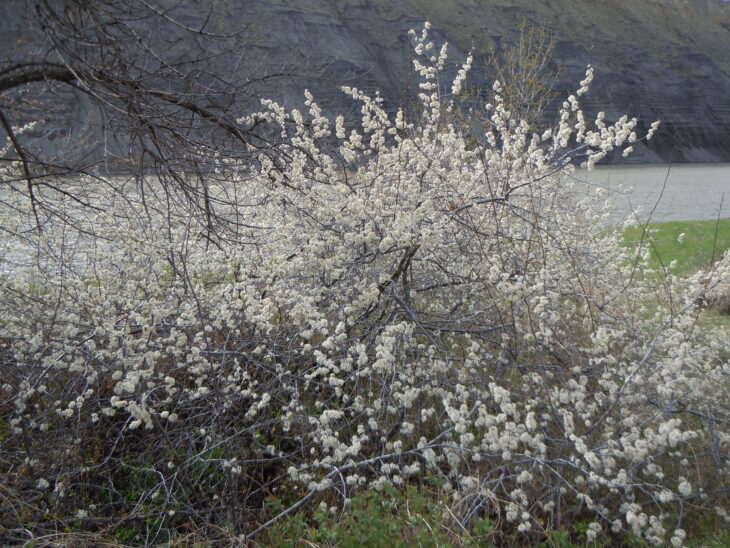
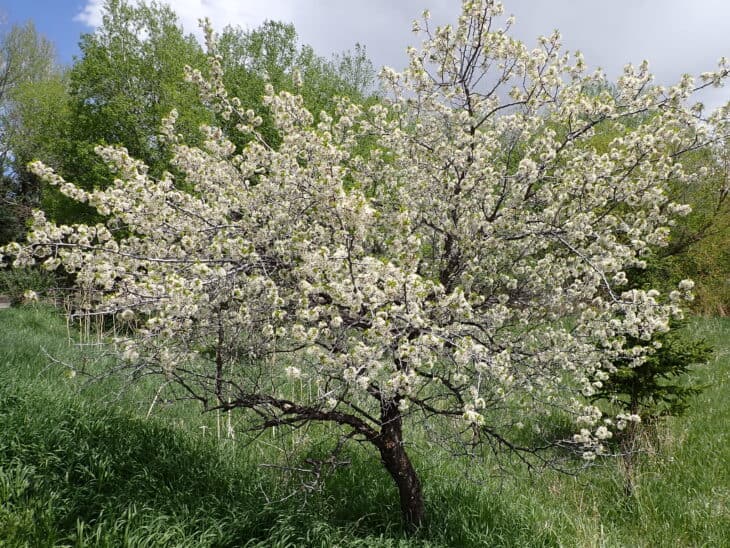
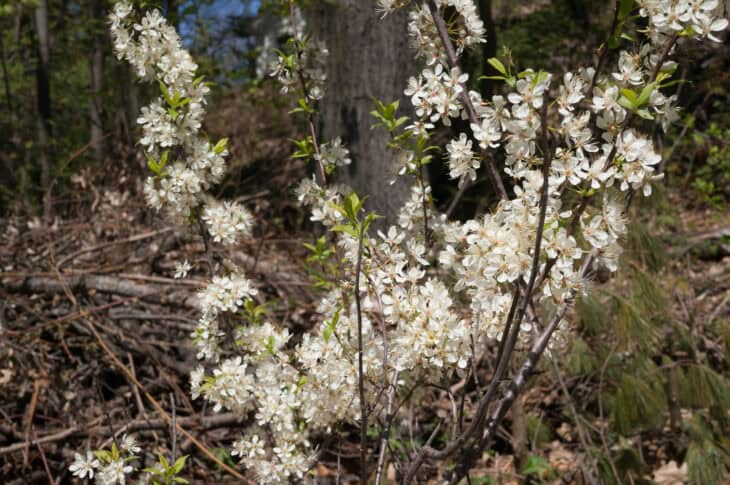
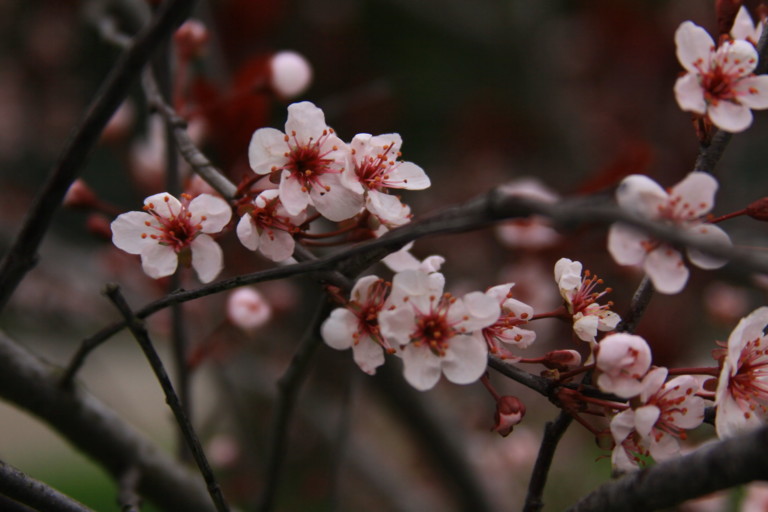
- Produces white flowers in spring followed by small tart plums.
- Fruit is edible for humans and eaten by wildlife.
- Tolerates a range of soils and moisture levels once established.
- Good for hedgerows windbreaks and wildlife habitat.
- Propagates by seed suckers cuttings and grafting for cultivars.
- Leaves stems and pits contain cyanogenic compounds and can be hazardous to livestock or pets if consumed in large amounts.
American Plum is a native North American small tree or large shrub that flowers in spring and sets small tart plums. It commonly forms thickets by root suckering and is valued for wildlife food and natural hedges while requiring space to avoid unwanted spread.
Identification
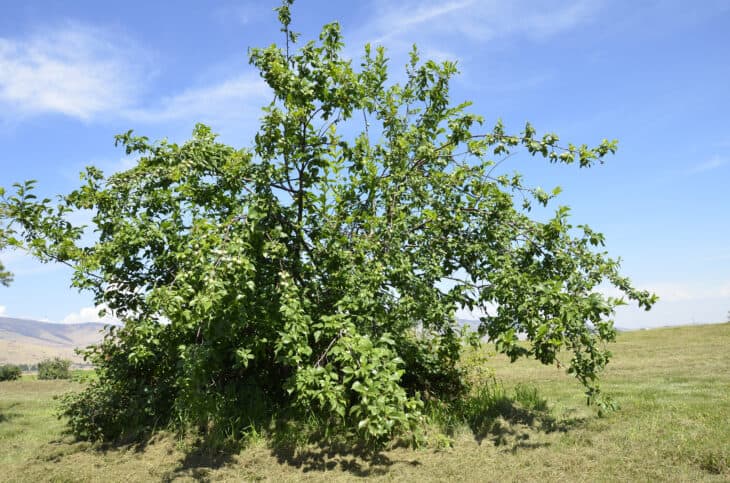
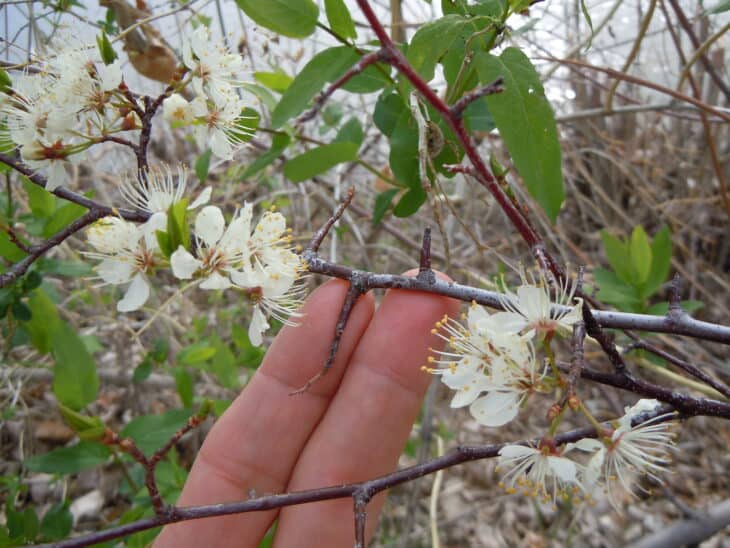
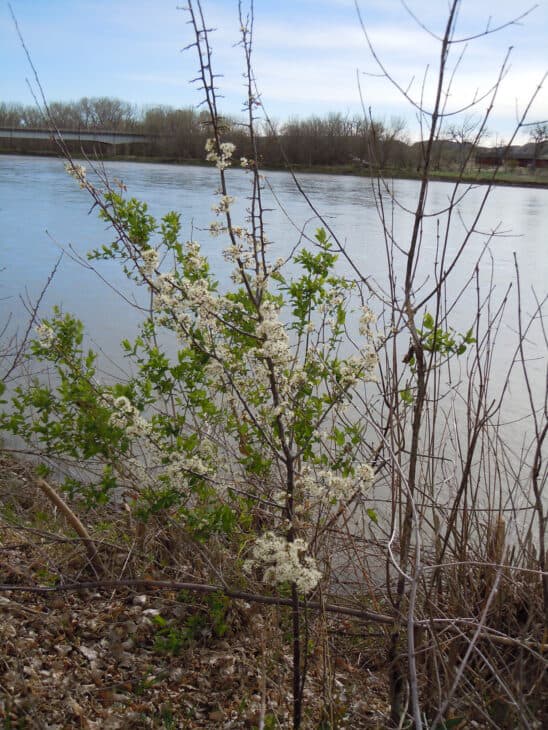
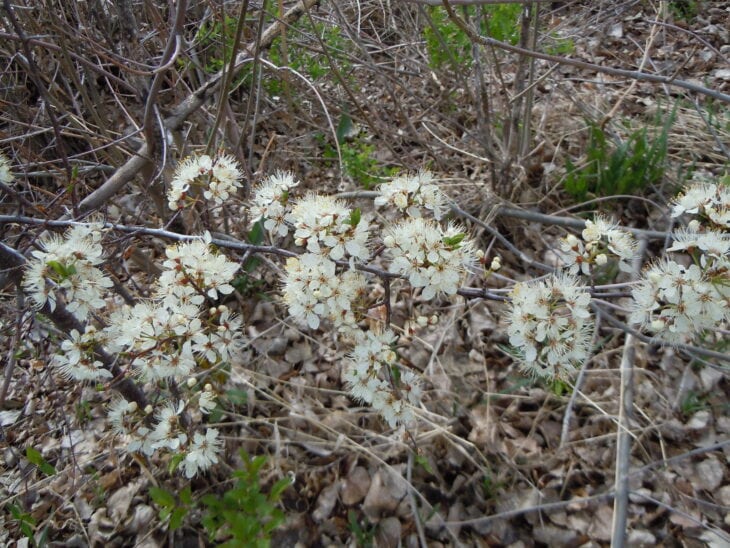
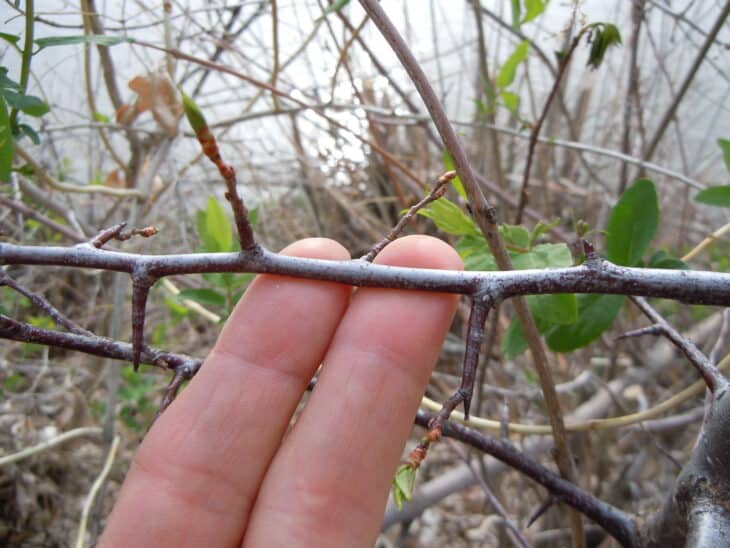
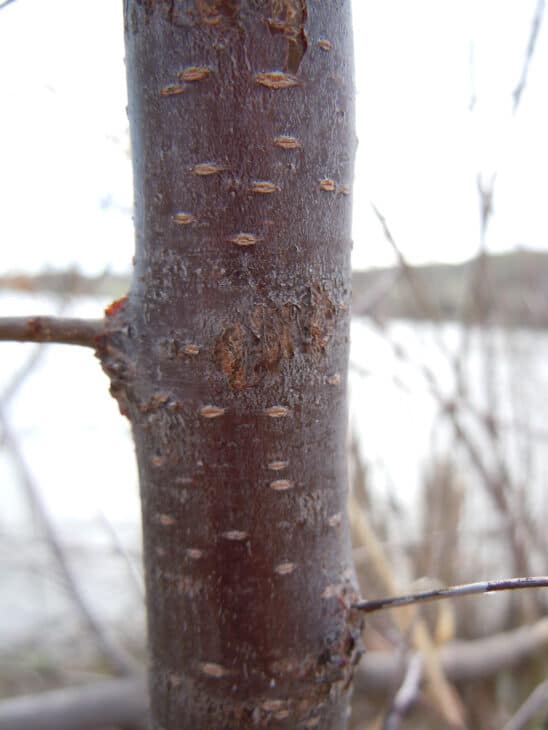
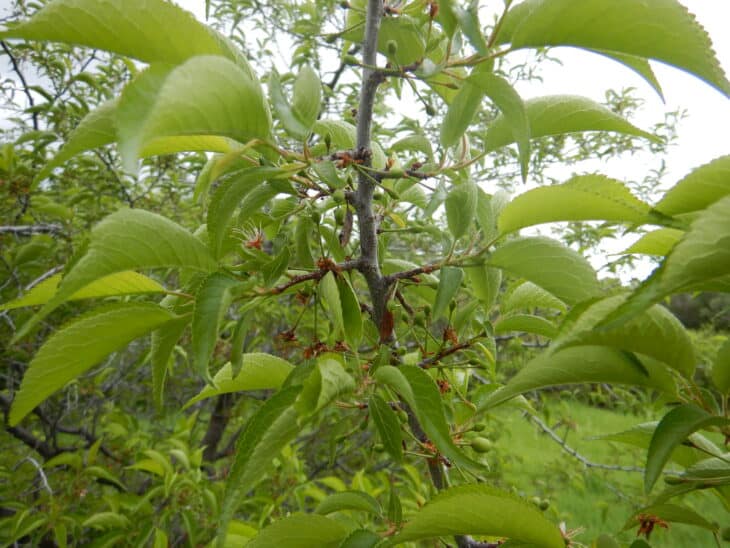
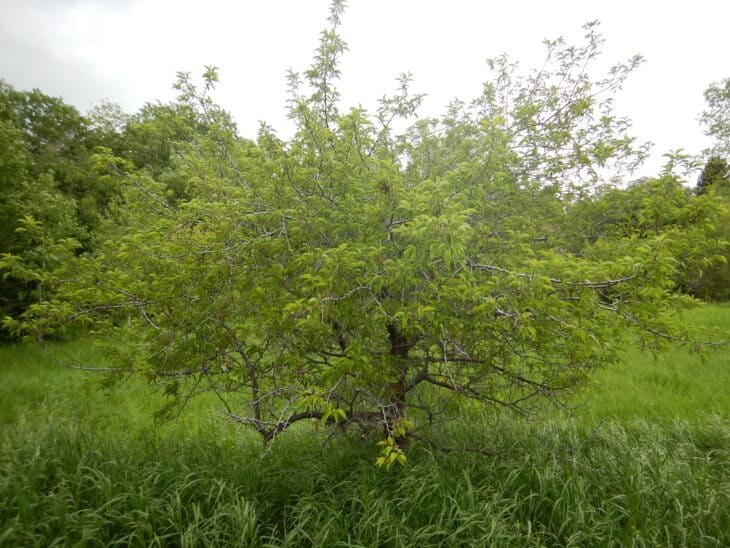
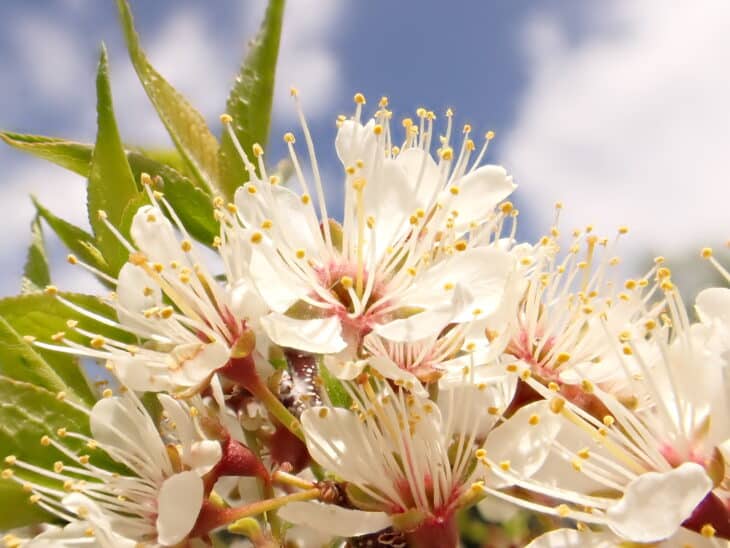
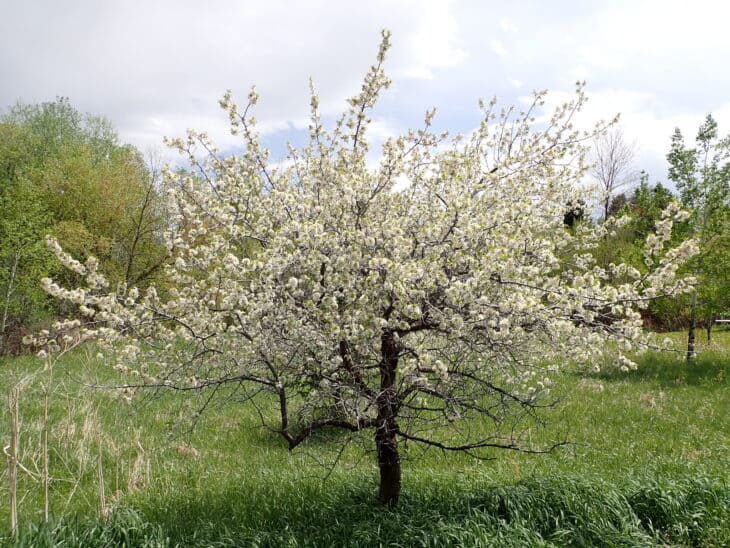
American Plum grows as a multi stem shrub or small tree reaching roughly 15 to 25 feet tall and wide. It bears showy white flowers in spring and produces small tart, edible fruit. The plant often spreads by root suckers and parts of the plant including pits leaves and green stems contain cyanogenic compounds that can be hazardous if ingested in quantity.
Best uses and where to grow
Plant in full sun for the best flower display and fruit production, though it will tolerate light shade. It adapts to a wide range of soils including clay dry or rocky sites, but performs best in moist, well drained loam. Use American Plum for hedgerows windbreaks wildlife habitat or naturalized borders where suckering is acceptable.
Planting time and site selection
Choose a site that allows room for a mature shrub or thicket and that receives full sun for best fruiting. Avoid locations with poor drainage because decline can follow. Timing of planting varies by climate, so set trees when they can establish roots during a dormant or mild season in your area.
Watering and care
Once established American Plum tolerates a range of moisture levels, but young plants need regular water to root in well. Poor drainage will cause decline while fertile well drained soil increases fruit production. Heavy shade reduces flowers and fruit, so thin competing canopy or relocate if bloom and yield are poor.
After flowering and fruit
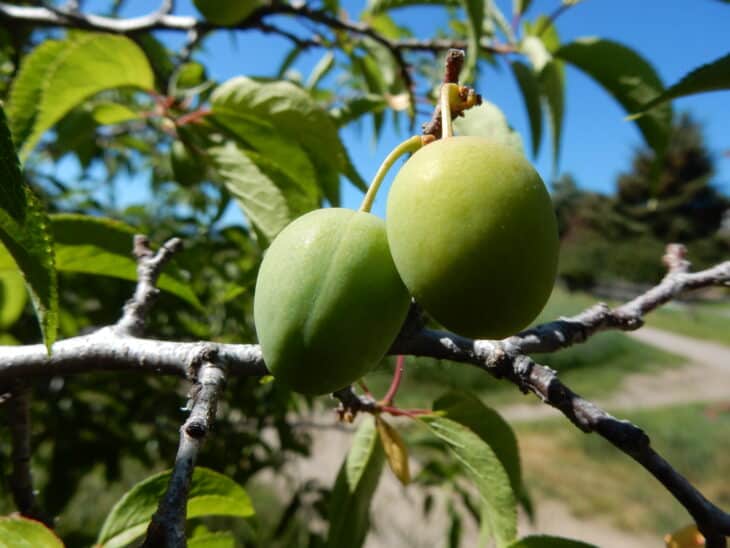
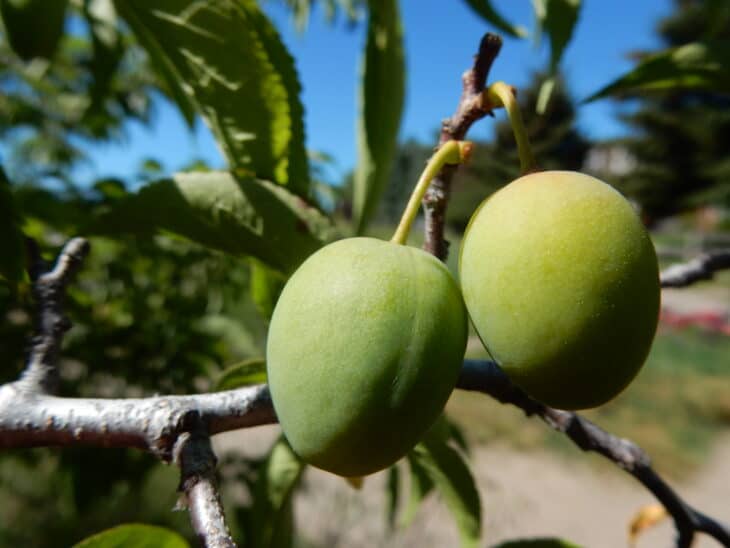
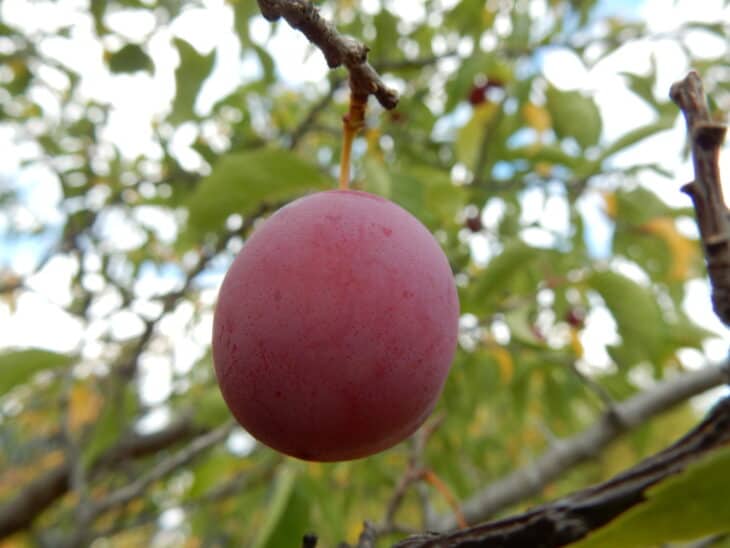
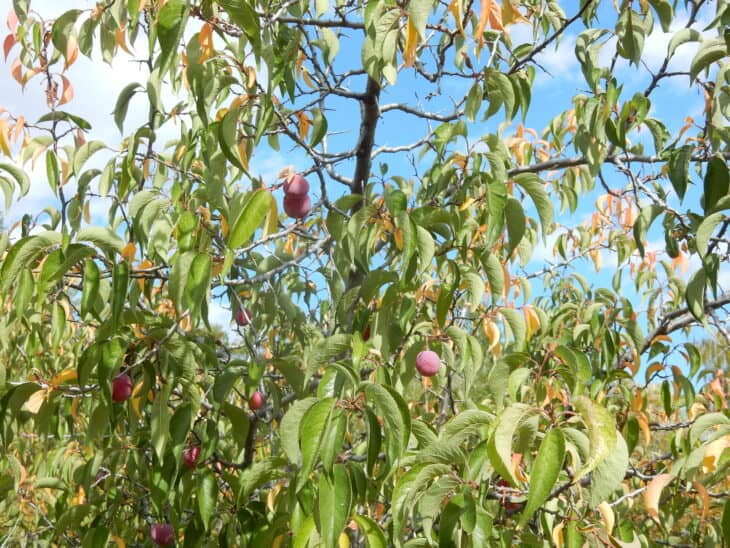
White flowers appear in spring and yield small tart plums that are edible for people and attractive to wildlife. Harvest timing varies by region and cultivar. Improve fruit set with full sun and good soil. Prune to shape and remove damaged wood, and remove fallen fruit to reduce pest and disease pressure.
Managing spread and naturalizing control
American Plum readily forms thickets through root suckers, a useful trait for living fences but a nuisance where space is limited. Control spread by removing suckers at the root, cutting back new shoots, or maintaining a regular pruning regime. Expect more aggressive suckering in warmer hardiness zones and plan boundaries accordingly.
Propagation
Propagate by seed with cold stratification, by transplanting root suckers, by root or hardwood cuttings, or by grafting to preserve named cultivars. Seedlings often vary from the parent so grafting is used when fruit quality or tree form must be retained. Choose propagation method based on whether you want true cultivar traits.
Frequently asked questions
- How fast does American Plum grow?
- Growth rate varies by site and climate. Plants commonly reach 15 to 25 feet over several years. In warmer regions they can expand more quickly by root suckering, while growth is slower in colder zones and tip dieback can occur.
- Is American Plum safe for pets and livestock?
- The fruit flesh is edible, but pits leaves and green stems contain cyanogenic compounds that can release cyanide if crushed or consumed in large amounts. Wilted leaves and large quantities of plant material can be hazardous. Check with local veterinary or extension resources for specific risk in your area.
- Can I grow American Plum in a small yard?
- Yes if you manage suckering and prune regularly. It can be trained as a single trunk tree or kept as a shrub, but expect root suckers to appear. Plan space for the mature spread or remove suckers promptly to prevent thicket formation.
- Does American Plum need full sun?
- Yes it performs best in full sun for abundant flowers and fruit. It tolerates light shade but heavy shade reduces bloom and fruiting, so choose a sunny site for best results.
- How do I propagate American Plum?
- Common methods include seed with cold stratification, transplanting root suckers, root or hardwood cuttings, and grafting to preserve cultivar characteristics. Seedlings may not match the parent, so grafting is preferred for named varieties.
Gallery
Related Plants


Mentioned In (3)
Trees
Spring Flowering Trees by Color: Pink, White, Purple & Yellow
Spring-flowering trees give a yard its biggest show of the year. This guide sorts the best of them by flower…

Trees
Trees of Iowa: 40 Common Native Trees (and 4 to Avoid)
The most common trees in Iowa are silver maple, eastern cottonwood, bur oak, hackberry, American elm, green ash, black walnut,…

Trees
Trees of Indiana: 30 Common Native Trees (and 1 Not to Plant)
About a fifth of Indiana is forest, most of it in the hilly south, where the Hoosier National Forest and…