
Key Facts
- A hardy native pond waterlily species in much of North America.
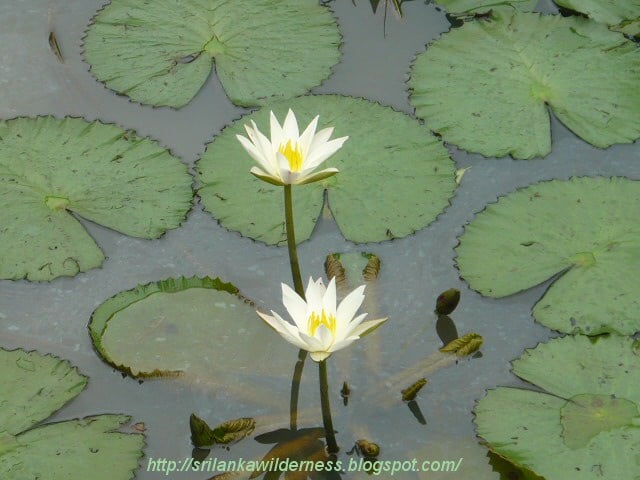
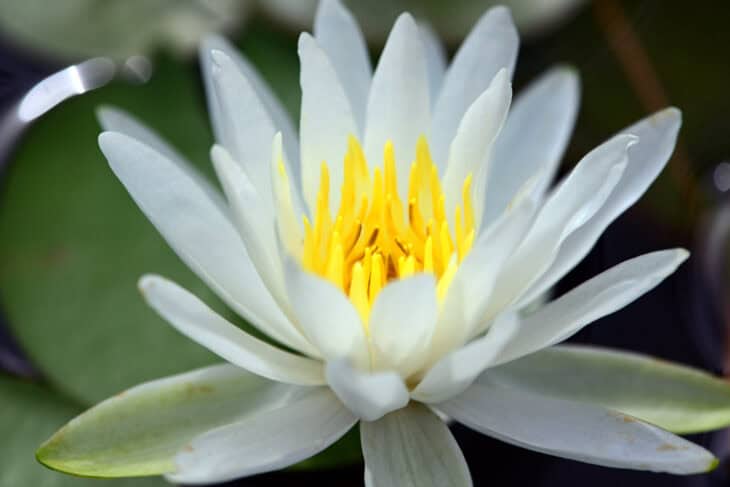
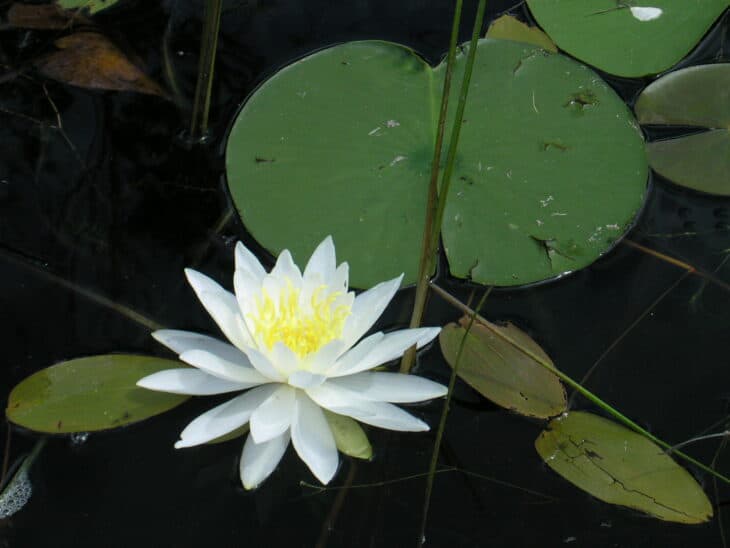
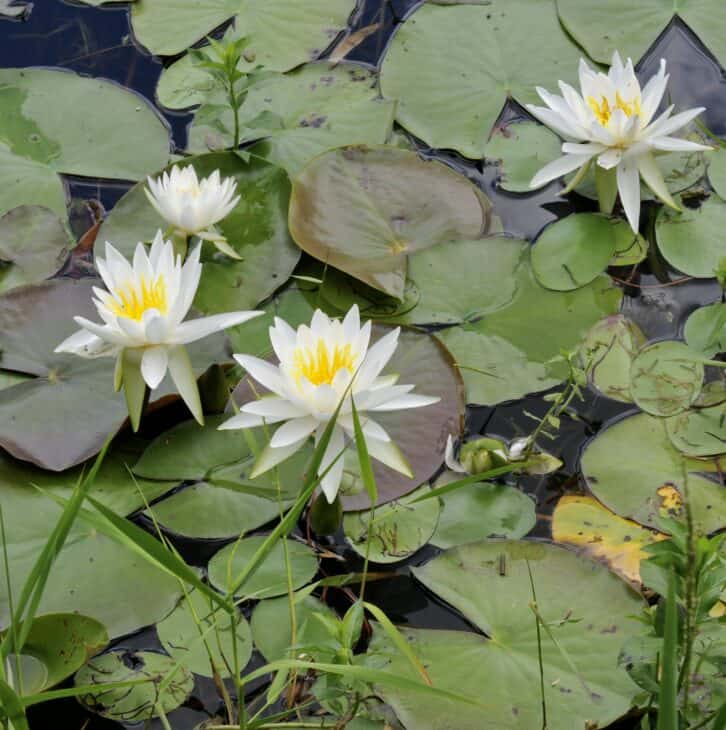
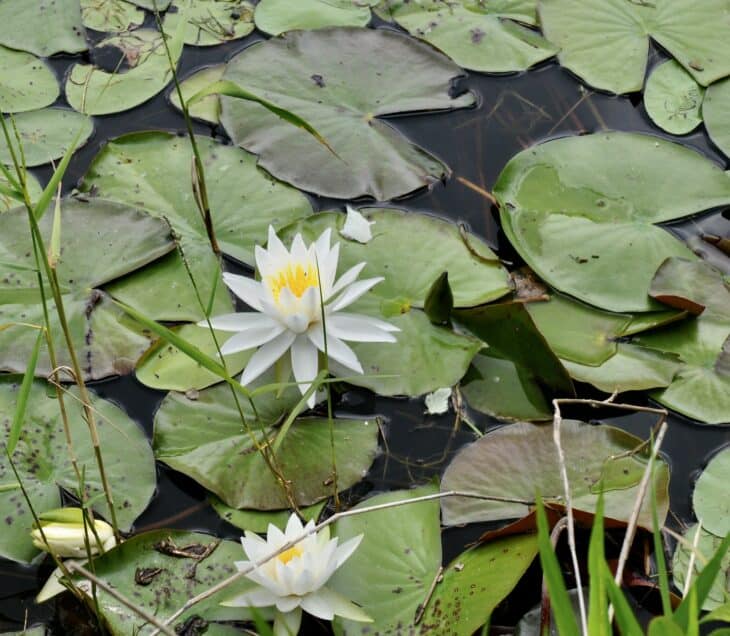
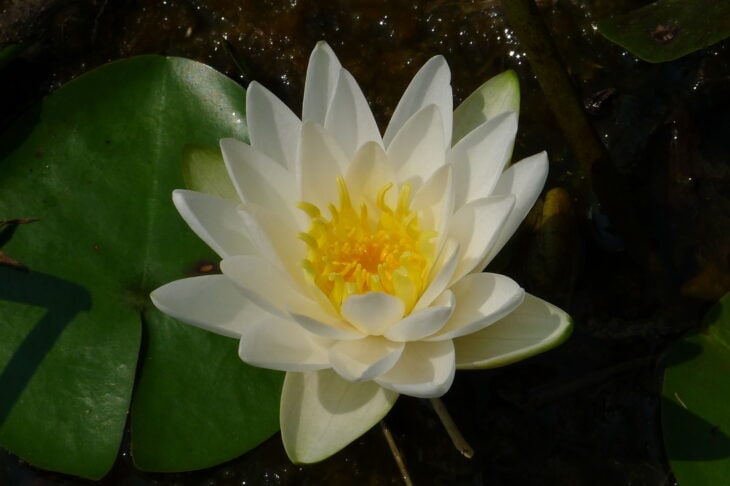
- Large floating round leaves and fragrant white flowers that open in daylight.
- Best grown in still or slow moving freshwater ponds and containers.
- Prefers full sun for best flowering.
- Typically propagated by division of rhizomes or by seed.
- Grows in mucky, nutrient rich bottom soils rather than loose potting mixes.
- Can spread to form colonies if left undivided.
American White Waterlily (Nymphaea odorata) is a hardy native pond plant with floating round leaves and fragrant white flowers that open in daylight. It performs best in still or slow moving freshwater where full sun produces the most flowers.
Identification
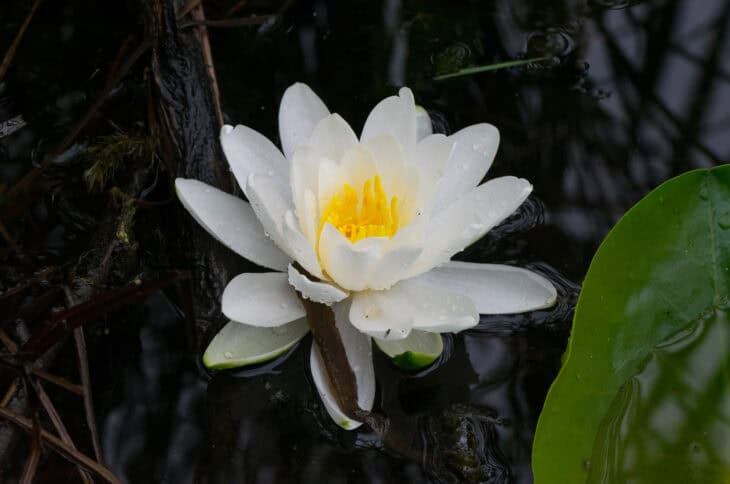
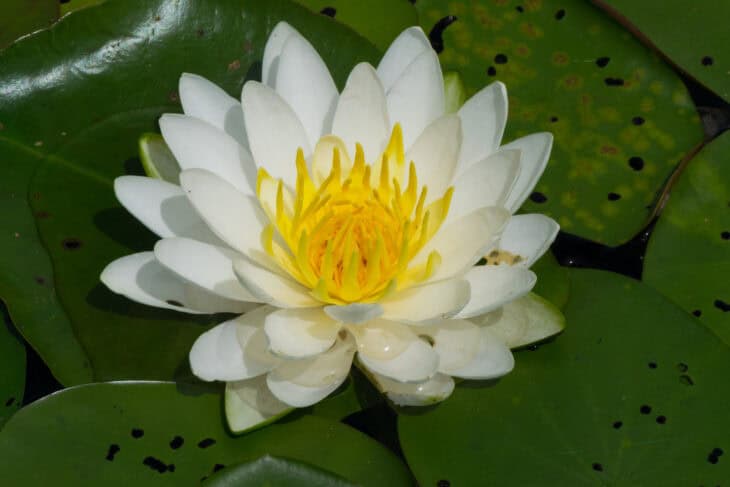
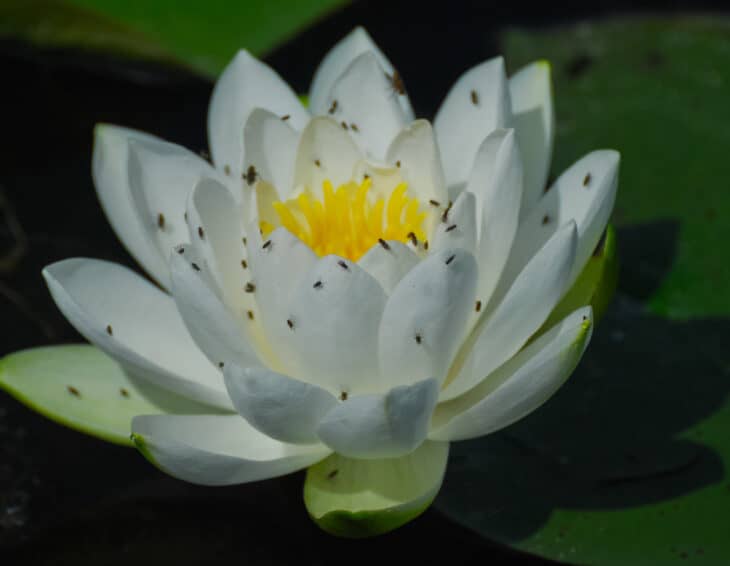
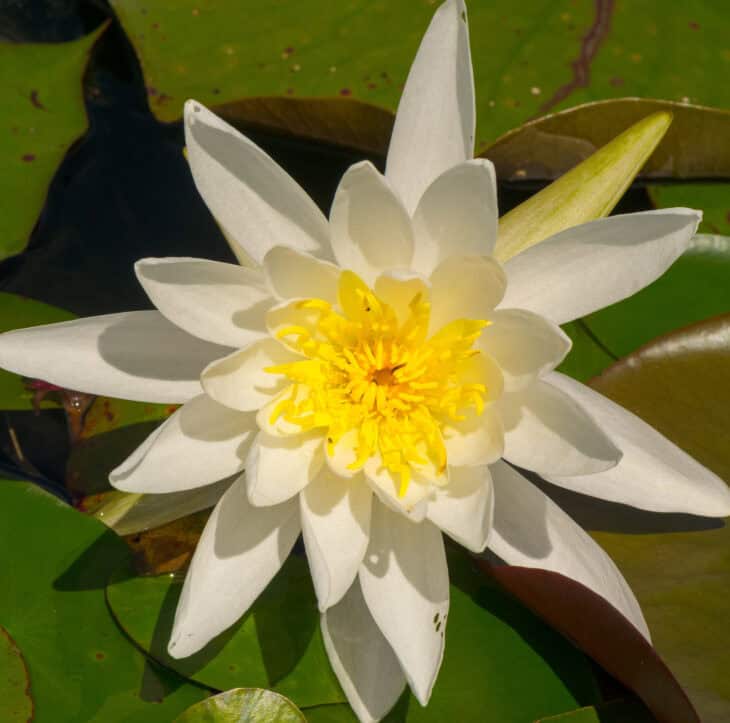
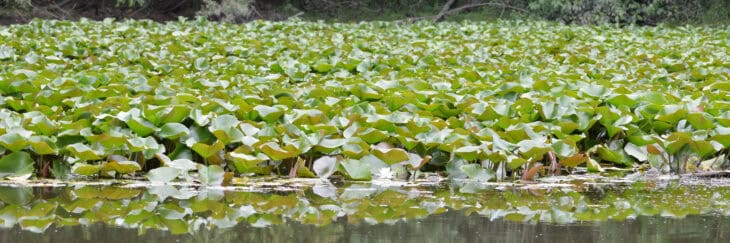
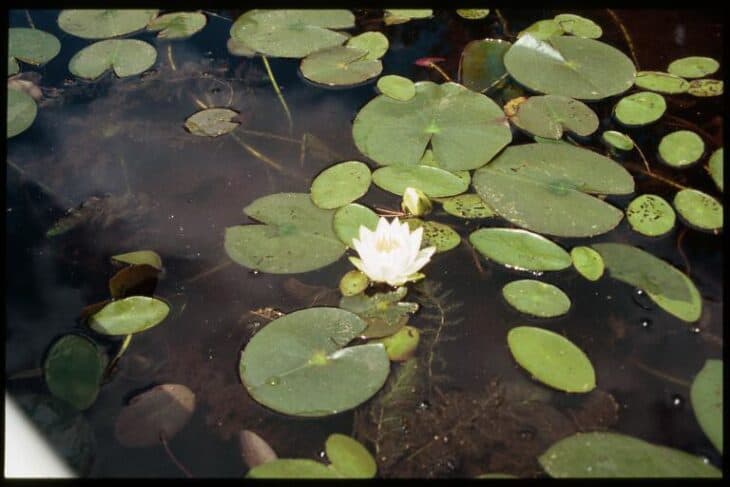
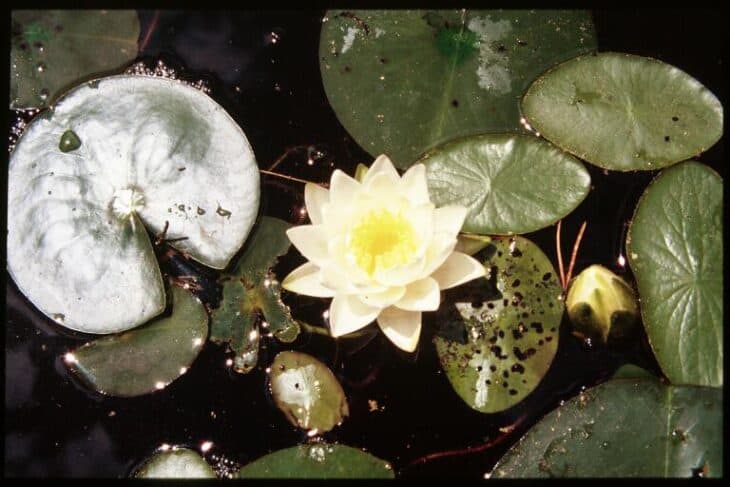
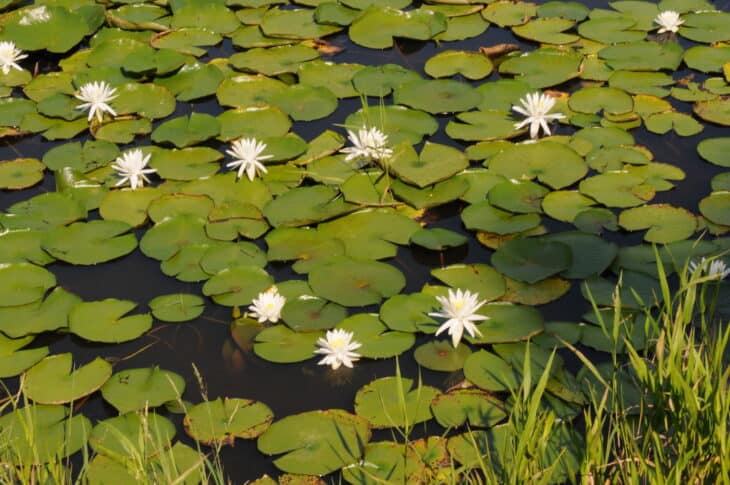
Large round floating leaves and fragrant white flowers that open in daytime identify this species. Flowers and leaves usually sit at or just above the water surface with flower stalks rising roughly 4 to 12 inches above the water. Established plants can form visible mats of leaves across the pond.
Best uses and site
Use this waterlily in ponds and water gardens for surface cover, fragrance and summer blooms. It is hardy across much of North America and is commonly cited for USDA zones 4 to 10. Expect best flowering in full sun and in still or slow moving water.
Planting season and how to plant
Divide rhizomes in spring or fall for fastest establishment and to control spread. Plant rhizomes into mucky heavy loam or clay high in organic matter at the pond bottom. Avoid light potting mixes that float away and choose a sheltered spot with steady water.
Light and soil
Full sun is preferred for abundant flowering with at least six hours of direct sun daily. Plant in heavy mucky loam or clay rich in organic matter on the pond bottom for vigorous leaf and flower production. Poor or very light substrates reduce growth and blooms.
Bloom and maintenance
Flowers are most common in summer with peak displays in warmer months. Remove yellowed leaves and spent flowers to keep the surface tidy and to limit excess decay in the pond. Divide overcrowded plants to maintain vigor and to encourage more blooms.
After flowering care
After the main bloom season divide rhizomes when colonies become dense and to refresh plant health. In colder climates expect winter dieback to the rhizome where ice reaches the bottom. In warmer areas the growing season and spread may be longer.
Controlling spread
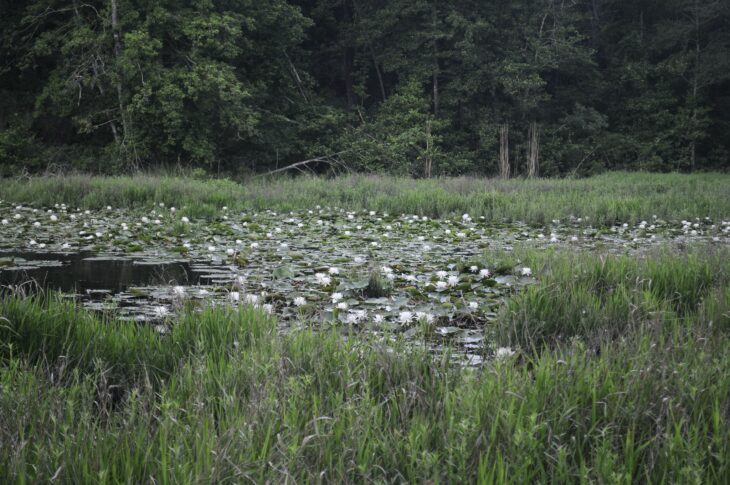
Plants can spread to form colonies across several feet in established plantings. Control spread by periodic division and by removing excess rhizomes. Planting in wide containers sunk into the pond limits lateral spread and makes maintenance easier.
Containers and propagation
American White Waterlily grows well in wide shallow aquatic containers filled with heavy loam or clay and rich organic matter. Propagate mainly by dividing rhizomes in spring or fall. Seed will produce new plants but division is faster and gives predictable results.
Frequently asked questions
- How fast does American White Waterlily grow?
- Growth rate varies with light nutrient levels and climate. Plants can spread across several feet in established ponds if not divided.
- Is it hardy where I live?
- It is commonly cited for USDA zones 4 to 10. Local pond depth and winter ice determine survival in colder areas.
- When does it bloom?
- Flowering occurs in summer with peak displays during the warmer months. Exact timing depends on latitude and climate.
- How do I propagate it?
- Divide rhizomes in spring or fall for fastest results. Seed can be used but takes longer to establish.
- How do I keep it from taking over my pond?
- Limit spread by sinking plants in containers and by dividing and removing excess rhizomes every few years.
Gallery
Related Plants


Mentioned In (1)

Plants
12 Plants That Close At Night
It's always fascinating to see a plant with its leaves or flowers wide open and in full bloom during the…