
Key Facts
- North American wildflower grown for showy daisy like blooms.
- Flowers usually have fringed petals with a conspicuous central disk.
- Commonly used in borders and wildflower plantings for summer color.
- Attracts bees and other pollinators.
- Typically propagated by seed and may self seed in favorable sites.
- Prefers well drained soils and tolerates relatively poor soils.
- Flowering time and perennial behavior vary by climate and local conditions.
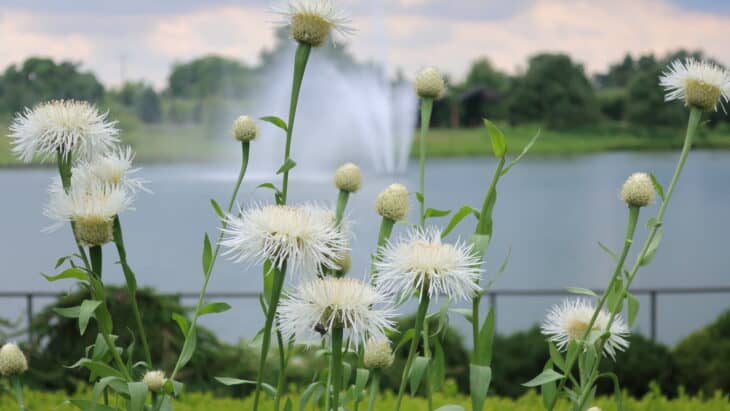
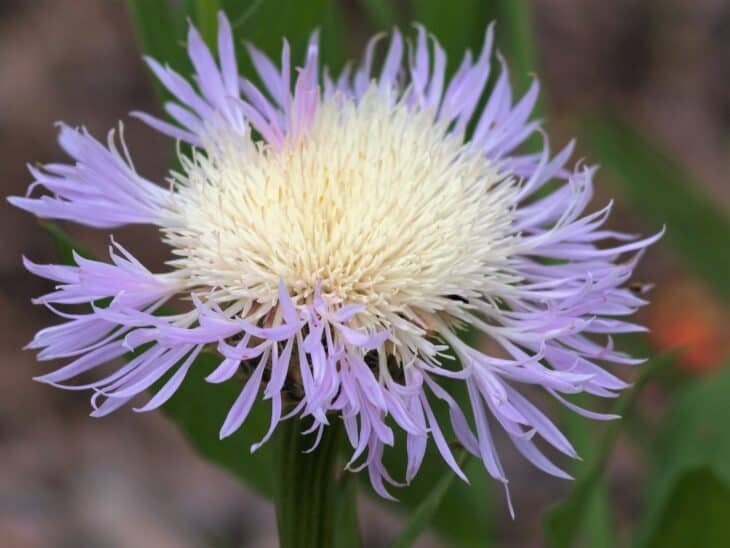
Basket Flower is a North American wildflower with showy daisy like blossoms and a fringed petal around a conspicuous central disk. It is grown in borders and wildflower plantings for summer color and commonly attracts bees and other pollinators.
Identification
Flowers are daisy like with fringed petals and a noticeable central disk. Plants typically reach about 1 to 3 ft tall and spread roughly 1 to 2 ft depending on cultivar and site fertility.
Where to grow and best uses
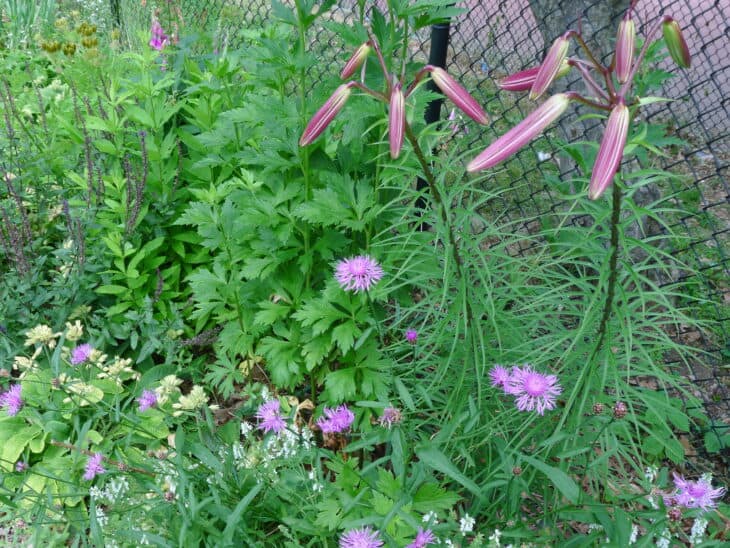
Use Basket Flower in mixed borders and naturalized wildflower areas where a loose cottage look is desired. It performs well as summer color and as a pollinator friendly choice, but may self seed in favorable sites so plan accordingly.
Soil and light
Best flowering occurs in full sun and the plant tolerates part shade. Prefers well drained soils from loam to sandy and will tolerate relatively poor soils. Waterlogged ground and poor drainage reduce vigor and bloom.
Planting and propagation
Propagate primarily by seed. Sow directly in spring or fall and allow seedlings to establish. Seed starting indoors for transplanting is also possible. Space plants about 12 to 24 inches apart to match mature spread and allow air circulation.
Watering and routine care
Keep plants evenly moist while they establish. Once established they tolerate modest soil dryness but will produce fewer flowers if stressed by drought. Deadhead spent blooms to extend flowering and clean up seedheads if you want to limit self seeding.
After flowering
Cut plants back after bloom to tidy the bed and encourage fresh growth. Leaving some seedheads will allow plants to naturalize where that is desired. Perennial behavior varies by climate so longevity in the garden depends on local conditions.
Pollinators
Flowers attract bees and other pollinators and are a useful component of pollinator friendly plantings.
Frequently asked questions
- How fast does Basket Flower grow?
- Growth rate varies with site and seedling vigor. In favorable conditions plants often reach near their mature height within a single growing season.
- Is Basket Flower likely to self seed and spread?
- Yes it may self seed in suitable sites. Remove seedheads to limit spread or leave them to naturalize a patch.
- When does Basket Flower bloom?
- Blooming typically occurs from summer into early fall in temperate gardens, though timing varies with local climate.
- How do I propagate Basket Flower?
- Propagate by seed. Sow directly in spring or fall or start seed indoors for transplanting.
- Will Basket Flower tolerate poor soil?
- Yes it tolerates relatively poor, well drained soils but performs poorly in waterlogged conditions.
Gallery
Related Plants


Mentioned In (2)
Plants
6 Plants That Look Like Thistle
Thistles are quite pretty flowering plants that are common in most gardens and can sprout without warning and without planting…

Plants
24 Poisonous Plants in California
California is the largest agricultural state in all of America and has almost 23 million acres of land reserved for…