
Key Facts
- Herbaceous perennial wildflower native to Europe and naturalized in parts of North America.
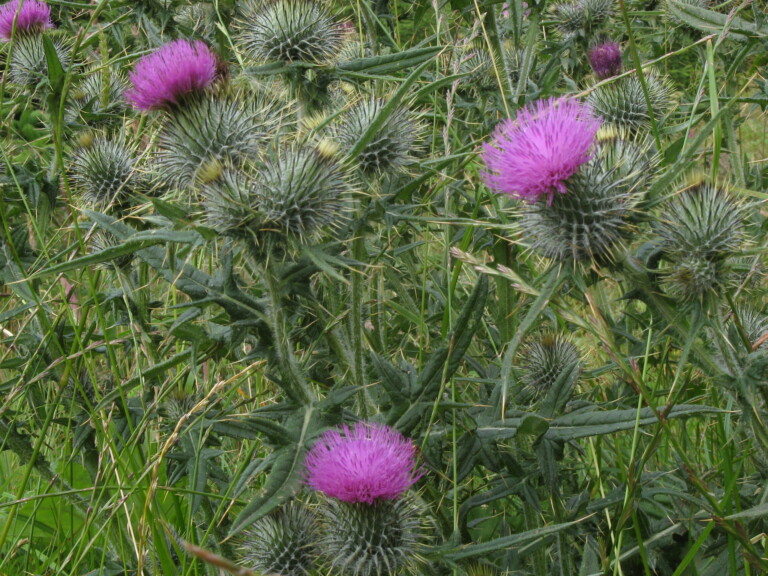
- Produces single flowerheads in shades of purple that attract bees and butterflies.
- Prefers well drained sites and tolerates poor, dry soils.
- Spreads readily by seed and can form local colonies.
- Flowers typically appear in summer in temperate climates.
- Best grown in full sun to light shade.
- Not typically grown for edible use and should not be consumed.
Common Knapweed (Centaurea nigra) is a herbaceous perennial wildflower with purple, thistle like flowerheads that attract bees and butterflies. It fits sunny, well drained borders or informal meadows and tolerates poor, dry soils yet spreads readily by seed and can form local colonies.
Identification
Centaurea nigra produces single, rounded purple flowerheads on erect stems and a loose basal rosette of leaves. Plants typically reach 12 to 36 in tall and spread 12 to 24 in across. Flowers appear in summer in temperate regions and the overall habit is upright and clump forming.
Best uses and where to grow
Use Common Knapweed in pollinator mixes, meadow edges, or low maintenance borders where dry, well drained soil is present. It performs best in full sun and tolerates light shade. This species is not for consumption and can naturalize in suitable climates so avoid planting where self sowing would be a problem.
Planting and spacing
Sow seed in spring or autumn or plant divisions in spring or autumn for faster establishment. Space plants about 12 to 24 in apart to allow air circulation and to match the plant’s mature spread. Avoid heavy, waterlogged soils and improve drainage before planting if the site stays wet after rain.
Watering and soil
Choose well drained soils and expect toleration of poor, dry conditions once plants are established. Provide regular water while young so roots develop then reduce supplemental irrigation. Persistent wet or waterlogged soils cause poor growth and rot so proper drainage prevents decline.
After flowering care
Remove spent flowers to reduce self sowing and to tidy borders. Leaving some seedheads supports birds and insects but increases volunteer seedlings. Cut plants back in autumn or early spring if you want a neater bed and divide crowded clumps in spring or autumn to refresh plants.
Controlling spread and naturalizing
Common Knapweed spreads readily by seed and can form colonies over time. Prevent unwanted spread by deadheading before seeds form and by pulling seedlings early. Check local invasive species lists before planting and use physical removal or targeted cutting where volunteers threaten nearby plantings.
Propagation
Propagate from seed or by crown division. Seeds self sow readily so remove flowerheads to limit volunteers. Division in spring or autumn establishes plants faster and preserves any named cultivar traits. Sow seed in the season appropriate to your climate and be prepared to thin seedlings.
Frequently asked questions
- How fast does Common Knapweed grow?
- The plant reaches roughly 12 to 36 in tall once established and can produce flowering stems in the first season from seed or division. Spread by self sowing may form colonies over multiple seasons.
- When does it bloom?
- Flowers typically appear in summer from June to August in the Northern Hemisphere but timing varies with local climate.
- Is it invasive?
- It is naturalized in parts of North America and can be weedy locally. Check regional invasive plant lists before planting and manage volunteers where needed.
- Can I give it to pets or people to eat?
- Common Knapweed is not grown for edible use and should not be consumed. Confirm pet and human safety with local poison control or extension resources before advising ingestion.
- What is the best way to prevent unwanted seedlings?
- Deadhead flowers before seeds set and remove or pull young seedlings promptly. Regular cutting or mowing of meadows can also reduce seed set and spread.
Related Plants


Mentioned In (1)
Plants
6 Plants That Look Like Thistle
Thistles are quite pretty flowering plants that are common in most gardens and can sprout without warning and without planting…