
Key Facts
- Compact rosette form of the snake plant group with short broad leaves.
- Popular as a low maintenance indoor houseplant.
- Tolerates low light but grows faster with bright indirect light.
- Prefers well draining potting mix and dislikes standing water.
- Propagate by division, pups, or leaf cuttings.
- May flower rarely indoors producing small tubular blooms on a stalk.
- Toxic to cats and dogs if ingested causing vomiting and diarrhea.
Bird’s Nest Snake Plant (Dracaena trifasciata ‘Hahnii’) is a compact rosette form of the snake plant commonly grown indoors for its tidy mound of short broad leaves. It tolerates low light and infrequent watering while showing best growth in bright indirect light and a free draining potting mix.
Identification
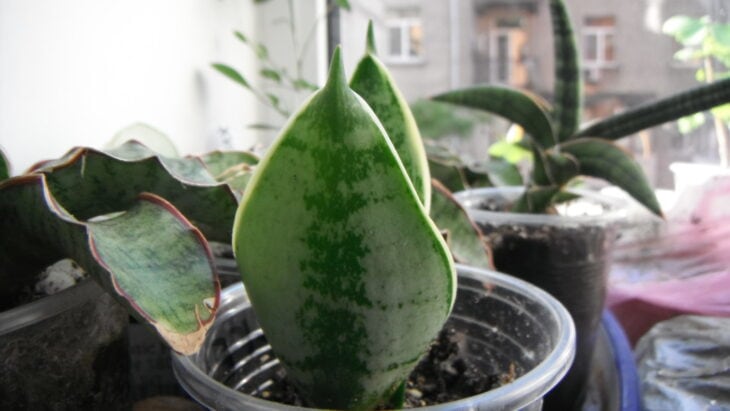
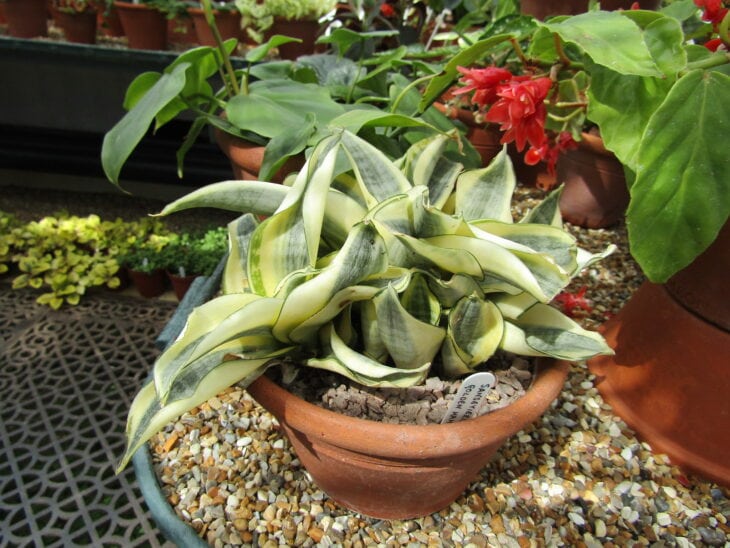
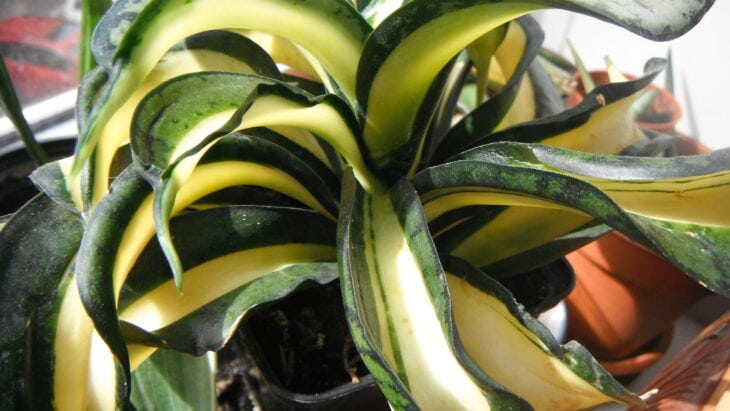
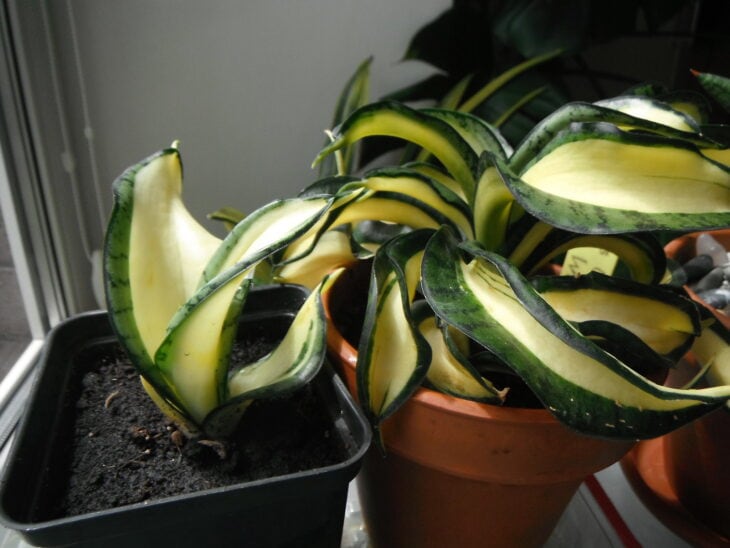
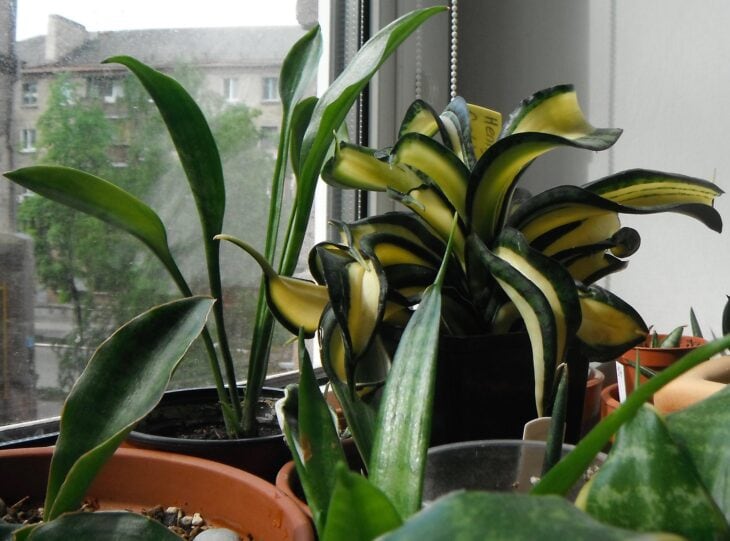
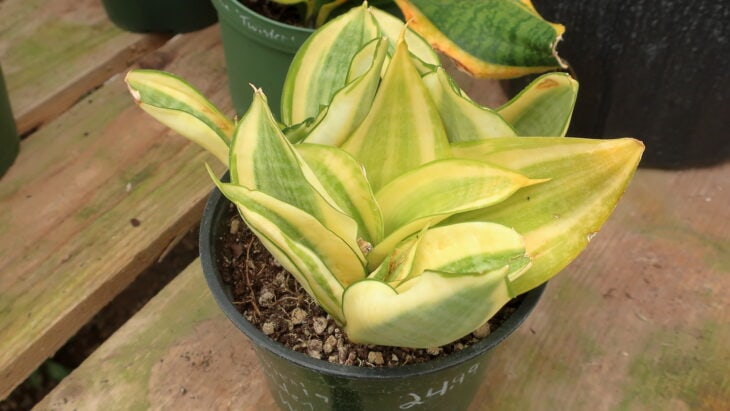
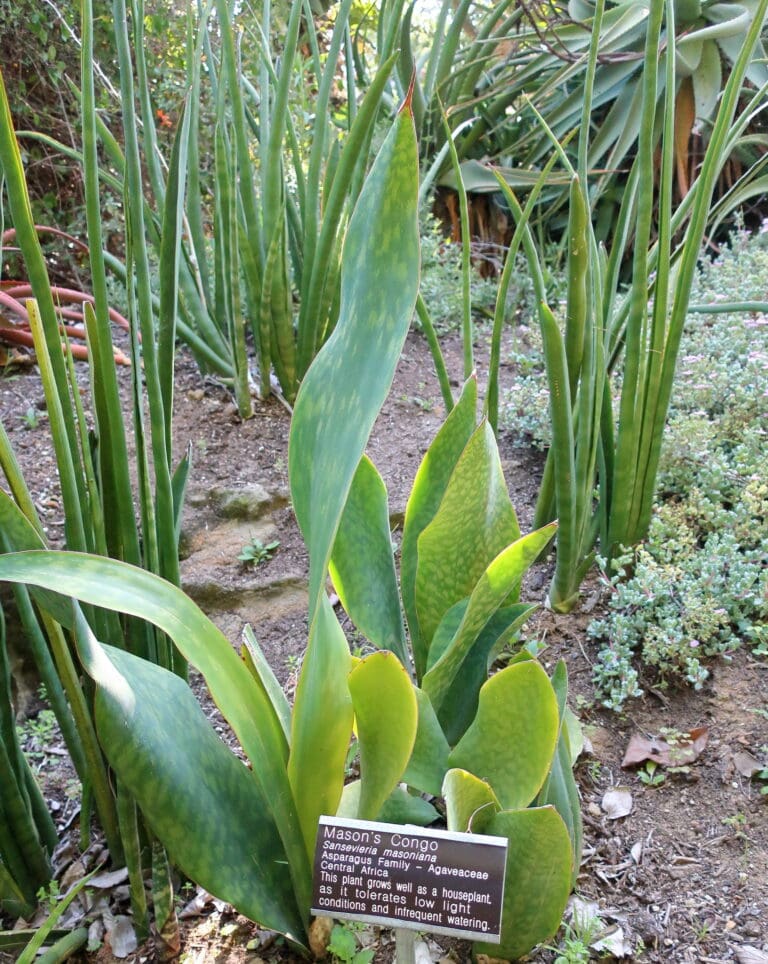
Hahnii is a dwarf snake plant with a tight rosette of short broad leaves that usually reach six to twelve inches in height and spread. Leaves are upright and shorter than typical snake plant types which makes this cultivar a neat low clumping accent. Alternate names include dwarf Sansevieria Hahnii and Sansevieria hahnii.
Best uses and where to grow
Use this plant as a small container specimen for tabletops shelves and office corners where space is limited. It performs well as an indoor houseplant across most climates. Outdoors it is suitable only in frost free areas roughly USDA zones nine to eleven and will suffer leaf damage if exposed to frost.
Light and placement
Place the plant in bright indirect light for the fastest growth. It tolerates lower light but will grow more slowly and may compact more tightly. Avoid prolonged direct hot sun on the leaves to prevent scorching. Rotate the pot occasionally so the rosette keeps an even shape and balanced growth.
Soil and potting
Grow in a free draining potting mix such as a standard houseplant mix with added grit or a cactus type medium. Always use a pot with drainage holes and avoid heavy water retentive soils. Poor drainage and standing water lead to root rot which causes soft leaves and plant decline.
Watering
Water sparingly and allow the top part of the mix to dry between waterings. Excess water and poor drainage cause root rot which shows as yellowing soft leaves and collapse of the rosette. In brighter light water more often and in lower light water less often to keep roots healthy.
Planting time spacing and depth
For outdoor planting in frost free climates set out after the last risk of frost. For container plants repot or place in a new container at any time of year when conditions are stable. Space plants about six to twelve inches apart to match the typical spread of the cultivar and avoid crowding.
Propagation and controlling spread
Propagate by dividing rhizomes or separating pups for fastest results. Leaf cuttings also work but are slower and less reliable. To control spread remove or divide offsets when the clump becomes crowded. Division also refreshes older plants and is the preferred method to maintain a compact shape.
After flowering care
Flowering is uncommon indoors but if a stalk appears allow blooms to finish then cut the spent stalk down to the base to redirect energy back into foliage. Continue regular watering and light care. Remove the stalk cleanly at the soil line to keep the rosette tidy and encourage new pup formation.
Pests problems and toxicity
Main problems result from overwatering and poor drainage which lead to root rot and leaf collapse. Frost will damage foliage in cooler climates. The plant is toxic to cats and dogs if ingested and can cause vomiting and diarrhea. If ingestion occurs contact a veterinarian or poison control for advice.
Frequently asked questions
- How fast does Bird’s Nest Snake Plant grow?
- Growth is slow compared with larger snake plant types. Typical size stays around six to twelve inches high and wide and plants grow faster in bright indirect light and slower in low light.
- Is this plant safe around pets?
- No it is toxic to cats and dogs if eaten and can cause gastrointestinal upset. Keep it out of reach of curious pets and consult a veterinarian if ingestion occurs.
- Can it be grown outdoors?
- Yes in frost free areas roughly USDA zones nine to eleven. In cooler climates grow it as a houseplant or bring containers indoors before frost to prevent leaf damage.
- How do I propagate it?
- Divide rhizomes or separate pups for the quickest reliable results. Leaf cuttings work but take longer and are less consistent.
- Does it need direct sun?
- No direct sun is not required. Bright indirect light gives the best growth while tolerant of lower light levels but with slower growth.
Gallery
Related Plants
Mentioned In (1)

Plants
The Best Types of Snake Plant for Your Garden
Walk into almost any plant shop and you will find a snake plant, but the one on the shelf may…