
Key Facts
- Native to central Africa, notably the Democratic Republic of the Congo.
- Not frost hardy and usually grown as an indoor houseplant in temperate regions.
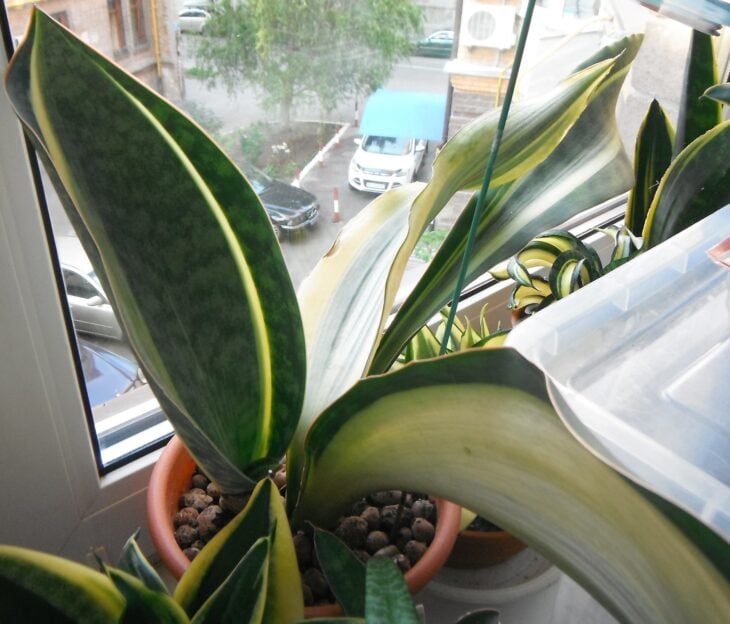
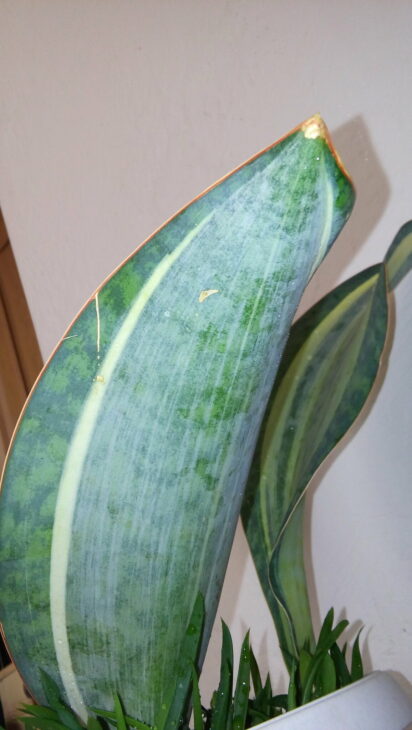
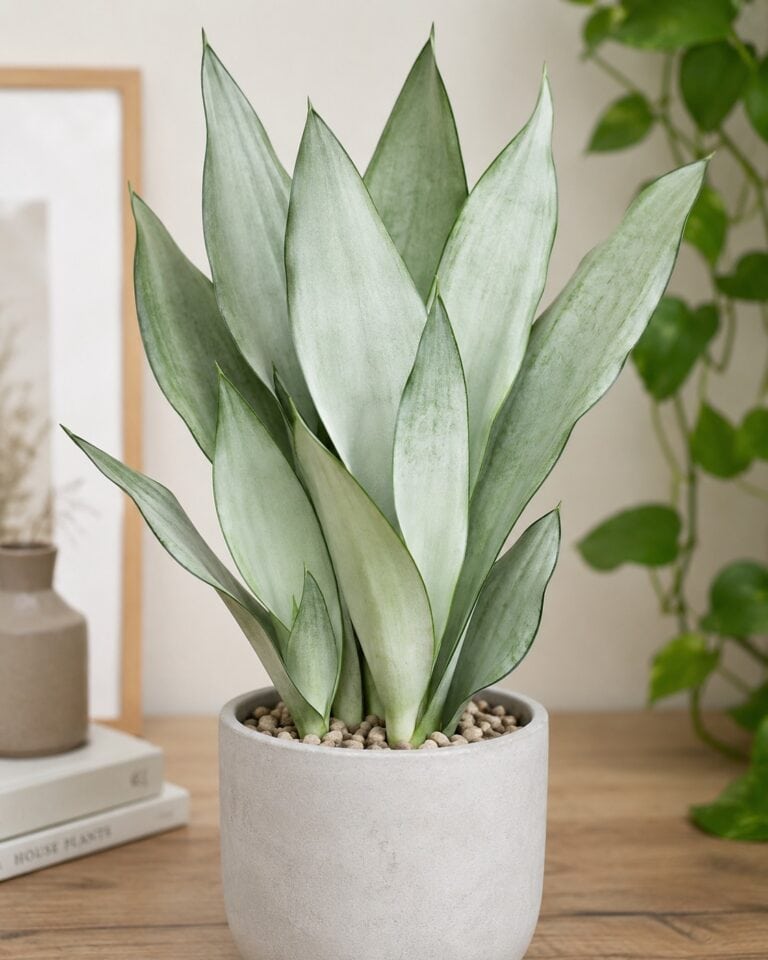
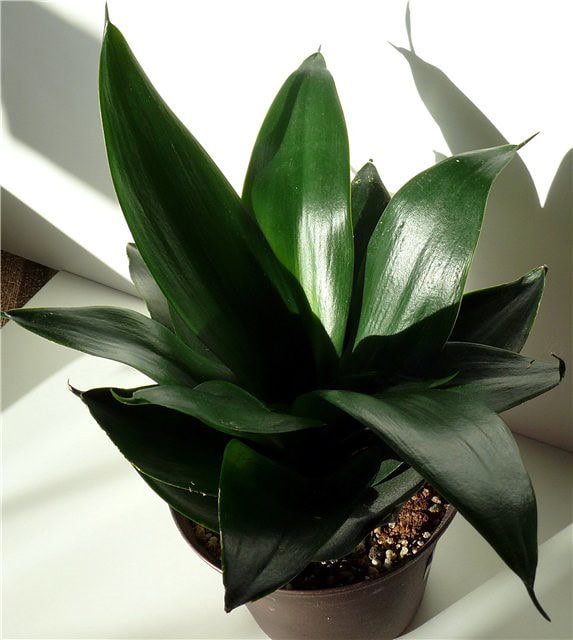
- Distinctive for very broad, paddle shaped upright leaves.
- Tolerant of low light but grows best in bright indirect light.
- Very drought tolerant and susceptible to root rot in poorly drained soil.
- Propagated by division of rhizomes or by rooting leaf cuttings.
- Toxic to cats and dogs if ingested.
Whale Fin Snake Plant (Dracaena masoniana / Sansevieria masoniana) is a bold foliage houseplant with very wide, paddle shaped upright leaves. It is valued for architectural form and easy care yet must be kept in well draining soil and away from pets.
Identification
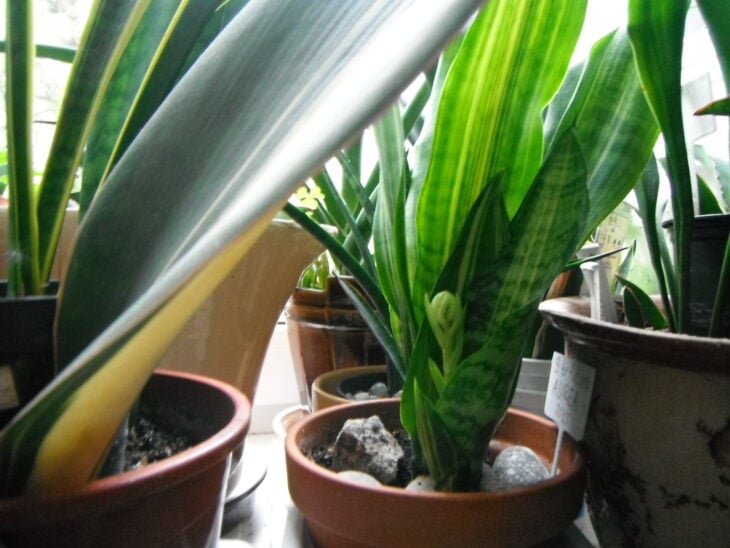
Large thick leaves set this plant apart. Leaves commonly reach 24 to 48 inches tall in cultivation and arise in low clumps rather than forming a trunk. The species is native to central Africa and is recognizable by its unusually broad, nearly paddle shaped upright leaves that form a sculptural, single clump.
Best uses and where to grow
Use as a statement indoor plant in bright indirect to moderate light or in low light where form matters more than fast growth. It is tender outdoors only where frost is absent, generally USDA zones 10 to 12. In cooler climates keep the plant in containers and move it indoors before cold weather.
Soil and planting
Plant in a free draining potting mix with grit or coarse material to prevent waterlogging. When growing outdoors in suitable climates allow 12 to 36 inches between clumps to accommodate natural spread by rhizomes and offsets. Repot or divide when the rootball becomes crowded to refresh the mix and control size.
Watering and common problems
The plant is very drought tolerant and prefers to dry slightly between waterings. Overwatering or poorly drained soil causes root and crown rot leading to soft roots, yellowing leaves and collapse of the clump. Underwatering produces wrinkled or drooping leaves but generally does less permanent harm than chronic wet conditions.
Propagation and controlling spread
Divide rhizomes to produce new plants quickly and true to the parent. Leaf cuttings can root but take longer and may be variable. Control spread by removing offsets, repotting into a smaller container or dividing to reduce the number of shoots produced by the rhizome network.
Containers and indoor care
Performs well in containers with a fast draining potting mix and a modest, shallow pot to discourage excess moisture. Bright filtered light gives the best growth but the plant tolerates low light with slower, narrower leaves. Move plants indoors before frost and avoid prolonged hot midday sun which can scorch leaves.
Toxicity and safety
Plants in the Dracaena group are toxic to cats and dogs if ingested. Symptoms reported include vomiting, drooling and reduced appetite. Keep plants out of reach of pets and children and consult local veterinary or poison control resources for treatment guidance if ingestion occurs.
Frequently asked questions
- How fast does Whale Fin Snake Plant grow?
- Growth is generally slow to moderate indoors and depends on light and potting conditions. In bright indirect light it will produce new leaves and offsets over months to years rather than weeks.
- Is Whale Fin Snake Plant safe for pets?
- No. Like other Dracaena species it is toxic to cats and dogs. Keep the plant out of reach and contact a veterinarian or poison control center if a pet ingests any part.
- Can I grow it outdoors?
- Yes where frost is absent, commonly USDA zones 10 to 12. In cooler climates grow in containers and bring plants indoors before cold weather.
- How do I propagate this plant?
- Best method is division of the rhizome for fast, true results. Leaf cuttings can also root but are slower and less predictable.
- How do I fix root rot?
- Stop watering, remove the plant from wet soil, trim rotten roots and repot into a fresh, well draining mix. Discard severely rotten plants and reduce future watering frequency.
Gallery
Related Plants
Mentioned In (1)

Plants
The Best Types of Snake Plant for Your Garden
Walk into almost any plant shop and you will find a snake plant, but the one on the shelf may…