
Key Facts
- Deciduous to semi deciduous woody shrub.
- Produces long fragrant flower panicles that attract butterflies and other pollinators.
- Fast growing with arching stems.
- Flowers mainly in summer into early fall.
- Prefers full sun and well drained soil.
- Tolerates poor, dry soils and some drought once established.
- Can self seed and naturalize and is considered invasive in parts of several countries.
- Responds well to hard pruning to renew growth and flowering.
- Many cultivars are available with a range of flower colors and habit sizes.
Butterfly Bush is a fast growing deciduous to semi deciduous shrub prized for long fragrant flower panicles that attract butterflies and other pollinators. It blooms mainly in summer into early fall and performs best in full sun on well drained soil.
Identification
Recognize Butterfly Bush by its arching stems and long, fragrant flower panicles that appear through the summer and into early fall. Mature plants typically reach about 4 to 12 feet tall and spread 4 to 10 feet depending on cultivar and site. Many cultivars offer different flower colors and more compact habits.
Best uses and where to grow
Use Butterfly Bush as a specimen, mixed border shrub, or pollinator magnet where space allows for a wide, arching habit. It is hardy in USDA zones 5 to 9 and tolerates urban and poor soils. Avoid planting where natural areas might be vulnerable to self seeded volunteers that can naturalize and form dense stands.
Soil light and watering
Plant in full sun for the best flowering and choose well drained soil. The shrub tolerates poor and dry soils and will handle some drought once established. Avoid waterlogged sites since poor drainage leads to decline and increased root disease risk.
Planting and establishment
Select a sunny, well drained site and allow room for the expected mature spread of 4 to 10 feet. Water regularly until established then reduce irrigation as the shrub matures. Lean soils are acceptable and often produce better long term performance than heavy, wet ground.
Maintenance and pruning
Cut back spent flower panicles to tidy plants and reduce self seeding. The shrub responds well to hard pruning to renew growth and flowering which helps keep large plants compact. In colder parts of its range plants can die back to the ground and resprout in spring.
Controlling spread and invasiveness
Butterfly Bush can self seed and naturalize in some regions and is considered invasive in parts of several countries. Remove seedheads before they mature and pull or dig out volunteer seedlings to prevent thicket formation. Verify local invasive listings and any sale or planting restrictions before introducing it.
Propagation
Propagate named cultivars from softwood or semi ripe stem cuttings in summer to preserve parent traits. Seed will produce plants but may not come true to cultivar and increases the risk of self seeded recruits. Pruning promotes new shoots that root readily from cuttings.
Frequently asked questions
- How fast does Butterfly Bush grow?
- It is fast growing with arching stems and commonly reaches several feet of growth each year until it approaches its mature height of 4 to 12 feet depending on cultivar and conditions.
- Is Butterfly Bush invasive?
- It can self seed and naturalize and is listed as invasive in parts of some countries. Check local regulations and remove seedheads to limit spread.
- Does Butterfly Bush attract butterflies?
- Yes. The long fragrant flower panicles are highly attractive to butterflies and other pollinators during the summer and early fall bloom period.
- Can I prune Butterfly Bush hard to reshape it?
- Yes. The shrub responds well to hard pruning to renew growth and flowering but be aware heavy pruning may be needed if plants have become very large.
- Is Butterfly Bush hardy in my area?
- It is generally hardy in USDA zones 5 to 9. In colder zones plants may die back to the ground and regrow in spring.
- Is Butterfly Bush toxic to pets or people?
- It is not widely listed as highly toxic but reliable poison control or ASPCA listings should be consulted before advising on ingestion. Handling may cause mild irritation in sensitive individuals.
Related Plants


Mentioned In (4)

Plants
6 Plants That Look Like Snowballs
The Japanese snowball bush (Viburnum plicatum) is native to Taiwan, Korea, China, and Japan. These plants belong to the Adoxaceae…
Plants
5 Plants That Look Like Astilbe
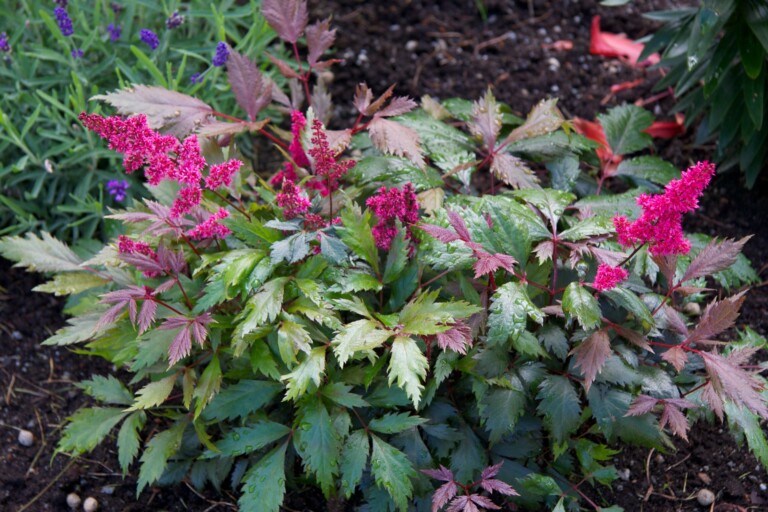
Astilbe plants are popular for their large plumes of flowers that could fill your garden with color from early spring…

Plants
9 Plants That Look Like Butterfly Bush
The butterfly bush (Buddleja davidii) may be a beautiful plant, but it is also an invasive species in North America.…

Plants
8 Plants That Look Like Hydrangea
Hydrangeas are one of those plants that makes a lasting impression because of the beautiful, snow globe-sized flower bunches. There…