
Key Facts
- Deciduous flowering shrub valued for spring clusters of small flowers.
- Performs well as a low hedge or mixed border plant.
- Responds well to pruning and shaping after flowering.
- Attracts bees and other pollinators when in bloom.
- Prefers well drained soil and regular moisture when young.
- Tolerates a range of soils but not prolonged waterlogging.
- Easily propagated by cuttings, division, or layering.
Spirea Shrub is a deciduous flowering shrub valued for its spring clusters of small flowers and compact rounded habit. It performs well as a low hedge or mixed border plant and responds readily to pruning and shaping after bloom.
Identification
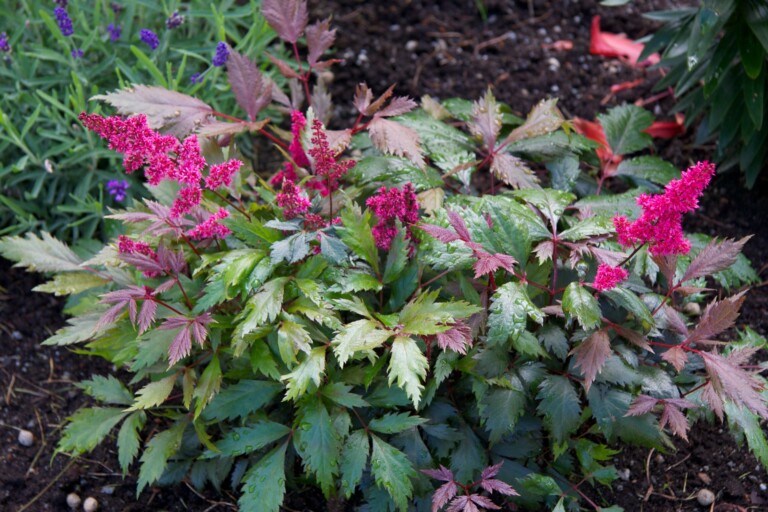
Spirea is deciduous and notable for clusters of small flowers in spring and a neat, rounded form. Typical garden plants reach about 2 to 4 ft tall with a 3 to 5 ft spread depending on cultivar and pruning. When in bloom the shrub attracts bees and other pollinators.
Best uses and where to grow
Use Spirea as a low hedge, mixed border shrub or massed for spring color where a compact, flowering shrub is wanted. It flowers best in full sun but tolerates light shade. Generally suited to cooler temperate gardens within USDA zones 4 to 8, performance varies by cultivar and location.
Planting and spacing
Choose a sunny to partly shaded site with good drainage. Space plants roughly equal to their mature spread, about 3 to 5 ft apart, so hedges and groups fill evenly. Plant so the root crown sits level with surrounding soil and mulch to conserve moisture while the shrub establishes.
Water and soil
Spirea prefers well drained loam to sandy loam and tolerates heavier soils if not waterlogged. Give regular moisture while young to establish a strong root system. Avoid standing water because poor drainage can cause root decline. A neutral to slightly acidic soil pH around 6.0 to 7.0 suits most plants.
After flowering care and pruning
Prune immediately after flowering to shape the plant and encourage a compact habit. Spirea responds well to thinning and heading back, which keeps size in check and maintains flowering structure. Hard pruning or rejuvenation can be done selectively but final size reflects cultivar choice and pruning frequency.
Propagation
Propagate by softwood cuttings in early summer, hardwood cuttings, division in spring, or layering. Softwood cuttings and layering are commonly used by nurseries and home gardeners for reliable results. Choose healthy shoots and keep young plants evenly moist until roots establish.
Frequently asked questions
- How fast does Spirea Shrub grow?
- Growth is moderate. Many garden spirea cultivars reach the typical 2 to 4 ft height and 3 to 5 ft spread over a few growing seasons, with rate depending on cultivar, site and pruning.
- When does Spirea Shrub bloom?
- Bloom is in spring, typically April to May in temperate Northern Hemisphere gardens, though exact timing varies by local climate and cultivar.
- Is Spirea Shrub toxic to people or pets?
- Spirea is generally considered non toxic to people and pets, though handling can cause minor skin irritation for sensitive individuals. Verify specific safety information with regional poison control or animal welfare sources.
- How should I prune Spirea Shrub?
- Prune right after flowering to preserve next season’s blooms. Use selective thinning and light heading to shape. More severe rejuvenation can be done selectively if a plant becomes overgrown.
- Can Spirea be used for hedging?
- Yes. Spirea performs well as a low hedge when spaced about 3 to 5 ft apart and pruned regularly to maintain a uniform height and dense habit.
Related Plants


Mentioned In (2)
Plants
5 Plants That Look Like Astilbe
Astilbe plants are popular for their large plumes of flowers that could fill your garden with color from early spring…

Plants
8 Plants That Look Like Hydrangea
Hydrangeas are one of those plants that makes a lasting impression because of the beautiful, snow globe-sized flower bunches. There…