
Key Facts
- Perennial thistle in the same genus as the globe artichoke.
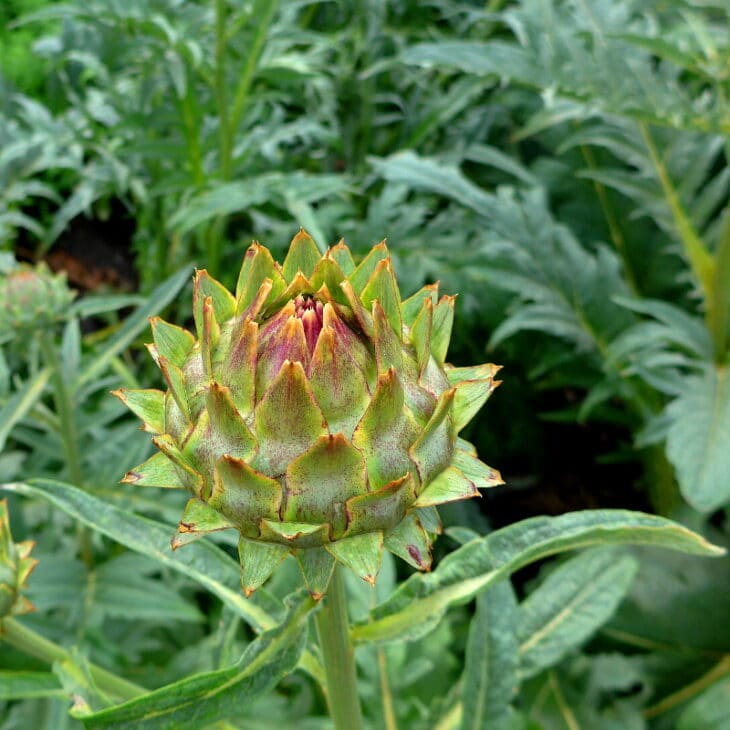
- Grown for large architectural silver green foliage and edible leaf stalks.
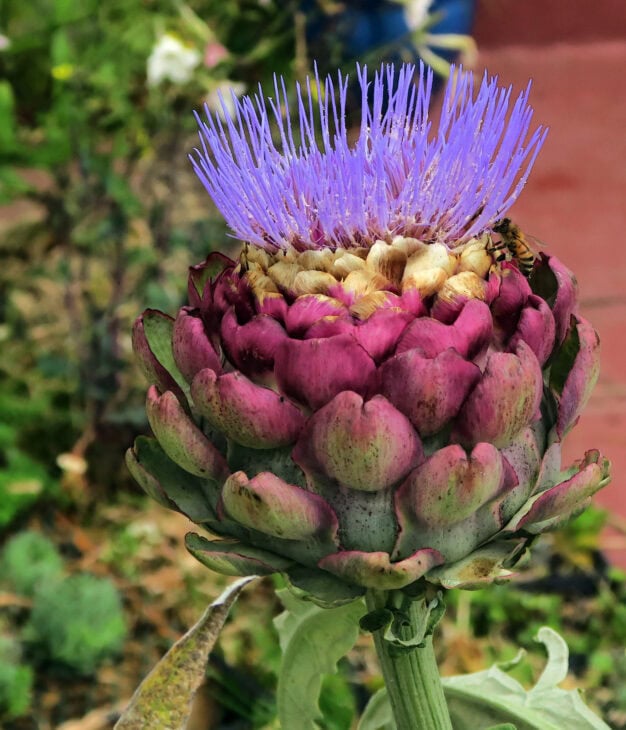
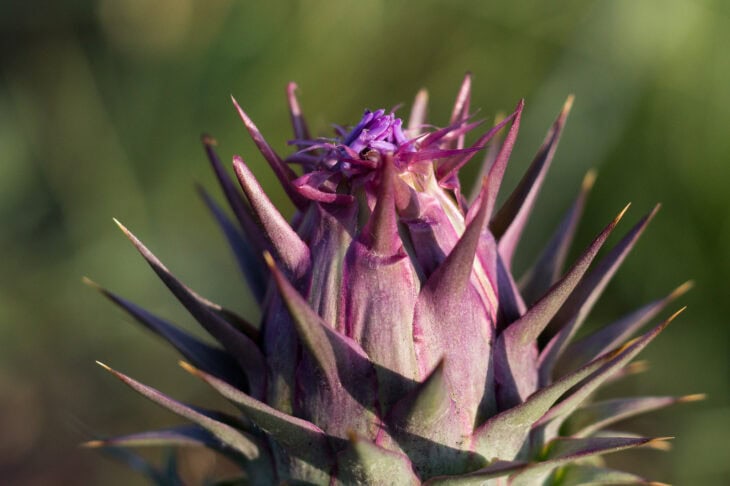
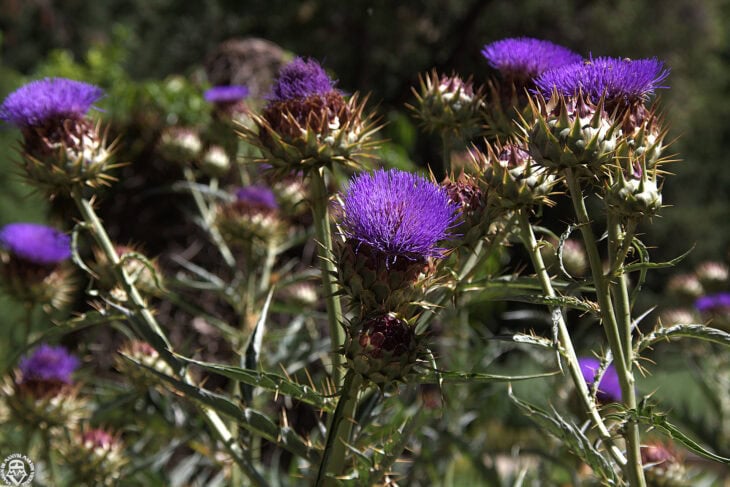
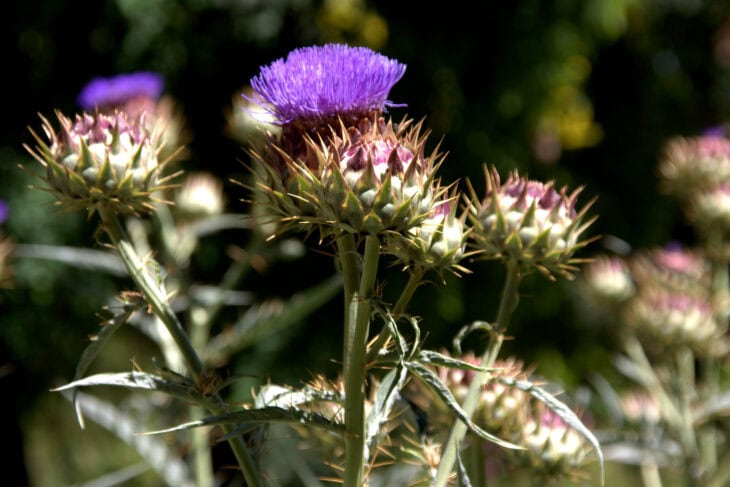
- Produces thistle like purple flowers in summer.
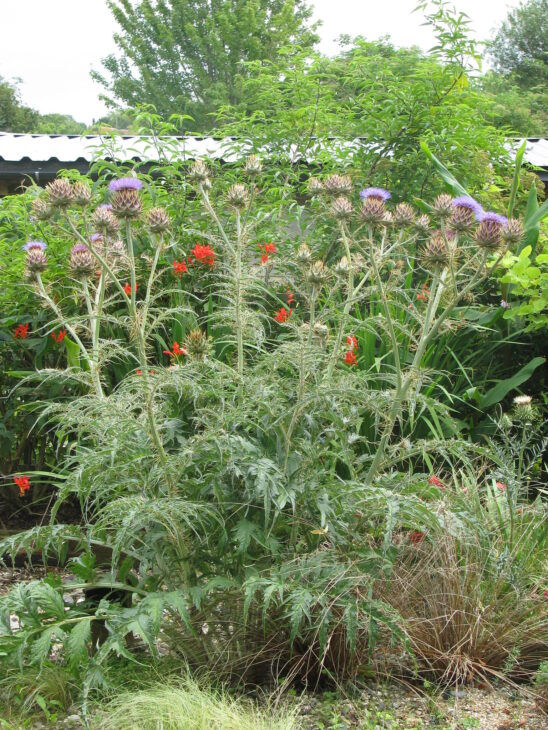
- Forms a large clumping habit that can reach several feet tall and wide.
- Prefers full sun and fertile well drained soil.
- Tolerates poorer soils and some alkalinity but dislikes waterlogged ground.
- Propagated easily by seed and by division or root cuttings.
- Can self seed and may naturalize or spread in warm climates.
Cardoon Plants (Cynara cardunculus) are tall perennial thistles grown for dramatic silvery foliage and edible leaf stalks. They produce purple thistle flowers in summer and form large clumps that need room to mature.
Identification
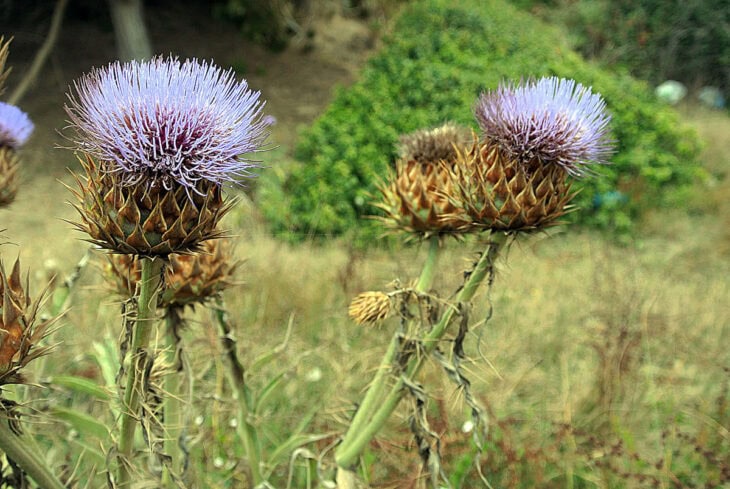
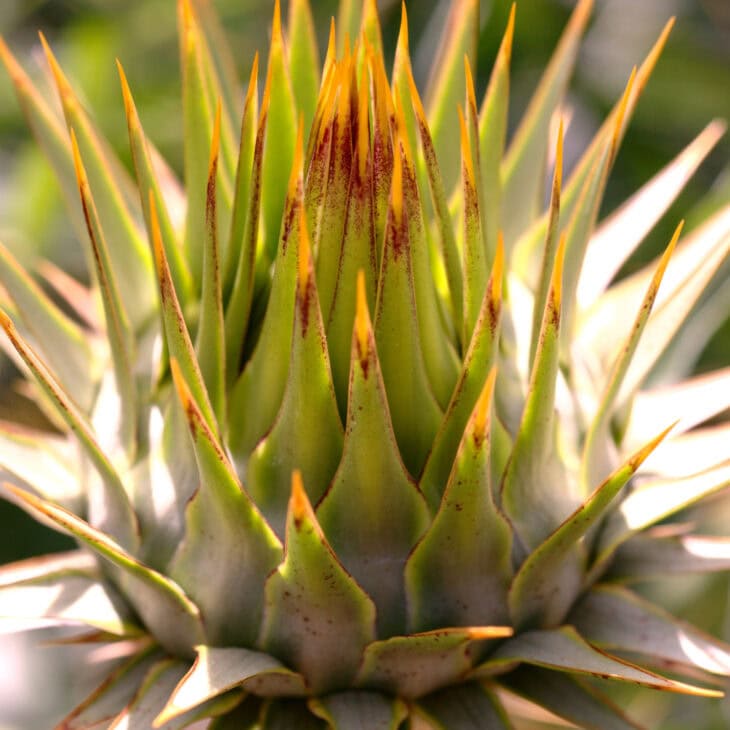
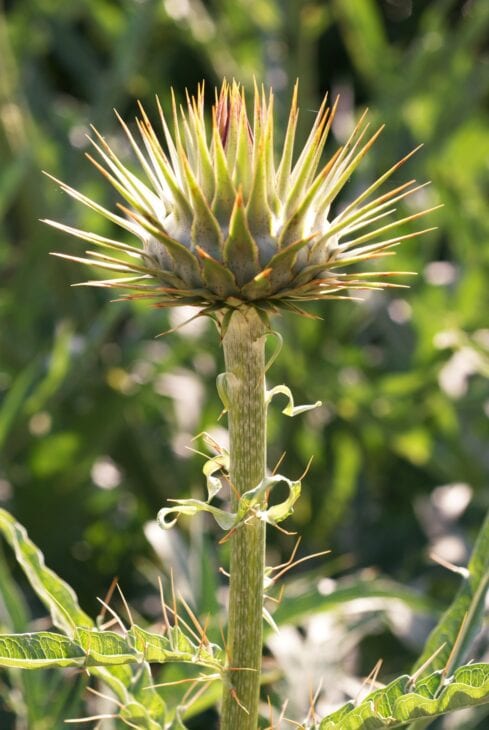
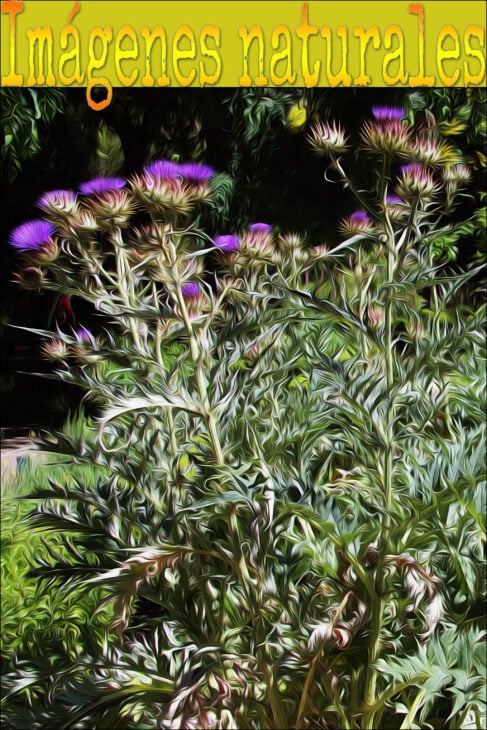
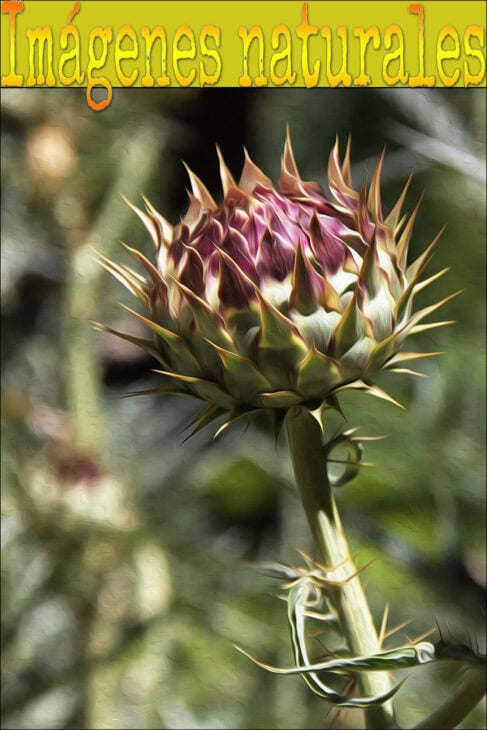
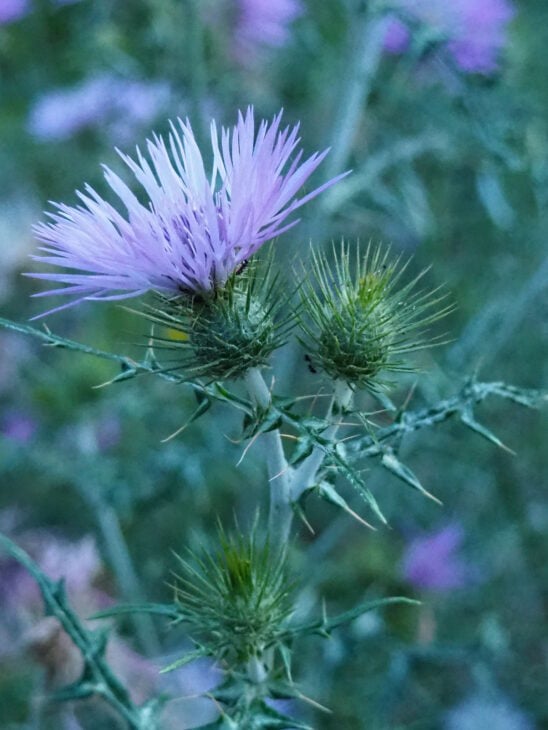
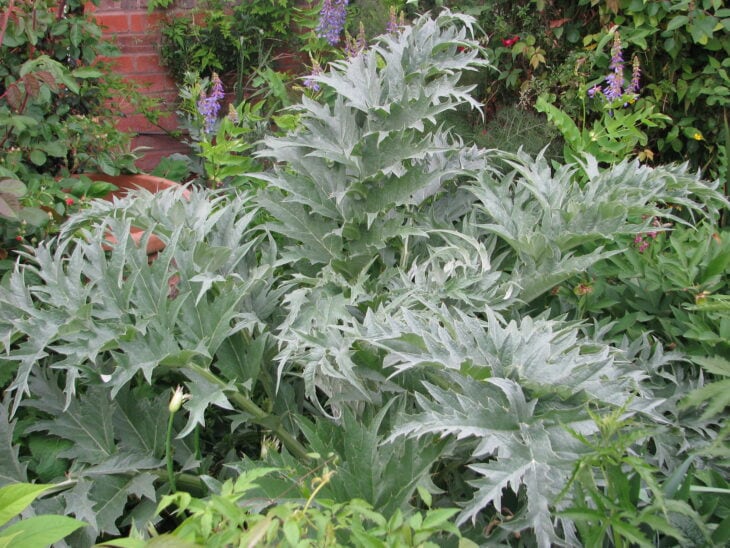
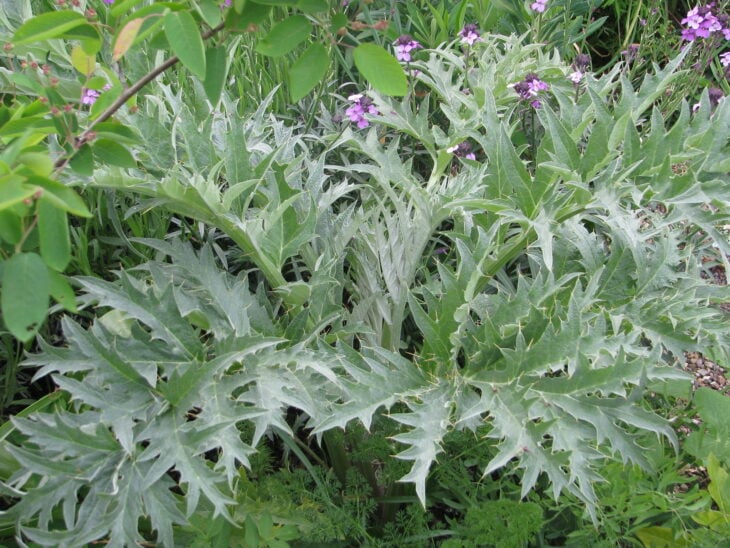
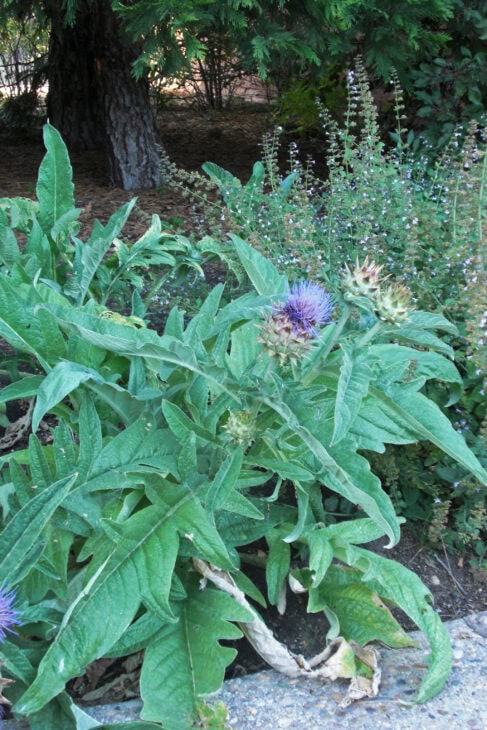
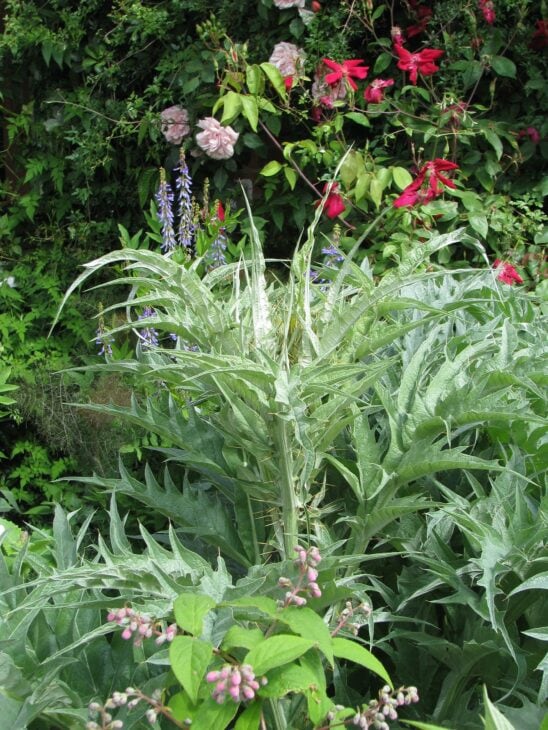
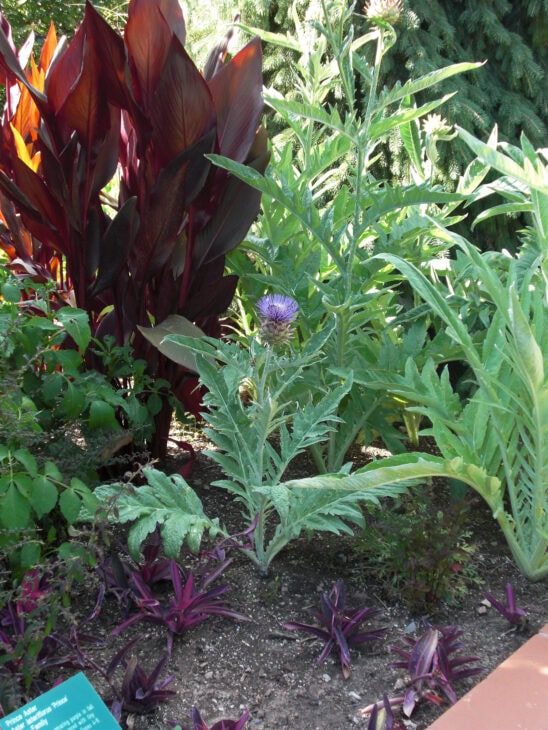
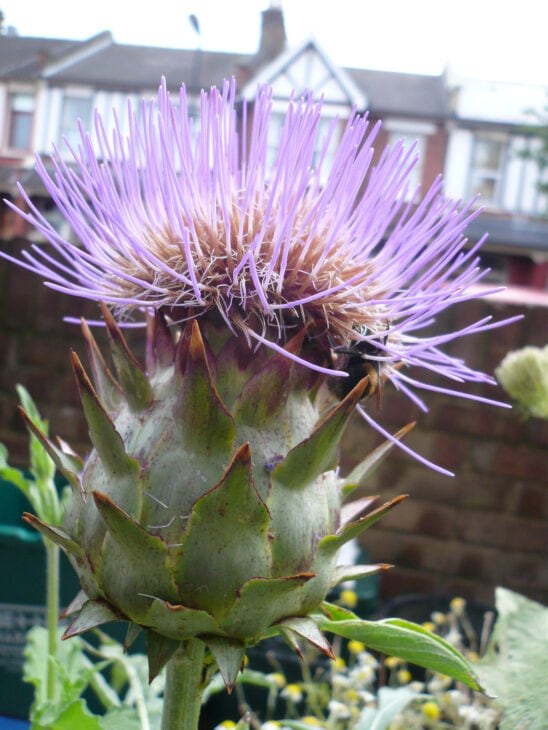
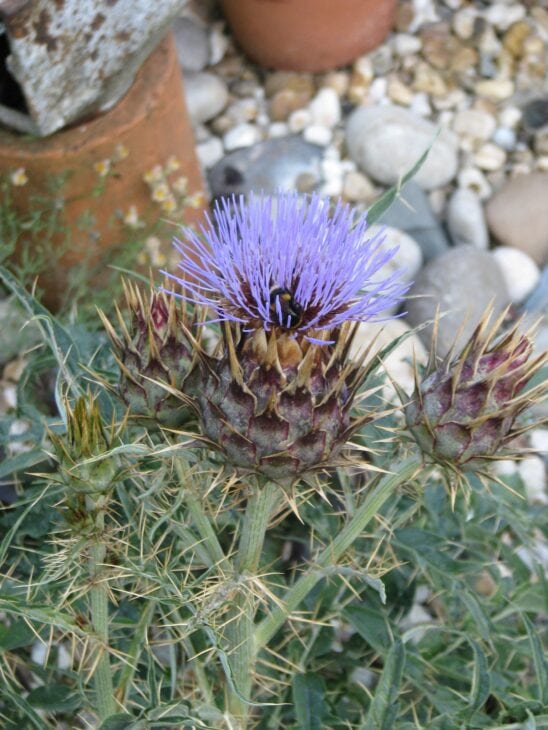
Cardoon is a perennial thistle closely related to the globe artichoke with large silver green pinnate leaves and spiny margins. Mature clumps commonly reach 4 to 6 feet tall and spread 3 to 6 feet across. Flower heads are purple and thistle like and appear in summer.
Best uses and placement
Use cardoon as a bold architectural background plant or as an edible vegetable grown for its stalks. Plant where it has space and full sun for best form and flowering. It tolerates poorer and alkaline soils but will not thrive in waterlogged sites and can naturalize in warm climates so locate it where self seeding is acceptable.
Planting and timing
Propagate from seed or establish by dividing clumps or using root cuttings and basal offsets. Division is commonly done in spring or autumn depending on local climate. Seed raised plants often need a season to reach full size so allow extra time when planning beds.
Soil light and watering
Cardoon prefers full sun and fertile well drained soil but tolerates average and poorer soils including some alkalinity. Avoid waterlogged ground because poor drainage increases risk of crown rot and winter loss. Once established plants tolerate some drought but look less vigorous in dry poor soils.
After flowering and controlling spread
Remove spent flower heads to limit self seed and to tidy clumps. Divide overcrowded plants to rejuvenate growth and reduce spread. Monitor for volunteer seedlings in warm regions and pull young plants before they set seed if naturalizing is not desired.
Propagation
Common methods are seed sown directly or started indoors, dividing established clumps, and using root cuttings or basal offsets. Division and root cuttings give faster establishment while seed grown plants may require a season to develop into large clumps.
Frequently asked questions
- How fast does Cardoon Plants grow?
- Growth rate varies with soil fertility and moisture. Plants commonly reach 4 to 6 feet tall and 3 to 6 feet wide over a growing season or two, with seed grown specimens often taking a season to reach full size.
- Are cardoons edible?
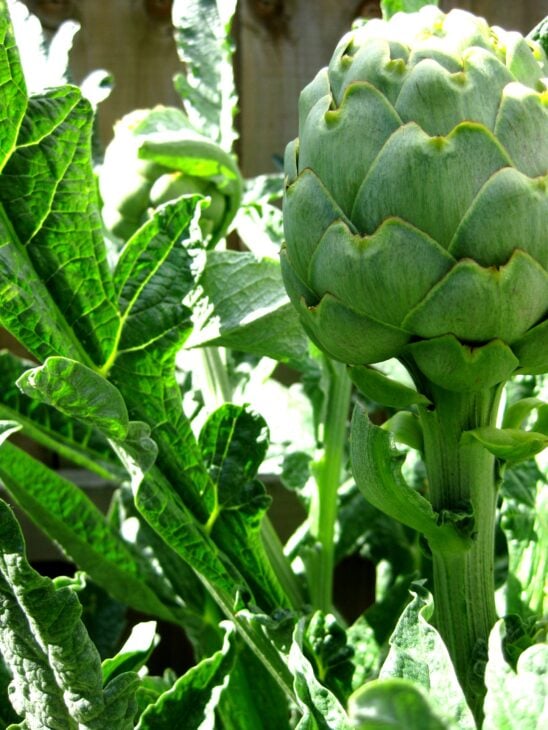
- Yes. Cardoon is cultivated for edible leaf stalks and is in the same genus as globe artichoke. Leaves are spiny so handle carefully when harvesting.
- Will cardoons spread or become invasive?
- They can self seed and may naturalize in warm climates. Check regional invasive species lists before planting and remove seed heads to reduce volunteer plants.
- What light and soil do cardoons need?
- Full sun gives best growth and flowering. They prefer fertile well drained soil but tolerate poorer and alkaline soils. Avoid sites that stay waterlogged.
- Are cardoons toxic to pets?
- Cardoon is not widely listed as toxic and is cultivated for food, but spines can cause mechanical skin irritation. Confirm safety with local poison control if pets may ingest plant material.
Gallery
Related Plants


Mentioned In (1)
Plants
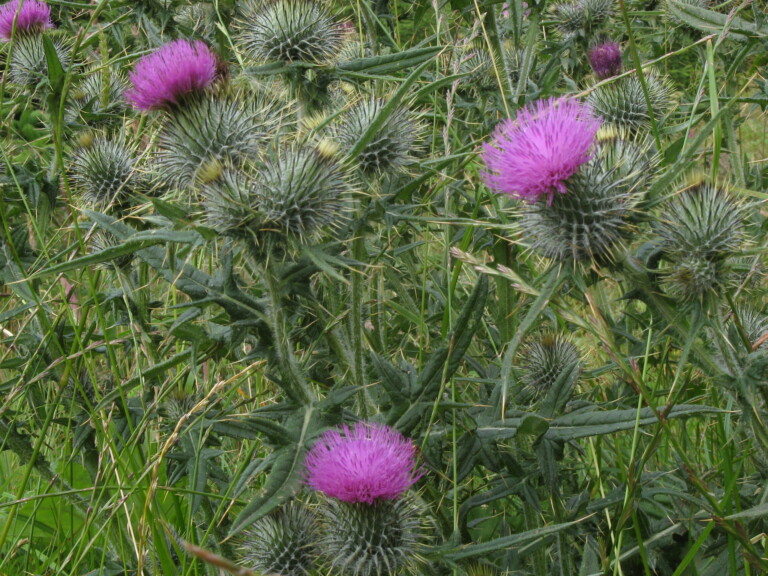
6 Plants That Look Like Thistle
Thistles are quite pretty flowering plants that are common in most gardens and can sprout without warning and without planting…