
Key Facts
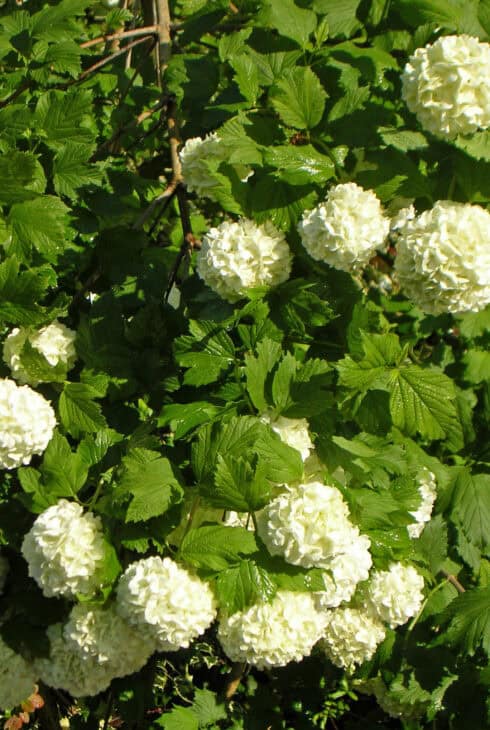
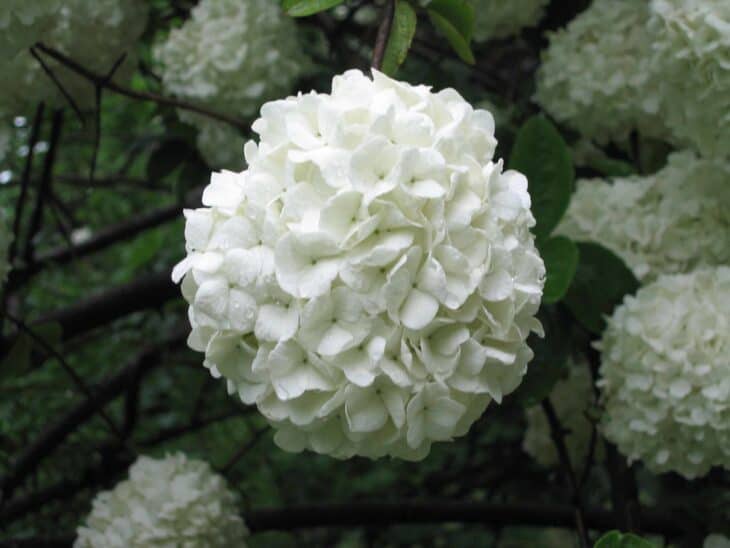
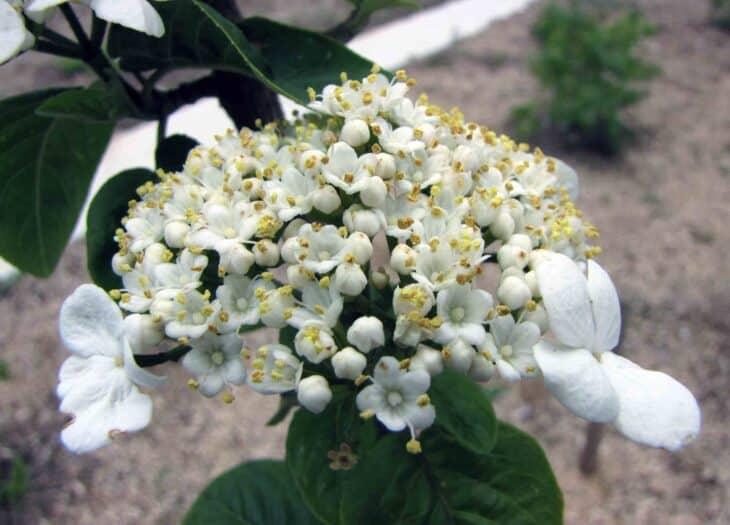
- Large deciduous shrub with showy rounded clusters of sterile white flowers.
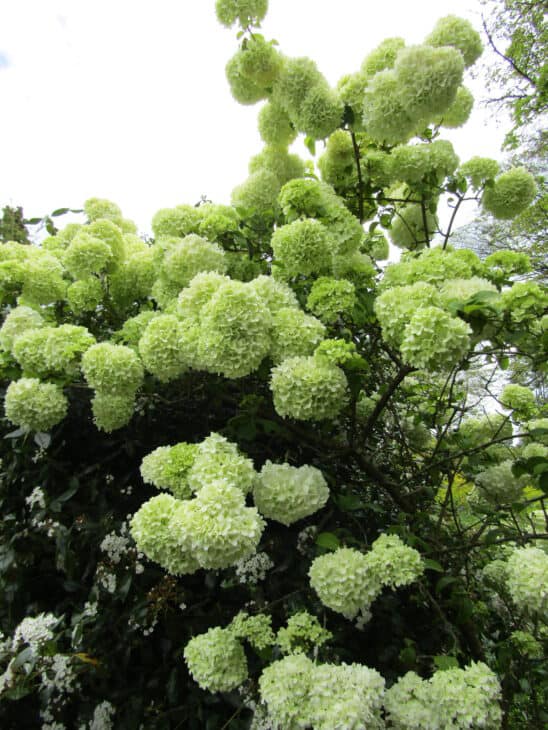
- Blooms in late spring with large snowball like flower heads.
- Grown as a specimen or informal hedge for its floral display.
- Prefers moist fertile, well drained soil but tolerates heavier soils.
- Flowers attract pollinators such as bees.
- Prune immediately after flowering to avoid removing next year buds.
- Propagated by cuttings, layering and by suckers or seed.
- Generally hardy but exact winter hardiness varies by source and cultivar.
Chinese Snowball Shrub is a large deciduous viburnum valued for globe shaped white flower clusters in late spring and used as a specimen or informal hedge for dramatic seasonal impact. It prefers moist fertile, well drained soil and performs best in full sun to part shade with some afternoon shade in hot climates.
Identification
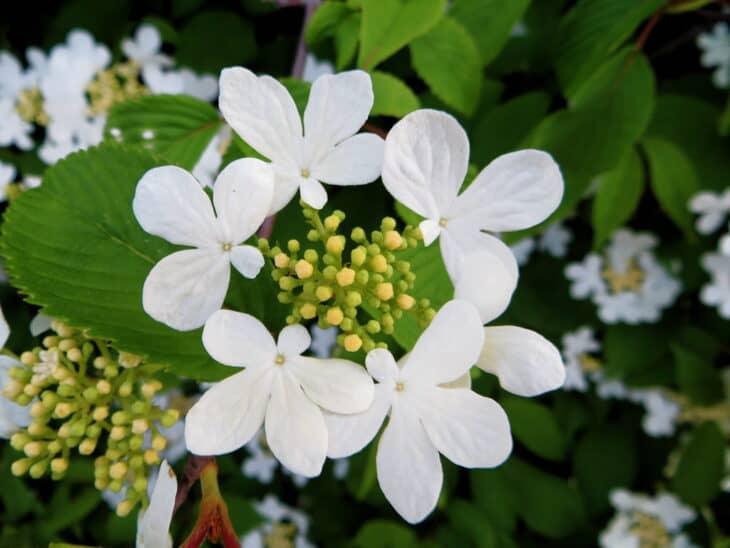
Viburnum macrocephalum forms a multistemmed shrub reaching roughly 10 to 15 feet tall with an 8 to 15 foot spread. It is best recognized by large, rounded clusters of sterile white flowers that appear in late spring and resemble snowballs. Leaves are deciduous and the plant can sucker over time.
Where to grow and best uses
Use the Chinese Snowball Shrub as a focal specimen, flowering screen or an informal hedge where late spring flowers are desired. It attracts pollinators such as bees while providing structure in mixed borders. Avoid planting where persistent waterlogging occurs because roots prefer moist but well drained soil.
Planting and spacing
Allow room for a mature spread of 8 to 15 feet when siting specimens or hedges. Plant at the same depth the shrub grew in its container and firm soil around roots to remove air pockets. Mulch to conserve moisture but keep mulch away from the trunk to reduce rot risk.
Soil light and watering
Grow in moist, fertile, well drained soil that tolerates heavier clay and a pH roughly between 5.5 and 7.5. Full sun or part shade is best with morning sun and afternoon shade in hot climates to reduce leaf scorch. Avoid drought stress to maintain flowering and avoid persistently waterlogged conditions that cause root decline.
After-flowering care and pruning
Prune immediately after flowering to shape the shrub and remove spent flowering stems because later pruning removes next season’s flower buds. Remove dead wood and thin crowded stems to improve air circulation. For hedges monitor and trim suckers to maintain form.
Propagation and controlling spread
Propagate by softwood to semi hardwood cuttings, layering or by dividing suckers; seed can be used but may not be true to a named cultivar. The shrub can spread by suckering and layering, so remove unwanted shoots at the base and cut roots back to control naturalizing in the landscape.
Hardiness and bloom timing
Hardiness is commonly cited as USDA zones 6 to 9 with variation by cultivar and site; colder areas near the minimum may see winter dieback. Bloom occurs in late spring, typically May in the Northern Hemisphere, with exact timing shifting by local climate.
Toxicity and wildlife value
Viburnum species are generally regarded as non toxic to cats and dogs though berries can cause mild stomach upset if eaten. Flowers attract pollinators such as bees. Confirm pet and child safety with a local poison control or authoritative source before asserting toxicity for a specific site.
Frequently asked questions
- How fast does Chinese Snowball Shrub grow?
- Growth rate varies with soil, water and climate but it often reaches 10 to 15 feet over several years with moderate to vigorous growth in fertile sites.
- When does it bloom?
- It blooms in late spring, commonly in May in the Northern Hemisphere, though timing shifts by local climate.
- How and when should I prune?
- Prune immediately after flowering to avoid cutting next year buds and to shape the shrub. Remove dead wood and thin crowded stems as needed.
- Will it spread or sucker?
- Yes it can spread by suckers and layering. Monitor and remove basal shoots or root suckers to prevent unwanted expansion.
- Are the berries poisonous to pets?
- Viburnum is generally listed as non toxic to cats and dogs but berries can cause mild gastrointestinal upset. Check a local poison control source for definitive guidance.
Gallery
Mentioned In (1)

Plants
17 Plants That Look Like Hydrangeas
The plants that look most like hydrangeas are the viburnums. Chinese snowball, Japanese snowball and the European snowball bush all…