
Key Facts
- Deciduous woody twining vine native to eastern North America.
- Produces small yellowish spring flowers in clusters.
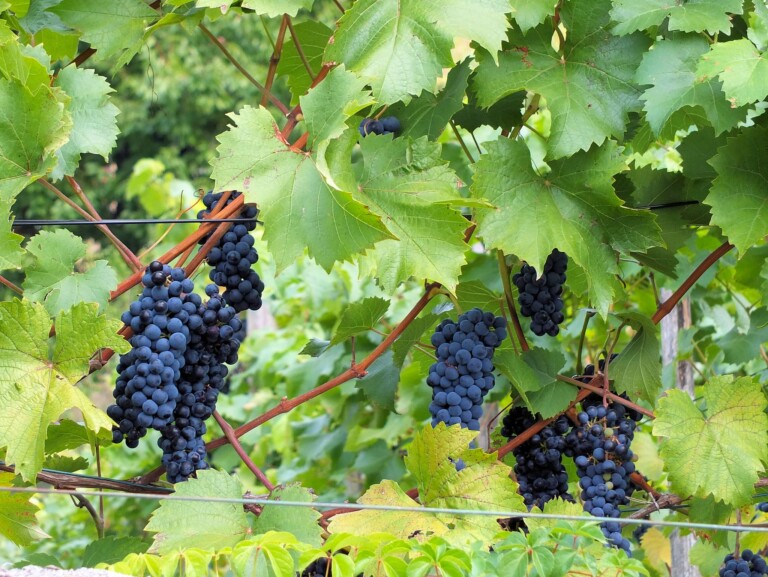
- Forms dark purple to black grape-like drupes that are poisonous.
- Often found in moist woods, thickets, and along streambanks.
- Can climb trees and shrubs and form dense tangles.
- Propagates naturally by seed and can spread vegetatively.
Menispermum canadense or Common Moonseed is a deciduous, twining woody vine native to eastern North America. It produces small yellowish spring flowers and dark purple to black grape-like drupes that are poisonous, so placement and management matter.
Identification
Recognize Common Moonseed as a woody climber that twines around supports and nearby plants. It flowers in late spring to early summer and sets grape-like drupes that ripen to dark purple or black. Vines commonly reach 10 to 20 feet in length and can sprawl several feet across surrounding vegetation.
Where to grow and best uses
Common Moonseed is found naturally in moist woods, thickets and along streambanks and performs best in partial to full shade. Use it as a native woody climber to add vertical cover in shady, damp areas where a vigorous, natural screen is acceptable. Avoid planting where children or pets might access the fruit.
Planting and seasonal notes
Blooming typically occurs in late spring to early summer, commonly May to June in many regions. Choose a moist, humus-rich site with good light filtration for best performance. The vine tolerates a range of soils from loam to heavier clay but will do poorly in consistently dry locations.
Watering and soil
Keep soil evenly moist to encourage steady growth. In full sun provide reliable moisture or the plant will show stress. Poor drainage combined with heavy shade can lead to decline from root problems, while consistently dry soils limit establishment and spread.
After-flowering care and controlling spread
Common Moonseed spreads by seed and vegetatively and can form dense tangles over time. Control measures include cutting back and removing vines before they set fruit, pulling or digging out young shoots and removing root fragments. Because the berries are poisonous, handle fruiting material with gloves and dispose of it where seed cannot escape.
Propagation
In natural settings the species reproduces by seed and can also spread through layering and vegetative shoots. Transplanting established shoots or dividing colonies are other commonly reported methods of establishing new plants.
Frequently asked questions
- How fast does Common Moonseed grow?
- The vine can reach its typical 10 to 20 foot length over a few seasons in moist, favorable sites and will expand more slowly in colder or drier conditions.
- Are the berries poisonous?
- Yes. The dark purple to black drupes resemble grapes but are considered poisonous to people and pets. Avoid ingestion and wear gloves when handling fruiting material.
- Where does Common Moonseed grow best?
- It grows best in partial to full shade with moist, humus-rich soil and is commonly found in woods, thickets and along streambanks. It tolerates a range of soils including heavier clay.
- Can it damage trees or structures?
- The vine twines around trees and shrubs and can form dense tangles that shade and stress host plants. Monitor and prune to prevent smothering desirable vegetation.
- How do I control its spread?
- Remove fruiting clusters and seedlings, cut back and pull vines including roots, and dispose of material carefully to reduce seed spread. Regular monitoring is the most effective control.
Related Plants


Mentioned In (2)
Plants
5 Plants That Look Like Grapes
Grapes have been growing on Earth for approximately sixty-five million years, and humans have cultivated them for over eight thousand…

Plants
14 Poisonous Plants in West Virginia
West Virginia is a great area to get in tune with nature because of its lush forests, rivers, and plentiful…