
Key Facts
- Native to western North America.
- Grows as a multi-stemmed small tree or large shrub.
- Produces small yellowish spring flowers followed by winged samaras.
- Common in montane and subalpine forests and on rocky slopes.
- Often used for erosion control and wildlife cover.
- Tolerates dry, rocky, and nutrient-poor soils once established.
- Prefers well drained soils and can suffer in poorly drained sites.
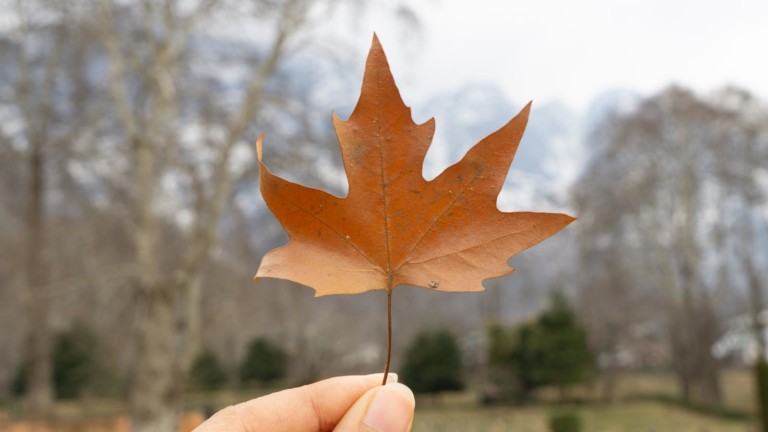
- Leaf color can turn orange to red in fall.
- Can spread by suckering in some sites.
Douglas Maple is a small native maple from western North America that grows as a multi stemmed shrub or a small tree. It produces small yellowish spring flowers and winged samaras and is valued for erosion control and wildlife cover on rocky, well drained sites.
Identification
Leaves are typical maple shapes and turn orange to red in fall, giving reliable seasonal color. Plants appear as multi stemmed shrubs or small trees typically 10 to 30 feet tall with an 8 to 25 foot spread. Spring brings small yellowish flowers that develop into paired winged samaras.
Best uses and where to grow
Use Douglas Maple for naturalized hedging, slope stabilization and wildlife cover on montane or rocky sites where drainage is good. It thrives in western North American climates and suits steep banks and poor soils that many ornamental trees cannot tolerate, though warm low elevation sites may stress the plant.
Planting time and spacing
Choose a planting time when soil is workable and not waterlogged rather than a fixed month. Allow spacing that matches the expected spread, generally 8 to 25 feet depending on whether you want a single specimen or a thicket from suckering. Avoid poorly drained spots where root decline can occur.
Soil light and watering
Douglas Maple prefers well drained loam to rocky soils and tolerates dry, nutrient poor sites once established. It performs in full sun to part shade with afternoon shade beneficial in hot low elevation locations. Poor drainage causes root decline and weak growth, while established plants endure seasonal dryness.
After flowering and pruning
After spring flowering, light pruning maintains shape and removes crossing or dead stems while preserving the multistemmed habit that suits exposed sites. Coppicing can produce new stems where desired. Avoid heavy pruning in winter prone to dieback at colder, exposed sites.
Controlling spread and suckers
Some populations spread by suckering and can form thickets when left unchecked. Remove basal suckers promptly to maintain a single specimen or thin a group to preserve airflow and vigor. For erosion control allow naturalizing growth but expect wider spread over time.
Propagation and maintenance
Propagation by seed and by suckering are common. Seed benefits from cold stratification and coppicing produces vigorous regrowth. Hardwood cuttings or layering may work but results vary by clone. Monitor for site suitability and avoid waterlogged soils to reduce maintenance needs.
Frequently asked questions
- How fast does Douglas Maple grow?
- Growth rate varies with site and elevation. Cold high elevation sites favor slower growth and a shrub form while sheltered lower elevation sites can produce a taller small tree relatively faster.
- Can Douglas Maple become invasive?
- It can spread by suckering in some sites and form thickets. Manage basal shoots if you want a single specimen or allow naturalizing growth for erosion control and wildlife habitat.
- Are the leaves toxic to horses and pets?
- No widely reported toxicity to people or common pets is known. Some maple species can cause problems for horses when wilted leaves are eaten so verify species specific risk for livestock locally.
- What soils does it tolerate?
- Prefers well drained loam to rocky soils and tolerates dry, nutrient poor conditions once established. Prolonged wet or poorly drained soils cause root decline and poor vigor.
- How do I propagate Douglas Maple?
- Propagate by seed with cold stratification or by allowing or transplanting suckers. Coppicing regenerates stems. Cuttings and layering are possible but success varies by clone and technique.
Related Plants


Mentioned In (9)

Trees
7 Trees Similar To Japanese Maple
Japanese maples have been cultivated for centuries as ornamental trees. Only growing to around 3 to 6 feet tall, their…
Trees
28 Most Common Trees in Utah
The state of Utah is hailed to have a lot of beautiful trees which creates a stunning landscape all over…
Maple
5 Types of Maple Trees in Washington State
Are you thinking of planting a striking Maple Tree in your garden? Well, you will be pleased to know that…
Maple
5 Different Types Of Maple Trees in Idaho
From the Canadian border to the state's southern border, Idaho boasts 21.5 million acres of forest land. Northern Idaho has…
Maple
4 Types Of Maple Trees in California
There are over 100 species of maple trees, which fall into the genus Acer. They can be found all over…

Maple
7 Types Of Maple Trees In British Columbia
British Columbia is blessed with scenic landscapes covered with attractive evergreen and deciduous trees, loved for their spectacular fall foliage.…
Maple
12 Common Types of Maple Trees in Canada
There are more than 100 Maple tree species across the world. Canada is home to some of the most popular…

Maple
42 Common Types of maple trees Growing in the USA (photos)
Maple trees are quite common in the United States, so regardless of which state you visit, it’s very likely you’ll…

Trees
20 Different Types of Hardwood Trees
Hardwood trees are usually sought after by those who wish to make strong, sturdy furniture and other items so it…