
Key Facts
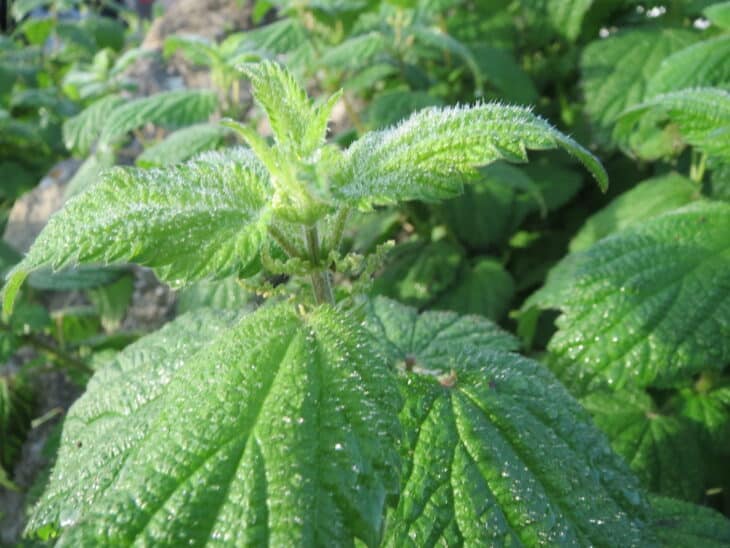
- Herbaceous perennial with stinging hairs on leaves and stems.
- Spreads by rhizomes and can form dense colonies.
- Typically upright stems reaching about 2–5 ft (60–150 cm).
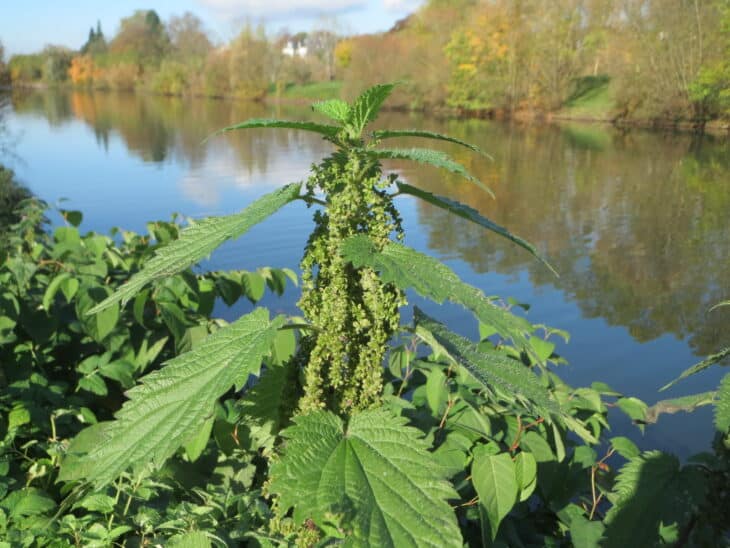
- Small greenish flowers appear in drooping clusters in late spring to summer.
- Prefers moist fertile soils but tolerates a wide range of conditions.
- Grows in full sun to part shade and often favors nitrogen rich sites.
- Leaves and shoots are edible when cooked but hairs cause skin irritation if handled raw.
- Can be persistent or invasive where conditions are favorable.
Great Nettle (Urtica dioica) is a hardy perennial herb with stinging hairs that commonly forms dense colonies. It favors moist fertile soil and produces small greenish flowers in drooping clusters from late spring into summer.
Identification
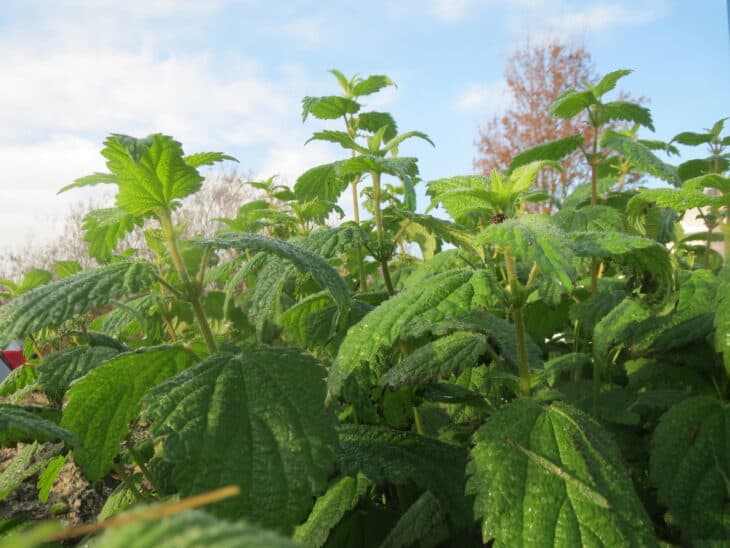
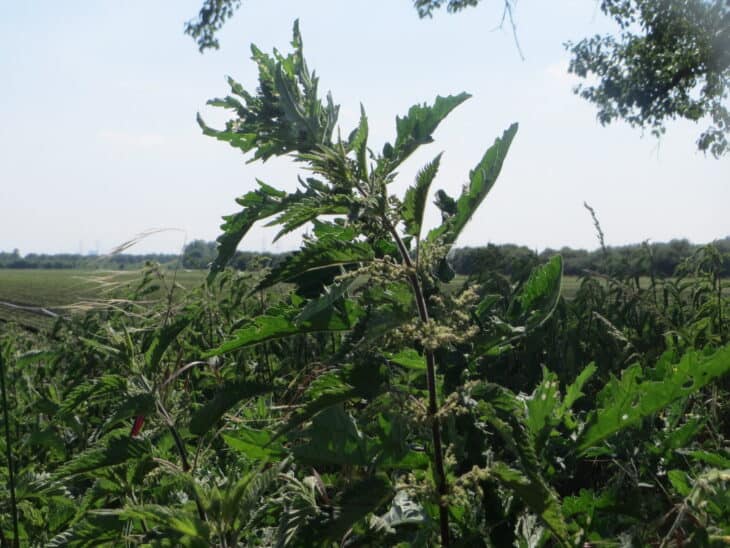
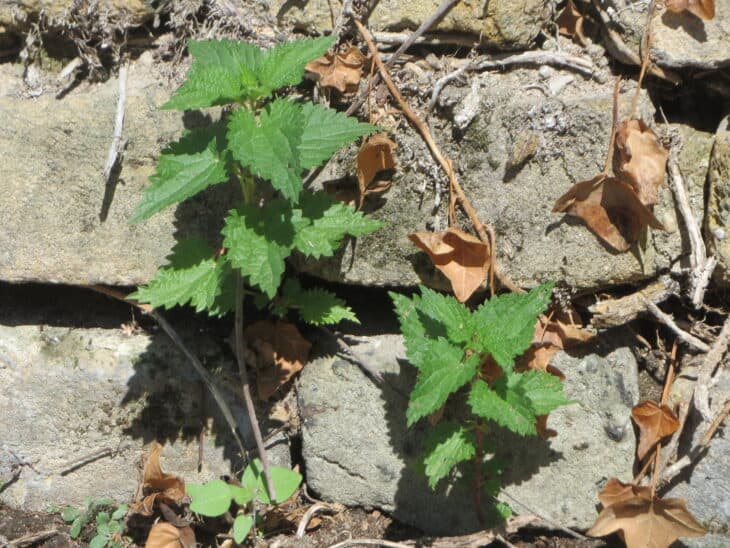
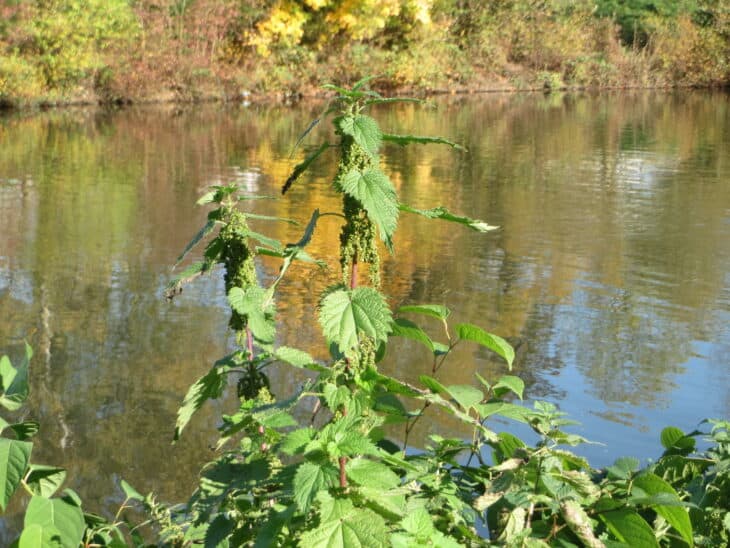
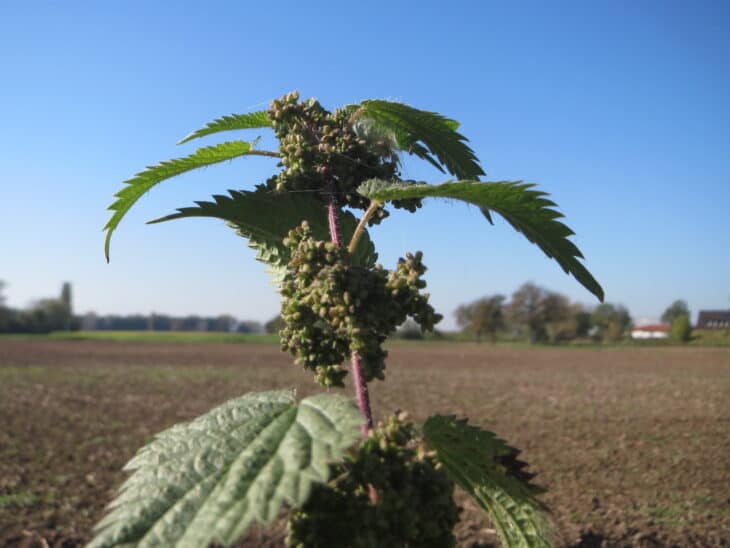
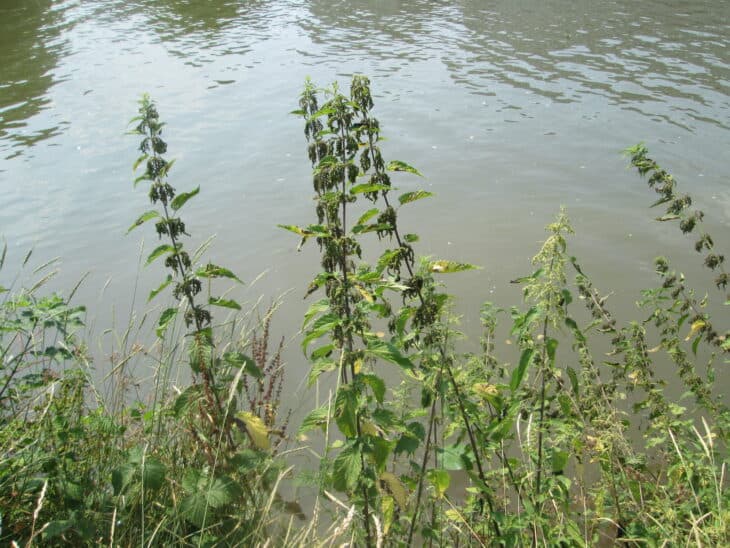
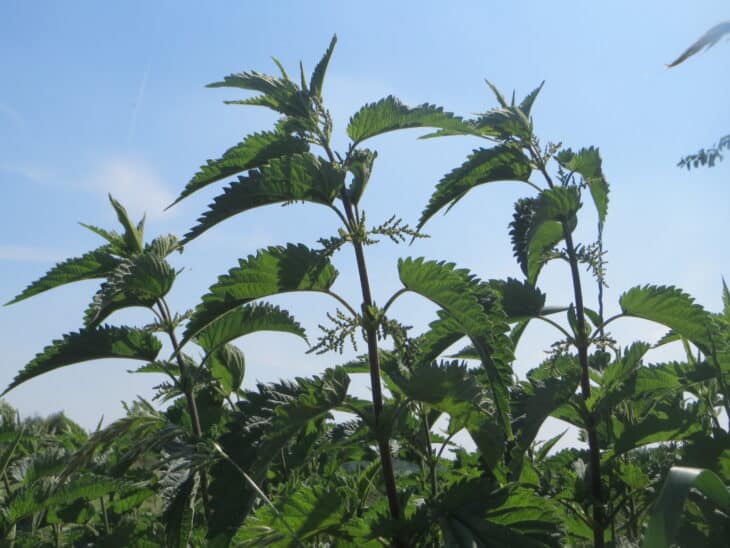
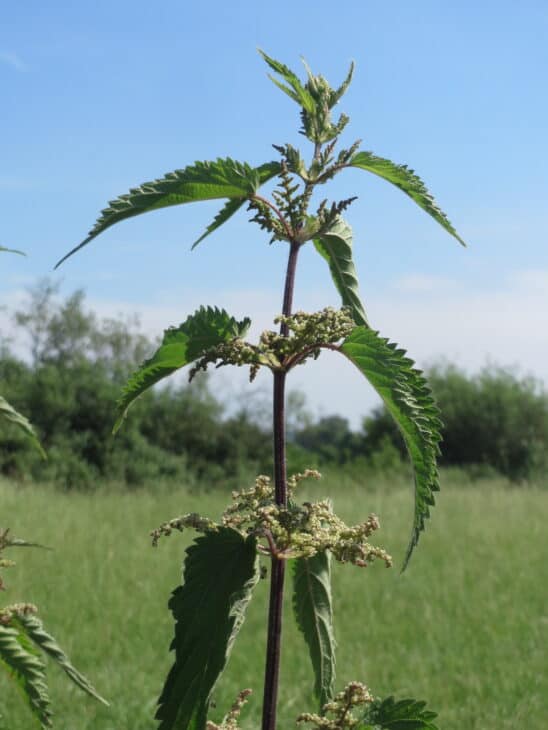
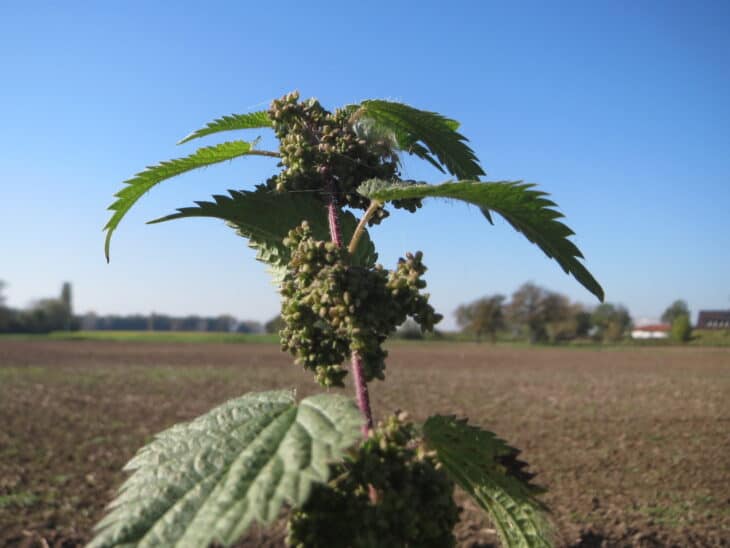
Urtica dioica has upright stems that typically reach about 25 ft 60150 cm. Leaves and stems carry stinging hairs that cause immediate skin irritation on contact. Flowers are small, greenish and hang in drooping clusters during the late spring and summer months.
Where to grow and best uses
Grow Great Nettle in moist, fertile spots in full sun to part shade where its colony-forming habit fits the landscape. It works well in wild or naturalized areas and along sheltered edges where nitrogen rich soils support vigorous growth. Tradeoff: it provides cover and wildlife forage but can be persistent or invasive where conditions are favorable.
Soil light and hardiness
Great Nettle prefers moist fertile, well drained soils but tolerates a wide range of soil types. Plants do poorly in permanently waterlogged sites and may be stunted in very dry compacted soil. It tolerates full sun to part shade and performs best where moisture and fertility are adequate. In temperate climates it is generally hardy to about USDA zones 3 to 9.
Planting and propagation
Propagate by seed or by dividing rhizomes and rootstock. New plants also establish from root fragments left in the soil. For practical work such as dividing or transplanting choose a time when the soil is workable and plants can reestablish their roots.
Watering and expected effects
Keep plants evenly moist for vigorous growth. In moist fertile sites nettles spread quickly and form dense stands. Dry conditions lead to smaller, less vigorous plants. Excessive waterlogging reduces vigor rather than encouraging growth.
After-flowering care and management
Cutting flower stalks before seed set reduces self-seeding and can limit spread. To remove an unwanted patch dig out rhizomes thoroughly because root fragments resprout. Repeated cutting or mowing will weaken colonies over time but may be required for several seasons.
Edibility and safety
Leaves and young shoots are edible when cooked and lose their sting with heat or drying. Raw handling causes painful stings and skin irritation. For pet or child exposure consult local poison control or veterinary resources for specific guidance.
Control and invasiveness
Great Nettle spreads by underground rhizomes and can form dense colonies that crowd other plants. Manage spread by removing rhizomes, cleaning soil of root fragments after digging and cutting growth back repeatedly until the root system weakens. Consider containment or choosing a different plant where aggressive spread is unacceptable.
Frequently asked questions
- How fast does Great Nettle grow?
- Growth rate varies with site fertility and moisture. In moist, fertile ground it can spread rapidly by rhizomes and form dense colonies within a few seasons; in poorer or drier sites spread is slower.
- When does Great Nettle flower?
- Flowers appear in late spring into summer. In temperate Northern Hemisphere locations this often falls between May and August, with local timing varying by climate.
- Can I eat Great Nettle?
- Yes, leaves and shoots are edible when cooked or dried to remove the stinging hairs. Avoid raw handling without protective gloves.
- Is Great Nettle poisonous to pets?
- Stinging hairs cause local irritation. It is not widely listed as systemically toxic but check local poison control or the ASPCA database for definitive pet safety information.
- What is the best way to control spread?
- Remove rhizomes and root fragments when digging, cut back flowering stems before seeds set and use repeated mowing or cutting to weaken colonies. Persistent monitoring is needed because roots can resprout.
Gallery
Related Plants


Mentioned In (15)

Plants
9 Plants That Look Like Basil
There are many types of basil worldwide. All of them are edible and differ in color, leaf shape, and taste.…

Plants
23 Poisonous Plants in Georgia
In Georgia, you do not only have to worry about dangerous pests that may be destroying your yard. Instead, you…

Plants
22 Poisonous Plants in Idaho
There are several beautiful types of plants in Idaho that can be dangerous or even fatal to touch or eat.…
Plants
25 Poisonous Plants in Washington State
Native and imported plants are abundantly found in Washington State. Animals and humans should avoid eating these plants since they…

Plants
25 Poisonous Plants in Illinois
Want to increase your knowledge of the poisonous plants in Illinois? The Prairie State is home to a large variety…

Plants
24 Poisonous Plants in Tennessee
Interested in learning about the poisonous plants in Tennessee to protect yourself when hiking the great outdoors in the state?…

Plants
14 Poisonous Plants in South Carolina
South Carolina is blessed with a vast array of some of the most stunning flora and fauna, with vivid hues…

Plants
22 Poisonous Plants in Iowa
Hikers in Iowas must constantly be aware of the possibility of disaster in a natural environment, even if they are…
Plants
16 Poisonous Plants in Maine
There are thousands of poisonous plant species in the world, and some might even be in your backyard, locality, city,…

Plants
14 Poisonous Plants in New York
You may find a variety of plants lurking in backyards, fields, forested areas, and hiking trails throughout New York. While…

Plants
24 Poisonous Plants in Indiana
There are numerous advantages to having plants around, including the ability to beautify our surroundings while also serving as sources…
Plants
20 Poisonous Plants in Minnesota
The presence of vegetation contributes to the survival of life. In our regular diet, we consume a variety of plants,…

Plants
12 Poisonous Plants in Oregon
There are numerous poisonous plants in the state of Oregon. They can be toxic to both animals and humans. Other…
Plants
22 Poisonous Plants in Michigan
Known for its beautiful outdoor adventures, tourists and locals love spending their time hiking in Michigan. The weather is always…
Plants
21 Poisonous Plants in Wisconsin
Wisconsin has an abundant variety of flora, and summer is a great time to explore it all! If you love…