
Key Facts
- Genus Crepis is a group of herbaceous plants in the aster family.
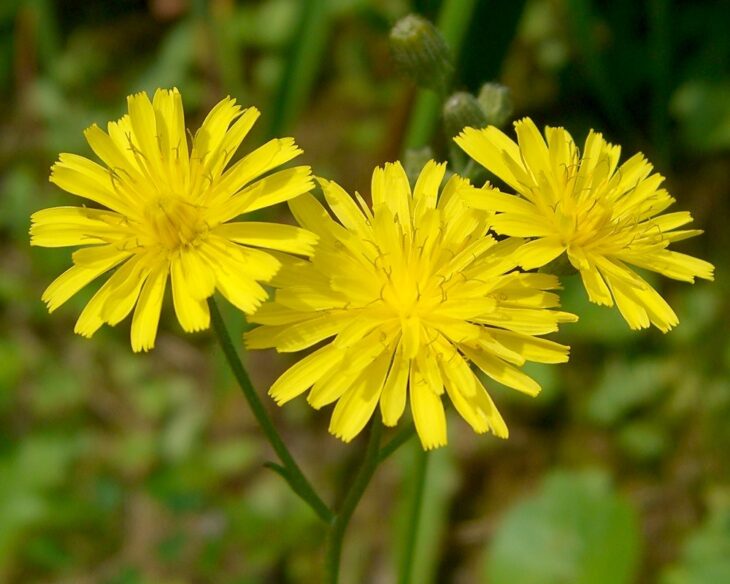
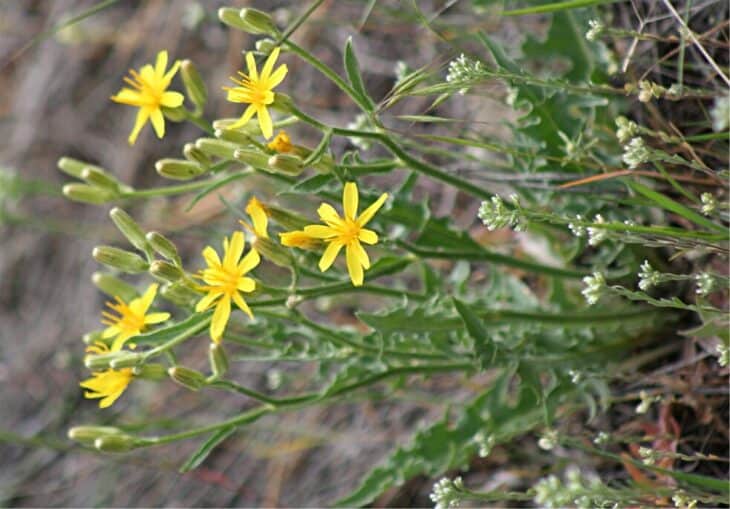
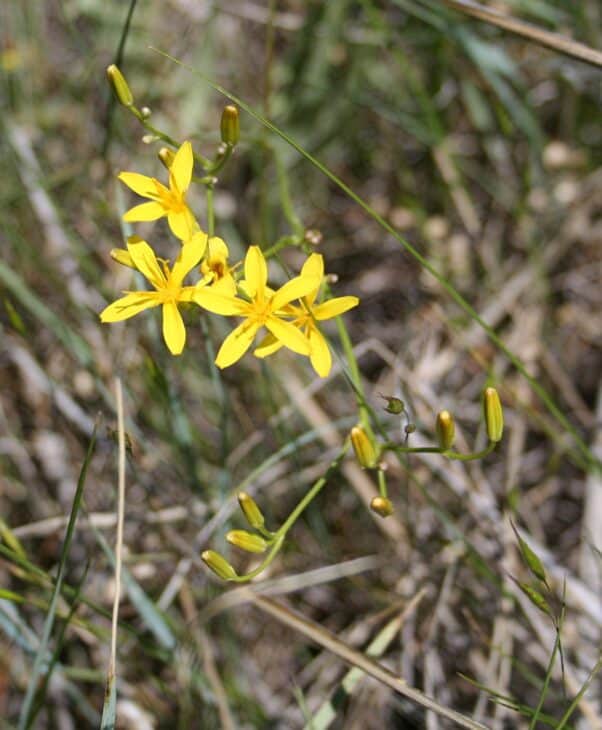
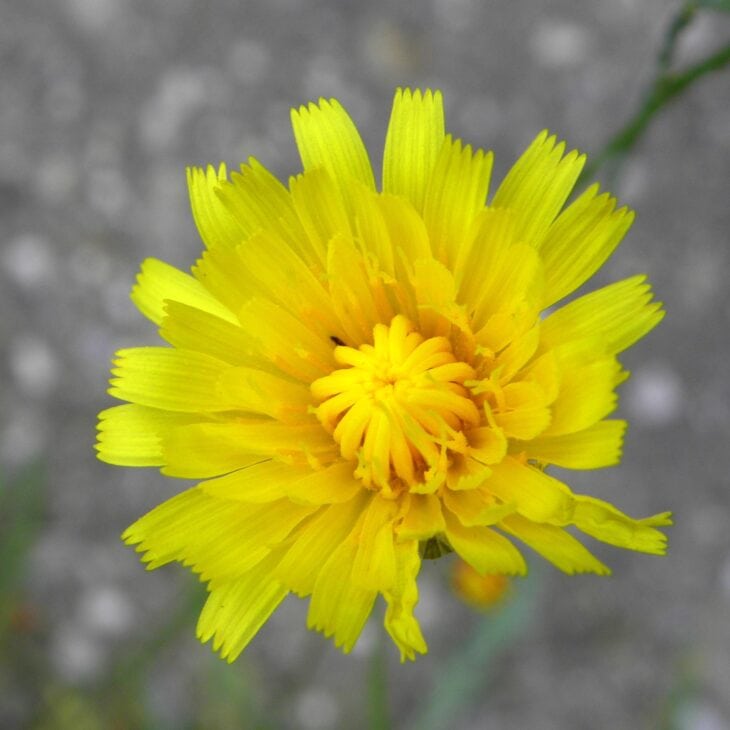
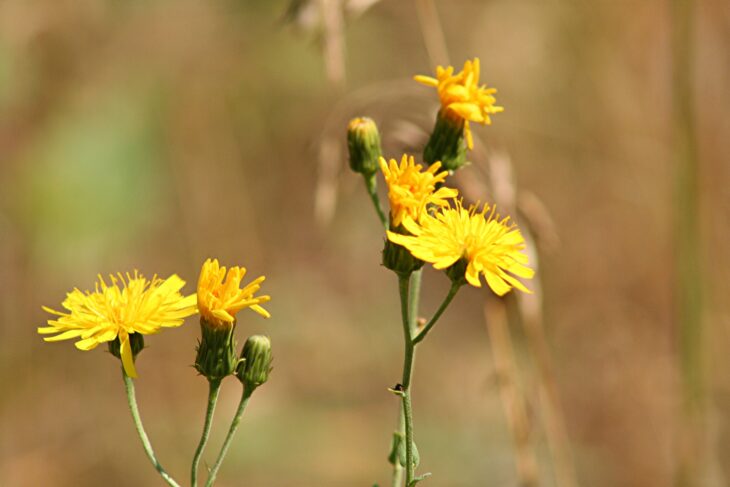
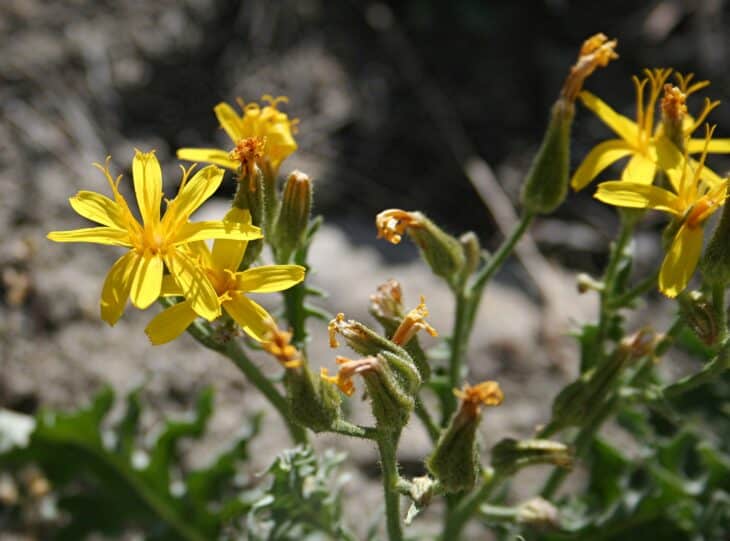
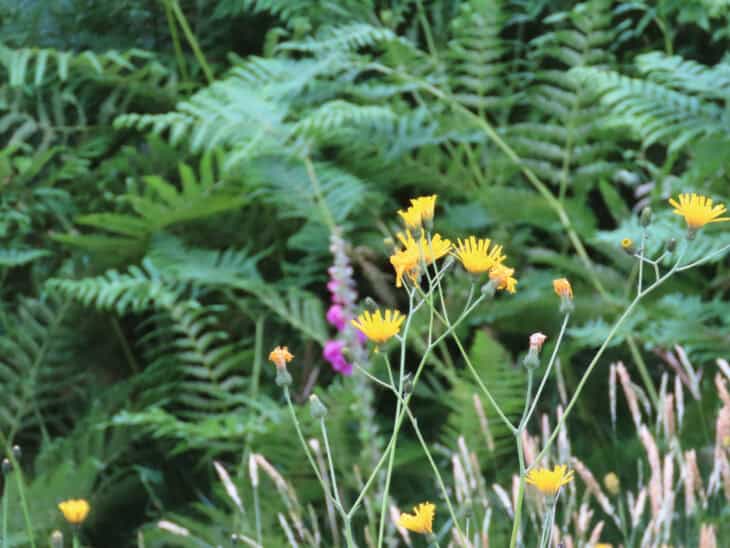
- Flower heads are usually yellow and dandelion like with only ligulate florets.
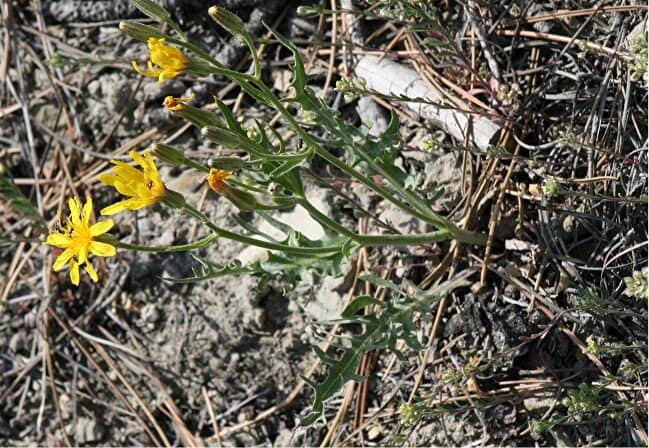
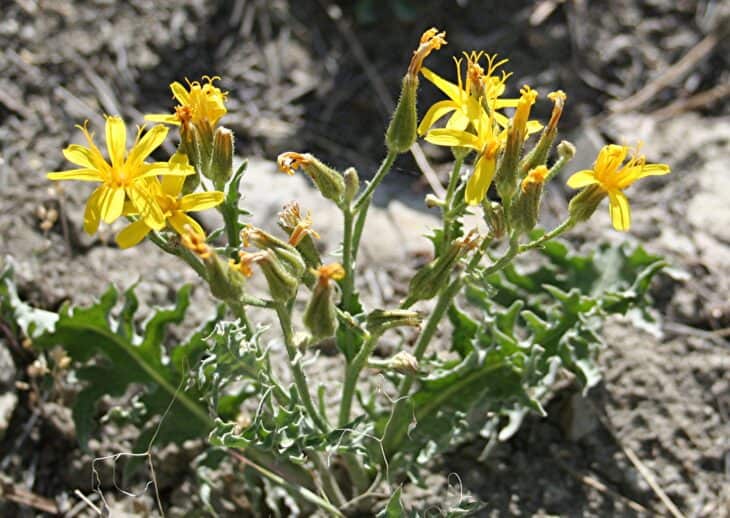
- Plants commonly form a basal rosette of leaves and produce one or more flowering stems.
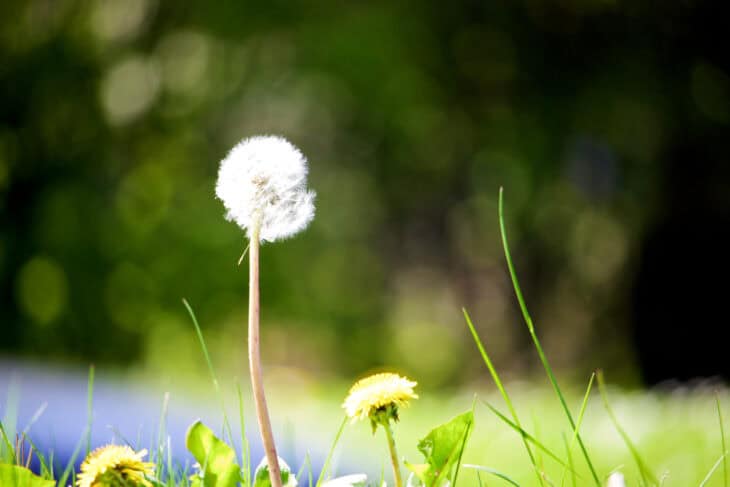
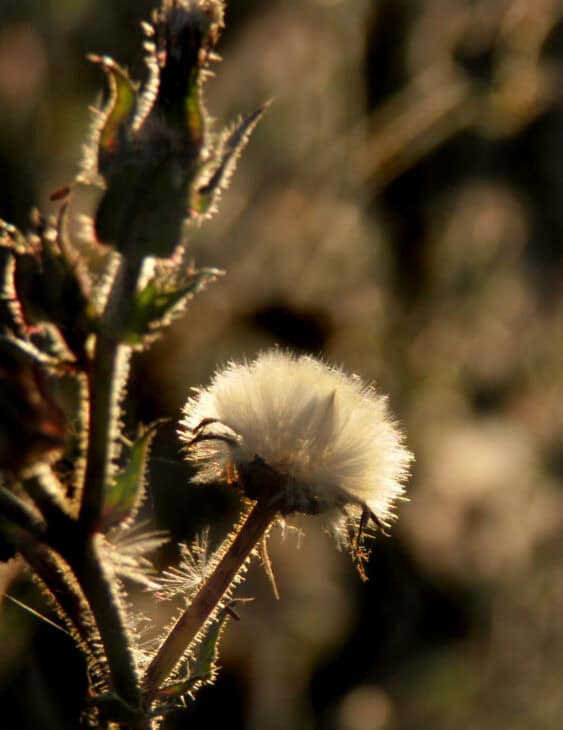
- Fruits are achenes with a pappus that promotes wind dispersal.
- Many species are native to temperate regions of the northern hemisphere.
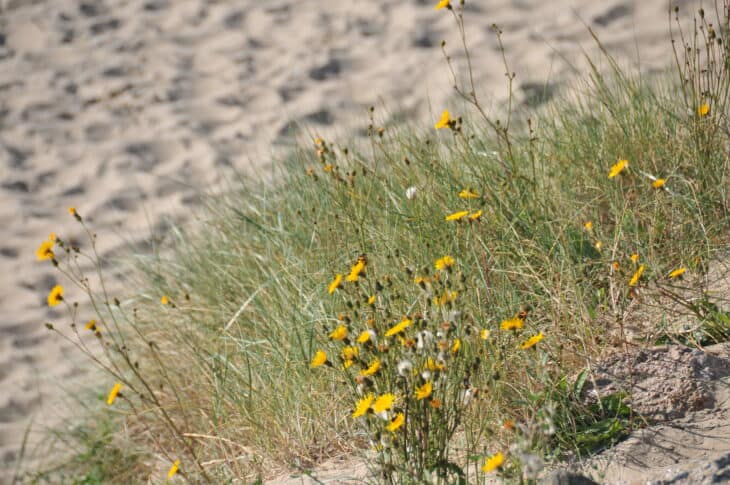
- Several Crepis species behave as self seeding weeds in disturbed sites.
- Soil tolerance is broad but plants prefer well drained conditions.
- Propagation is primarily by seed.
Hawksbeard is a group of herbaceous asters with yellow dandelion like flower heads that are useful for naturalizing open sunny sites but several species self seed and can behave like weeds. Plants form a basal rosette and then one or more flowering stems topped with ligulate florets.
Identification
Flower heads are usually yellow and resemble small dandelions with only ligulate florets. Plants commonly make a basal rosette of leaves and send up flowering stems. Typical height varies by species from about 4 to 24 inches and spread is often a similar rosette or clump size. Fruits are achenes with a pappus that promotes wind dispersal.
Where to grow and best uses
Many Crepis species do best in full sun or partial shade in well drained soil and tolerate lean or dry conditions. At the genus level the plants are generally suited to USDA zones 4 to 9 depending on species. Use hawksbeard for naturalized wildflower patches or lean sites where low maintenance and self seeding are acceptable, but expect colonies to form in disturbed or open areas.
Planting and basic care
Propagation is primarily by seed. Sow when local conditions support seed germination or introduce plants by transplanting rosettes in areas where that is practical. Bright sites favor flowering and poor drainage leads to root problems and reduced vigor. These plants tolerate dry periods once established and need little fertilizer.
After flowering and limiting spread
Spent flower heads produce wind dispersed seed that can renew populations. Deadhead or collect seed to limit self seeding. Pull seedlings when they are small to prevent colonies from forming. Cutting back flower stems after bloom reduces seed set and helps contain spread.
Propagation notes
Fruits are achenes with a pappus adapted for wind dispersal so seed moves readily. Some species can be established by transplanting rosettes, but most introductions are from seed. Self seeding makes hawksbeard persistent in appropriate sites.
Frequently asked questions
- How fast does Hawksbeard grow?
- Growth rate varies by species and conditions. Many form a basal rosette and produce flowering stems within a single season, and self seeding can create noticeable new plants the following year.
- Is Hawksbeard invasive?
- Several species behave as self seeding weeds in disturbed sites and can naturalize quickly. Invasiveness depends on the species and local conditions.
- Where will Hawksbeard spread most easily?
- Open sunny disturbed areas with well drained soil are most likely to support spread because seed establishes readily in exposed soil.
- Is Hawksbeard toxic to pets?
- No major toxicity is widely reported at the genus level but toxicity information varies by species so verify with local poison control for specific cases.
- How do I stop Hawksbeard from reseeding?
- Remove spent flower heads, collect seed before dispersal and pull young seedlings. Replacing bare ground with a dense planting or mulch reduces opportunities for seed to establish.
- Can Hawksbeard be grown in containers?
- Some small species may suit containers if the site is sunny and drainage is excellent. Suitability depends on the species chosen.
Gallery
Mentioned In (1)

Plants
8 Plants That Look Like Dandelions, and How to Tell Them Apart
The plants that look most like dandelions are catsear (also called flatweed or false dandelion), hawkbits, hawksbeards, sow thistles, hawkweeds,…