
Key Facts
- Perennial herb in the nightshade family often treated as a persistent weed.
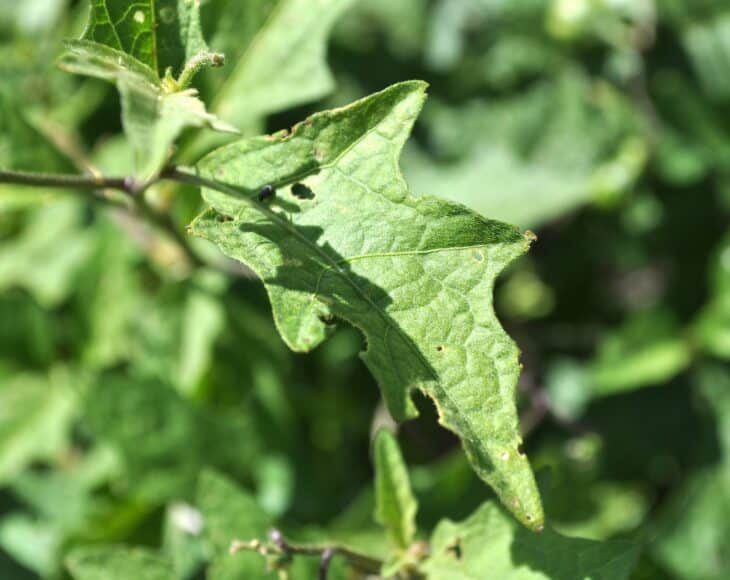
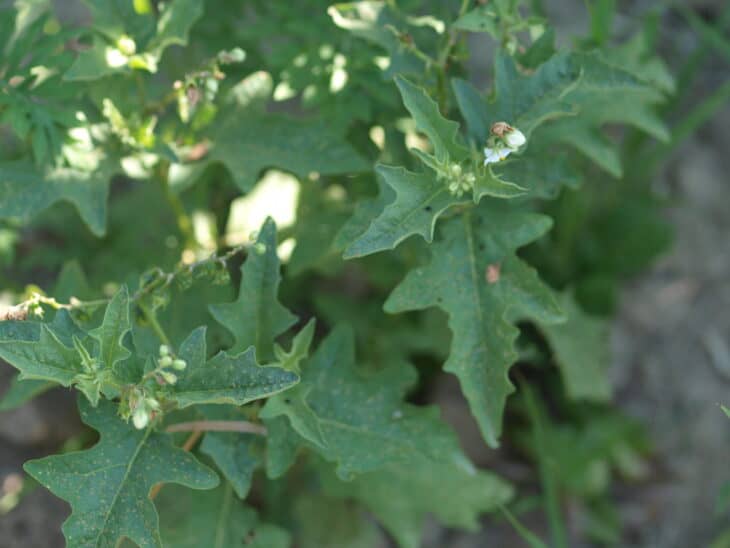
- Stems and leaves bear sharp spines.
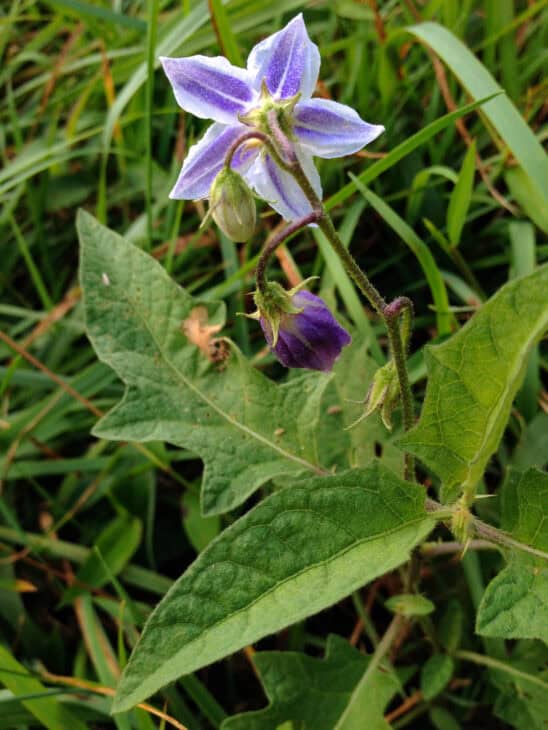
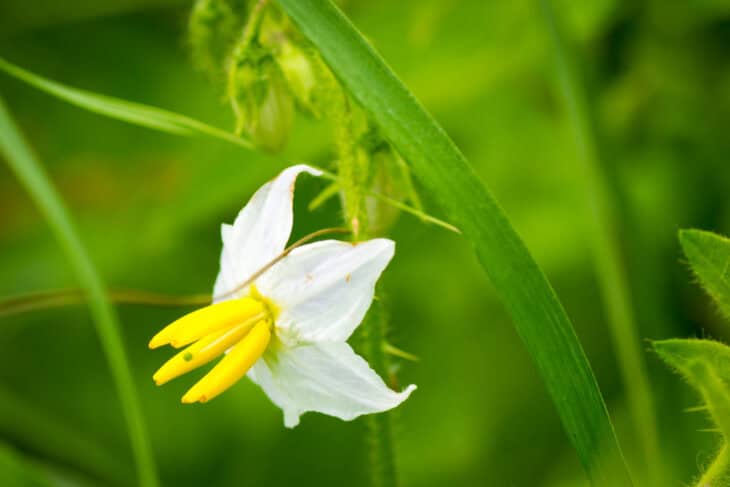
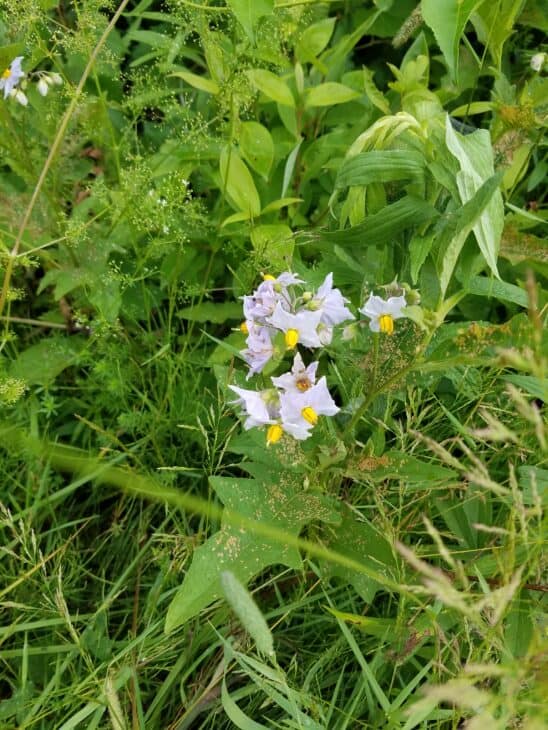
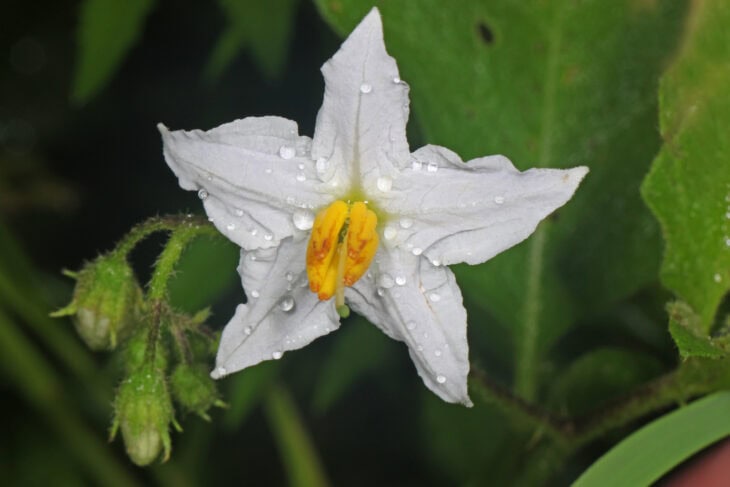
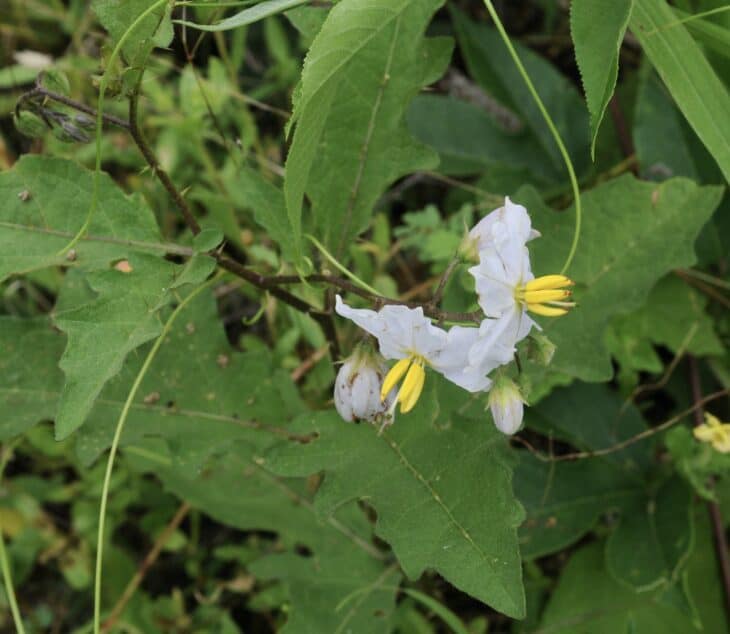
- Flowers are star shaped and white to pale purple with yellow centers.
- Fruits are small yellow to orange berries.
- Spreads by seed and by underground rootstocks or tubers.
- Common in disturbed ground pastures roadsides and field edges.
- Contains toxic alkaloids and is considered poisonous to livestock and humans.
Horsenettle is a spiny perennial nightshade gardeners and land managers notice because it forms persistent patches, bears poisonous berries and can be hard to eradicate. This page explains how to identify it, where it appears and practical steps to limit its spread.
Identification
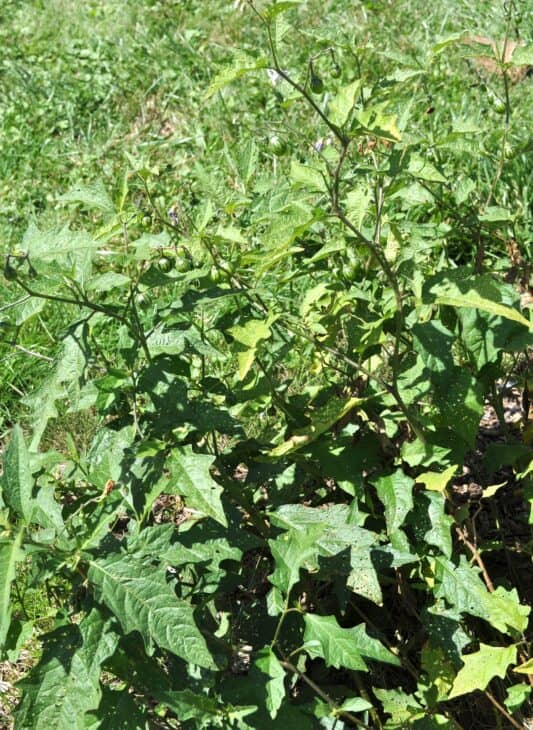
Horsenettle has branching stems and leaves with sharp spines. Flowers are star shaped and white to pale purple with yellow centers. Fruits are small yellow to orange berries. Mature plants typically stand about 1 to 3 feet tall.
Where horsenettle grows
Horsenettle is common in disturbed ground, pastures, roadsides and field edges. It tolerates a wide range of soils from sandy to clay and grows in full sun to partial shade. It is generally treated as a persistent weed rather than a garden plant because it spreads by seed and by underground rootstocks.
Hardiness and seasonality
Horsenettle persists in a broad temperate range. USDA hardiness estimates are approximately zones 5 to 9 depending on local conditions. Plants flower in summer, typically June to August in the temperate Northern Hemisphere, with timing varying by climate.
Water and soil
This species prefers well drained disturbed soils but tolerates poor and dry sites. It does not need rich or irrigated ground to establish which is one reason it succeeds in pastures and roadsides.
Propagation and why it is hard to control
Horsenettle reproduces by seed and by vegetative rootstocks and tubers. Root fragments left in the soil can resprout and established patches spread clonally as well as by seed. That dual strategy makes eradication difficult without repeated effort.
Practical control tips
Remove plants before they set berries to reduce seed spread. For small infestations dig out plants and as much of the rootstock as possible while wearing protective gloves and clothing to avoid spines.
Reinspect and remove resprouts because root fragments can regenerate. Repeated cutting or mowing can reduce seed production when done regularly but may not eliminate plants that resprout from roots.
Clean soil from tools and equipment to avoid moving root pieces to new sites. For large or persistent infestations consult your local extension office for site specific management options.
After-flowering care
If plants have fruited, collect and dispose of berries rather than leaving them on the ground. Monitor the area for new shoots and remove them promptly to prevent patch expansion.
Safety and toxicity
Horsenettle contains glycoalkaloids. All parts are considered poisonous if ingested and berries may be toxic to pets and livestock. Sharp spines can cause skin irritation. For exposures consult local poison control or extension resources for guidance.
Frequently asked questions
How fast does Horsenettle grow?
Growth rate varies with site and climate. Plants resprout from underground rootstocks and can form persistent patches over time. Spread is driven by both seed production and vegetative regrowth.
Horsenettle indoors vs outdoors?
Horsenettle is an outdoor weed of disturbed sites and pastures. It is not suitable for indoor growing and poses a poisoning risk to people and pets if kept where berries or foliage are accessible.
Are horsenettle berries poisonous?
Yes. Berries and other plant parts contain toxic alkaloids and can harm pets, livestock and humans if eaten. Avoid handling berries without protection and follow poison control guidance if ingestion occurs.
Can I remove horsenettle by hand pulling?
Hand pulling can work for small, young plants if you remove the entire rootstock. Gloves and eye protection are recommended because of spines. Expect to return and remove resprouts.
Will mowing stop horsenettle?
Regular mowing or cutting can reduce flowering and seed set but will not reliably eradicate plants that regrow from rootstocks. Combine mowing with removal of new shoots for better long term control.
Gallery
Related Plants


Mentioned In (2)
Plants
22 Poisonous Plants in Ohio (and What to Do After Contact)
The poisonous plants that cause the most trouble in Ohio are poison ivy and wild parsnip, which injure skin, and…

Plants
29 Poisonous Plants in Tennessee (With Photos and First Aid)
The poisonous plants you are most likely to meet in Tennessee are poison ivy, which grows in every county, and…