
Key Facts
- Evergreen conifer native to central coastal California and a few Mexican islands.
- Fast growing and widely planted for timber and shelterbelts outside its native range.
- Produces male and female cones and is wind pollinated.
- Prefers full sun and open sites.
- Tolerant of poor and sandy soils but dislikes waterlogged ground.
- Used as an ornamental, plantation timber species, and for erosion control.
Monterey Pine (Pinus radiata) is an evergreen coastal pine valued for fast growth for timber and landscape use. It prefers full sun and well drained soils and reproduces with cones and wind borne pollen rather than showy flowers.
Identification
Monterey Pine is an evergreen conifer native to central coastal California and some Mexican islands. Mature trees commonly reach about 15 to 25 meters tall with crowns often 9 to 15 meters across in open sites. The tree produces separate male and female cones and relies on wind pollination. Needles and resin can be mildly irritating if handled or ingested.
Best uses and where to grow
This species is used as an ornamental specimen and shelterbelt and is widely planted for plantation timber and erosion control in mild climates. It grows best in full sun and open exposures. USDA hardiness is commonly listed around zones 7 to 10 but cold tolerance varies by seed source and local microclimate so check local recommendations before planting.
Planting and spacing
Choose a sunny site with good drainage and avoid waterlogged locations that lead to root decline. Space trees at least as far apart as the expected mature crown which commonly reaches 9 to 15 meters across. Plant so the root ball sits level with the soil surface and avoid burying the root crown. Young trees need open exposure to develop a strong form.
Watering and soil
Monterey Pine tolerates poor and sandy soils but performs best on well drained loamy ground. Regular watering helps establishment but prolonged wet feet cause root rot and decline. In heavy soils improve drainage or plant on a raised mound. Drought stress reduces vigor and increases susceptibility to pests and disease.
Maintenance and controlling spread
Prune young trees to develop a single strong leader and remove dead wood as needed. Monitor trees in colder inland sites for dieback and in warm humid lowlands for increased disease pressure. Seedlings can arise from cones in suitable climates so control unwanted spread by removing seedlings and managing cone drop when necessary for landscape settings.
Propagation
Monterey Pine is commonly propagated by seed for plantations and landscape planting. Selected cultivars are reproduced by cuttings or grafting to preserve desirable traits. Seed provenance influences growth habit and cold tolerance so buy seed or nursery stock with a known origin when local performance matters.
Frequently asked questions
- How fast does Monterey Pine grow?
- Monterey Pine is described as fast growing and is widely used in timber production for rapid height gain in favorable sites. Actual annual growth varies with climate soil fertility and provenance.
- Is Monterey Pine suitable for small yards?
- It can outgrow small spaces since mature trees commonly reach 15 to 25 meters tall and develop broad crowns. Avoid planting near structures underground utilities or where the mature crown will conflict with other trees.
- Are Monterey Pines toxic to pets and people?
- They are not widely reported as highly toxic but pine needles resins and oils can cause mild skin irritation or stomach upset if ingested. Verify species specific concerns with local poison control or a veterinarian.
- Can Monterey Pine naturalize or become weedy?
- The species is widely planted outside its native range and can establish from seed in suitable climates. Check local rules and monitor for self sown seedlings if naturalizing is a concern.
- When do Monterey Pines release pollen and cones?
- Reproduction is by cones and pollen release timing varies by climate. In many regions pollen is released from late winter into spring but local timing should be confirmed for pollen sensitive situations.
Related Plants


Mentioned In (5)

Trees
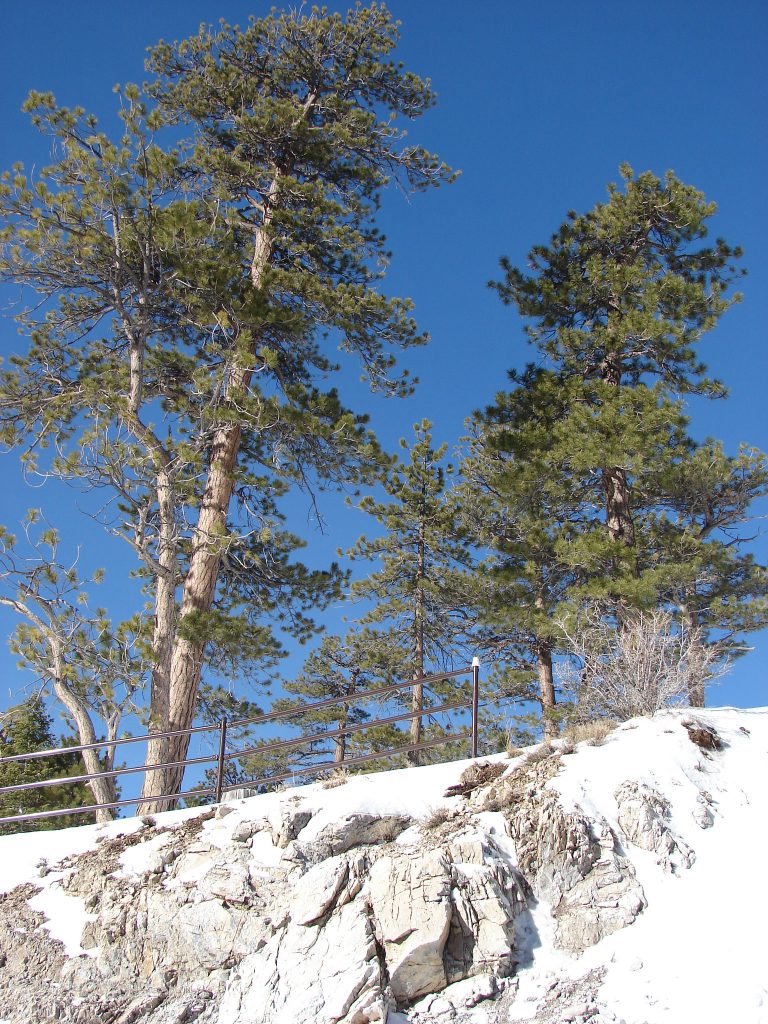
28 Evergreen trees in California
Evergreen trees in California are truly unique. They can be found at the coast, in the desert, and everywhere in…
Pine
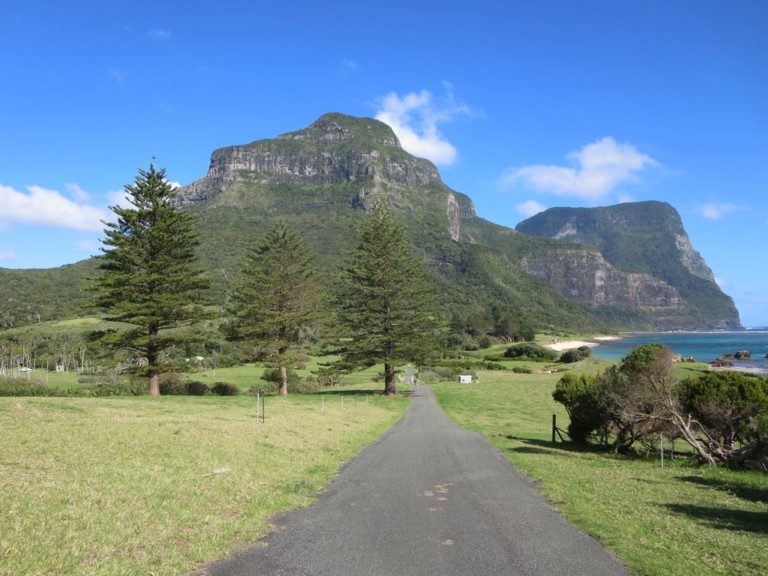
7 Common Types Of Pine Trees In Australia
Australia is a huge piece of land with a magnificent variety of flora and fauna that thrives even under extreme…
Pine
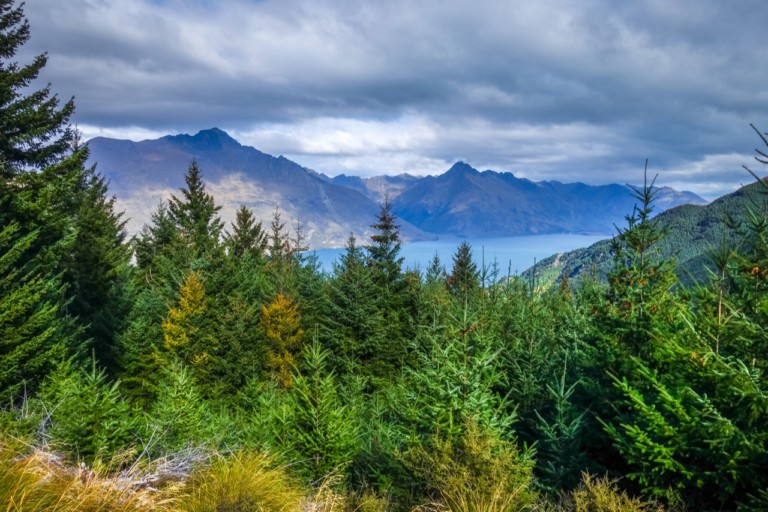
12 Iconic Types Of Pine Trees In New Zealand
Did you know plantations cover over seven percent of New Zealand's total area? Today, New Zealand has a total of…

Pine
29 Different Types of Pine Trees in California (Northern & Southern)
People love pine trees, and there is little wonder why. The cones can be easily decorated for a variety of…

Pine
51 Common Types of Pine Trees in North America (photos)
Wherever you go in North America, it is difficult not to see pine trees. These are tall, elegant trees that…