
Key Facts
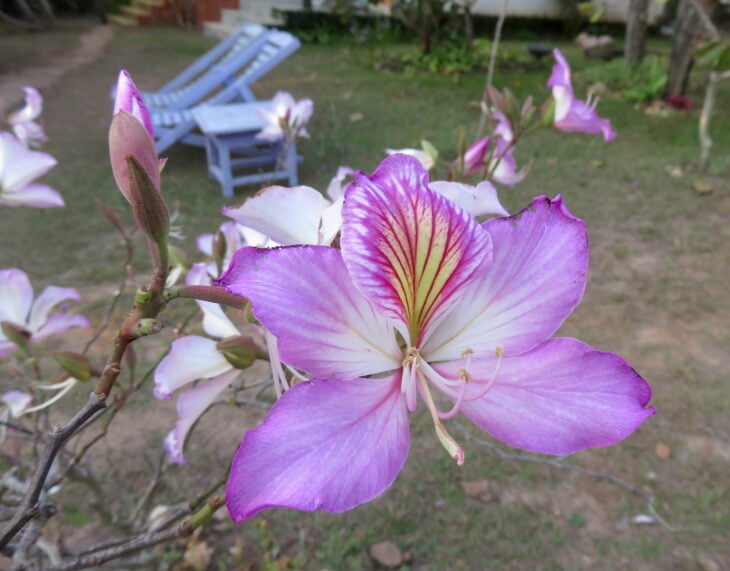
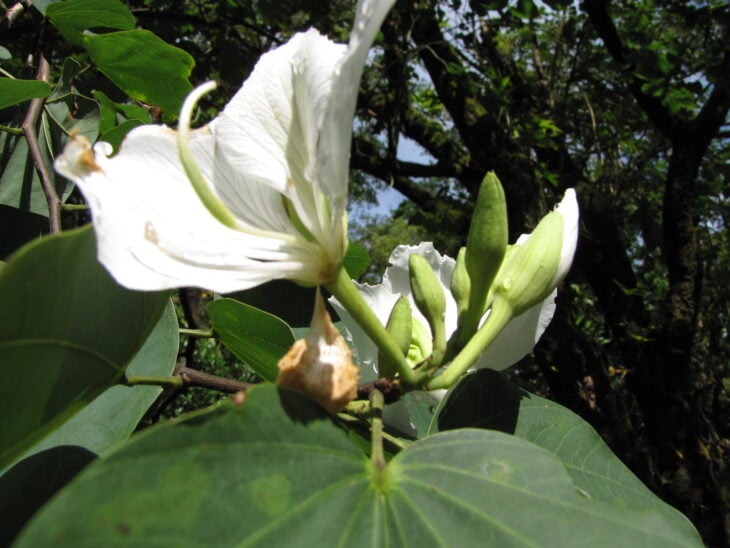
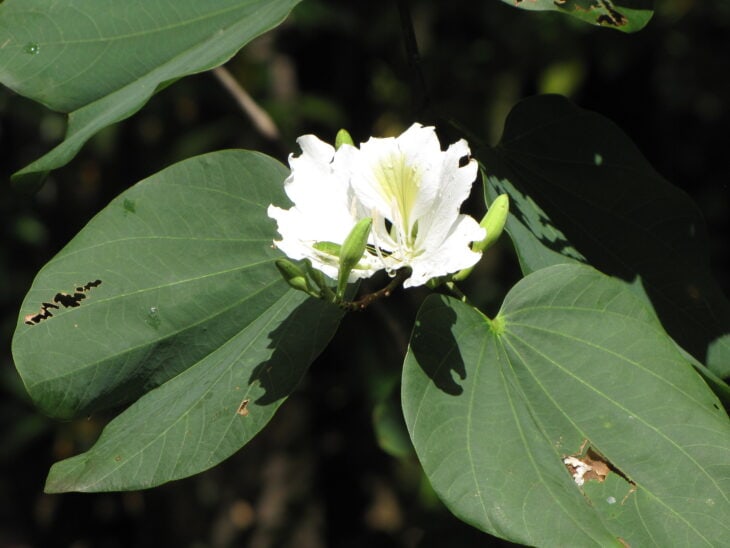
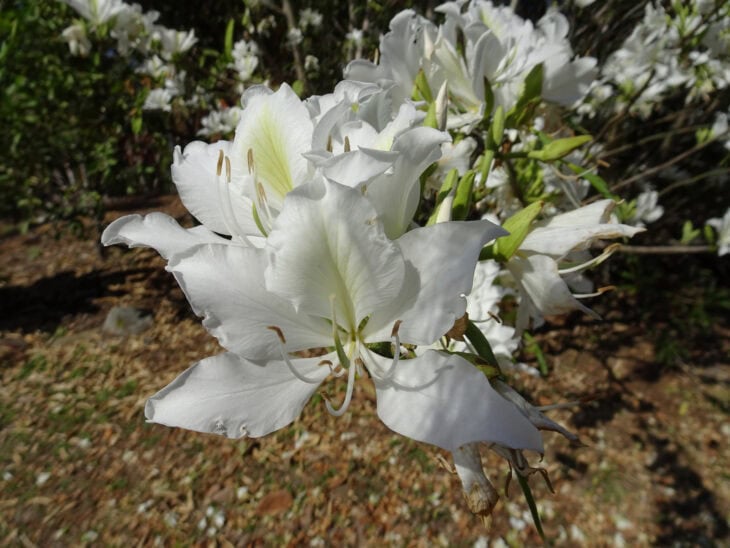
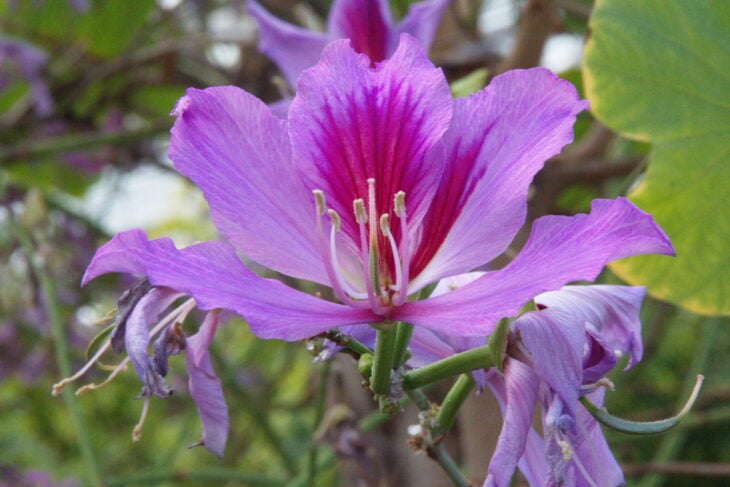
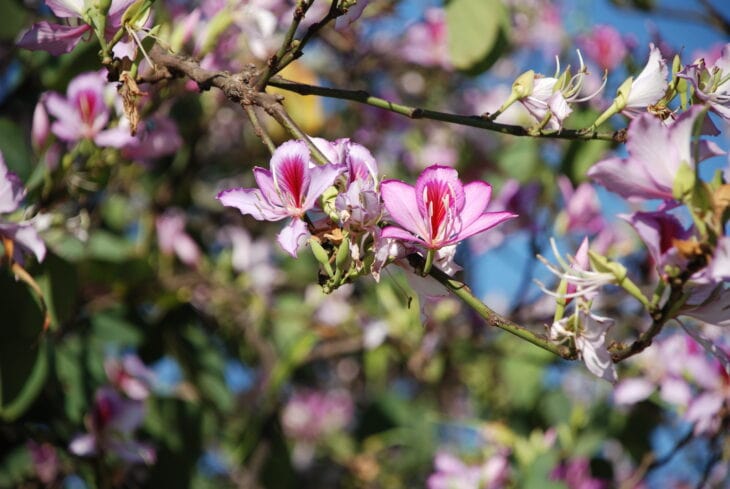
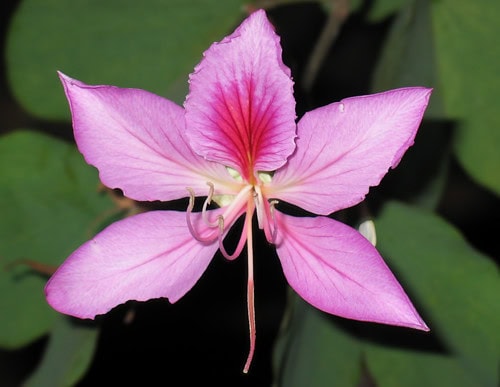
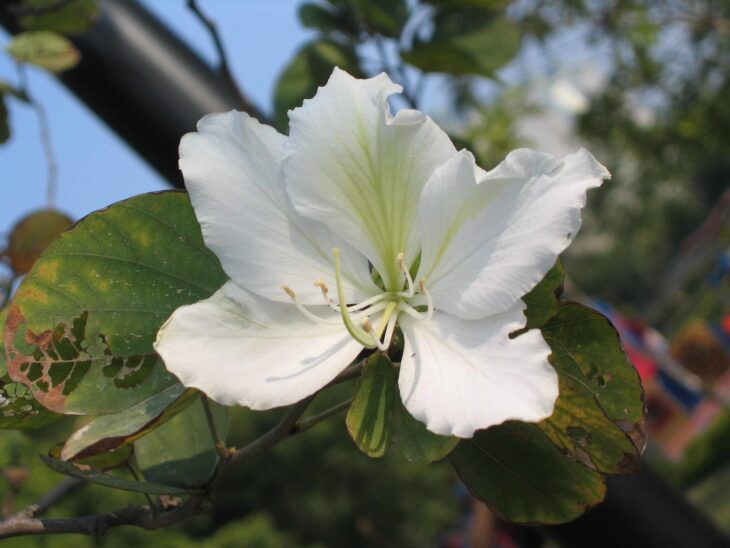
- Small ornamental tree with showy orchid-like flowers in pink to purple or white.
- Deciduous to semi-evergreen depending on climate.
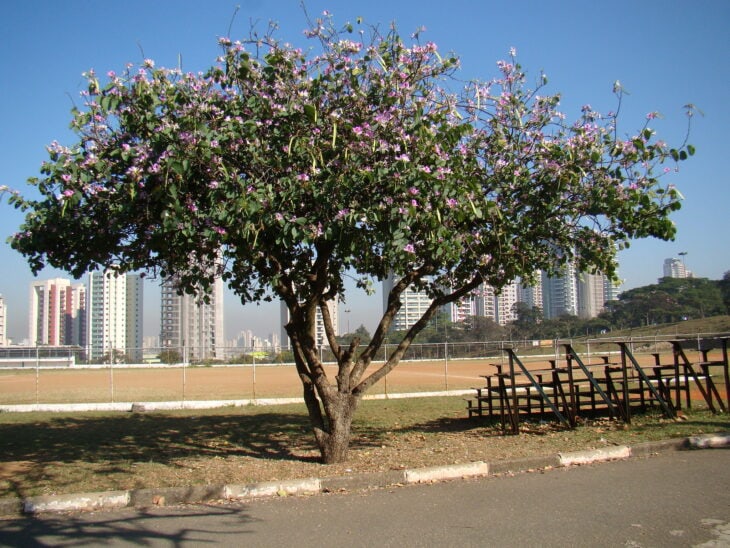
- Valued as a specimen or street tree in subtropical landscapes.
- Flowers typically appear in late winter to spring in suitable climates.
- Prefers full sun and well drained soil for best flowering.
- Tolerates a range of soils but does not like waterlogged conditions.
- Propagated by seed, cuttings, and air layering.
- Attracts pollinators such as bees and butterflies.
Purple Orchid Tree is a small ornamental tree prized for large orchid-like flowers and an attractive branching habit. It is grown as a specimen or street tree in subtropical and warm temperate landscapes where winter is mild.
Identification
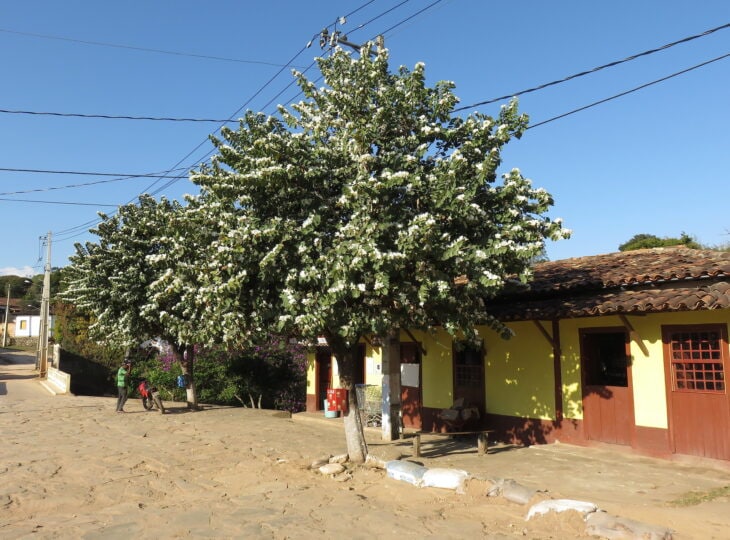
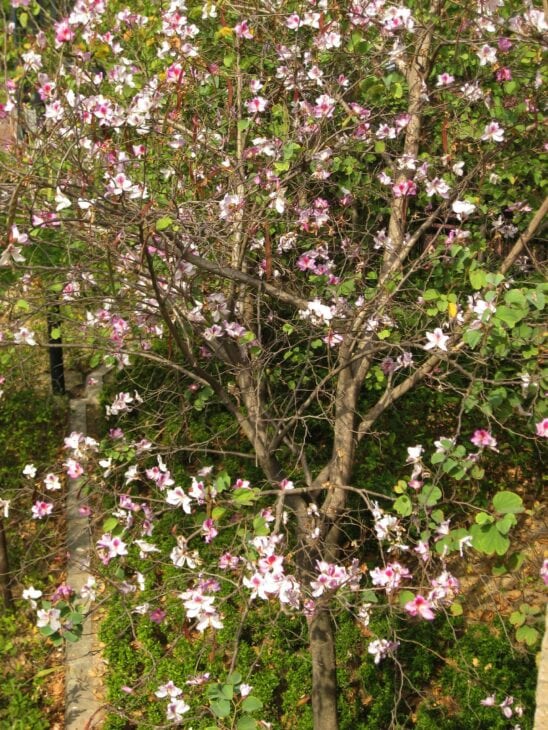
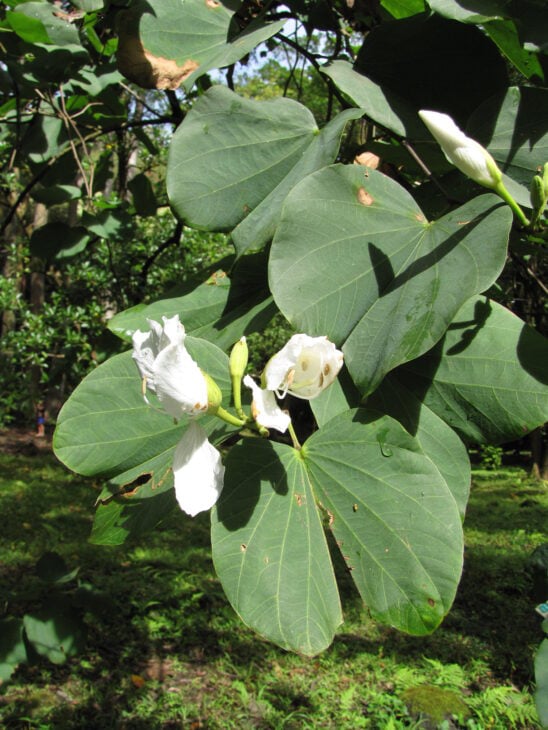
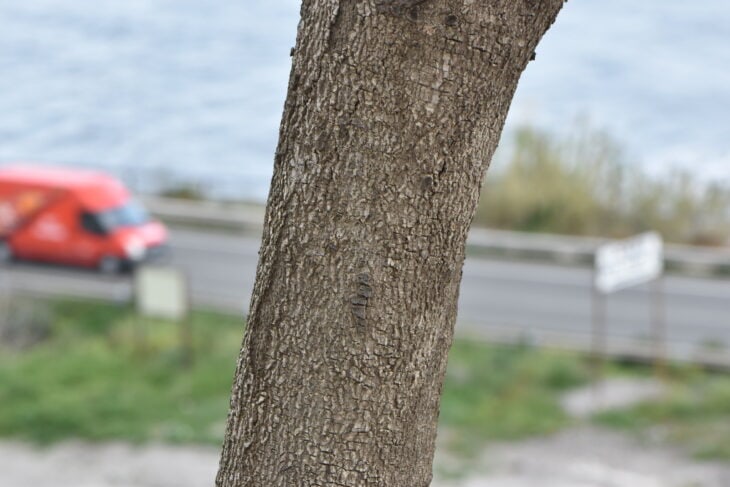
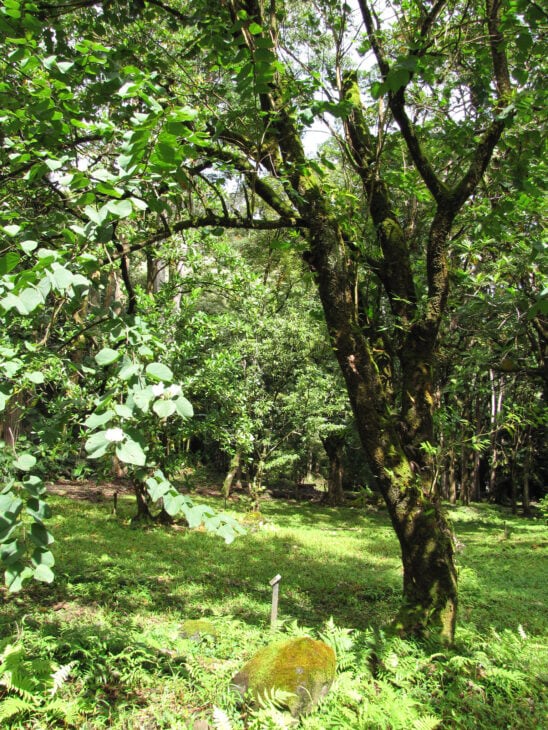
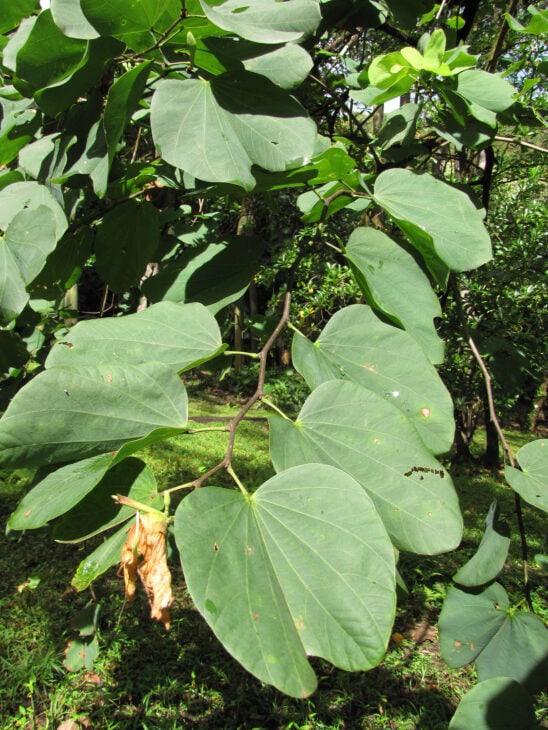
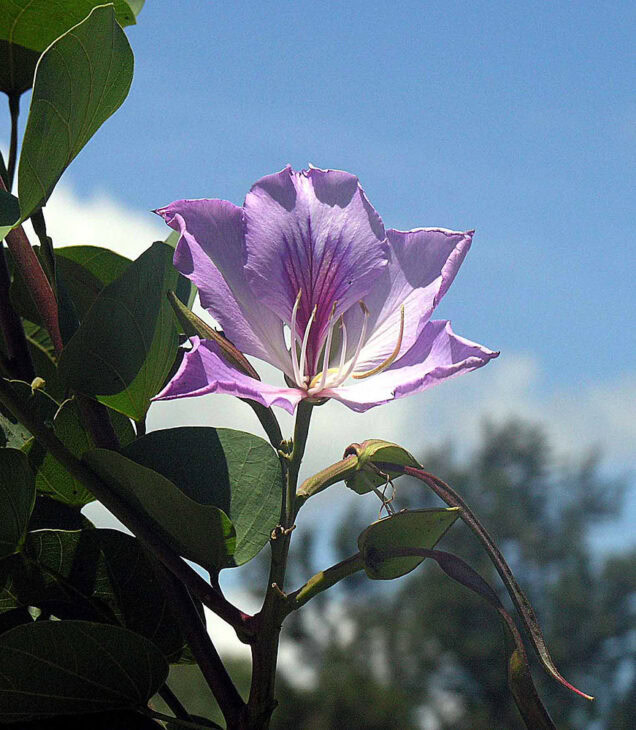
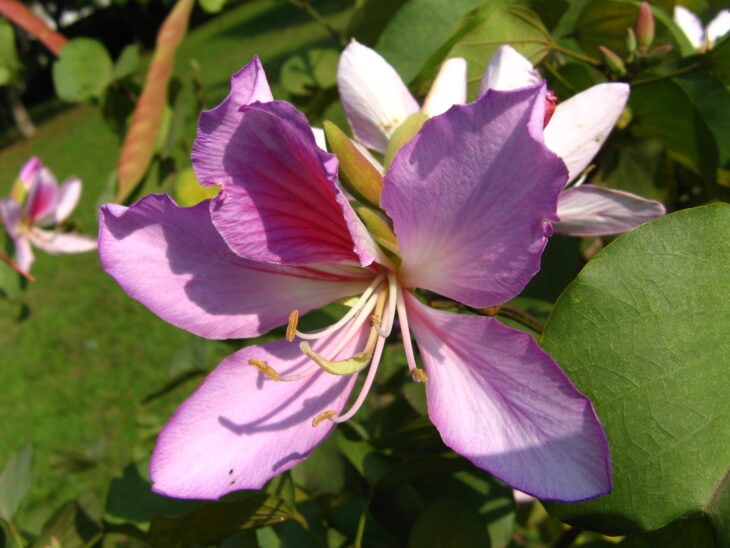
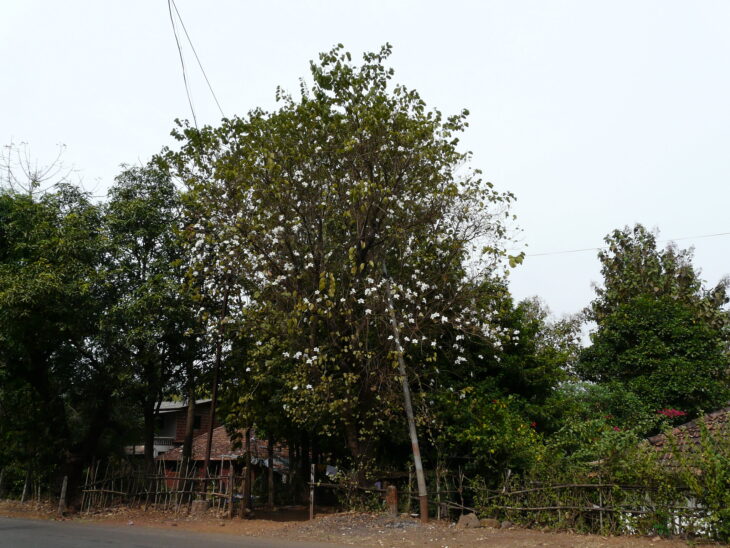
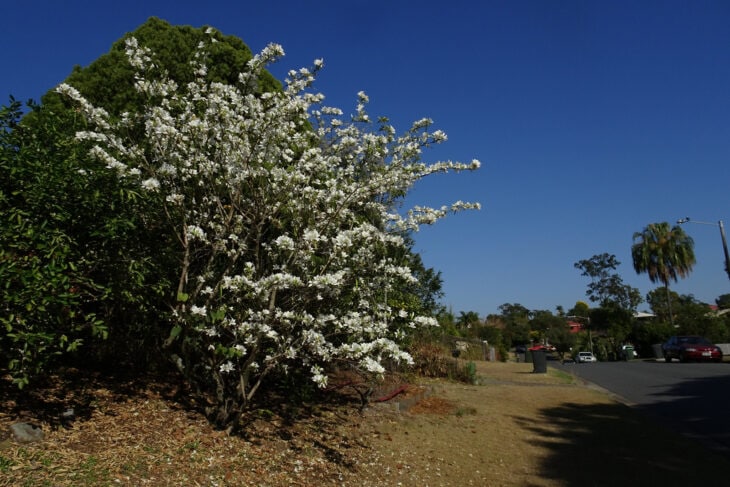
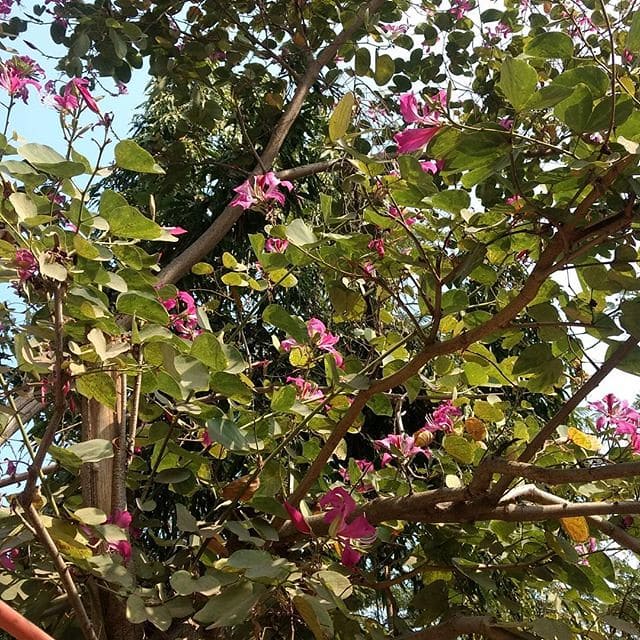
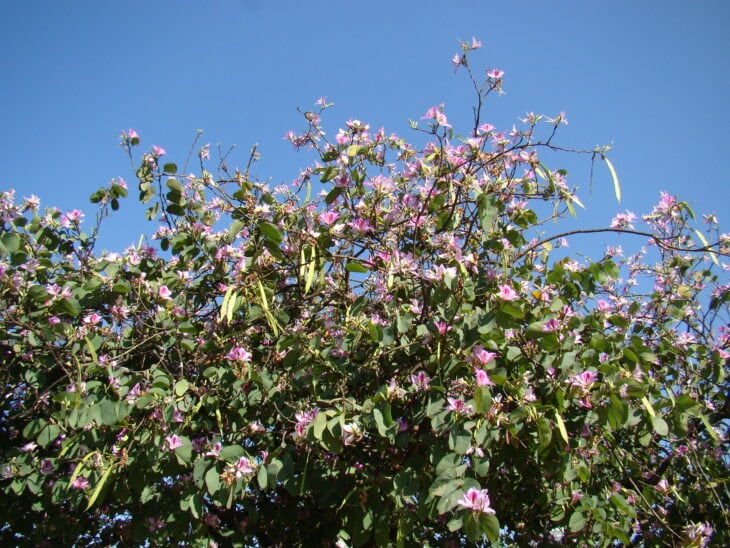
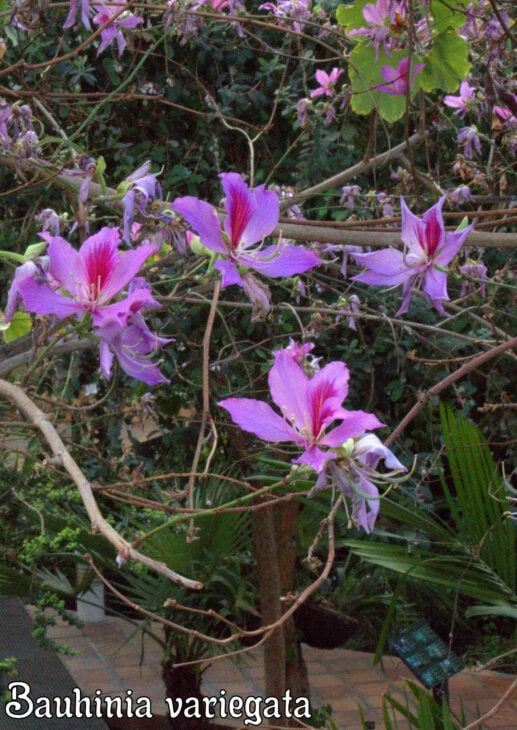
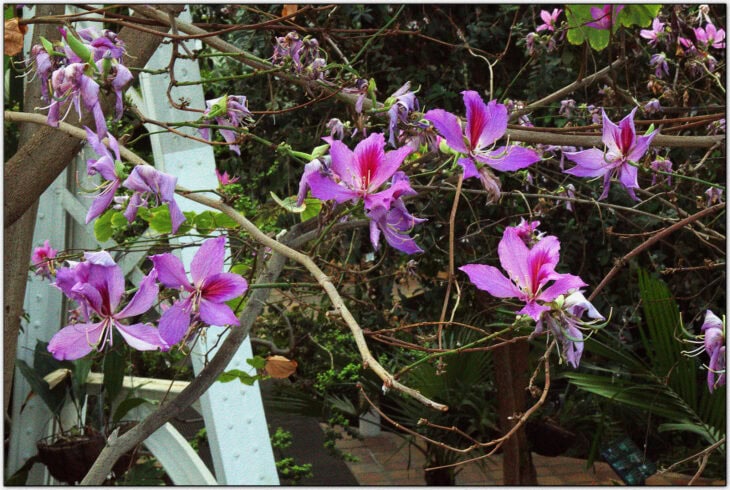
Bauhinia variegata bears showy flowers that are orchid-like in shape and range from pink to purple or white. The tree is deciduous to semi-evergreen depending on climate and typically forms a broad rounded crown about 10 to 25 feet wide with an overall height near 20 to 33 feet in favorable sites.
Best uses and where to grow
Use as a specimen, small street tree or focal point in a warm garden where full sun produces the best flowering. It suits subtropical and warm temperate landscapes with roughly USDA zones 9b to 11 and performs poorly where hard freezes are common because cold can cause dieback or kill young plants.
Planting and spacing
Plant in a sunny location with well drained soil and allow room for the mature crown by spacing trees about 10 to 25 feet apart depending on desired canopy overlap. Set the root ball at the same depth as the nursery container and avoid planting in low spots that remain waterlogged.
Water and soil
Fertile, well drained soil is ideal though the tree tolerates a range of soils when drainage is adequate. Avoid standing water because poor drainage leads to root decline and reduced vigor. Provide consistent moisture while the tree establishes and then reduce supplemental water to prevent root stress.
Flowering and after-flowering care
Blooms appear in late winter to spring, commonly February through May in the northern hemisphere, with timing shifting by local climate. After flowering, prune lightly to maintain shape and remove crossing branches; major structural pruning is best done when the tree is not actively blooming to avoid removing flower wood.
Propagation
Propagate by seed, semi-hardwood cuttings or air layering. Seeds often germinate readily and may benefit from soaking or nicking to improve germination. Semi-hardwood cuttings can root with proper timing and care, while air layering succeeds for producing exact copies of desirable specimens.
Containers and size control
Because it reaches small to medium tree size and develops a broad canopy, the Purple Orchid Tree is generally better as a landscape specimen than a long-term container plant. Use regular pruning and selective thinning to keep a tree smaller in a compact garden or street planting.
Frequently asked questions
- How fast does Purple Orchid Tree grow?
- Growth is moderate. In favorable warm climates it typically reaches about 20 to 33 feet at maturity, with rate depending on soil, water and local conditions.
- Is the Purple Orchid Tree frost hardy?
- It is best suited to roughly USDA zones 9b to 11. In colder zones it can suffer dieback or be killed by hard freezes, so protect or avoid planting where hard freezes are likely.
- When does it bloom?
- Flowers appear in late winter to spring, commonly February through May in the northern hemisphere, though exact timing varies with latitude and local climate.
- How do I propagate it?
- Propagate from seed, semi-hardwood cuttings or air layering. Seeds often respond well to soaking or nicking before sowing.
- Is it suitable for a small yard?
- Yes as a single specimen if you can accommodate a mature spread of about 10 to 25 feet. Regular pruning keeps the canopy more compact for smaller sites.
Gallery
Related Plants


Mentioned In (4)

Plants
9 Plants That Look Like Orchids
Orchids (Orchidaceae) are flowering plants that come in various sizes, colors, and shapes. Orchids grow between 15 and 30 inches…

Trees
33 Most Common Trees in Los Angeles
Los Angeles may be a sprawling metropolis, but it's not without its natural beauty. In fact, the city is home…
Trees
7 Great Flowering Trees For North Carolina
Are you looking to plant some truly breathtaking flowering trees and shrubs in your home garden in North Carolina? Well,…
Trees
27 Best Flowering trees For California by Color
Are you looking forward to planting breathtaking flowering trees in your Cali garden? You will be ecstatic to know that…