
Key Facts
- Large deciduous oak native to eastern North America.
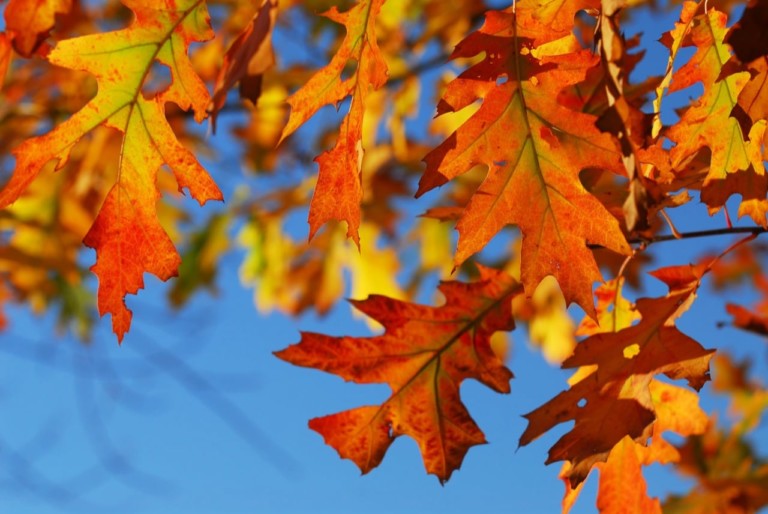
- Leaves have deep lobes and turn bright red in fall.
- Produces acorns that feed many birds and mammals.
- Prefers full sun and well drained soils.
- Tolerates dry, sandy sites once established.
- Reproduces by acorns and is commonly planted from nursery stock.
- Flowers are wind pollinated and appear as inconspicuous catkins in spring.
- Susceptible to oak wilt and other fungal or root problems in poorly drained soils.
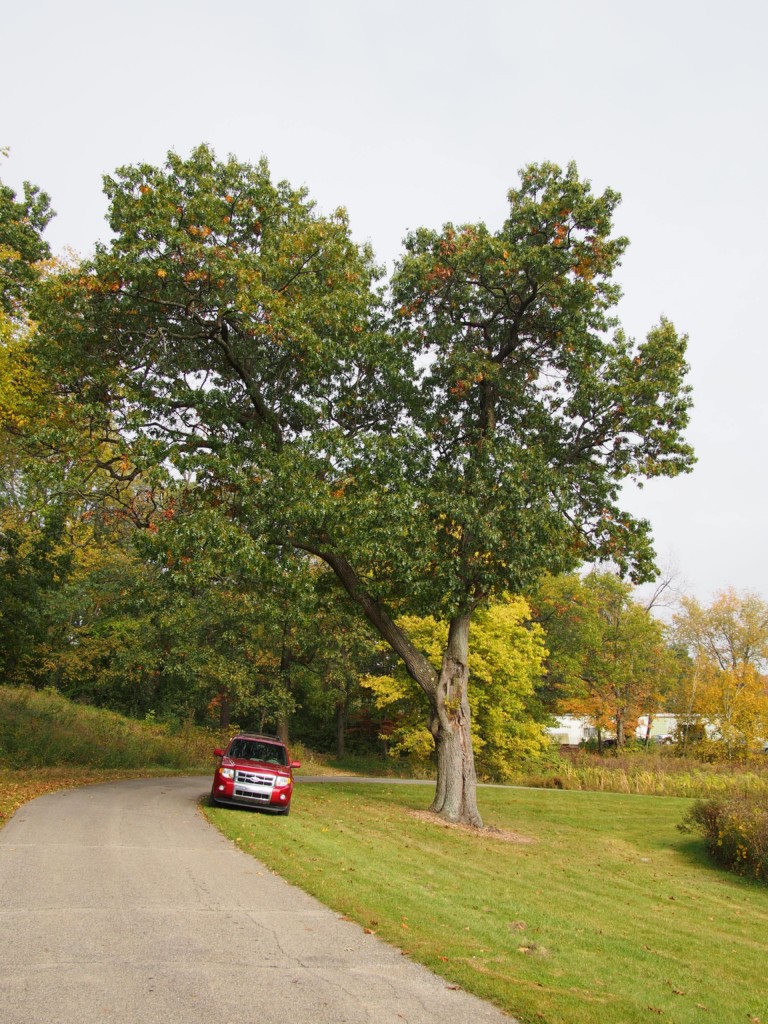
Scarlet Oak is a large deciduous oak prized for bright red fall foliage and wildlife value. It makes a bold shade or specimen tree where there is room for its 60 to 80 foot height and a 40 to 60 foot crown.
Identification
Leaves have deep lobes and produce vivid red fall color that distinguishes this oak from many others. Flowers are inconspicuous catkins in spring and the tree produces acorns that feed many birds and mammals. Mature size commonly reaches 60 to 80 feet tall with a 40 to 60 foot spread depending on site.
Best uses and where to grow
Use Scarlet Oak as a large shade tree, park specimen or naturalizing tree in larger yards and public spaces. It prefers full sun and well drained acidic to neutral soils and tolerates dry sandy sites once established. Plant within its USDA hardiness range of zones 4 to 8 for reliable performance.
Planting and spacing
Place nursery trees where they can reach full mature spread and avoid planting near foundations or small structures. Set the root flare at soil grade and backfill with native soil so the tree sits at its original depth. Allow 40 to 60 feet of horizontal space from other trees or buildings to accommodate the crown.
Watering and soil
Keep new transplants regularly watered through the first one to three growing seasons until established. Once established Scarlet Oak tolerates dry, sandy sites but will decline in poorly drained soils. Avoid prolonged soil wetness because poor drainage increases risk of root disease and oak decline.
Care and pest risks
Maintain a single central leader when young and prune only to remove dead or crossing branches. Monitor for oak wilt and other fungal or root problems, especially where soils are compacted or drain poorly. Good site selection and avoiding unnecessary wounds reduce many disease risks.
Wildlife value and toxicity
Acorns are an important food source for birds and mammals and can help support local wildlife. Acorns and young foliage contain tannins and can be toxic to livestock in large amounts; pets may experience gastrointestinal upset if they eat acorns. Check local extension or poison control for region-specific guidance.
Propagation and sourcing
Scarlet Oak reproduces by seed and is commonly planted from nursery-grown stock raised from acorns. Vegetative propagation by cuttings is typically difficult. Collected acorns generally require proper handling and cold stratification to germinate reliably in nursery or home propagation efforts.
Frequently asked questions
- How fast does Scarlet Oak grow?
- Growth rate varies with site and care. On favorable sites with good soil and moisture it establishes and puts on noticeable height, reaching its mature 60 to 80 foot range over many decades.
- Is Scarlet Oak invasive?
- No. Scarlet Oak is native to eastern North America and is not considered an invasive species where it is native. It can naturalize by acorns but does not typically crowd out native plant communities.
- Are acorns toxic to dogs?
- Acorns contain tannins and can cause vomiting or diarrhea in dogs if eaten in quantity. Severity depends on amount consumed and the animal involved; consult a veterinarian or pet poison control for suspected poisoning.
- What soil does Scarlet Oak prefer?
- It prefers well drained acidic to neutral soils and tolerates dry, sandy conditions once established. Avoid heavy, wet clay or sites with standing water to reduce root disease risk.
- How big does Scarlet Oak get?
- Mature trees commonly reach about 60 to 80 feet tall with a crown spread of 40 to 60 feet, though size varies with site and competition.
Gallery

Related Plants


Mentioned In (11)
Oak
4 Common Types of Oak Trees in New York State
New York State has many land and aquatic habitats that are home to diverse plant and animal life. If you've…
Oak
9 Types of Oak Trees in New Jersey
If you want to grow Oak Trees in New Jersey, you’ve come to the right place! New Jersey is home…
Trees
25 Most Common Trees in Tennessee
Tennessee is America's most biodiverse inland state. It has a topography that is both adaptable and abundant, with an unusual…

Oak
8 Typical Types of Oak Trees in Kentucky
One of the best parts about being a gardener in Kentucky is the amazing variety of oak trees that you…

Oak
21 Grand Types of Oak Trees in Mississippi
Do you wish to grow Oak Trees in your home garden? Well, you will be pleased to know that Mississippi…
Oak
19 Types of Oak Trees in Tennessee
Not only does the state of Tennessee have a lot of different trees, but the state is also home to…
Oak
19 Beautiful Types of Oak Trees in Illinois
The state of Illinois is home to more than four million acres of forested land, making it home to a…
Oak
22 Types of Oak Trees in Alabama
The fact that Alabama has a lot of trees shouldn’t be a surprise to anyone. After all, nearly 70% of…

Oak
15 Types of Oak Trees in North Carolina
There are hundreds of species of trees in North Carolina, in part because there are mountains on one side of…
Oak
17 Great Types of Oak Trees in Georgia
That states like Georgia have a lot of trees should be no surprise to anyone. Because of its mild climate,…

Oak
76 Types of Oak Trees in North America (foliage photos)
Because of all the forests in North America, you can find just about every tree you can think of if…