
Key Facts
- Annual ornamental often sold for summer borders and containers.
- Produces small snapdragon-like flowers in mixed colors.
- Forms low clumps roughly 6–12 in (15–30 cm) tall.
- Attracts bees and other pollinators.
- Sows and establishes easily from seed.
- Prefers well-drained soil and sun to part shade.
- Self-seeds readily when allowed to set seed.
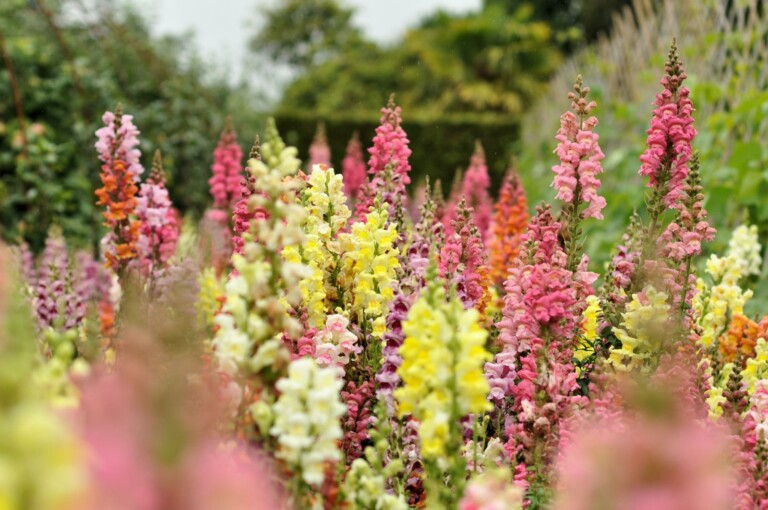
Spurred Snapdragons (Linaria maroccana) are low annuals that produce airy spikes of small snapdragon-like flowers in mixed colors, useful in sunny borders, beds and containers. They establish easily from seed but will self-seed freely if allowed, making them well suited to casual cottage and pollinator-friendly plantings.
Identification
These compact annuals form low clumps about 6 to 12 inches tall and roughly the same across, with many fine stems topped by small two-lipped flowers that resemble miniature snapdragons. Plants are valued for their light, mixed-color blooms and for attracting bees and other pollinators to summer beds and edges.
Best uses and placement
Use Spurred Snapdragons in front-of-border plantings, massed drifts, cottage-style beds and mixed containers where low height is needed. They perform best in full sun for strongest flowering but tolerate light shade, so place them where blooms will be visible and airflow and drainage are good.
Soil and light
Grow them in well-drained soils of average to moderate fertility because wet, heavy ground reduces flowering and can cause root loss. Full sun produces the best display, with part shade acceptable in hot climates to reduce heat stress and fading of delicate blooms.
Planting and spacing
Sow seed directly after the last frost for summer blooms or start indoors for an earlier display, and transplant when seedlings are sturdy. Space plants about 6 to 12 inches apart to match their mature spread and allow air circulation; thin crowded seedlings to avoid mildew and encourage branching.
Watering and maintenance
Water regularly during establishment and in dry spells but avoid waterlogged conditions that lead to root decline. Light drought is tolerated, though prolonged dryness reduces blooms. Routinely removing spent flowers encourages continued blooming and keeps plants tidy while enhancing overall flowering performance.
After-flowering and self-seeding control
Spurred Snapdragons will self-seed readily if left to set seed. Deadhead spent blooms to extend flowering and prevent volunteers, or allow some plants to go to seed if you want natural reseeding. As an annual they usually persist only into the mildest winters where volunteers reseed the following year.
Containers and cutting
Their compact habit and airy flowers make them suitable for containers, window boxes and mixed planters. Use a free-draining potting mix and expect to water pots more often than beds. Flowers work well in casual posies and bring pollinators to balcony plantings.
Frequently asked questions
- How fast does Spurred Snapdragons grow?
- They establish easily from seed and complete their life cycle in a single season, forming the typical 6 to 12 inch clumps and flowering the same growing season after germination.
- Do Spurred Snapdragons come back each year?
- They are usually treated as annuals and are not reliably winter hardy, though plants may persist or volunteers appear in the mildest winters in warm areas.
- When do they bloom?
- They bloom from summer into fall in many climates, with flowering lasting longer when regularly deadheaded.
- Are they poisonous to pets?
- Toxicity reports vary and are not consistently documented. Avoid ingestion and consult local poison control or veterinary resources for definitive guidance.
- How should I space them?
- Space plants about 6 to 12 inches apart to match their mature spread and reduce crowding that can invite disease.
Related Plants


Mentioned In (1)
Plants
9 Plants That Look Like Snapdragons
Snapdragons have been a staple in cottage gardens for centuries. They are excellent plants for filling in color in a…